
The Viking 1 Mission: Exploring Mars’ Secrets
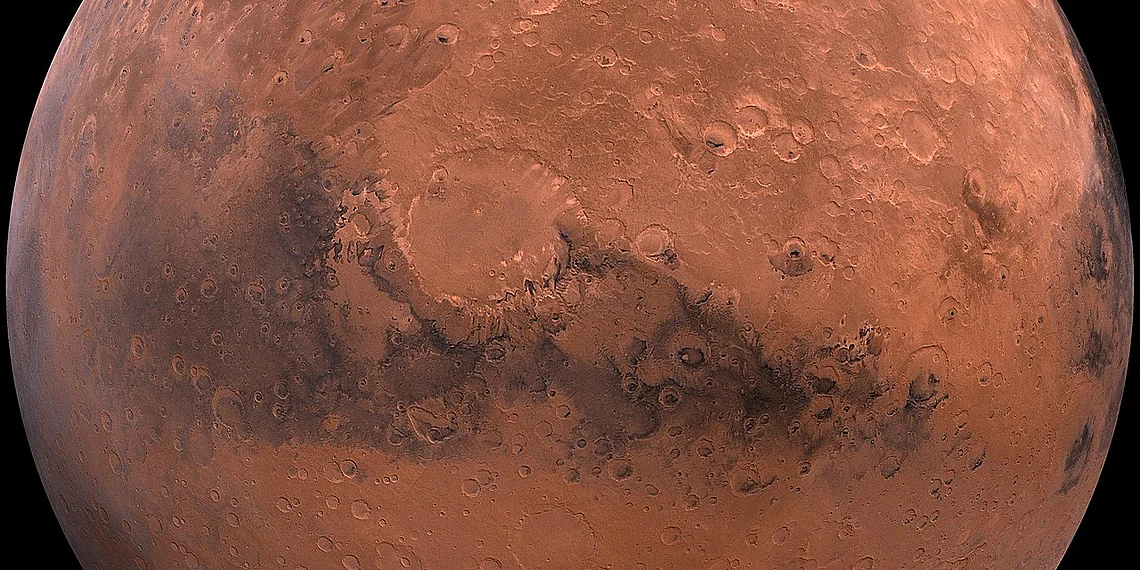
The ongoing exploration of Mars represents a monumental endeavor in our quest to understand the universe and, crucially, the first crewed missions to Mars. The Viking 1 Mission, launched in 1975, stands as a pivotal moment – the first successful landing on Mars and the beginning of serious scientific investigation of the Red Planet. This mission involved a Titan-Centaur rocket carrying the spacecraft to its destination, touching down on July 20, 1976, marking a significant leap forward in our ability to explore other worlds. The primary goal was to determine if microbial life existed on Mars, a question that continues to drive space exploration today. Furthermore, Viking 1 provided invaluable data regarding the Martian soil composition and atmosphere, laying the groundwork for future missions. The success of the first crewed missions to Mars depends on missions like Viking 1, which demonstrated our capability to reach and operate spacecraft on another planet. The data collected by Viking 1 significantly expanded our knowledge of Mars, influencing subsequent robotic and human exploration plans. The mission’s legacy endures as a testament to American ingenuity and the persistent pursuit of scientific discovery.
Understanding Viking 1’s Objectives
The primary objective of the Viking 1 Mission was threefold: first, to analyze Martian soil for potential signs of organic compounds – indicators of life. Second, to assess the possibility of liquid water beneath the surface. Finally, to measure atmospheric conditions and determine if they could support microbial life. The spacecraft carried several scientific instruments designed to accomplish these tasks, including a gas chromatograph mass spectrometer (GC/MS) to analyze soil composition and an infrared radiometer to measure temperature variations. These experiments yielded some surprising results, revealing the presence of organic molecules in the Martian soil – though it was later determined that these compounds were likely formed through non-biological processes. Despite this initial disappointment regarding potential life, the mission provided invaluable data on the planet’s surface and atmosphere, greatly enhancing our understanding. It’s important to acknowledge that while the search for life ultimately proved unsuccessful in the initial Viking experiments, the mission fundamentally changed how we approach planetary exploration. The 1 Mission represents a cornerstone achievement in space exploration. From its groundbreaking landing to its detailed scientific investigations, it fundamentally altered our perception of Mars and paved the way for future missions. The mission’s legacy continues to inspire scientists and engineers as they strive to unravel the mysteries of the Red Planet and ultimately answer the question: are we alone in the universe?
Key Viking 1 Specifications
The Viking 1 spacecraft was a complex piece of engineering, designed specifically for its challenging mission. Here’s a table summarizing some of its key specifications:
| Specification | Value |
|---|---|
| Launch Date | August 20, 1975 |
| Landing Date | July 20, 1976 |
| Mass (at landing) | 392 kg (867 lb) |
| Power Source | Radioisotope Thermoelectric Generators (RTGs) |
| Communication System | High-Gain Antenna |
| Primary Instruments | GC/MS, Infrared Radiometer, Cameras |
The mission’s success relied heavily on the robust design of these instruments and the meticulous planning that went into the landing procedure. The spacecraft successfully transmitted over 2,300 images back to Earth during its operation, providing unprecedented visual data of the Martian surface. This data continues to be studied by scientists today, contributing to our understanding of Mars’ geology and climate. The Viking 1 Mission remains a pivotal mission for future exploration.
In conclusion, the Viking 1 Mission represents a cornerstone achievement in space exploration. From its groundbreaking landing to its detailed scientific investigations, it fundamentally altered our perception of Mars and paved the way for future missions. The mission’s legacy continues to inspire scientists and engineers as they strive to unravel the mysteries of the Red Planet and ultimately answer the question: are we alone in the universe?
Source: Read the original article here.
Discover more tech insights on ByteTrending.
Discover more from ByteTrending
Subscribe to get the latest posts sent to your email.