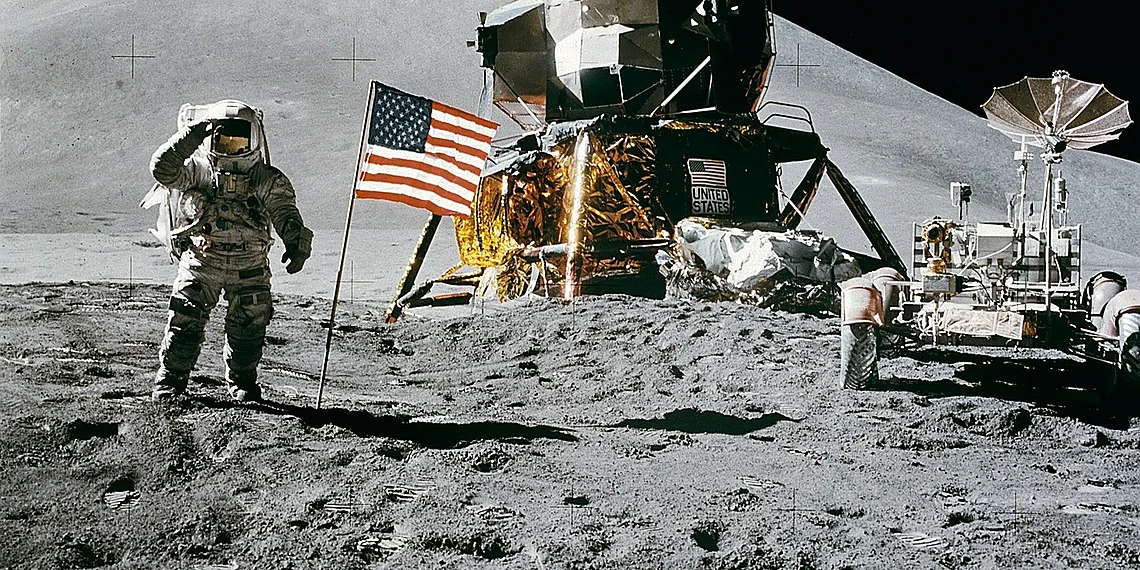

Becoming a NASA astronaut isn’t just about having a degree in engineering or science; it’s an incredibly demanding process requiring exceptional physical and psychological preparedness. The selection of the newest class of astronauts, announced on September 22nd, 2025, represents another critical step forward for humanity’s ambitious plans to return to the Moon and beyond – truly embodying the spirit of exploration that defines NASA. This announcement highlights a significant evolution in how NASA approaches space travel and underscores the importance of rigorous training. The process begins with an overwhelming number of applications – over 8,000 in this case – demonstrating the global interest in participating in these groundbreaking missions. The goal is to identify individuals who can not only excel in demanding technical roles but also thrive under pressure and contribute effectively to a diverse team operating in extreme environments. Furthermore, the training commitment is substantial, spanning nearly two years, reflecting the complexity of the challenges astronauts will face during their missions. This extensive period ensures that candidates are comprehensively prepared for every aspect of space exploration, from spacecraft operations to survival skills. NASA’s commitment to thorough astronaut selection and intensive training directly contributes to mission success; it’s a core element of their strategy. The Artemis II mission, spearheaded by Victor Glover, Reid Wiseman, Jeremy Hansen (Canadian Space Agency), and Christina Koch, represents the next significant step in this endeavor. This test flight around the Moon is crucial for validating systems and procedures before future lunar landings. The new NASA Astronaut Class are prepared to contribute significantly to these endeavors.
Understanding the Selection Criteria
The selection process for a NASA astronaut class is multi-faceted, demanding more than just academic credentials. Candidates undergo extensive psychological assessments designed to evaluate their ability to cope with isolation, stress, and the inherent risks of spaceflight. These evaluations go beyond simple personality tests; they delve into an individual’s resilience, decision-making capabilities under pressure, and teamwork skills. For example, candidates might participate in simulated missions that replicate the challenges of a lunar expedition, providing insights into their performance during critical situations. In addition to psychological assessments, rigorous physical requirements must be met – demonstrating exceptional cardiovascular fitness, strength, and endurance. This ensures that astronauts can perform demanding tasks such as spacewalks and operate complex machinery within the confines of a spacecraft. The ability to adapt to altered gravity conditions is also paramount, requiring specific training regimens to mitigate potential health risks associated with prolonged exposure to reduced gravity, a key consideration for missions beyond Earth. The competition is fierce, highlighting that only the most qualified candidates are chosen to represent NASA’s commitment to excellence.
Intensive Training Program Details
The nearly two-year training program for new astronaut candidates is incredibly demanding, covering a vast range of subjects and skills. It begins with foundational coursework in spacecraft systems, orbital mechanics, and robotics – equipping them with the necessary technical expertise to operate complex machinery. Furthermore, candidates receive extensive survival training, including wilderness survival techniques and emergency medical procedures, preparing them for potential contingencies during missions. A significant portion of the training involves underwater simulations designed to mimic the weightlessness experienced in space; these ‘neutral buoyancy’ labs allow astronauts to practice tasks such as spacewalks and equipment operation with a realistic sense of reduced gravity. Moreover, candidates participate in rigorous physical conditioning programs to maintain peak fitness levels – focusing on strength training, cardiovascular endurance, and flexibility. This commitment extends beyond technical skills; they also receive extensive training in international relations and communication protocols, preparing them for collaboration with astronauts from different countries. The training program isn’t just about acquiring knowledge; it’s about building the mental toughness and adaptability necessary to succeed in the challenging environment of space. The development of these skills is crucial for ensuring mission success, particularly during long-duration missions requiring teamwork and problem-solving abilities.
Key Participants and Artemis II Preview
The newest NASA Astronaut Class includes prominent figures such as Victor Glover (Artemis II pilot), Reid Wiseman (Artemis II commander), Jeremy Hansen (CSA mission specialist), and Christina Koch (Artemis II mission specialist). These individuals represent the pinnacle of human achievement in space exploration. The Artemis II mission, slated to launch in the coming years, marks a pivotal moment for NASA’s ambitions. This test flight will see these astronauts embark on a roughly three-week orbital journey around the Moon, validating systems and procedures before paving the way for future lunar landings. The mission’s success hinges on the rigorous training undertaken by this new class of astronauts – solidifying their position as pioneers in space exploration. The commitment to detailed planning and meticulous execution is fundamental to the entire program. The potential for groundbreaking discoveries during Artemis II underscores the significance of this undertaking, and the expertise of the NASA Astronaut Class will undoubtedly play a vital role in its success.
In conclusion, becoming a NASA astronaut demands an extraordinary combination of technical expertise, physical prowess, and psychological resilience. The selection process is intensely competitive, reflecting the immense responsibility associated with representing humanity’s exploration efforts. The extensive training program – spanning nearly two years – ensures that candidates are fully prepared for the challenges of spaceflight, contributing to mission success. The newest NASA Astronaut Class embodies this commitment, poised to play a crucial role in shaping the future of space exploration and pushing the boundaries of human knowledge.
Source: Read the original article here.
Discover more from ByteTrending
Subscribe to get the latest posts sent to your email.