
The dawn of a new Martian exploration era has arrived, marked by an extraordinary launch event that combined cutting-edge rocketry with groundbreaking scientific ambition.
United Launch Alliance’s New Glenn rocket recently soared into orbit, carrying not one, but two sophisticated spacecraft destined for the Red Planet – a truly remarkable feat of engineering and collaboration.
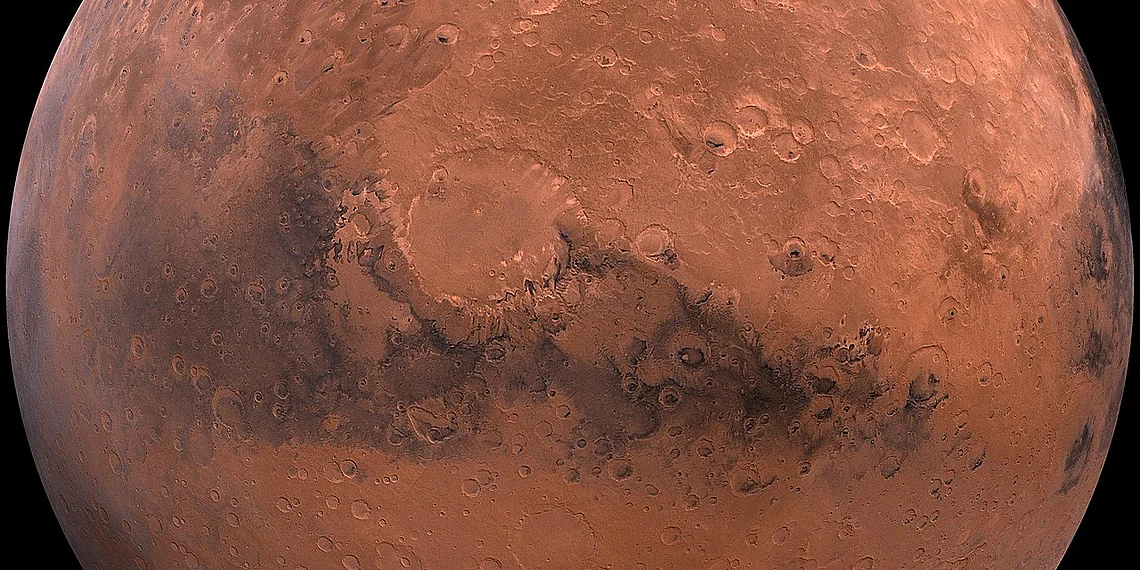
These twin Mars orbiters represent a significant leap forward in our ability to observe and understand Mars, promising unprecedented data collection capabilities that will reshape our understanding of its history and potential future.
Understanding Mars’ atmosphere is vital; it holds clues about past habitability, current climate dynamics, and even the possibility of detecting biosignatures – indicators of life – as they are subtly affected by atmospheric processes. The data these orbiters gather will be instrumental in deciphering these mysteries, allowing us to build more accurate models and refine our search for life beyond Earth. This mission’s success builds on decades of previous exploration but offers a new level of detail previously unattainable.
The New Glenn Ascent: A Rocket Reimagined
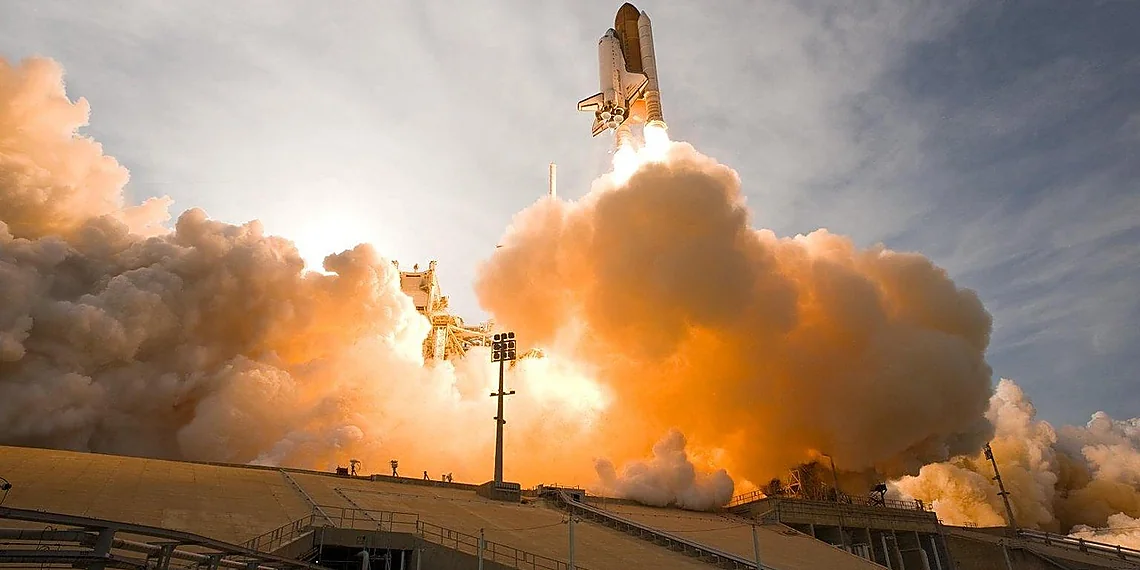
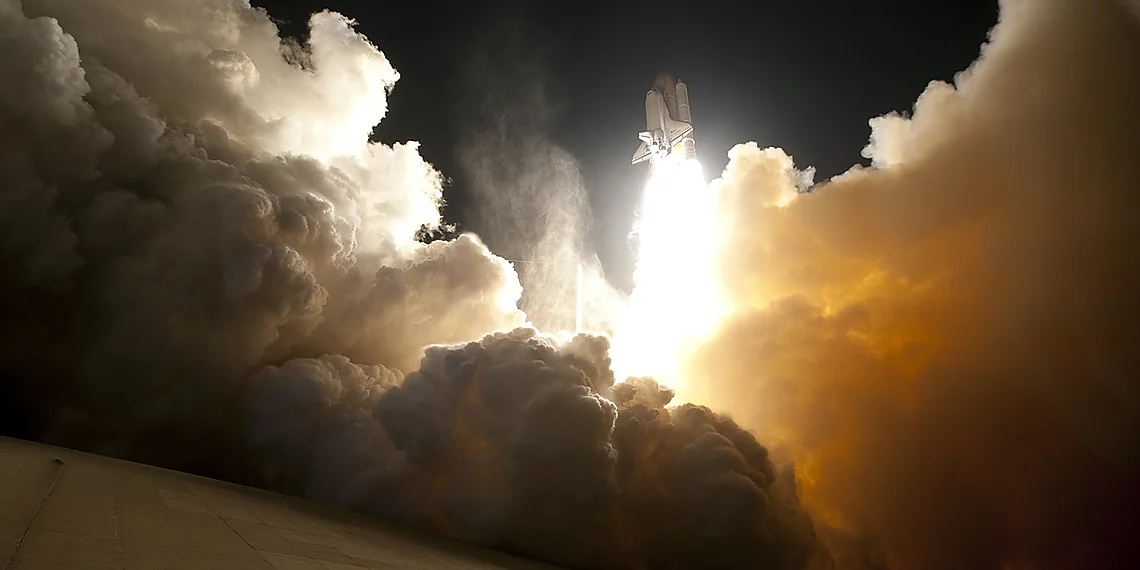
The successful launch of Blue Origin’s New Glenn rocket this week marks a significant moment in space exploration, propelling two vital NASA spacecraft – the twin Mars orbiters – on their journey to the Red Planet. While launching missions to Mars is nothing new, the vehicle used to get them there represents a considerable leap forward in rocketry and promises to reshape access to space for years to come. This mission isn’t just about studying Mars; it’s about demonstrating a new approach to how we reach it.
What truly sets New Glenn apart from previous launch vehicles, including SpaceX’s Falcon rockets which have dominated the landscape recently, is its design philosophy centered around reusability and immense payload capacity. Unlike many earlier rockets that were largely expendable, New Glenn’s first stage is designed to return to Earth for landing, dramatically reducing the cost per launch. This focus on reuse, combined with a substantial cargo bay capable of lifting significantly more mass than Falcon 9, opens up possibilities for larger and more ambitious missions – whether it’s sending heavier scientific instruments to Mars or enabling crewed deep-space exploration.
Beyond just raw power and payload, New Glenn incorporates advancements in engine technology and overall vehicle architecture. The BE-4 engines powering the first stage represent a new generation of liquid methane/liquid oxygen engines, offering increased efficiency and performance compared to older designs. This isn’t simply incremental improvement; it’s a fundamental shift that can lower development costs and increase reliability – factors crucial for long-term space exploration programs like those targeting Mars. The launch itself was meticulously planned, showcasing the precision engineering inherent in Blue Origin’s approach.
The deployment of these Mars orbiters using New Glenn underscores the importance of continued innovation in launch vehicle technology. As we look towards more complex missions to Mars and beyond, reducing costs and increasing payload capabilities will be paramount. The New Glenn ascent represents a crucial step in achieving those goals, paving the way for a new era of Martian study and potentially human exploration.
Beyond Falcon: What Makes New Glenn Unique?

Blue Origin’s New Glenn represents a significant step forward in reusable space launch systems, aiming to offer increased payload capacity and reduced launch costs compared to existing options like SpaceX’s Falcon series. The ‘Glenn’ portion refers to the rocket’s two-stage design – the first stage, named after astronaut John Glenn, is designed for full reusability through propulsive landings similar to those demonstrated by SpaceX’s Falcon 9. This capability drastically reduces per-launch expenses as stages can be refurbished and flown again.
A key differentiator of New Glenn is its substantial payload capacity. Standing at a towering 320 feet tall, it boasts the ability to lift over 45 metric tons (nearly 100,000 pounds) to low Earth orbit – significantly more than Falcon 9’s standard configuration. While Falcon Heavy offers higher LEO capacity, New Glenn’s reusability promises a lower overall cost per kilogram delivered to orbit, particularly as the technology matures and flight rates increase. This enhanced lifting capability opens doors for larger satellites, ambitious scientific missions like the dual Mars orbiters recently launched, and potentially even in-space construction projects.
The economic impact of New Glenn extends beyond just launch costs; it aims to democratize access to space. By providing a more affordable and capable launch vehicle, Blue Origin hopes to stimulate innovation across various sectors – from satellite communications and Earth observation to deep-space exploration and resource utilization. The recent successful deployment of the Mars orbiters utilizing New Glenn showcases its potential for enabling complex scientific endeavors that were previously cost-prohibitive.
Meet the Orbiters: MAVEN-Next & NOMAD
The recent launch of Blue Origin’s New Glenn rocket, carrying two pivotal NASA spacecraft, marks a significant leap forward in our understanding of Mars. These aren’t just replacements; they represent a new era of Martian study with the introduction of MAVEN-Next and NOMAD (short for Navigation and Observation Mission for Atmospheric Dynamics). Each orbiter is designed to tackle distinct aspects of the Red Planet’s complex environment, but their combined capabilities promise an unprecedented level of detail.
MAVEN-Next, as its name suggests, builds directly upon the groundwork laid by NASA’s Mars Atmosphere and Volatile Evolution (MAVEN) mission. While MAVEN provided invaluable data on how Mars lost much of its atmosphere billions of years ago, MAVEN-Next expands significantly on that legacy. It boasts upgraded instruments, including a more sensitive magnetometer to map Martian magnetic fields with greater precision, and enhanced solar wind monitors. These improvements allow for even deeper investigation into the processes driving atmospheric loss and reconstructing Mars’ climate history – essentially painting a clearer picture of how this once potentially habitable world transformed.
Complementing MAVEN-Next is NOMAD, a spacecraft focused on high-precision navigation and detailed observations of Martian atmospheric dynamics. Unlike its predecessor, NOMAD incorporates advanced radio science techniques to create extremely accurate maps of Mars’ gravitational field. These gravity maps are crucial for understanding the planet’s internal structure and evolution. Furthermore, NOMAD carries instruments designed to study wind patterns, dust storms, and trace gases in the Martian atmosphere with remarkable resolution, providing a vital context for interpreting MAVEN-Next’s findings about atmospheric escape.
The synergy between MAVEN-Next and NOMAD is key to their overall success. While MAVEN-Next probes the ‘why’ of atmospheric loss through detailed measurements, NOMAD provides the ‘where’ – revealing the intricate spatial patterns of the Martian atmosphere and gravitational field that influence those processes. This combined approach promises a holistic understanding of Mars, unlocking secrets about its past habitability and informing future missions seeking signs of life.
MAVEN-Next: Expanding on Legacy

MAVEN-Next represents a significant evolution of NASA’s existing Mars Atmosphere and Volatile Evolution (MAVEN) mission, launched in 2013. While MAVEN provided invaluable data on the current rate of Martian atmospheric escape, MAVEN-Next aims to delve deeper into the planet’s long-term climate history by extending observations over a longer timeframe and incorporating advanced instrumentation. This extended duration allows for more precise measurements of atmospheric loss rates across various solar cycles.
A key upgrade in MAVEN-Next is its inclusion of the High-Resolution Interferometric Sounder (HiRIS), which will provide unprecedented vertical profiles of Martian trace gases like water vapor and carbon dioxide throughout the atmosphere. Complementing this, an upgraded Solar Wind Ion Analyzer (SWIA) offers enhanced sensitivity for characterizing the solar wind’s interaction with Mars’ upper atmosphere – a primary driver of atmospheric loss. These instruments build upon MAVEN’s existing suite but provide significantly refined data.
Beyond simply measuring current escape rates, MAVEN-Next will utilize these new capabilities to model Martian climate changes over billions of years. By combining HiRIS observations with improved solar wind measurements and leveraging the data collected by its companion orbiter, NOMAD, scientists hope to reconstruct a more complete picture of how Mars lost much of its early atmosphere and water, transforming from a potentially habitable world into the cold, dry planet we see today.
Decoding Mars’ Atmosphere: The Science Behind the Mission
The twin Mars orbiters launched aboard Blue Origin’s New Glenn rocket aren’t just orbiting a red planet; they’re embarking on a crucial scientific mission to decode the mysteries of Mars’ atmosphere. A primary objective is to precisely measure the atmospheric composition and its ongoing changes, particularly focusing on how gases like hydrogen and oxygen are escaping into space. This ‘atmospheric escape’ isn’t just a curiosity – it’s a key process that has dramatically altered Mars’ climate over billions of years, transforming what may have once been a warmer, wetter world into the cold desert we see today.
Understanding this atmospheric loss is vital for piecing together Mars’ climatic history. By analyzing the rates and mechanisms of escape, scientists hope to refine models of past habitability – determining if liquid water existed on the surface for extended periods and whether conditions could have supported life. The orbiters will also meticulously map the distribution of trace gases like methane, a potential biosignature (though it can also be produced geologically), adding another layer to the search for evidence of past or present Martian biology.
The data gleaned from these Mars orbiters isn’t solely an academic exercise; it’s directly relevant to future human missions. Knowing precisely what the atmosphere is made of, how it behaves under different conditions (solar flares, seasonal changes), and its potential reactivity with spacecraft materials is absolutely essential for ensuring astronaut safety and mission success. Accurate atmospheric models are needed to design effective landing systems, predict dust storm behavior, and even assess the feasibility of in-situ resource utilization – extracting water or oxygen from the Martian environment.
Ultimately, unraveling the secrets of Mars’ atmosphere helps us understand planetary evolution more broadly. By studying how a planet loses its atmosphere and transitions into an uninhabitable state, we gain valuable insights that can inform our understanding of Earth’s own climate system and potentially guide efforts related to future terraforming endeavors – although significant scientific hurdles remain before such a prospect could even be considered.
Unlocking Martian Climate Secrets
The newly launched twin Mars orbiters, part of NASA’s ambitious program, represent a significant leap forward in our ability to study the Red Planet’s climate history. These spacecraft are equipped with advanced spectrometers and atmospheric sensors designed to meticulously measure trace gases like hydrogen and oxygen across different altitudes and seasons. By analyzing these measurements over extended periods, scientists aim to reconstruct how Mars’ atmosphere has evolved over billions of years – a critical factor in understanding its current thin state and potential for past habitability.
A key focus is unraveling the mechanisms behind atmospheric escape. Mars lost much of its original atmosphere, likely due to solar wind stripping and interactions with the planet’s weak magnetic field. The orbiters will gather data on how quickly these processes still occur today, allowing researchers to refine models predicting past atmospheric loss rates. Understanding this historical loss is crucial because it informs our understanding of whether Mars ever possessed a thicker, warmer atmosphere capable of supporting liquid water on its surface and potentially life.
The insights gleaned from the orbiters have profound implications for future Martian exploration and even discussions surrounding terraforming. Precise knowledge of current atmospheric composition and escape rates allows scientists to assess the feasibility – and potential challenges – of introducing gases to thicken the atmosphere in the distant future. While terraforming remains a long-term prospect, these data will provide invaluable constraints on any such future endeavors, ensuring that proposed strategies are based on sound scientific understanding rather than speculation.
Looking Ahead: The Future of Mars Exploration
The launch of these twin Mars orbiters, carried by Blue Origin’s New Glenn rocket, marks a significant leap forward not just in Martian observation but also in the broader strategy for future human and robotic exploration. These advanced spacecraft aren’t simply replacements for older missions; they represent a new generation of instruments designed to gather data with unprecedented resolution and scope, providing crucial groundwork for more ambitious endeavors. The refined orbital parameters and enhanced sensor suites will allow scientists to map Martian resources – water ice deposits, mineral compositions, and potential landing sites – with far greater precision than ever before.
Perhaps the most immediate impact lies in facilitating future Mars sample return missions. Identifying safe and accessible locations for robotic landers to collect samples is paramount, and these orbiters’ detailed mapping capabilities will drastically reduce the inherent risks of such complex operations. By characterizing potential landing zones and analyzing subsurface geology from orbit, scientists can select sites with a higher probability of yielding scientifically valuable materials. This de-risking process ultimately lowers mission costs and increases the likelihood of success for sample retrieval campaigns – bringing Martian material back to Earth for in-depth laboratory analysis.
Looking further ahead, this enhanced understanding of Mars directly supports the long-term goal of human presence on the red planet. Knowing precisely where resources like water ice are located is critical for establishing sustainable habitats and producing propellant for return journeys. The data gathered by these orbiters will inform decisions about infrastructure placement, resource utilization strategies, and overall mission architecture for crewed missions – essentially laying the foundation for a future Martian settlement. This isn’t just about finding rocks; it’s about identifying the building blocks of a self-sustaining presence.
Beyond immediate practical applications, these Mars orbiters promise to unlock new scientific discoveries. The improved observational capabilities will allow scientists to probe deeper into the planet’s geological history, search for signs of past or present microbial life (though not directly – their role is preparatory), and better understand the complex processes that shaped Mars’ climate and environment. This continuous stream of data, combined with findings from ongoing surface missions, paints a more complete picture of our planetary neighbor and its place in the solar system.
The deployment of these twin spacecraft marks a pivotal moment in Martian exploration, promising an unprecedented level of detail and synchronized data collection that will revolutionize our understanding of the planet’s geology, atmosphere, and potential for past or present life.
We’ve seen how meticulously planned operations involving multiple instruments, combined with advanced orbital mechanics, are yielding incredible insights faster than ever before – truly a testament to human ingenuity and international collaboration.
The synergy created by these twin spacecraft significantly reduces uncertainties in data interpretation and allows for more robust scientific conclusions; the ability of Mars orbiters to observe the same regions simultaneously is invaluable.
Looking ahead, this mission serves as a crucial stepping stone toward even bolder endeavors, like sample return missions and eventually, human presence on Mars, building upon the foundational knowledge we’re gaining now. The lessons learned from these sophisticated orbital platforms will undoubtedly inform future designs for interplanetary probes and habitats alike. The data they provide is already shaping our plans for subsequent robotic explorers and laying groundwork for potential manned missions to other celestial bodies as well. This represents a golden age of discovery, fueled by technological innovation and a relentless desire to explore the cosmos. Don’t miss out on the next chapter – follow ByteTrending to stay ahead of the curve in space exploration and technological advancements.
Continue reading on ByteTrending:
Discover more tech insights on ByteTrending ByteTrending.
Discover more from ByteTrending
Subscribe to get the latest posts sent to your email.