
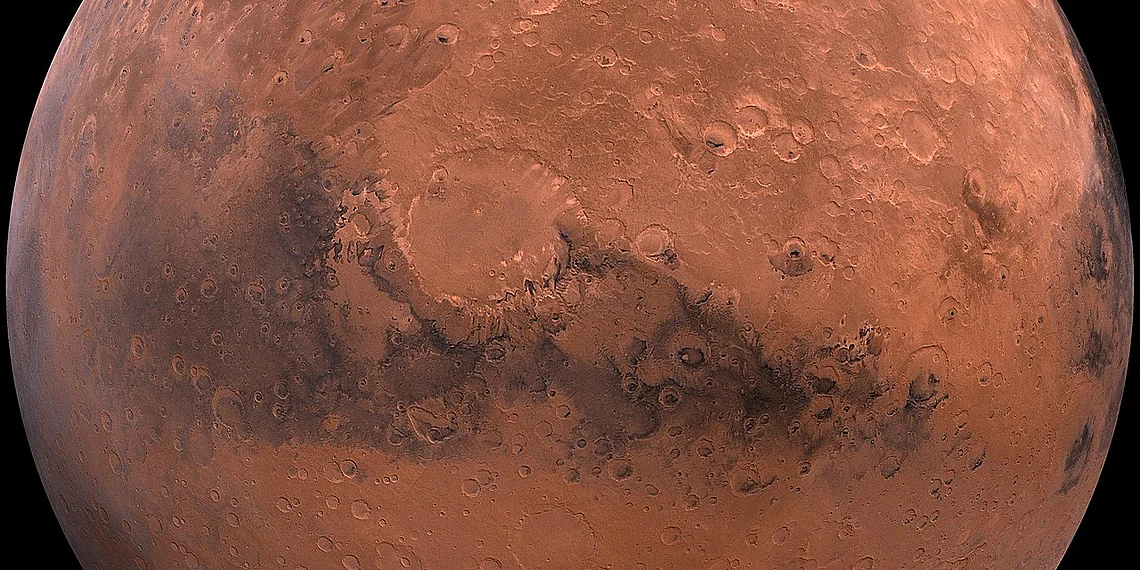
For decades, humanity has gazed at Mars with a mix of curiosity and ambition, dreaming of footprints on its rusty surface. While robotic rovers have diligently mapped landscapes and analyzed rocks, the next chapter in Martian exploration is poised to be dramatically different: it’s about seeking answers to one of the universe’s most profound questions – are we alone? NASA’s leadership has recently underscored a pivotal shift in strategy, firmly establishing the search for past or present life as the central scientific objective driving future human missions to the Red Planet.
This isn’t simply about planting flags and collecting pretty pictures; it represents a fundamental realignment of priorities. The agency is now explicitly framing human Mars missions around robust biosignature detection capabilities, prioritizing locations with high potential for harboring evidence of past microbial life or even extant organisms. This commitment signifies a recognition that the true value of sending humans to Mars lies not just in exploration, but in our unparalleled ability to investigate complex geological formations and conduct sophisticated analyses – all vital components of a comprehensive Mars life search.
The implications are far-reaching, impacting everything from mission design and technology development to astronaut training and international collaboration. Resources previously allocated towards purely geological or atmospheric studies will now be increasingly directed toward developing advanced instruments and protocols specifically designed for detecting traces of biological activity. This bold move underscores NASA’s dedication to unraveling the mysteries held within Mars’ ancient history and potentially rewriting our understanding of life in the cosmos.
The New Scientific Roadmap
NASA’s recent report, ‘Life Detection on Mars: Priorities for Future Missions,’ isn’t just a list of suggestions; it represents a significant recalibration in how we approach exploring the Red Planet. For years, Martian exploration has been driven by broad goals – understanding its geology, climate history, and potential habitability for future human settlements. While these remain important, this new roadmap elevates the direct search for past or present life to the absolute top priority for any crewed landing mission. This shift signifies a growing confidence in our ability to detect biosignatures and a recognition that uncovering evidence of life, even microbial, would fundamentally alter humanity’s understanding of its place in the universe.
The driving force behind this change isn’t simply technological advancement, although improvements in instrumentation certainly play a role. It’s also a maturation of our scientific understanding. We now possess more sophisticated models suggesting that Mars may have been habitable for extended periods in its past, and potentially still harbors subsurface environments where life could exist. Furthermore, the Perseverance rover’s findings, particularly the detection of organic molecules (though not definitive proof of life), have reinforced the possibility that biosignatures might be preserved on the Martian surface or within accessible rock formations. This renewed optimism warrants a focused strategy.
The report outlines four potential exploration campaigns, but the highest-ranked scenario involves a 330-sol mission – roughly one Martian year – dedicated to intensive investigation at a single, strategically chosen site. This contrasts with previous missions that often involved broad surveys and limited in-depth analysis. The focus on a fixed location allows for more detailed sample collection, laboratory analyses, and the deployment of advanced life detection technologies. This prioritization necessitates a reevaluation of mission architecture and resource allocation, ensuring that instruments and expertise are geared towards identifying potential biosignatures rather than solely focusing on geological mapping or environmental monitoring.
Ultimately, this ‘life-centric’ approach doesn’t negate other valuable scientific objectives; it simply places them in context. Understanding water cycles, assessing astronaut health risks, and characterizing the Martian environment remain crucial for long-term sustainability. However, the discovery of life would overshadow all other findings, reshaping our understanding of planetary science and potentially revolutionizing fields from biology to philosophy. This new roadmap reflects a bold commitment to answering one of humanity’s most profound questions: are we alone?
Beyond Geology: A Life-Centric Approach
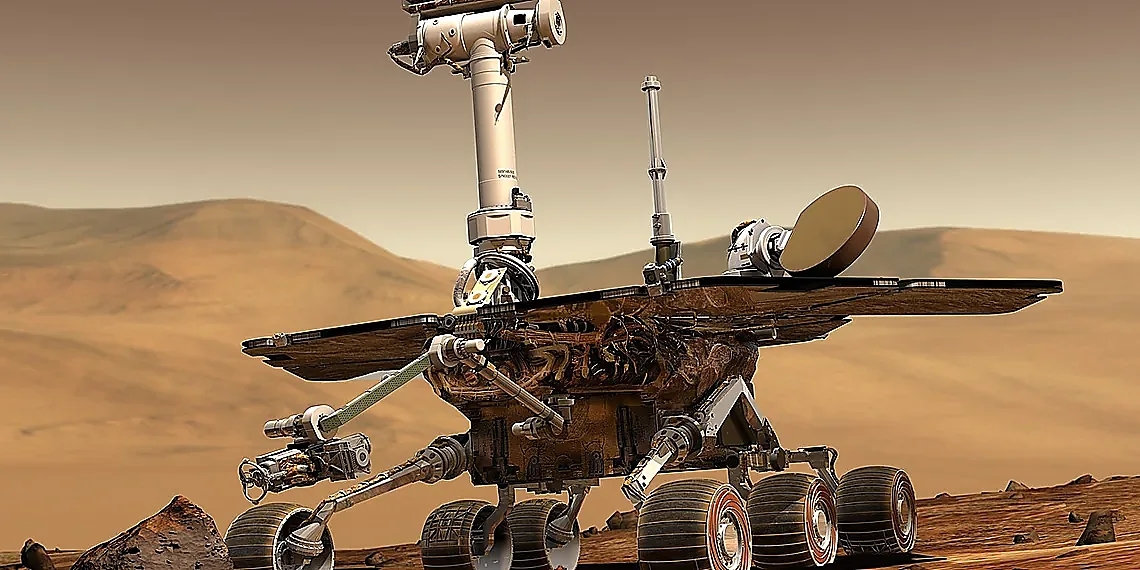
For decades, Martian exploration has largely focused on geological surveys, atmospheric analysis, and understanding the planet’s history through environmental studies. While these remain valuable pursuits, a recent NASA report formally elevates the search for past or present life – often termed ‘biosignatures’ – to the highest scientific priority for future human missions. This represents a significant shift in mission objectives, indicating that identifying potential signs of Martian life now outweighs other traditionally prioritized goals such as detailed geological mapping or assessing long-term astronaut health impacts within the Martian environment.
Several factors are driving this change in focus. Advancements in technology, particularly in sensitive detection instruments and robotic sample analysis capabilities, have made the possibility of finding definitive biosignatures increasingly realistic. Furthermore, recent discoveries by rovers like Perseverance suggesting past habitable environments – including evidence of ancient lakes and rivers – have bolstered the scientific rationale for a life-centric approach. The report explicitly acknowledges that while understanding Martian geology and environment is crucial context, these studies now serve primarily to inform and support the overarching goal of identifying potential biosignatures.
The prioritization isn’t about abandoning other research areas entirely; rather, it signifies a strategic rebalancing. Future Mars missions will still gather geological data and monitor environmental conditions, but this information will be viewed through the lens of its relevance to assessing habitability and searching for evidence of life. The report’s proposed 330-sol mission at a scientifically rich site underscores this new focus, allowing for intensive, targeted investigation with advanced instrumentation designed specifically to detect subtle traces of past or present biological activity.
The Ideal Mission Profile
The proposed mission profile prioritizes maximizing the chances of detecting evidence of past or present life on Mars, and it does so through an extended surface campaign. The top-ranked approach envisions a total duration of 330 sols (Martian days) spent at a single, carefully selected location. A sol is roughly equivalent to 24.6 Earth hours, highlighting the need for robust power systems and operational planning given the Martian day’s length. This extended stay contrasts sharply with shorter missions that only allow for cursory observations; it allows scientists to observe seasonal changes, track subtle variations in the environment, and conduct more comprehensive analyses of geological samples.
The selection of a prime location is absolutely critical to the mission’s success. Ideal sites would exhibit characteristics suggesting past habitability – evidence of ancient water activity (like dried riverbeds or sedimentary deposits), hydrothermal systems (potentially harboring microbial life), or areas with unique mineralogy indicative of specific chemical conditions conducive to life. Think, for example, locations near ancient lakebeds within impact craters or regions displaying layered rock formations that could preserve biosignatures over long timescales. Detailed orbital reconnaissance data will be instrumental in identifying these high-potential targets before the landing.
Beyond simply choosing a promising site, the 330 sols allows for iterative investigation. Scientists can begin with broad surveys to identify areas of interest, then focus on more detailed studies using advanced instruments like Raman spectrometers (to analyze molecular composition) and drills capable of accessing subsurface layers protected from harsh surface radiation. This phased approach enables adaptation – if initial findings suggest a specific area is particularly promising, the mission’s timeline can be adjusted to maximize data collection there. The prolonged presence also allows for repeat observations of the same location under different environmental conditions, which is vital in differentiating between biological signals and abiotic (non-biological) processes.
Furthermore, the extended duration facilitates more sophisticated experimentation than shorter missions permit. This includes deploying a suite of sensors to monitor atmospheric changes, subsurface temperatures, and potential fluctuations in methane concentrations – all indicators that could point towards biological activity. The ability to analyze samples *in situ* (on Mars itself), rather than relying solely on return samples which introduce complexities and risks, is another key advantage afforded by this longer mission profile, significantly boosting the potential for groundbreaking discoveries in the Mars life search.
330 Sols at a Prime Location
The proposed Mars exploration campaign prioritizes a prolonged stay at a single location, with an ambitious target of 330 sols – Martian days. A sol is slightly longer than an Earth day, lasting approximately 24 hours and 39 minutes. This extended duration allows for comprehensive investigation, enabling scientists to observe seasonal changes, monitor potential geological activity, and thoroughly analyze the local environment for signs of past or present life. Unlike shorter missions that must rapidly cover large areas, a 330-sol stay provides an unparalleled opportunity for detailed analysis and repeated measurements.
The choice of location is paramount to maximizing the chances of detecting biosignatures. Ideal sites would exhibit geological features suggestive of past water activity, such as ancient lakebeds or hydrothermal vents. These environments are considered prime candidates for harboring microbial life, either extant or fossilized. Other desirable characteristics include layered sedimentary rocks which could preserve evidence of past conditions and access to subsurface ice deposits, a potential source of liquid water and nutrients. The report emphasizes the need for accessible terrain suitable for both robotic exploration and eventual human presence.
Furthermore, the extended stay allows for advanced analytical techniques that require time and repeated sampling. For example, instruments capable of detecting minute traces of organic molecules or isotopic anomalies – potential indicators of biological processes – would benefit significantly from the ability to analyze multiple samples over an extended period. This contrasts with flyby missions which only offer fleeting opportunities for observation and limited data collection.
Potential Habitats & Detection Methods
The quest for past or present life on Mars isn’t just about scanning the reddish plains; it’s about targeting specific environments with the highest potential to harbor microbial ecosystems. While the harsh surface conditions – intense radiation, extreme temperatures, and lack of liquid water – make survival challenging, scientists believe certain niches could offer refuge. One particularly compelling possibility lies beneath the Martian surface. A thick layer of regolith (loose rock and dust) provides a shield against damaging solar and cosmic radiation, potentially creating stable environments where life might have persisted even as conditions on the surface deteriorated billions of years ago.
Subsurface sanctuaries are therefore a critical focus for Mars life search missions. Evidence suggests past volcanic activity has created underground lava tubes and caves – natural shelters that could retain water ice or even liquid brines. These locations would offer protection from radiation and temperature extremes, potentially providing habitats for chemolithoautotrophs – microbes that obtain energy from chemical reactions rather than sunlight. Future rover and lander missions are increasingly designed with subsurface exploration capabilities in mind, including drills capable of reaching depths of several meters to collect samples for analysis.
The detection methods being developed to find these potential subterranean ecosystems are equally sophisticated. While surface-based instruments like spectrometers can analyze the chemical composition of rocks, identifying biosignatures (indicators of past or present life) requires more targeted approaches. Mass spectrometers, capable of precisely measuring the mass of molecules, will be crucial for detecting organic compounds – the building blocks of life. Furthermore, researchers are developing advanced techniques to identify isotopic anomalies – subtle shifts in the ratios of different isotopes within a sample that can signal biological activity. Raman spectroscopy and other vibrational spectroscopic methods are also being refined to detect specific biomolecules without destroying the sample.
Beyond subsurface exploration, scientists are also considering environments like ancient lakebeds or hydrothermal vents (if they existed) as potential habitats. These locations could have once provided more hospitable conditions for life to emerge. The Perseverance rover’s ongoing investigation of Jezero Crater, a former lakebed, exemplifies this approach. By combining robotic exploration with increasingly sensitive detection technologies and focusing on these promising environments, the Mars life search is poised to enter an exciting new era.
Subsurface Sanctuaries?
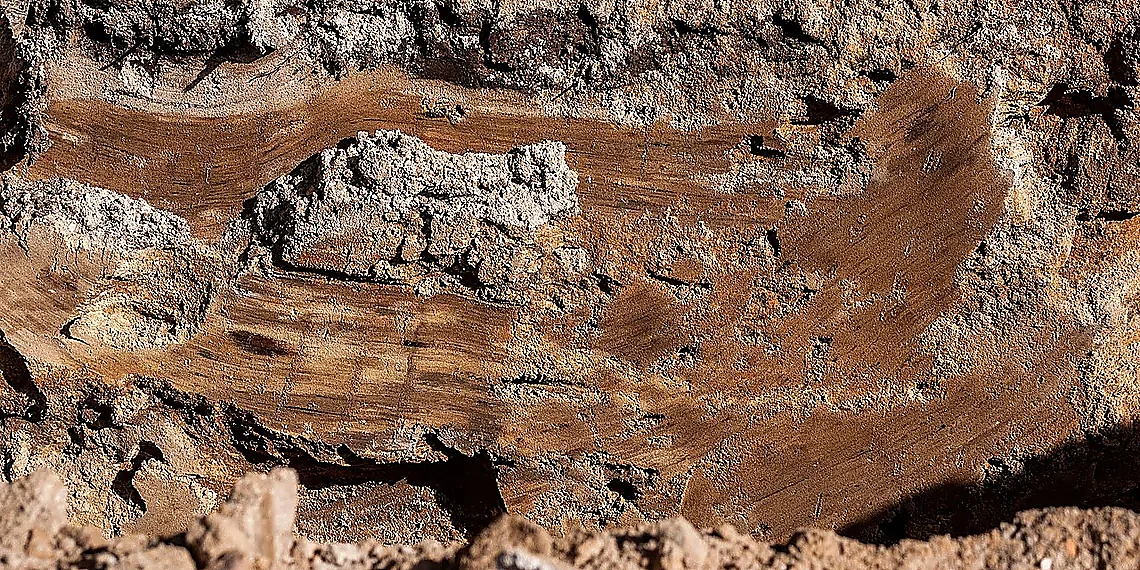
The harsh surface conditions of Mars – intense radiation, extreme temperature fluctuations, and a thin atmosphere – make it challenging for life as we know it to thrive. However, scientists increasingly believe that microbial life might persist in subsurface environments, shielded from these detrimental factors. Beneath the Martian regolith (loose rock and dust), temperatures remain more stable, and protection from cosmic and solar radiation is significantly enhanced. This creates potentially habitable niches where liquid water could exist, either as brines or within hydrated minerals.
Evidence suggests that Mars once had a much wetter climate, with lakes and rivers flowing on its surface billions of years ago. While most of this surface water has since disappeared, it’s plausible that subsurface aquifers or pockets of groundwater still remain. These subterranean reservoirs could harbor microbial ecosystems sustained by chemical energy sources – similar to extremophiles found in deep Earth environments. The presence of methane, a potential biosignature, detected sporadically in the Martian atmosphere further fuels speculation about subsurface biological activity.
Consequently, subsurface exploration has become an integral part of NASA’s Mars mission strategy. Future missions are actively considering techniques for accessing and analyzing material from below the surface, such as deep drilling capabilities and advanced ground-penetrating radar to identify potential water ice or brines. These efforts represent a critical shift in our approach to the Mars life search, moving beyond surface investigations towards more protected and potentially habitable zones.
Implications & The Bigger Picture
The implications of either confirming or denying the existence of life on Mars extend far beyond the realm of planetary science. A positive discovery – evidence of past or present Martian organisms, however simple – would fundamentally reshape our understanding of biology itself. It would suggest that life isn’t unique to Earth, dramatically increasing the probability of its prevalence throughout the cosmos and suggesting that the conditions for abiogenesis (the origin of life) are potentially far more common than we currently believe. This would necessitate a complete re-evaluation of current biological models, forcing us to consider alternative biochemistries and evolutionary pathways, fundamentally expanding our definition of what ‘life’ actually means.
Philosophically, finding life on Mars would challenge humanity’s long-held anthropocentric view – the belief that humans are at the center of existence. It would force a profound introspection about our place in the universe, potentially fostering a greater sense of humility and interconnectedness with other forms of life. The societal impact could be immense, influencing everything from religious beliefs to artistic expression. Conversely, a prolonged failure to detect any signs of Martian life, despite increasingly sophisticated searches, wouldn’t necessarily negate the possibility of extraterrestrial existence; it would simply suggest that the conditions necessary for life, or its preservation, are even more stringent and rare than we currently estimate.
Even a negative result carries significant weight. It allows us to refine our models of planetary habitability, narrowing down the parameters required for life to emerge and persist. This information is crucial not only for future Mars missions but also for evaluating the potential for life on other exoplanets – planets orbiting distant stars. Understanding why Mars may be barren informs our search elsewhere, helping us prioritize targets and develop more precise detection strategies. The absence of life doesn’t diminish the scientific value; it provides invaluable data points in the ongoing quest to understand the universe and our place within it.
Ultimately, the Mars life search isn’t just about finding microbes on another planet; it’s a profound exploration of fundamental questions – are we alone? What is the nature of life itself? And what does it mean to be human in a vast and potentially teeming cosmos? The answers, whether they arrive as triumphant confirmation or sobering disappointment, will irrevocably alter our understanding of ourselves and the universe we inhabit.
Are We Alone?
The discovery of extraterrestrial life, even microbial, would fundamentally reshape our understanding of biology. Currently, all known life is based on carbon and water – a bias that could be an artifact of our limited experience. Finding life elsewhere, particularly if it utilizes different biochemical pathways or genetic structures, would suggest that the conditions for life’s emergence are far more common than previously thought, broadening the potential scope of habitable zones throughout the universe.
Beyond biology, confirming Martian life would have profound cosmological implications. It would strongly support the hypothesis of abiogenesis occurring independently multiple times, challenging prevailing theories about the rarity or unique nature of Earth’s origins. Such a discovery would also invigorate the search for biosignatures on other celestial bodies – Europa, Enceladus, and exoplanets – dramatically increasing the likelihood that we are not alone in the cosmos.
Conversely, a sustained negative result from exhaustive Mars life searches wouldn’t necessarily negate the possibility of life elsewhere. It would simply refine our understanding of what conditions are *required* for life to arise, potentially narrowing down search parameters and highlighting specific planetary environments where future investigations should focus. The absence of evidence is not evidence of absence; it’s a data point that helps us better define ‘life’ itself and the universe’s potential for harboring it.
The unwavering commitment NASA demonstrates towards unraveling Martian mysteries isn’t just about rocks and landscapes; it represents a fundamental quest to answer one of humanity’s oldest questions: are we alone? This intense focus on Mars life search signifies more than technological advancement, it embodies our inherent drive to explore the unknown and understand our place within the cosmos. The prospect of discovering even microbial evidence of past or present life would irrevocably alter scientific paradigms and philosophical perspectives alike, forcing us to redefine what constitutes ‘life’ itself and where we might find it beyond Earth. We stand at a pivotal moment in history, poised on the precipice of potentially groundbreaking discoveries that could reshape our understanding of existence. The ongoing missions, innovative technologies, and dedicated teams involved are laying the groundwork for an era of unprecedented Martian exploration. To truly appreciate the magnitude of this endeavor, staying informed about future findings and analyses is essential; it’s a journey we’re all invited to witness. We urge you to actively follow NASA’s updates, engage with scientific discussions, and contemplate what such a monumental discovery would mean for our world and beyond – the implications are truly profound and worthy of our consideration.
Consider the ripple effect that confirmation of life on Mars would have across disciplines, from biology and geology to ethics and philosophy. It’s an exciting time to be alive as we witness such a concentrated effort towards expanding our knowledge of the universe and our potential neighbors within it. Let’s not just passively observe; let’s actively engage with this incredible journey of discovery. Keep your eyes on NASA’s official channels, reputable science news outlets, and educational platforms to stay abreast of the latest developments in Mars exploration and the ongoing Mars life search. The future is unfolding before us, filled with possibilities that demand our attention and inspire our curiosity.
Continue reading on ByteTrending:
Discover more tech insights on ByteTrending ByteTrending.
Discover more from ByteTrending
Subscribe to get the latest posts sent to your email.