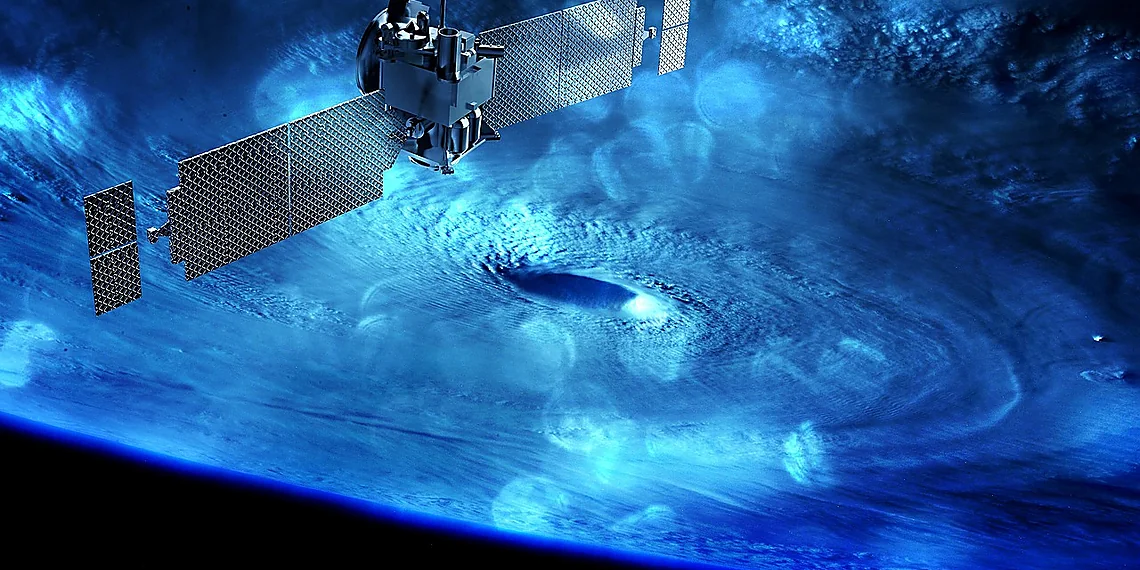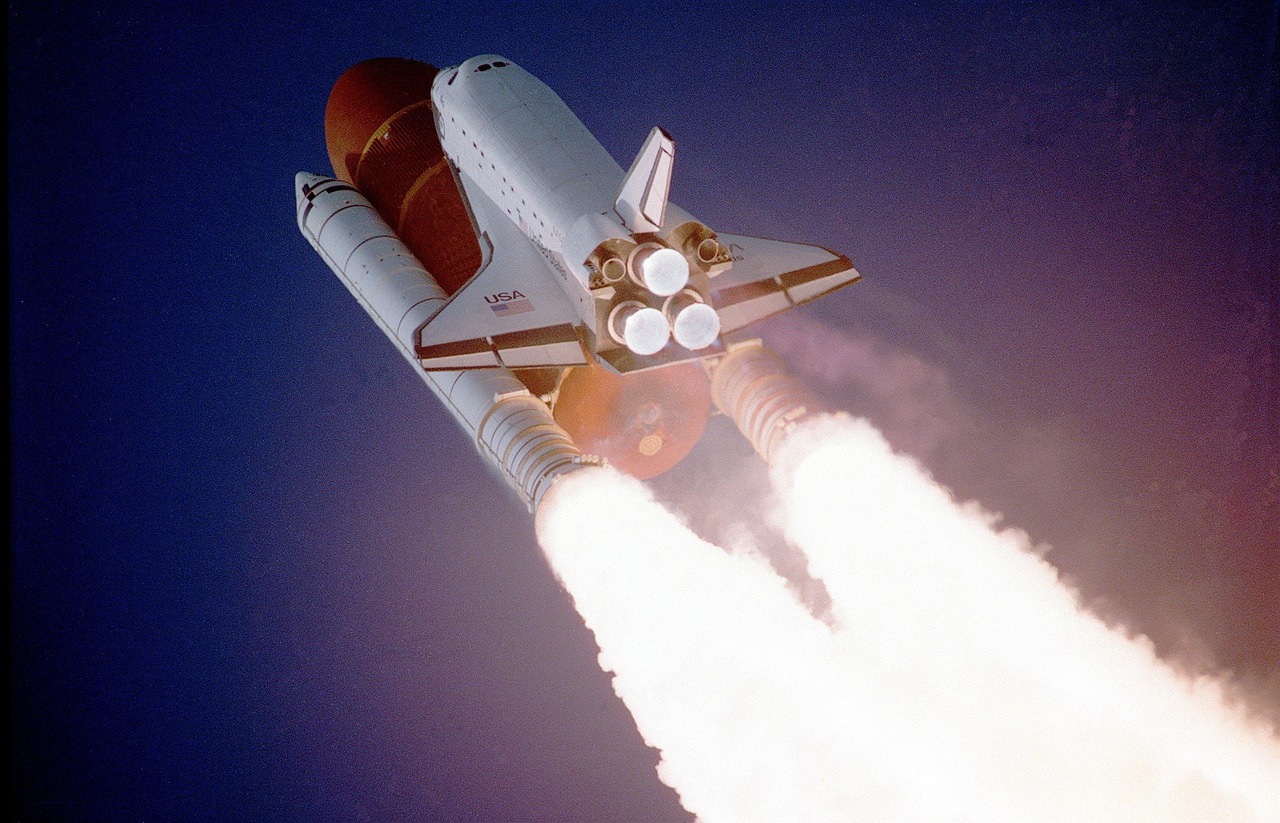

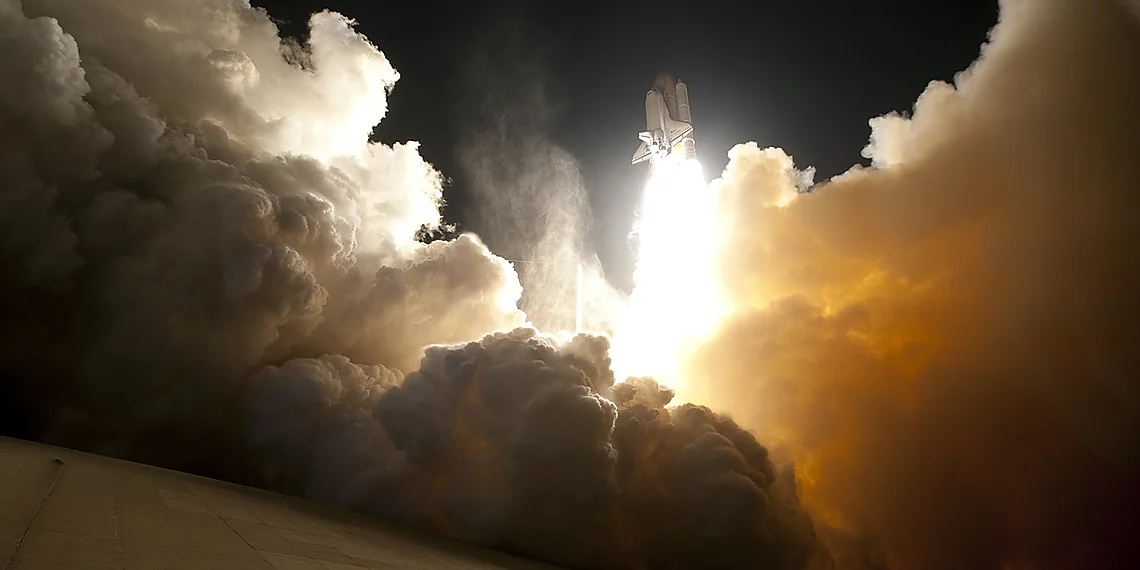
The ability to accurately forecast space weather events – those sudden bursts of energy from the sun that can disrupt communications satellites, power grids, and even airline navigation systems – is becoming increasingly crucial in our technologically dependent world. This mission to improve space weather forecasts represents a significant step forward. Media accreditation is open for the launch of three observatories studying the Sun and enhancing the ability to make accurate space weather forecasts, helping protect technology systems that affect life on Earth. NASA is targeting no earlier than Tuesday, Sept. 23rd, for the launch of the agency’s IMAP (Interstellar Mapping and Acceleration Probe), the Carruthers Geocorona Observatory, and National Oceanic and Atmospheric Administration’s (NOAA) Space Weather Follow On–Lagrange 1 (SWFO-L1) observatory. The observatories will launch aboard a SpaceX Falcon 9 rocket from Launch Complex 39A at NASA’s Kennedy Space Center in Florida. Accredited media will have the opportunity to participate in prelaunch briefings and interviews with key mission personnel prior to launch, as well as cover the launch. NASA will communicate additional details regarding the media event schedule as the launch date approaches. However, understanding the impacts of space weather requires a deeper dive into its complexities.
Key Details & Accreditation
This isn’t just one launch; it’s a coordinated effort to bolster our understanding of the Sun and its impact on Earth. The IMAP mission, for instance, is designed to chart the vast reaches of the heliosphere – the bubble of space created by the sun’s constant outflow of charged particles. Simultaneously, the Carruthers Geocorona Observatory will provide unprecedented data on the emission lines of various elements in the solar atmosphere, offering a detailed picture of its composition and dynamics. Finally, NOAA’s SWFO-L1 observatory will be crucial for monitoring and predicting space weather events – those sudden bursts of energy from the sun that can disrupt communications satellites, power grids, and even airline navigation systems. Furthermore, NASA is prioritizing media access to ensure comprehensive coverage. The launch is tentatively scheduled for Tuesday, Sept. 23rd, but this remains subject to change. Media accreditation is essential to attend pre-launch briefings and witness the historic event firsthand. The deadlines for submitting applications are strictly enforced: international media has until Sunday, Aug. 31st, while U.S. media has until Thursday, Sept. 4th. All applications must be submitted through NASA’s dedicated portal at https://media.ksc.nasa.gov. In addition, the Carruthers Geocorona Observatory will provide unprecedented data on the emission lines of various elements in the solar atmosphere, offering a detailed picture of its composition and dynamics. This allows for a much more complete understanding of solar activity.
Why Space Weather Matters
Understanding space weather isn’t just about scientific curiosity; it’s about protecting critical infrastructure and technology. Solar flares and coronal mass ejections can generate intense radiation that damages satellites, disrupts radio communications, and even poses a risk to astronauts. Accurate forecasting allows us to take preventative measures – like temporarily shutting down vulnerable systems – mitigating the potential for significant disruption. For example, a major space weather event could cripple global communication networks, leading to widespread economic and social consequences. Therefore, investing in enhanced forecasting capabilities is a vital step in safeguarding our technological society. Moreover, this mission directly contributes to developing more robust safeguards against these unpredictable events. Consequently, the data collected will be invaluable for future predictions and mitigation strategies.
Categories: PC, Tech, Review, Science, Curiosity

Tags: Space Weather, NASA, IMAP, Launch, Observatories
Source: Read the original article here.
Discover more tech insights on ByteTrending.
Discover more from ByteTrending
Subscribe to get the latest posts sent to your email.