

Space Weather Forecast: Alerts, Impacts & Predictions
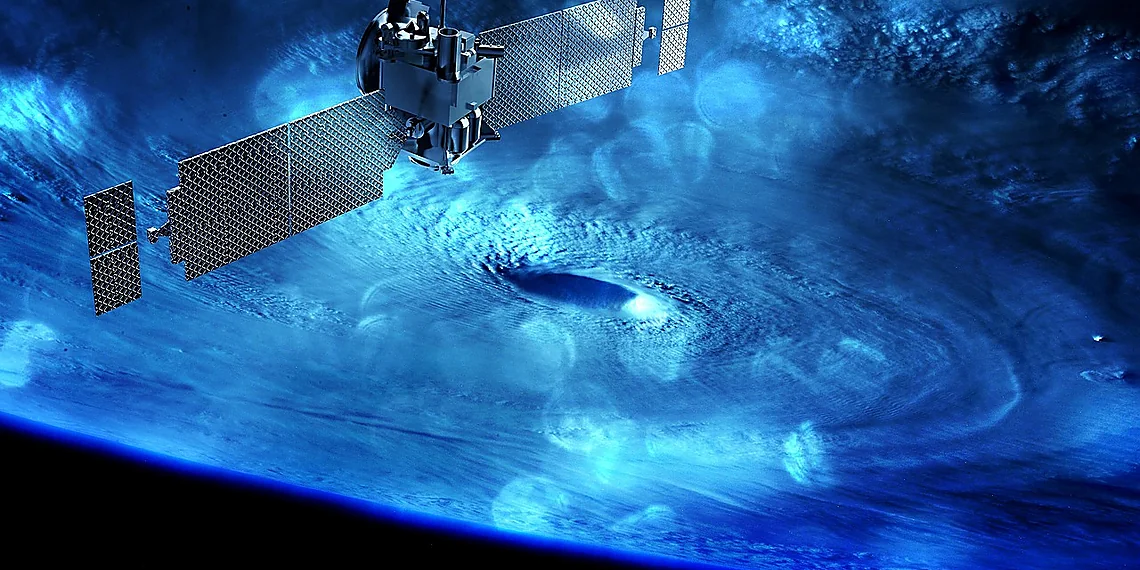
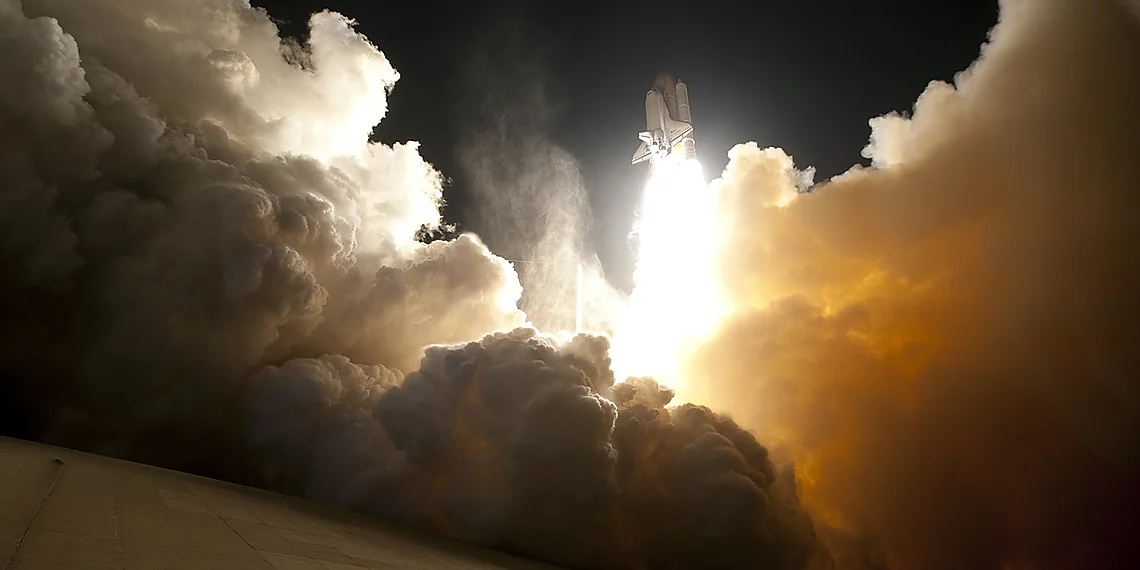
The Sun’s influence on our solar system – known as space weather – can have significant impacts on satellites, communications systems, and even human health. NASA is launching two new missions, IMAP and the Carruthers Geocorona Observatory, to map the heliosphere and Earth’s exosphere, respectively, providing critical data on space weather. Understanding and predicting these events is crucial for protecting our technological infrastructure and ensuring the safety of astronauts in deep space. The IMAP mission, short for Interstellar Mapping and Acceleration Probe, will play a pivotal role in this endeavor by meticulously charting the boundaries of the heliosphere – that protective bubble created by the solar wind which shields our solar system from cosmic radiation. Simultaneously, the Carruthers Geocorona Observatory will focus on observing Earth’s exosphere, providing a unique perspective on how space weather affects our planet. The ability to accurately forecast and respond to these events is paramount; the continued development of these missions represents an essential step forward. The NASA’s website offers live streams and updates.
Mapping the Heliosphere with IMAP
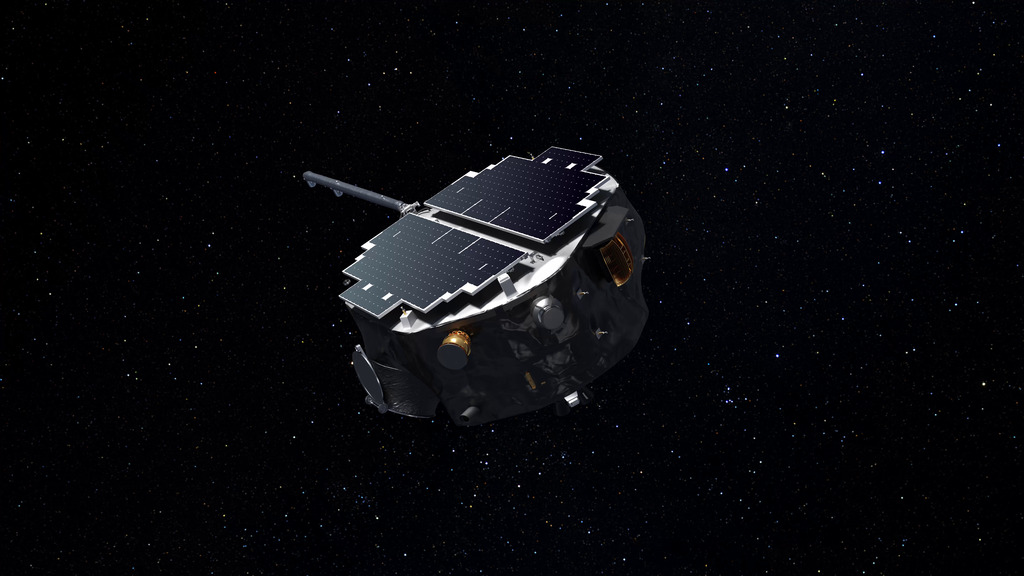
The IMAP mission is a pioneering endeavor focused on charting the vast heliosphere – that protective bubble created by the Sun’s solar wind. This mission will meticulously map the boundaries of this region, exploring how it interacts with interstellar space and tracking energetic particles that pose a threat to spacecraft. IMAP’s capabilities extend beyond simple mapping; it will also provide near real-time observations of the solar wind, crucial for understanding and mitigating space weather impacts on NASA’s missions, including future operations at the Moon under the Artemis campaign. This detailed data will revolutionize our ability to predict and respond to potentially hazardous conditions in deep space. The IMAP mission is a key component of NASA’s efforts to safeguard critical infrastructure against solar storms. The use of IMAP represents an important advancement in our ability to monitor and understand the dynamic nature of space weather.
Unveiling Earth’s Exosphere: The Carruthers Geocorona Observatory
The Carruthers Geocorona Observatory takes a unique approach, focusing on the ultraviolet glow of Earth’s exosphere – our planet’s outermost atmospheric layer. By studying this “geocorona,” scientists can gain valuable insights into how space weather from the Sun shapes the exosphere and ultimately impacts our own environment. Interestingly, the initial observation of the geocorona was captured during the Apollo 16 mission by a telescope designed and built by George Carruthers – a testament to decades of innovation in space exploration. This legacy continues with the new observatory’s contributions to our understanding. The Carruthers Geocorona Observatory represents an exciting advancement for studying this relatively understudied region of space. The collection of data from the Carruthers Geocorona Observatory will allow researchers to better understand the complex interactions between the solar wind and Earth’s atmosphere. Further research into the exosphere is vital for a comprehensive understanding of space weather.
Mission Details & Participation
NASA will hold a media teleconference on Thursday, Sept. 4th at 12 p.m. EDT featuring Nicky Fox, Teresa Nieves-Chinchilla, David McComas, and Lara Waldrop. These experts will discuss the mission’s objectives, scientific goals, and potential impact. Audio of the live stream will be available on NASA’s website. RSVP: Media outlets are invited to participate. Please RSVP by 11 a.m. on Sept. 4th to Sarah Frazier at sarah.frazier@nasa.gov. Key Contacts: The teleconference participants include Nicky Fox, Teresa Nieves-Chinchilla, David J. McComas, and Lara Waldrop.
Summary: NASA is launching two new missions, IMAP and the Carruthers Geocorona Observatory, to map the heliosphere and Earth’s exosphere, respectively, providing critical data on space weather.
Source: Read the original article here.
Discover more from ByteTrending
Subscribe to get the latest posts sent to your email.