ByteTrending
  • Home
    • About ByteTrending
    • Contact us
    • Privacy Policy
    • Terms of Service
  • Tech
  • Science
  • Review
  • Popular
  • Curiosity
Donate
No Result
View All Result
ByteTrending
No Result
View All Result
Home Science
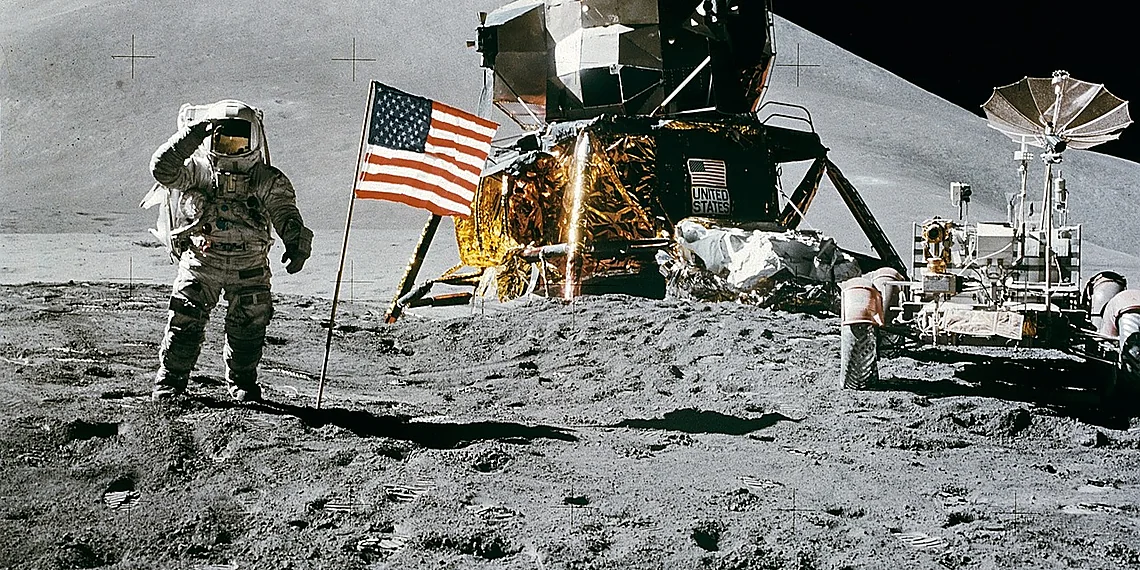
Related image for Artemis II

Artemis II Mission: What to Know Now

ByteTrending by ByteTrending
August 31, 2025
in Science, Tech
Reading Time: 2 mins read
0
Share on FacebookShare on ThreadsShare on BlueskyShare on Twitter

Related Post

Related image for lunar spacecraft testing

Lunar Spacecraft Testing at JPL

December 21, 2025
Related image for SpaceX Launches

SpaceX’s Launch Blitz: A Week of Space Coast Activity

December 18, 2025

Mars Life Search: NASA’s Top Priority

December 17, 2025

Spacesuit Survival: An Astronaut’s Journey

December 15, 2025

NASA’s Artemis II mission, set to send four astronauts on a nearly 10-day journey around the Moon and back, represents a pivotal moment in human space exploration. This ambitious undertaking will advance the agency’s overarching goal of establishing a sustainable human presence on the Moon and beyond, ultimately paving the way for future crewed missions to Mars. Furthermore, Artemis II is not simply a test flight; it’s a carefully orchestrated science mission designed to gather invaluable data that will directly inform subsequent lunar operations. The Artemis II crew will be the first humans to test NASA’s Orion spacecraft in space, a crucial step in ensuring the safety and reliability of future deep space missions. This mission will also conduct significant science investigations, providing critical data for understanding the lunar environment and supporting long-term exploration efforts. The Artemis II program is a cornerstone in NASA’s renewed commitment to lunar science.

The mission will utilize Orion’s flyby trajectory to conduct several key science investigations, offering researchers unparalleled opportunities for observation and data collection. These include measuring the composition and behavior of lunar dust as it interacts with the spacecraft’s systems – understanding this environment is crucial for developing effective mitigation strategies for future missions that will involve extended surface operations. Additionally, scientists will analyze the solar wind, a stream of charged particles emitted by the Sun, to gain insights into its properties and how it affects the Moon’s atmosphere (exosphere). Finally, electromagnetic field monitoring will provide valuable data for studying their origin and potential impact on spacecraft operations. The strategic use of Orion’s trajectory allows for maximized scientific return, solidifying the importance of the Artemis II mission as a foundational element for future lunar exploration. The data collected will be instrumental in refining models of the lunar environment and improving navigation algorithms.

Key Science Investigations

During its Artemis II flight path, the Orion spacecraft is designed to perform several critical science investigations. These include:

  • Lunar Dust Environment: Measuring the composition and behavior of lunar dust as it interacts with the spacecraft’s systems. Understanding this environment is crucial for developing effective mitigation strategies for future missions that will involve extended surface operations.
  • Solar Wind Composition: Analyzing the solar wind – a stream of charged particles emitted by the Sun – to gain insights into its properties and how it affects the Moon’s atmosphere (exosphere).
  • Electromagnetic Environment: Monitoring electromagnetic fields around the Moon to study their origin and potential impact on spacecraft operations.

Data for Future Missions

The data collected during Artemis II will be used to refine models of the lunar environment, improve navigation algorithms, and develop new technologies for future missions. Specifically, this information will contribute directly to:

  • South Polar Water Ice Mapping: The observations gained will help pinpoint locations with high concentrations of water ice – a vital resource for sustaining human exploration.
  • Surface Characterization: Creating detailed maps of the lunar surface composition and topography, essential for site selection and hazard assessment.

Source: Read the original article here.

Discover more tech insights on ByteTrending.

Share this:

  • Share on Facebook (Opens in new window) Facebook
  • Share on Threads (Opens in new window) Threads
  • Share on WhatsApp (Opens in new window) WhatsApp
  • Share on X (Opens in new window) X
  • Share on Bluesky (Opens in new window) Bluesky

Like this:

Like Loading…

Discover more from ByteTrending

Subscribe to get the latest posts sent to your email.
Tags: Artemis MissionLunar ScienceNASA MissionsSpace Exploration

Related Posts

Related image for lunar spacecraft testing
Popular

Lunar Spacecraft Testing at JPL

by ByteTrending
December 21, 2025
Related image for SpaceX Launches
Popular

SpaceX’s Launch Blitz: A Week of Space Coast Activity

by ByteTrending
December 18, 2025
Related image for Mars life search
Popular

Mars Life Search: NASA’s Top Priority

by ByteTrending
December 17, 2025
Next Post
Related image for Imagen 4

Imagen 4: Ultimate Guide & Tips

Leave a ReplyCancel reply

Recommended

Related image for Ray-Ban hack

Ray-Ban Hack: Disabling the Recording Light

October 24, 2025
Generative Video AI supporting coverage of generative video AI

Generative Video AI Sora’s Debut: Bridging Generative AI Promises

May 5, 2026
Related image for Ray-Ban hack

Ray-Ban Hack: Disabling the Recording Light

October 28, 2025
Related image for Sora 2 limitations

Sora 2’s Guardrails: A Creative Block?

November 15, 2025
Generative AI inference deployment supporting coverage of Generative AI inference deployment

SageMaker vs Bare Metal for Generative AI Inference Deployment

May 24, 2026
AI agent performance loop supporting coverage of AI agent performance loop

AI Agent Performance Loop: How to Keep AI Agents Reliable After

May 24, 2026
AI sparsity hardware supporting coverage of AI sparsity hardware

AI Sparsity Hardware: How Hardware Sparsity Can Make Massive AI

May 15, 2026
Cybersecurity consultant skills supporting coverage of Cybersecurity consultant skills

Cybersecurity Consultant Skills: What Changes for Enterprise AI

May 15, 2026
ByteTrending

ByteTrending is your hub for technology, gaming, science, and digital culture, bringing readers the latest news, insights, and stories that matter. Our goal is to deliver engaging, accessible, and trustworthy content that keeps you informed and inspired. From groundbreaking innovations to everyday trends, we connect curious minds with the ideas shaping the future, ensuring you stay ahead in a fast-moving digital world.
Read more »

Pages

  • Contact us
  • Privacy Policy
  • Terms of Service
  • About ByteTrending
  • Home
  • Authors
  • AI Models and Releases
  • Consumer Tech and Devices
  • Space and Science Breakthroughs
  • Cybersecurity and Developer Tools
  • Engineering and How Things Work

Categories

  • AI
  • Curiosity
  • Popular
  • Review
  • Science
  • Tech

Follow us

Advertise

Reach a tech-savvy audience passionate about technology, gaming, science, and digital culture.
Promote your brand with us and connect directly with readers looking for the latest trends and innovations.

Get in touch today to discuss advertising opportunities: Click Here

© 2025 ByteTrending. All rights reserved.

No Result
View All Result
  • Home
    • About ByteTrending
    • Contact us
    • Privacy Policy
    • Terms of Service
  • Tech
  • Science
  • Review
  • Popular
  • Curiosity

© 2025 ByteTrending. All rights reserved.

%d



