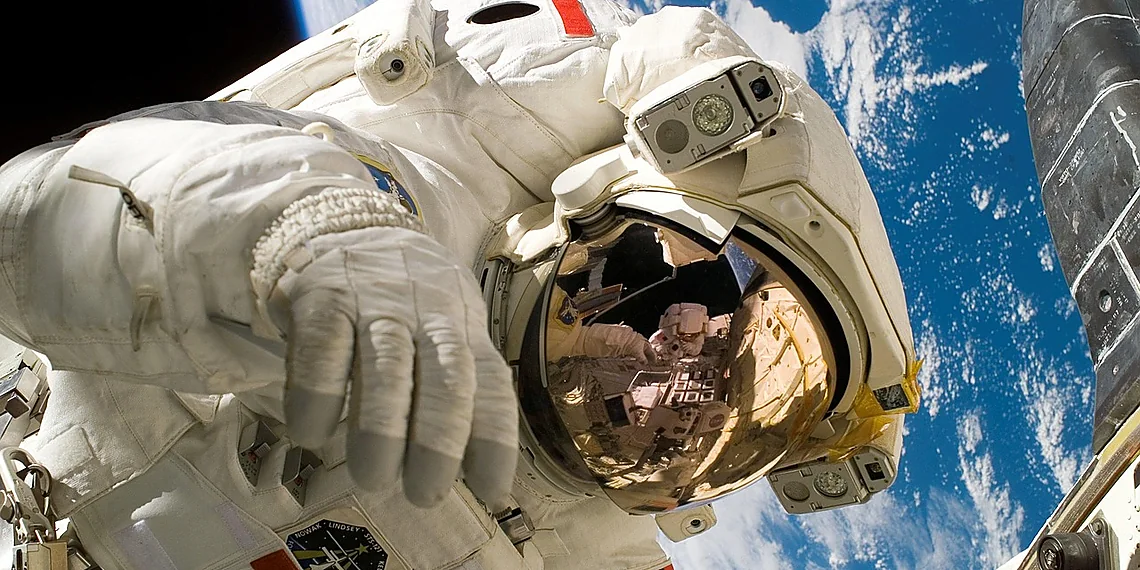

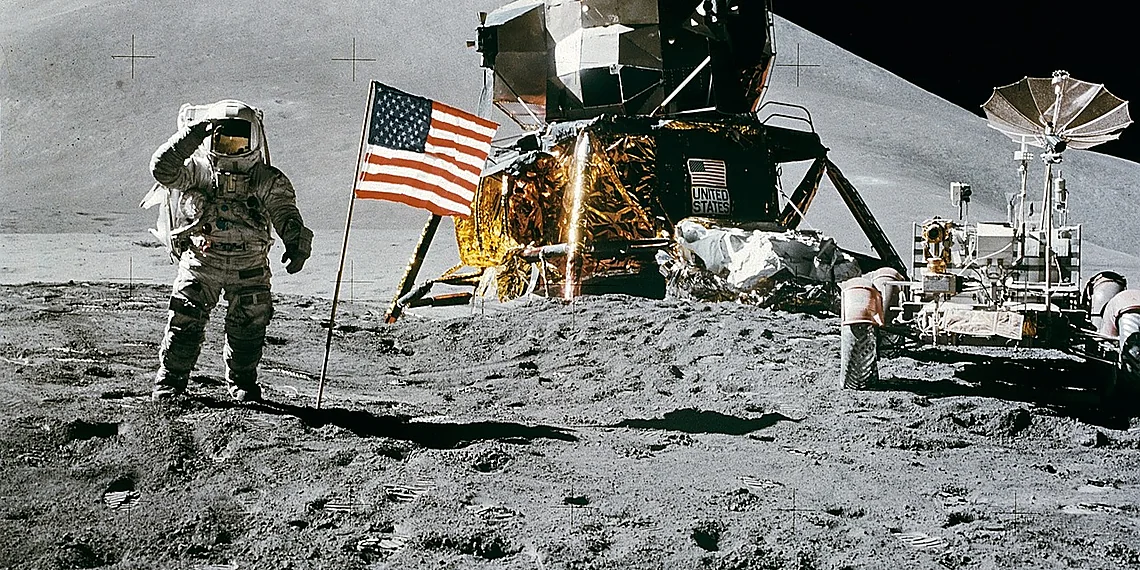
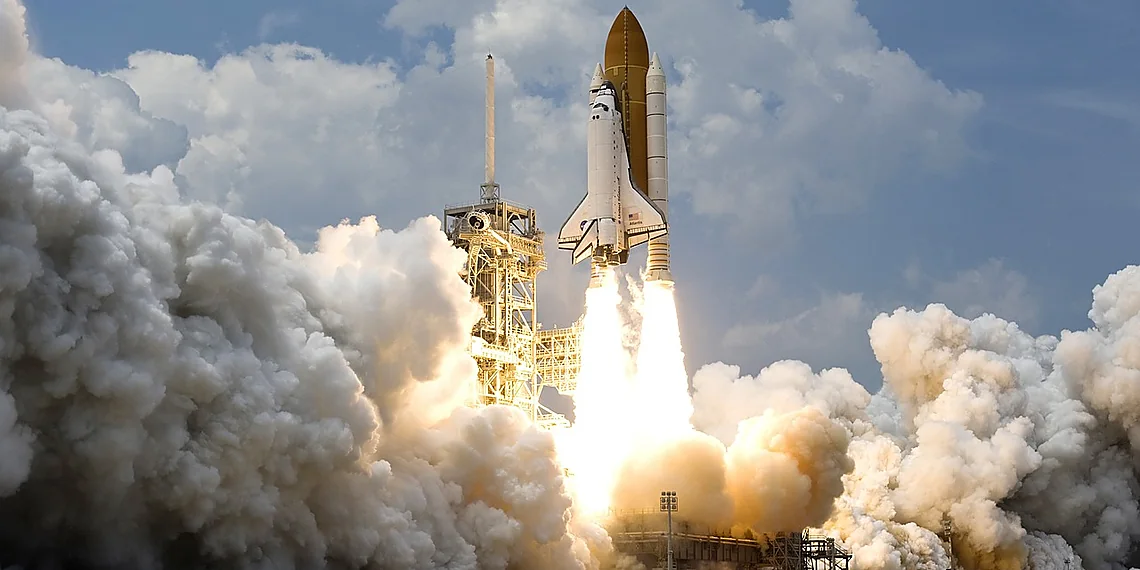
Imagine stepping into a pressurized shell, feeling the constraints immediately, and knowing that your survival hinges on its flawless operation – that’s just the beginning of an astronaut’s journey.
Meet Pablo Álvarez Fernández, a rising star in the European Space Agency, whose dedication to pushing the boundaries of human exploration is truly inspiring.
Pablo isn’t just dreaming of stars; he’s meticulously preparing for them, undergoing rigorous and demanding training that few ever experience.
A significant portion of this preparation focuses on spacewalk simulations, vital for conducting repairs, deploying experiments, and responding swiftly to unforeseen issues outside the spacecraft’s protective hull. To truly understand what it means to operate in such an environment, Pablo immerses himself in incredibly realistic scenarios – a process we call spacesuit training that pushes both physical and mental limits. It’s far more than just donning a suit; it’s about mastering every system, anticipating every potential problem, and reacting with precision under immense pressure. We’ll be following him as he recounts the challenges, the breakthroughs, and the sheer intensity of his preparation for venturing beyond Earth’s embrace.
The Weight of Dreams: Spacesuit Immersion
The journey to becoming an astronaut isn’t solely about academic brilliance or piloting skills; it’s a rigorous crucible forging physical and mental resilience. A critical component of that preparation is spacesuit training, a process designed to instill not just technical proficiency but also the ability to perform complex tasks under immense pressure and restriction. Imagine being encased in a suit weighing over 145 kilograms – roughly equivalent to two adult humans – and expected to execute intricate procedures while dealing with limited mobility and communication challenges. This is the reality faced by astronauts preparing for spacewalks, and the training regimen reflects this demanding environment.
Central to spacesuit training are neutral buoyancy facilities like NASA’s Neutral Buoyancy Laboratory (NBL) and ESA’s European Astronaut Centre’s pool in Cologne. These massive pools, filled with millions of liters of water, serve as remarkably effective simulators for spacewalks. The principle is simple: by carefully adjusting the density of the spacesuit – often using a combination of air and water displacement – astronauts can achieve near-neutral buoyancy, mimicking the weightlessness experienced in orbit. This allows them to practice maneuvers and tasks that would be impossible on Earth’s surface.
However, simulating zero gravity underwater isn’t straightforward. The physics are different; instead of floating freely, astronauts experience drag and resistance from the water. Movement requires deliberate effort, and even seemingly simple actions like rotating or reaching become complex operations requiring precise coordination. The spacesuit itself is bulky and restricts movement, further amplifying these challenges. Training incorporates realistic scenarios – including simulated emergencies like fires and ammonia leaks – to prepare astronauts for any eventuality they might encounter outside the spacecraft.
Beyond the physical demands, spacesuit training places a significant emphasis on mental fortitude. The isolation within the suit, coupled with the inherent risks of operating in such a complex environment, necessitates exceptional teamwork and clear communication. Astronauts learn to rely on each other implicitly, developing strategies for problem-solving under duress and maintaining composure when faced with unexpected situations – all crucial elements for success during actual spacewalks.
Underwater Simulation: Replicating Zero-G
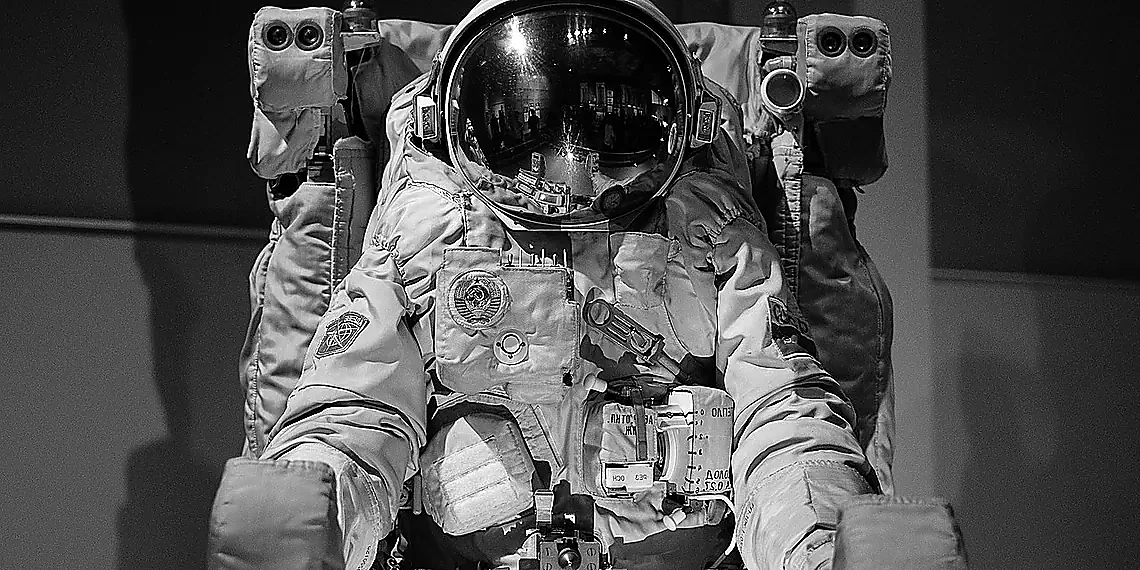
To replicate the weightlessness experienced in space, astronauts undergo rigorous spacesuit training utilizing Neutral Buoyancy Laboratories (NBLs). These massive pools, like NASA’s Sonny Carter NBL in Houston, Texas, are filled with millions of gallons of water and designed to simulate zero-gravity conditions. The principle is simple: an astronaut wearing a fully suited spacesuit displaces enough water to become nearly weightless, mirroring the sensation of floating in orbit.
Moving within a spacesuit underwater presents significant complexities beyond just feeling lighter. Spacesuits are bulky and restrict movement considerably; buoyancy further complicates this by creating unpredictable forces. Astronauts must learn to maneuver deliberately and efficiently using handholds and thrusters attached to their suits, accounting for water resistance and the suit’s own inertia. The training emphasizes careful planning and precise movements crucial for performing tasks in the vacuum of space.
The NBL environment isn’t just about mimicking weightlessness; it also allows engineers and instructors to observe and evaluate an astronaut’s performance while wearing a spacesuit. Divers act as safety observers, providing assistance if needed, and recording data on suit functionality and astronaut technique. This feedback loop is vital for refining both the spacesuit design and the training protocols themselves, ensuring astronauts are fully prepared for the challenges of spacewalking.
Beyond Routine: Emergency Preparedness
While routine spacewalks demand precision and technical skill, the reality of space exploration necessitates rigorous preparation for the unexpected. Astronaut training extends far beyond mastering procedures; it’s about confronting potential disasters and developing the instincts to survive them. ESA astronaut Pablo Álvarez Fernández’s journey highlights this crucial aspect, revealing intense emergency drills designed to push individuals and teams to their absolute limits – all in a safe, controlled environment.
These aren’t simple exercises; they are meticulously crafted simulations mirroring credible threats. Imagine facing a sudden fire within the spacecraft, or dealing with an ammonia leak – a highly toxic substance vital for life support systems. Astronauts experience these scenarios firsthand, often submerged in massive neutral buoyancy facilities that mimic the weightlessness of space while adding the complexity of bulky spacesuits. These drills aren’t about flawlessly executing steps; they’re about reacting quickly and decisively under immense pressure, reinforcing muscle memory and building crucial reflexes.
The psychological component is equally vital. Facing a simulated emergency evokes stress and fear – emotions that can easily impair judgment. Training aims to desensitize astronauts to these responses, enabling them to maintain composure and focus on the task at hand. Crucially, these drills are never solo endeavors; they emphasize teamwork above all else. Every astronaut learns their role in an emergency response, understanding how to rely on and support their colleagues when communication might be compromised and every second counts.
Pablo Álvarez Fernández’s experience underscores that spacesuit training isn’t merely about mastering the technology; it’s a comprehensive program designed to forge resilient individuals and cohesive teams capable of confronting any challenge space throws their way. The ability to function effectively under duress, fueled by trust and coordination, is perhaps the most critical skill an astronaut can possess – a vital ingredient for survival beyond Earth.
Simulated Chaos: Training for the Unexpected

Astronauts endure rigorous spacesuit training that extends far beyond routine spacewalk preparation. A significant portion focuses on handling catastrophic emergencies, including scenarios like onboard fires, rapid depressurization (simulating hull breaches or suit leaks), and critical equipment failures – both within the spacecraft and during extravehicular activities (EVAs). These drills aren’t just about knowing procedures; they’re designed to build instinctive reflexes. For instance, fire simulations involve astronauts practicing extinguishing techniques in a confined space while wearing bulky spacesuits, demanding quick thinking and precise movements.
The training isn’t solely technical. Ammonia leaks are particularly dangerous due to their toxic nature, requiring immediate response protocols involving suit isolation and emergency oxygen systems. These complex drills emphasize team coordination; astronauts must communicate clearly, delegate tasks efficiently, and support each other under immense pressure. Repeated practice in these high-stress environments fosters a deep reliance on one another and reinforces the importance of clear communication – skills vital for survival in space.
Beyond physical and technical preparedness, psychological resilience is paramount. Astronauts participate in exercises designed to simulate disorientation, isolation, and decision-making under duress. This includes scenario-based training where they must rapidly assess risks, prioritize actions, and maintain composure when faced with seemingly insurmountable challenges. The goal is not only to teach them *how* to react but also to cultivate the mental fortitude necessary to perform effectively in a crisis.
Life in Houston: Teamwork and Adaptation
Beyond the intense physical and technical demands of spacesuit training, a significant portion of an astronaut’s journey unfolds within the vibrant, multicultural hub of Houston, Texas – home to NASA’s Johnson Space Center. Pablo Álvarez Fernández’s experience exemplifies this crucial element, demonstrating that success in space isn’t solely about mastering complex machinery; it’s deeply intertwined with forging strong bonds and adapting to a diverse international team. The move from Cologne, Germany to Houston marked not just a geographical shift but an immersion into a unique community of explorers, each bringing their own cultural backgrounds and professional expertise.
Living and working alongside astronauts hailing from different nations – Russia, Japan, Canada, Europe, and the United States – presents both challenges and profound rewards. The pressure cooker environment of astronaut training demands exceptional teamwork; miscommunication or interpersonal conflict can have serious consequences during simulations and, potentially, in space. Pablo emphasizes how intentional effort is required to build trust and understanding across cultural lines. This involves not just professional collaboration but also sharing personal experiences, celebrating diverse traditions, and learning to communicate effectively despite language barriers and differing perspectives.
This ‘astronaut family,’ as it’s often called, becomes a vital support system, providing camaraderie and resilience in the face of rigorous training schedules and demanding expectations. The shared dream of reaching for the stars fosters an unparalleled level of empathy and mutual respect. Pablo’s story highlights that navigating these interpersonal dynamics is just as critical to mission success as mastering the technical skills required for spacewalks and emergency procedures – it’s about building a team capable of facing any challenge, together.
Ultimately, adapting to life in Houston and embracing the diversity within the astronaut corps isn’t merely an aspect of training; it’s fundamental to shaping well-rounded explorers prepared for the complexities of space travel. The lessons learned in fostering collaboration and understanding extend far beyond mission simulations, preparing these individuals not just for the rigors of space exploration but also for representing humanity on a global stage.
Building Bonds: The Astronaut Family
Relocating to Houston for spacesuit training wasn’t just about mastering complex equipment; it was about integrating into a tightly knit ‘astronaut family.’ Pablo Alvarez Fernandez, like many other astronauts from agencies such as ESA, JAXA, and CSA, found himself living alongside colleagues from diverse cultural backgrounds. This required significant adaptation, not only to American customs but also to navigating the nuances of working closely with individuals who held different communication styles and approaches to problem-solving.
The demanding nature of astronaut training – constant simulations, rigorous physical assessments, and intense study schedules – amplified the need for strong interpersonal relationships. Shared experiences of pushing boundaries and facing challenges fostered a unique bond amongst the team members. While initial cultural differences could present hurdles, they ultimately became opportunities for growth and learning, enriching the collective skillset and fostering mutual respect. The shared goal of space exploration served as a powerful unifying force.
Building trust and camaraderie wasn’t always easy. Misunderstandings occasionally arose from differing perspectives or communication styles. However, conscious efforts were made to bridge these gaps through open dialogue, active listening, and celebrating each other’s cultures. These relationships proved invaluable – not only for emotional support but also for enhancing team performance during high-pressure simulations and preparing for the realities of long-duration space missions where reliance on one another is paramount.
Looking Ahead: The Spacewalk Dream & Future Missions
Having completed rigorous spacesuit training – a process that demands both physical endurance and unwavering mental focus – Pablo Álvarez Fernández is now firmly looking ahead to the next chapter of his astronaut journey: spacewalks. The opportunity to venture outside the safety of a spacecraft, tethered only by technology and skill, represents the pinnacle for many astronauts. For Pablo, it’s not just a professional milestone but a deeply personal aspiration, fueled by a lifelong fascination with the cosmos and a desire to contribute directly to humanity’s understanding of our universe.
Pablo’s training isn’t solely about mastering the technical aspects of operating a spacesuit; it’s about cultivating the skills needed for problem-solving in an incredibly challenging and unforgiving environment. The simulated underwater conditions, while providing a crucial analogue for the vacuum of space, also serve to hone his ability to work effectively with his crewmates under immense pressure. This emphasis on teamwork is paramount, as spacewalks are inherently collaborative endeavors requiring seamless communication and absolute trust.
Beyond Pablo’s personal ambitions, his progress aligns with ESA’s broader strategic goals for space exploration. Upcoming missions such as the Lunar Gateway – a planned space station orbiting the Moon – will necessitate increased spacewalk activity for construction, maintenance, and scientific research. The Artemis program, aiming to return humans to the lunar surface, is also heavily reliant on skilled astronauts capable of performing complex tasks outside spacecraft. Pablo’s dedication to spacesuit training directly contributes to ESA’s ability to achieve these ambitious objectives.
The pursuit of space exploration isn’t just about reaching new destinations; it’s about pushing the boundaries of human ingenuity and inspiring future generations. As Pablo prepares for potential spacewalk opportunities and future missions, he embodies this spirit – a testament to the ongoing quest to unlock the secrets of the universe and expand our presence beyond Earth.
Reaching for the Stars: What’s Next?
Pablo Álvarez Fernández, like many astronauts, holds a deep desire to experience the profound challenge and privilege of a spacewalk. His training regimen, demonstrated in the video, underscores this ambition; the complex underwater simulations are specifically designed to prepare him for the demanding tasks performed outside a spacecraft. Beyond simply participating in a spacewalk, Pablo hopes to contribute meaningfully to its execution – whether it involves scientific research, repairs, or construction of orbital infrastructure.
Looking further ahead, Pablo’s career path could intersect with several exciting ESA initiatives. The agency has ambitious plans for lunar exploration through the Artemis program, including potential contributions to future lunar bases and resource utilization. Furthermore, participation in missions to Mars remains a long-term goal for ESA, although such endeavors are still decades away. These possibilities represent significant milestones that Pablo, along with his fellow astronauts, is diligently preparing for.
ESA’s broader exploration strategy emphasizes international collaboration and technological advancement. Current projects involve developing new robotic probes for studying distant planets, improving satellite technology for Earth observation, and pushing the boundaries of human spaceflight capabilities. Pablo’s ongoing training and potential mission assignments directly contribute to ESA’s continued success in achieving these ambitious goals, representing a vital step in humanity’s journey beyond Earth.
The journey to becoming a spacefaring astronaut is undeniably demanding, a testament to human resilience and unwavering dedication.
From mastering complex scientific principles to enduring intense physical conditioning, every aspect of an astronaut’s preparation is meticulously planned and executed.
We’ve seen firsthand the crucial role that spacesuit training plays; it’s not merely about donning a suit but learning to operate within its constraints, problem-solve in simulated emergencies, and maintain peak performance while isolated from Earth’s familiar environment.
The simulations, the underwater neutral buoyancy labs, the psychological evaluations – all contribute to forging individuals capable of handling the extraordinary challenges that await beyond our planet’s atmosphere. It truly highlights how much more goes into a mission than simply launching rockets and satellites; it requires a holistic approach to human capability and adaptation. The commitment from agencies like ESA is remarkable, pushing boundaries and inspiring future generations of explorers. This article only scratches the surface of this incredible process, showcasing just a glimpse into the preparation involved for those who venture beyond Earth. The dedication required to overcome every hurdle and maintain composure under pressure is a powerful reminder of what humanity can achieve when united by a shared goal: reaching for the stars. We hope you’ve gained a new appreciation for the extraordinary individuals who embody this spirit of exploration. For an even deeper dive into astronaut training, mission planning, and the exciting world of space discovery, we wholeheartedly recommend checking out ESA’s ‘ESA Explores’ podcast; it offers firsthand accounts and exclusive insights that will further ignite your curiosity.
Continue reading on ByteTrending:
Discover more tech insights on ByteTrending ByteTrending.
Discover more from ByteTrending
Subscribe to get the latest posts sent to your email.