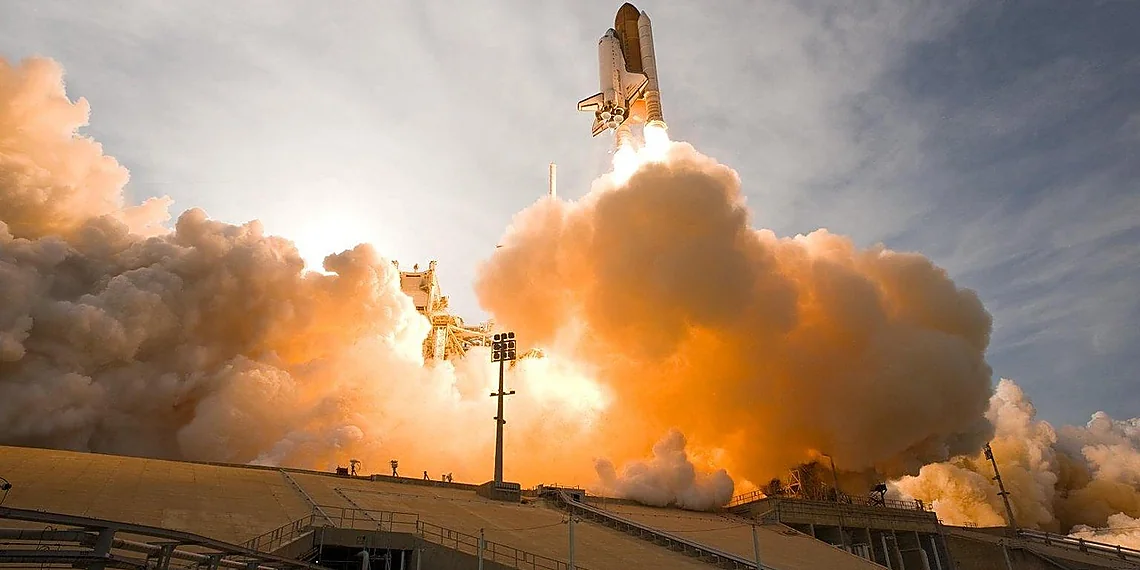



The future of space travel is being written right now, and Blue Origin continues to be a leading hand holding the pen. For years, Jeff Bezos’ vision has pushed beyond simple suborbital tourism, aiming for a sustained presence in orbit and eventually, venturing further into our solar system. A cornerstone of that ambitious plan is their New Glenn Rocket, designed to bridge the gap between Earth and the vastness beyond.
Currently, the New Glenn stands as a formidable workhorse, capable of delivering significant payloads – up to 45 metric tons – to Low Earth Orbit (LEO). Its reusability focus, particularly with the booster stage, promises substantial cost reductions for missions, opening doors for more frequent and diverse space activities. We’ve seen impressive progress in testing and development, showcasing a commitment to reliability and innovation.
But Blue Origin isn’t one to rest on its laurels; they are relentlessly pursuing advancements. Get ready, because we’re about to dive into exciting news surrounding the New Glenn Rocket – an evolution that will dramatically expand its capabilities and significantly accelerate our journey towards deeper space exploration. The next chapter in this story is poised to be truly game-changing.
New Glenn: Current Power and Capabilities
The New Glenn rocket represents Blue Origin’s heavy-lift ambition, designed to significantly expand the company’s capabilities beyond its suborbital New Shepard vehicle. Currently, New Glenn stands as a two-stage rocket boasting impressive specifications: it’s capable of delivering 45 metric tons (99,000 lbs) to Low Earth Orbit (LEO), and up to 27 metric tons (60,000 lbs) to Geosynchronous Transfer Orbit (GTO). This places it squarely in competition with the SpaceX Falcon 9, which offers roughly a similar LEO payload capacity, but generally delivers slightly more to GTO. The rocket itself is substantial – standing over 321 feet tall (nearly as high as the Statue of Liberty), and featuring a diameter of 15 feet. Powering this behemoth are seven BE-4 engines on the first stage and two BE-3 engines on the second, all fueled by liquid methane and liquid oxygen.
While still awaiting its inaugural launch – currently slated for late 2024 – New Glenn has undergone extensive testing and development. The delays have been attributed to a variety of factors including component refinement and ensuring reliability across Blue Origin’s systems. Initial test firings of the BE-4 engines were conducted several years ago, marking significant milestones in its progression. Though lacking a launch history thus far, the groundwork is laid for New Glenn to become a critical workhorse for Blue Origin’s future space endeavors, particularly concerning larger satellite deployments and potentially even early crewed missions beyond Earth orbit.
New Glenn plays a pivotal role within Blue Origin’s broader strategy of building a ‘space transportation company.’ It bridges the gap between their suborbital tourism offerings and the more ambitious plans involving orbital habitats and lunar landings. The rocket’s design emphasizes reusability, with plans to recover the first stage for refurbishment and reuse – similar to SpaceX’s Falcon 9 program. This focus on cost reduction through reusability is crucial for Blue Origin to compete effectively in the increasingly crowded commercial space launch market and contribute to their long-term vision of expanding human presence beyond Earth.
Beyond simply launching payloads, New Glenn’s large cargo capacity makes it ideally suited for supporting Blue Origin’s Orbital Reef project – a planned commercial space station. The rocket would be instrumental in delivering habitat modules, research equipment, and potentially crew to the station. Furthermore, its GTO capability opens doors for deploying satellites directly into geostationary orbits, reducing mission complexity and cost for customers. Ultimately, New Glenn represents a significant step forward for Blue Origin, positioning them as a major player in the future of space exploration and commercialization.
Specs & Performance Breakdown
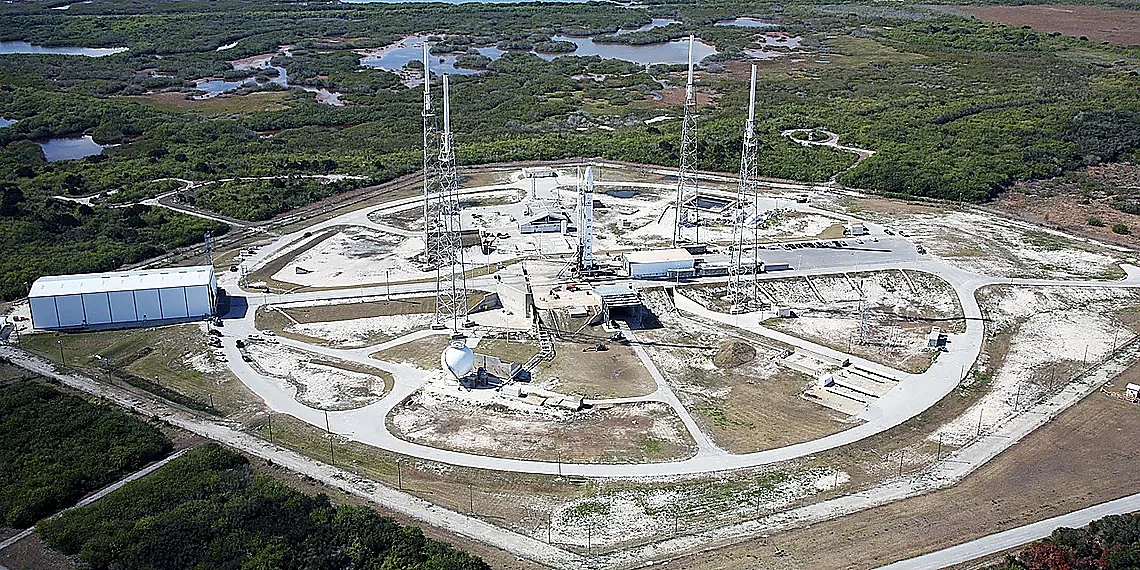
The New Glenn rocket is designed for heavy-lift capabilities, boasting a substantial payload capacity to Low Earth Orbit (LEO). It can deliver approximately 45 metric tons (99,000 lbs) to LEO and 27 metric tons (59,500 lbs) to Geosynchronous Transfer Orbit (GTO). For comparison, SpaceX’s Falcon 9 currently offers around 22.8 metric tons to LEO in expendable mode and 15.6 metric tons in reusable mode. New Glenn’s increased capacity is intended to support larger satellite deployments, space station resupply missions, and eventually, human lunar landings as part of Blue Origin’s broader ambitions.
Structurally, the New Glenn comprises two stages: a first stage powered by seven BE-4 engines (each producing 200,000 lbs of thrust) and a second stage fueled by a single BE-3 engine (producing 120,000 lbs of thrust). The entire rocket stands approximately 95 meters (312 feet) tall – significantly taller than the Falcon 9’s roughly 70 meters. The first stage is designed to be reusable and will return to a designated landing zone for refurbishment. This reusability is central to Blue Origin’s cost-reduction strategy.
Initial New Glenn launch attempts have been delayed, with the first orbital test flight currently slated for late 2024 or early 2025. Despite this delay, the rocket’s design and capabilities position it as a key element of Blue Origin’s plans to provide heavy-lift launch services and contribute to NASA’s Artemis program by potentially delivering components for lunar infrastructure.
The Next Generation: What’s Coming?
Blue Origin’s New Glenn rocket represents a significant step in their ambition to become a major player in orbital launch services, but the company isn’t content with the initial design. Recognizing the evolving demands of space exploration and commercial payloads, Blue Origin has announced several key upgrades aimed at enhancing performance, reliability, and overall capabilities. These aren’t merely cosmetic changes; they represent fundamental advancements in engineering and reflect a commitment to pushing the boundaries of what’s possible with reusable rocket technology.
A core focus of these improvements revolves around the BE-4 engine, which powers both New Glenn and United Launch Alliance’s Vulcan Centaur. While specifics remain somewhat guarded, Blue Origin is reportedly implementing refinements to the engine’s combustion chamber design and nozzle geometry. These subtle alterations promise a noticeable boost in thrust – potentially increasing payload capacity to orbit or enabling more ambitious mission profiles. Furthermore, advancements in propellant management techniques are expected to optimize engine efficiency throughout the burn cycle, reducing fuel consumption and extending operational time.
Beyond the engines themselves, structural enhancements are also underway. Blue Origin is exploring lighter yet stronger materials for the rocket’s stages, focusing on minimizing weight while maintaining robust performance under extreme conditions. This includes investigating advanced composite structures and optimizing the overall design to reduce aerodynamic drag. These seemingly minor adjustments collectively contribute to a substantial increase in New Glenn’s total delta-v – a critical metric representing its ability to reach various orbital destinations. The company is also likely incorporating lessons learned from suborbital New Shepard flights into New Glenn’s operational procedures and hardware.
Ultimately, these ongoing upgrades to the New Glenn Rocket signify Blue Origin’s dedication to continuous improvement and their long-term vision for space access. While a precise timeline for implementation remains fluid, these advancements are crucial for securing lucrative commercial contracts and solidifying New Glenn’s position as a workhorse launch vehicle capable of handling increasingly complex missions.
Engine Enhancements & Design Changes

Blue Origin is actively pursuing enhancements to its New Glenn rocket, with a significant focus on improving engine performance and overall structural efficiency. While detailed specifications for upgraded BE-4 engines remain limited publicly, indications suggest modifications are underway to increase thrust and potentially reduce propellant consumption. These refinements are likely centered around nozzle design improvements and combustion chamber optimization, aiming for a higher specific impulse – effectively meaning the rocket can generate more thrust from the same amount of fuel.
Beyond engine upgrades, Blue Origin is also implementing structural changes intended to lighten the New Glenn’s mass while maintaining or increasing its load-bearing capabilities. This includes exploring advanced composite materials and optimizing the overall construction techniques for the vehicle’s stages. Specific areas under review reportedly involve the interstage structure connecting the first and second stage, and potentially adjustments to the fairing design to reduce aerodynamic drag during ascent. The goal is a higher payload capacity to Low Earth Orbit (LEO).
The cumulative effect of these engine and structural improvements is projected to significantly enhance New Glenn’s performance capabilities. Blue Origin anticipates increased payload delivery potential, allowing for heavier satellites or multiple smaller payloads to be launched on each mission. These upgrades also contribute to a lower cost per kilogram delivered to orbit, which is crucial for expanding commercial space access and supporting future lunar missions as part of the Artemis program.
Beyond Earth Orbit: Mission Goals
The original New Glenn rocket promised significant lifting capability, but Blue Origin isn’t stopping there. The company is actively pursuing enhancements to its design that will dramatically expand the mission profiles it can support, pushing far beyond Earth orbit and opening doors to ambitious lunar and deep-space endeavors. These upgrades aren’t merely incremental; they represent a strategic evolution designed to position New Glenn as a cornerstone of Blue Origin’s long-term space exploration strategy.
One key area of advancement focuses on increasing the rocket’s payload capacity to Low Earth Orbit (LEO) and Geostationary Transfer Orbit (GTO). This enhanced lift capability is critical for deploying larger satellites, enabling more complex orbital maneuvers, and crucially, supporting components for lunar missions. Imagine delivering fully assembled lunar landers directly to cislunar space – a prospect that significantly reduces the complexity and cost associated with assembling them in orbit. The ability to deliver heavier payloads also unlocks opportunities for orbital refueling depots, potentially extending the operational lifespan of satellites and enabling even more ambitious deep-space journeys.
Looking further ahead, New Glenn’s enhanced capabilities will be vital for supporting interplanetary probes. Larger payload capacity translates directly into increased science instrument packages or larger fuel reserves for missions to Mars, Jupiter’s moons, or beyond. Blue Origin is also exploring potential integration with their in-development lunar lander, ‘Blue Moon,’ allowing for dedicated launches of cargo and eventually astronauts to the lunar surface and potentially establishing a sustained presence there. This holistic approach – combining launch capabilities with landing systems – represents a significant step towards becoming a key player in future deep space exploration.
The strategic implications are profound. A powerful, reliable New Glenn rocket capable of these heavy lifts reduces reliance on other launch providers and offers greater flexibility for both government and commercial customers pursuing lunar and interplanetary missions. It also strengthens Blue Origin’s position as a leader in the burgeoning space economy, contributing to broader advancements in areas like resource utilization and scientific discovery beyond Earth.
Lunar Landings & Beyond
The core strength of the New Glenn rocket lies in its substantial payload capacity, currently rated at over 45 metric tons (99,000 lbs) to Low Earth Orbit (LEO). This capability positions it as a key enabler for lunar lander missions. Specifically, Blue Origin envisions utilizing New Glenn to launch large-scale robotic landers and potentially crewed versions in the future, supporting NASA’s Artemis program or independent commercial lunar initiatives. The ability to deliver such significant mass directly to cis-lunar space drastically reduces mission complexity and cost compared to smaller rockets requiring multiple launches.
Beyond lunar landings, New Glenn’s performance is also being considered for orbital refueling demonstrations. Blue Origin has expressed interest in developing depot capabilities in Earth orbit and beyond. A New Glenn launch could deliver large propellant tanks or specialized refueling modules, facilitating extended missions for other spacecraft. This infrastructure would be crucial for future deep-space probes, allowing them to operate far from Earth without carrying massive fuel loads initially. The rocket’s high payload capacity minimizes the number of launches needed for establishing such a depot.
Looking further ahead, New Glenn’s potential extends to interplanetary missions. While not designed solely for Mars or asteroid exploration, its enhanced capabilities could support launching larger probes with advanced scientific instruments and robust power systems. This would allow for more comprehensive data collection and potentially enable sample return missions to destinations beyond the Moon. The strategic advantage of a reliable, high-payload launch vehicle like New Glenn is that it provides flexibility in mission design and significantly broadens Blue Origin’s role within the evolving space economy.
The Competitive Landscape
The development and evolution of Blue Origin’s New Glenn rocket are reshaping the competitive landscape within the burgeoning space exploration industry. While SpaceX has dominated headlines with Falcon 9’s rapid reusability and Starship’s ambitious goals, New Glenn represents a deliberate and different strategy – one focused on providing heavy-lift capabilities for large satellite deployments, lunar missions, and potentially even orbital tourism. Unlike SpaceX’s vertically integrated approach, Blue Origin is increasingly emphasizing partnerships and utilizing established technologies where appropriate, aiming for a more measured but equally impactful presence in the commercial launch services market. This calculated advancement positions New Glenn as a critical player, especially targeting payloads beyond what Falcon 9 can readily handle.
Blue Origin’s strategy differs significantly from SpaceX’s aggressive pace of innovation and rapid iteration. SpaceX has prioritized reusability to dramatically lower launch costs, fundamentally disrupting the industry. Blue Origin, conversely, initially focused on developing reusable engines (BE-4 and BE-3) before tackling a fully reusable first stage for New Glenn. This approach allows for greater reliability and potentially higher payload capacity in the near term, although it may mean slower overall cost reductions compared to SpaceX’s model. Companies like United Launch Alliance (ULA), with its Atlas V and Vulcan Centaur rockets, also represent established competition, but Blue Origin’s focus on reusability and large-scale infrastructure investment signals a long-term ambition to become a dominant force.
The impact of New Glenn’s advancement extends beyond just launch services. Its substantial payload capacity opens doors for more complex missions – deploying larger constellations of satellites, sending heavier cargo to the Moon via Blue Origin’s lunar lander (Blue Moon), and potentially supporting future space stations or orbital habitats. This capability puts pressure on competitors not only in terms of pricing but also in offering specialized mission solutions. While SpaceX’s Starship aims for even greater scale and versatility, New Glenn provides a crucial bridge for payloads that are too large or complex for Falcon 9 but don’t require the full capabilities of Starship – a significant niche in the rapidly expanding space economy.
Ultimately, Blue Origin’s success with New Glenn will depend on demonstrating reliability, achieving competitive pricing, and securing consistent customer contracts. The rocket’s development has faced delays, which have allowed competitors to solidify their positions. However, as New Glenn approaches its inaugural launch, it is poised to significantly influence the future of space exploration by providing a robust and versatile heavy-lift option that complements – rather than directly replicates – the strategies of SpaceX and other players in the field.
Blue Origin vs. The Field
Blue Origin’s approach to space travel, exemplified by the New Glenn rocket, emphasizes a more deliberate and methodical development process compared to companies like SpaceX. While SpaceX has rapidly iterated through multiple Falcon rockets and aggressively pursued reusability from an early stage, Blue Origin has favored extensive testing and a focus on reliability – often at the expense of speed to market. This strategy aims for high safety margins and potentially lower long-term operational costs once New Glenn is fully operational, but it has resulted in delays and less frequent launch cadence thus far.
The commercial launch services landscape is currently dominated by SpaceX, which benefits from a substantial backlog of missions and the cost advantages gained through reusable first stages. Blue Origin’s New Glenn, designed for heavier payloads than earlier Blue Origin vehicles, intends to compete directly with Falcon 9 and other medium-to-heavy lift rockets, offering an alternative for customers requiring significant cargo capacity to orbit or beyond. However, consistent launch availability will be critical; SpaceX’s current dominance stems not only from cost but also from its ability to reliably deliver payloads on a frequent schedule.
Other players like United Launch Alliance (ULA) and Rocket Lab offer competing services, each with their own strengths. ULA focuses on government contracts and high-assurance missions, while Rocket Lab caters to smaller satellite deployments. Blue Origin’s New Glenn aims to carve out a niche by providing a reliable, heavy-lift option for both commercial and governmental customers, but it must demonstrate its capabilities and accelerate launch operations to truly challenge the established order.
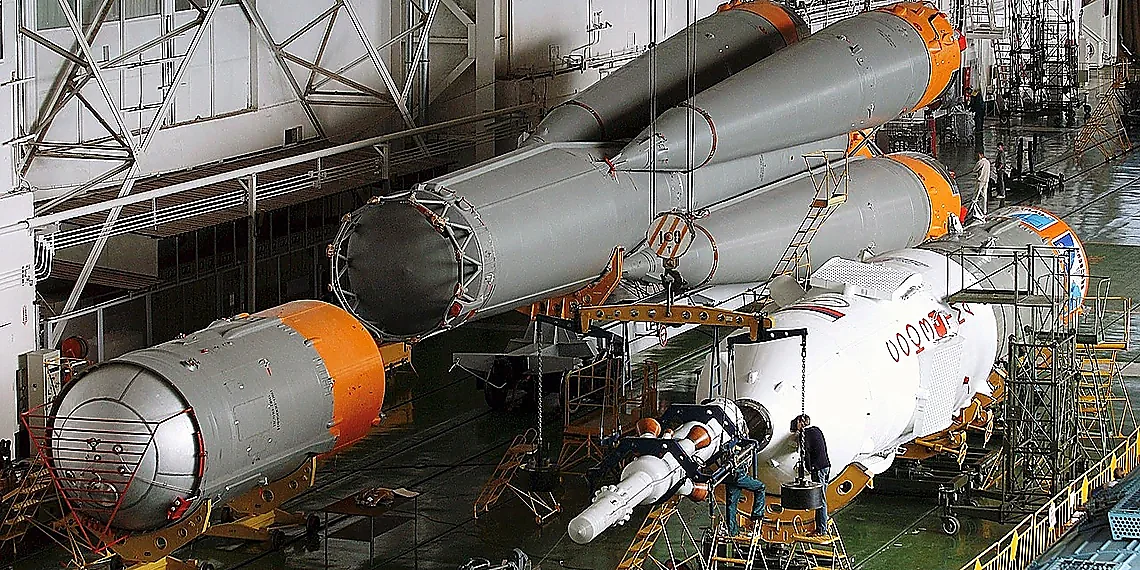
The journey of Blue Origin, and particularly the evolution of the New Glenn Rocket, highlights a deliberate and thoughtful approach to space exploration, prioritizing safety and reusability alongside ambitious goals.
We’ve seen how iterative design choices, from engine advancements to structural refinements, have shaped this vehicle into a truly versatile platform capable of supporting diverse missions – from lunar cargo delivery to orbital science endeavors.
Blue Origin’s vision extends far beyond simply reaching space; it’s about building a future where millions can live and work amongst the stars, and the New Glenn Rocket is a critical stepping stone in realizing that dream, offering significant payload capacity for this expansive ambition.
The company’s commitment to foundational infrastructure, like robust engine technology and reusable hardware, demonstrates a long-term perspective often absent in the rapid-paced world of space innovation. Their focus on these core elements positions them uniquely to contribute significantly to humanity’s expansion beyond Earth’s orbit. This methodical development process ensures reliability as Blue Origin moves toward more complex missions and commercial partnerships. This careful planning will be vital for supporting future endeavors like lunar bases and interplanetary travel. Ultimately, the New Glenn Rocket represents a powerful symbol of that dedication and potential. We are truly at an exciting inflection point in space history, witnessing the gradual but undeniable shift towards sustainable access to orbit and beyond. The continued progress of Blue Origin’s programs promises even more groundbreaking developments in the years to come. Stay informed about these advancements; your insights could contribute to shaping the future of this incredible endeavor! Follow Blue Origin’s updates closely and join the conversation – what do *you* envision for humanity’s role amongst the stars?
Continue reading on ByteTrending:
Discover more tech insights on ByteTrending ByteTrending.
Discover more from ByteTrending
Subscribe to get the latest posts sent to your email.