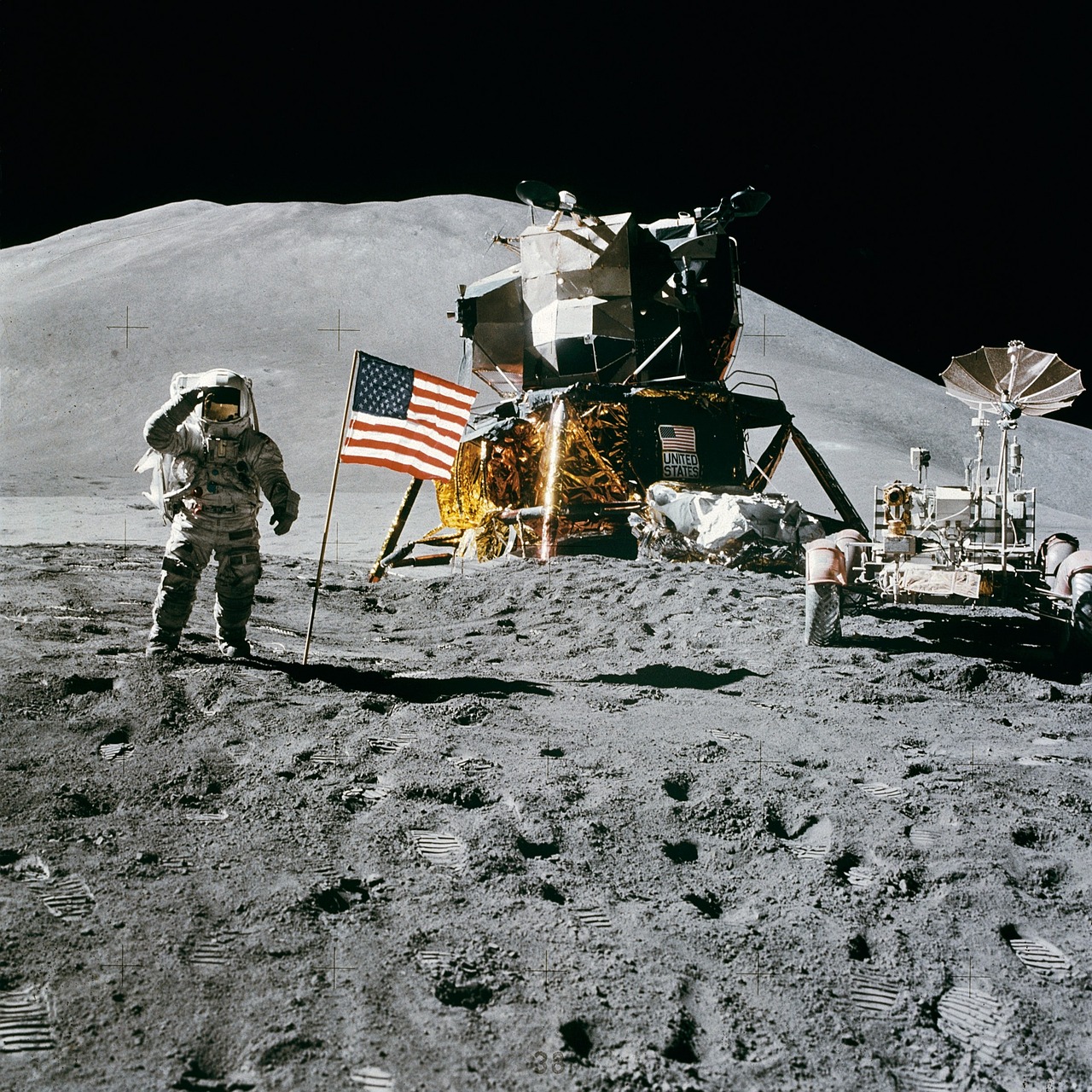
The Artemis program is rapidly accelerating humanity’s return to the Moon, and the next chapter promises groundbreaking discoveries. Following successful uncrewed tests and a crewed flyby, Artemis IV marks a pivotal moment: the first mission designed specifically to conduct extensive surface science operations near the lunar South Pole. This region holds immense scientific potential, believed to harbor water ice in permanently shadowed craters – resources vital for future exploration and potentially even propellant production.
NASA’s commitment to maximizing this opportunity is evident in their recent selection of two exceptional payloads that will significantly expand our understanding of the Moon’s environment and history. These carefully chosen instruments represent a leap forward, designed to address key questions about lunar geology, resource availability, and the space weather effects on the surface. The mission team has been meticulously planning how these tools will contribute to a broader scientific return.
Crucially, Artemis IV’s success hinges on the capabilities of its onboard equipment; hence, the selection process for Lunar Science Instruments was rigorous and highly competitive. These instruments aren’t just about collecting data – they are sophisticated laboratories capable of in-situ analysis, providing unprecedented insights into the lunar South Pole region that orbiting satellites simply can’t achieve. Expect detailed analyses of regolith composition, subsurface mapping, and measurements of radiation levels, all contributing to a richer understanding of our celestial neighbor.
The deployment of these specialized tools signifies NASA’s renewed dedication to pushing the boundaries of lunar exploration and unlocking secrets hidden for billions of years. Artemis IV isn’t just about returning humans to the Moon; it’s about establishing a sustainable presence and conducting transformative science that will shape our understanding of the solar system.
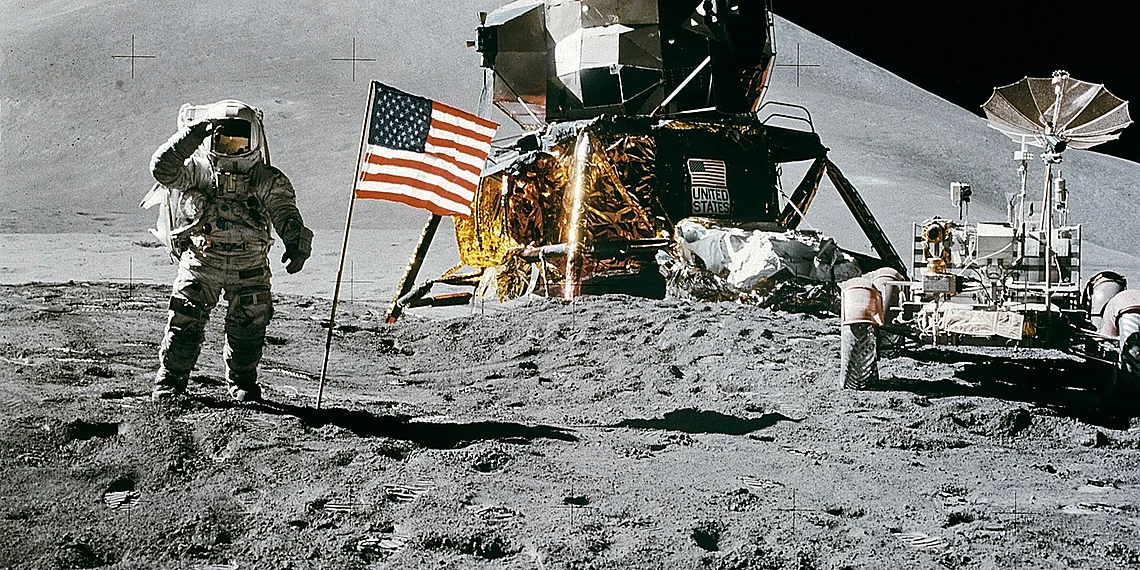
The Artemis IV Mission & Lunar South Pole Focus
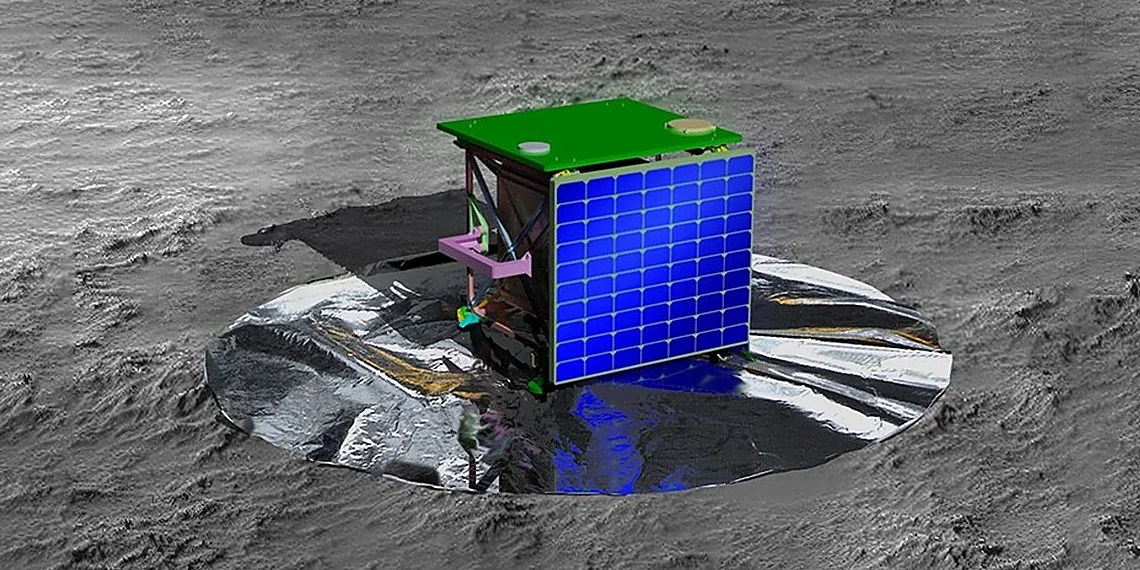
NASA’s Artemis program is steadily moving towards returning humans to the Moon, with Artemis IV representing a crucial step forward in lunar exploration. This mission isn’t just about boots on the ground; it’s designed as a sophisticated scientific endeavor, incorporating cutting-edge instruments to unlock secrets hidden within our celestial neighbor. Recently, NASA announced the selection of two key scientific payloads – DUSTER and the South Pole Seismic Sensor (SPSS) – that will be deployed by astronauts during Artemis IV. These additions significantly enhance the mission’s focus on in-situ lunar science.
The choice of the Lunar South Pole as the primary landing site for Artemis IV is far from arbitrary. This region holds immense scientific promise, largely due to its permanently shadowed craters. Unlike areas bathed in sunlight, these craters remain perpetually dark and incredibly cold – conditions potentially conducive to preserving water ice for billions of years. This ice isn’t just valuable as a potential resource for future lunar settlements (providing drinking water, oxygen, and even rocket propellant); it’s also a crucial window into the early solar system, offering clues about how water was delivered to Earth and other planets.
Beyond the prospect of water ice, the South Pole’s unique geology presents another compelling reason for investigation. The terrain is complex, featuring rugged landscapes and intriguing features that could reveal insights into the Moon’s formation and evolution. However, operating in this environment poses significant challenges. The extreme cold requires specialized instruments capable of functioning reliably at temperatures close to absolute zero, while the lack of direct sunlight limits power options and complicates communication. The selected Lunar Science Instruments are being designed with these harsh conditions explicitly in mind.
The DUSTER instrument will measure the electric field and plasma environment near the lunar surface, helping scientists understand how solar wind interacts with the Moon’s tenuous atmosphere. The SPSS, a seismometer, will detect moonquakes and other seismic activity, providing unprecedented insights into the Moon’s internal structure. Together, these instruments – and others planned for future Artemis missions – promise to transform our understanding of the Moon and its place in the history of our solar system.
Why the South Pole? Unlocking Lunar Secrets
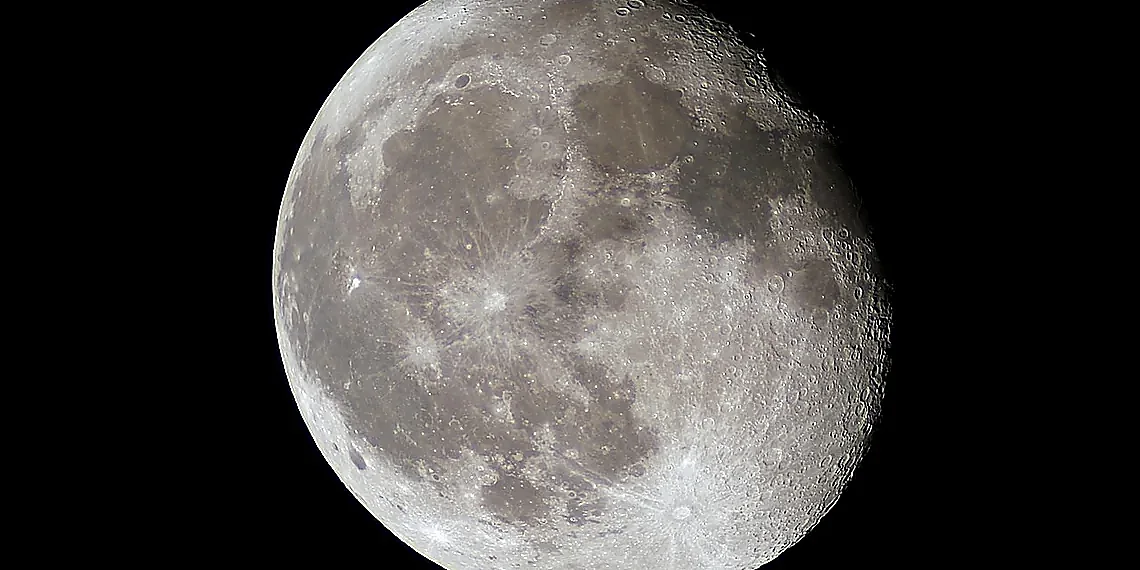
The lunar south pole holds immense scientific interest due to its unique geography and potential resources. Unlike most of the Moon’s surface, this region contains permanently shadowed craters – areas that never receive direct sunlight. These frigid environments are believed to harbor significant quantities of water ice, trapped for billions of years. This ice represents a potentially invaluable resource for future lunar missions, offering possibilities for drinking water, breathable air, and even rocket propellant through electrolysis.
Beyond the potential for water ice, the south pole’s geology promises valuable insights into the Moon’s history and formation. The permanently shadowed craters act as time capsules, preserving materials from the early solar system that have been shielded from destructive solar wind and micrometeorite impacts. Analyzing these ancient deposits could reveal clues about the origin of water on the Moon and the evolution of planetary bodies throughout our solar system.
Operating at the lunar south pole presents significant engineering challenges. The extreme cold within permanently shadowed craters (-248°C or -414°F) requires specialized equipment designed to withstand these temperatures and prevent condensation and freezing. Furthermore, communication with landers and rovers in these deep craters can be difficult due to limited line-of-sight visibility from Earth, necessitating innovative navigation and relay strategies.
Introducing DUSTER: Mapping Lunar Dust & Plasma
The Artemis IV mission will carry a suite of groundbreaking scientific instruments to the Moon’s South Pole, and among them is DUSTER: the Dust and plasma environmenT survEyoR. Developed by NASA’s Jet Propulsion Laboratory (JPL) under the leadership of Mark Panning, DUSTER isn’t just another sensor; it’s a dedicated toolkit designed to comprehensively characterize the lunar dust environment and its interaction with the surrounding plasma. Understanding this complex interplay is crucial for ensuring the safety and success of future Artemis missions and paving the way for sustained lunar presence.
Lunar dust presents a significant challenge to both robotic equipment and human explorers. Its abrasive nature can damage spacesuits, instruments, and machinery, while its tendency to cling to surfaces complicates operations and reduces visibility. DUSTER aims to address this directly by employing multiple sensors – including electrostatic analyzers, Faraday cups, and impact detectors – to measure the size, charge, velocity, and density of dust grains in the lunar environment. These measurements will be taken across a wide range of distances from the landing site, providing a detailed profile of the dust distribution.
Beyond simply identifying dust particles, DUSTER’s plasma sensors will investigate how solar wind interacts with the Moon’s surface. This interaction creates a tenuous plasma environment that influences dust behavior and can even affect spacecraft charging. By correlating dust properties with plasma conditions, scientists hope to unravel the fundamental processes governing lunar dust transport and deposition – phenomena currently poorly understood. The data gathered by DUSTER will be invaluable for developing strategies to mitigate dust hazards and optimize mission planning.
Ultimately, DUSTER’s contribution extends beyond immediate operational concerns. The wealth of data it collects will enhance our understanding of the Moon’s surface environment, contributing to a broader scientific picture of how planetary bodies interact with their surrounding space weather. This knowledge is not only vital for Artemis but also informs our exploration strategies for other airless worlds throughout the solar system.
Dust Dynamics: A Critical Lunar Challenge

Lunar dust, also known as regolith, presents a significant challenge for both equipment and astronauts operating on the Moon’s surface. Unlike Earth’s soil, lunar dust is extremely fine, abrasive, and electrostatically charged. These properties cause it to cling to spacesuits, infiltrate machinery, and degrade sensitive components, potentially leading to reduced operational lifespan and increased risk for missions. The lack of atmosphere on the Moon means there are no natural weathering processes to break down this material, allowing it to accumulate and persist.
The Dust and plasma environmenT survEyoR (DUSTER) instrument, selected for inclusion in NASA’s Artemis IV mission, is designed to characterize the behavior and properties of lunar dust. Developed by JPL under the leadership of Mark Panning, DUSTER will provide crucial data on dust particle size distribution, charging potential, and transport mechanisms near the lunar south pole. This information is vital for developing mitigation strategies to protect future lunar habitats and equipment.
DUSTER utilizes a suite of sensors including Faraday cups, electrostatic analyzers, and a dust detector. The Faraday cups measure the flux (flow) of charged particles, allowing scientists to determine the electrical charging of dust grains. Electrostatic analyzers characterize the energy and angle of incoming plasma, which contributes to dust charging. Finally, the dust detector directly measures the impact rate and size of dust particles striking its surface, providing a direct assessment of dust transport dynamics at the landing site.
SPSS: Seismic Activity on the Moon
The Artemis IV mission is set to significantly advance our understanding of the Moon, and a key component of this endeavor is the South Pole Seismic Station (SPSS). This sophisticated instrument will serve as the Moon’s dedicated seismograph, meticulously recording moonquakes and other seismic activity. Unlike previous lunar missions that relied on short-term deployments of seismometers, SPSS is designed for long-duration operation, enabling scientists to gather a wealth of data over an extended period – crucial for discerning patterns and subtle variations in lunar seismic behavior.
So, what exactly can SPSS tell us? The Moon isn’t entirely geologically ‘dead.’ While it lacks the dramatic plate tectonics seen on Earth, it still experiences moonquakes, primarily caused by tidal stresses from Earth, meteoroid impacts, and potentially thermal expansion and contraction of the lunar crust. By analyzing the frequency, amplitude, and duration of these seismic waves as they travel through the Moon’s interior, scientists can build a detailed picture of its internal structure – identifying boundaries between different layers (crust, mantle, core), determining their composition, and even searching for evidence of past volcanic activity or tectonic movement.
The data collected by SPSS will be invaluable in refining our models of lunar evolution. Understanding the Moon’s interior provides critical insights into the early solar system, as the Moon is believed to have formed from debris ejected after a giant impact on Earth. Furthermore, the absence (or presence) of specific seismic wave reflections can reveal details about the Moon’s core – whether it is partially molten or entirely solid – which has significant implications for our understanding of its magnetic field history and overall thermal evolution.
Beyond simply detecting tremors, SPSS will contribute to a more holistic view of the lunar environment. By correlating seismic data with other measurements from Artemis IV’s instruments (such as those measuring gravity and surface composition), scientists can create a comprehensive dataset that reveals how the Moon’s interior interacts with its surface and surrounding space – a critical step in unlocking the secrets held within our nearest celestial neighbor.
Listening to the Moon’s Heartbeat
The South Pole Seismic Station (SPSS), one of two instruments selected for NASA’s Artemis IV mission, is designed to detect and analyze moonquakes – seismic events occurring within the Moon. Unlike Earth’s seismometers which rely on a complex network, SPSS will operate autonomously at the lunar south pole, recording vibrations caused by meteoroid impacts, thermal stresses in the crust, and potentially, deeper internal activity. It utilizes sensitive broad-band sensors to capture a wide range of frequencies, providing a more comprehensive picture of lunar seismic activity than previous missions like Apollo.
By analyzing the patterns and characteristics of these moonquakes – their arrival times, amplitudes, and frequencies – scientists can infer details about the Moon’s interior structure. Different layers within the Moon (crust, mantle, core) will reflect and refract seismic waves in unique ways. Studying these wave behaviors allows researchers to map the thickness and density of each layer, as well as determine the composition of the lunar mantle, which remains largely unknown.
Ultimately, SPSS data aims to address fundamental questions about the Moon’s geological history and ongoing processes. While currently believed to be relatively inactive tectonically compared to Earth, subtle movements or stresses within the lunar interior could still exist. The instrument’s measurements will help determine if any such activity is present, providing valuable insights into how the Moon formed and evolved over billions of years.
Future Implications & The Path Forward
The selection of instruments like DUSTER and SPSS for Artemis IV represents more than just another scientific mission; it’s a critical step in laying the groundwork for sustained human presence on the Moon. Understanding the lunar environment, particularly its dust behavior and seismic activity, is no longer a purely academic pursuit – it’s a prerequisite for building and operating long-term lunar bases. DUSTER will provide invaluable data about the electrostatic properties of lunar dust, helping engineers design habitats and equipment that can withstand its abrasive effects and prevent operational failures due to dust accumulation. Similarly, SPSS’s seismic readings will reveal insights into the Moon’s internal structure and potential hazards like moonquakes, vital information for ensuring the safety of future astronauts and infrastructure.
Beyond immediate safety concerns, these Lunar Science Instruments contribute directly to our ability to utilize lunar resources effectively. The data from DUSTER, for example, can inform strategies for mitigating dust interference with solar panel efficiency – a key consideration if we’re relying on solar power for lunar operations. Understanding the Moon’s seismic activity also helps assess potential risks associated with resource extraction activities, such as mining ice deposits near the poles or excavating materials for construction. Each piece of data collected enhances our predictive capabilities and minimizes unforeseen challenges in future endeavors.
Looking further ahead, the success of Artemis IV’s instrument package will pave the way for even more sophisticated scientific payloads on subsequent missions. The experience gained from deploying and operating DUSTER and SPSS will inform the design and implementation of future instruments tailored to address increasingly complex questions about the Moon’s history, composition, and potential for supporting life – whether that be in situ resource utilization or eventually, a stepping stone for deep space exploration. This iterative process of scientific discovery and technological refinement is essential for achieving NASA’s long-term goals.
Ultimately, the implications extend beyond just lunar science; these instruments are advancing our capabilities across the entire field of planetary exploration. The techniques and technologies developed for DUSTER and SPSS – including miniaturization, power efficiency, and autonomous operation – will have applications far beyond the Moon, benefiting missions to Mars, asteroids, and other celestial bodies. This investment in Lunar Science Instruments isn’t just about understanding our nearest neighbor; it’s about pushing the boundaries of human knowledge and technological innovation across the solar system.
Building Blocks for a Lunar Base?
The selection of DUSTER (DoST plaSma environmenT survEyoR) and SPSS (South Pole Seismic Sensor) for the Artemis IV mission signifies more than just immediate scientific discovery; it represents a crucial step towards establishing a sustainable lunar base. Understanding the behavior of lunar dust, a pervasive abrasive material with potential health and equipment hazards, is paramount for long-term human habitation. DUSTER will directly address this by characterizing the electrostatic properties and movement patterns of dust grains in the tenuous lunar atmosphere near the South Pole.
Similarly, SPSS’s ability to monitor seismic activity provides essential data for assessing structural stability and resource localization. Predicting potential moonquakes or landslides is critical for designing safe habitats and infrastructure. The data collected will inform decisions about construction site selection, potentially revealing subsurface ice deposits – a vital resource for propellant production and life support systems, significantly reducing reliance on Earth-based resupply.
Ultimately, the insights gained from DUSTER and SPSS contribute to a broader understanding of the lunar environment, minimizing risks and maximizing opportunities for future human missions. By characterizing dust behavior and seismic activity with this level of detail, NASA is laying the groundwork for a safer, more sustainable, and economically viable long-term presence on the Moon.
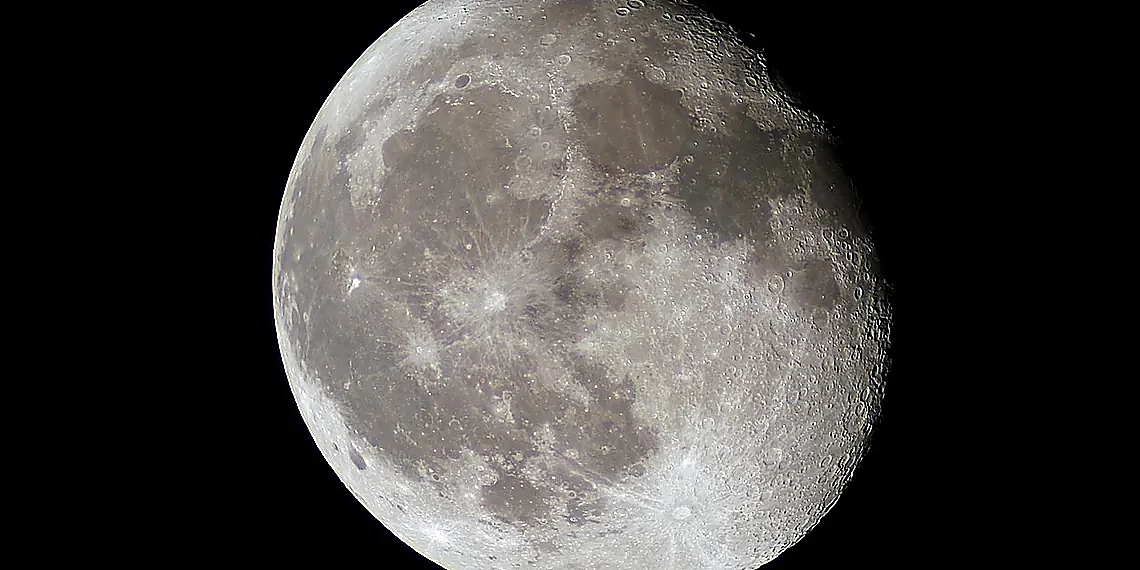
Artemis IV represents a monumental leap forward in lunar exploration, promising unprecedented insights into our celestial neighbor.
The carefully selected suite of instruments onboard will allow scientists to probe the Moon’s south pole region with remarkable detail, searching for water ice and analyzing its composition – vital resources for future sustained presence.
We’ve explored how these advanced tools, collectively known as Lunar Science Instruments, are designed not just to observe, but to actively investigate the lunar environment, unlocking secrets hidden beneath the surface.
From mapping subsurface structures to characterizing the radiation environment, each instrument plays a crucial role in building a comprehensive understanding of the Moon’s history and potential for future utilization by humans and robots alike. The data they gather will revolutionize our models and challenge existing assumptions about the lunar formation and evolution processes involved over billions of years..”,
Continue reading on ByteTrending:
Discover more tech insights on ByteTrending ByteTrending.
Discover more from ByteTrending
Subscribe to get the latest posts sent to your email.