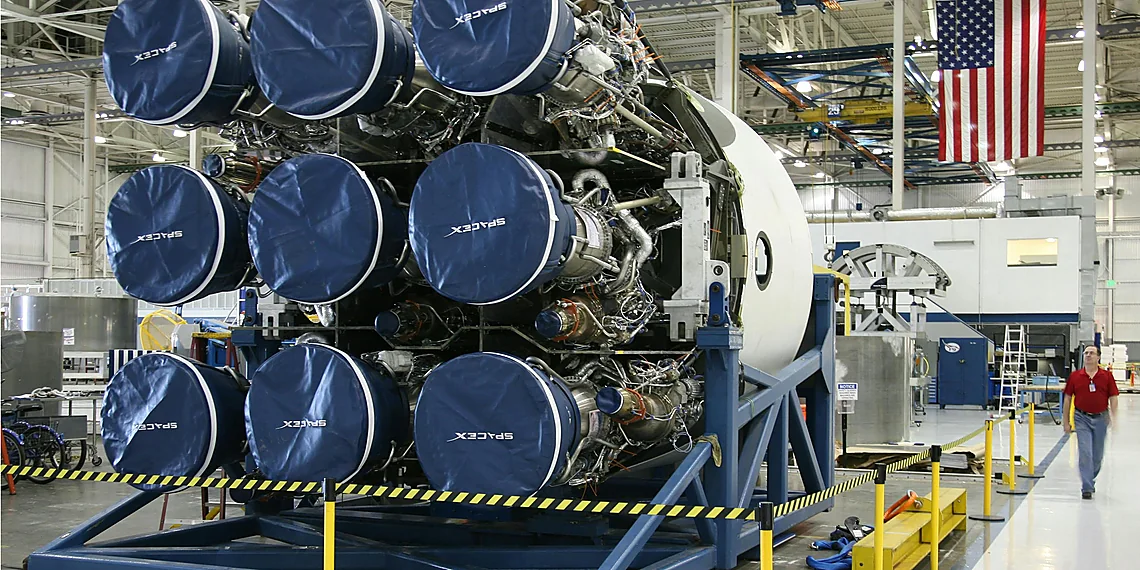
The Earth welcomed back a team of intrepid explorers recently, marking the triumphant conclusion of an incredible journey into orbit. After months spent conducting vital research and pushing the boundaries of human spaceflight, the crew safely splashed down in the Atlantic Ocean, bringing a wealth of data and experience home with them. This mission, known as SpaceX Crew-11, represents another significant milestone for both NASA and SpaceX, solidifying their partnership in advancing our understanding of the cosmos. The dedicated team included astronauts from the United States, Denmark, Japan, and Russia, each contributing unique expertise to the mission’s objectives. Their time aboard the International Space Station was packed with scientific experiments, technological demonstrations, and invaluable observations that will inform future space exploration endeavors. The successful return underscores not only the precision of SpaceX’s technology but also the unwavering commitment of these astronauts to expanding humanity’s reach beyond our planet, paving the way for even more ambitious missions to come.
We celebrate this achievement as a testament to international collaboration and relentless innovation in the pursuit of scientific discovery. The data gathered by SpaceX Crew-11 will be meticulously analyzed by researchers worldwide, potentially leading to breakthroughs in fields ranging from medicine to materials science. This mission’s success reinforces the potential for long-duration space travel and inspires future generations to dream bigger about what’s possible beyond Earth’s atmosphere.
As we look ahead, this return serves as a springboard for even more ambitious projects, including lunar missions and eventual journeys to Mars. The lessons learned from SpaceX Crew-11 will undoubtedly shape the design and execution of these future endeavors, ensuring continued success in our quest to explore the universe.
Mission Overview & Key Accomplishments
The SpaceX Crew-11 mission, recently concluding with a successful splashdown in the Pacific Ocean, represents another triumph in commercial human spaceflight and international collaboration. This five-month expedition aboard the International Space Station (ISS) was far more than just a trip; it was a meticulously planned undertaking focused on advancing scientific understanding and ensuring the continued operation of humanity’s orbital outpost. The primary objectives revolved around conducting cutting-edge research, performing essential maintenance tasks, and preparing the ISS for future missions – all while pushing the boundaries of what’s possible in low Earth orbit.
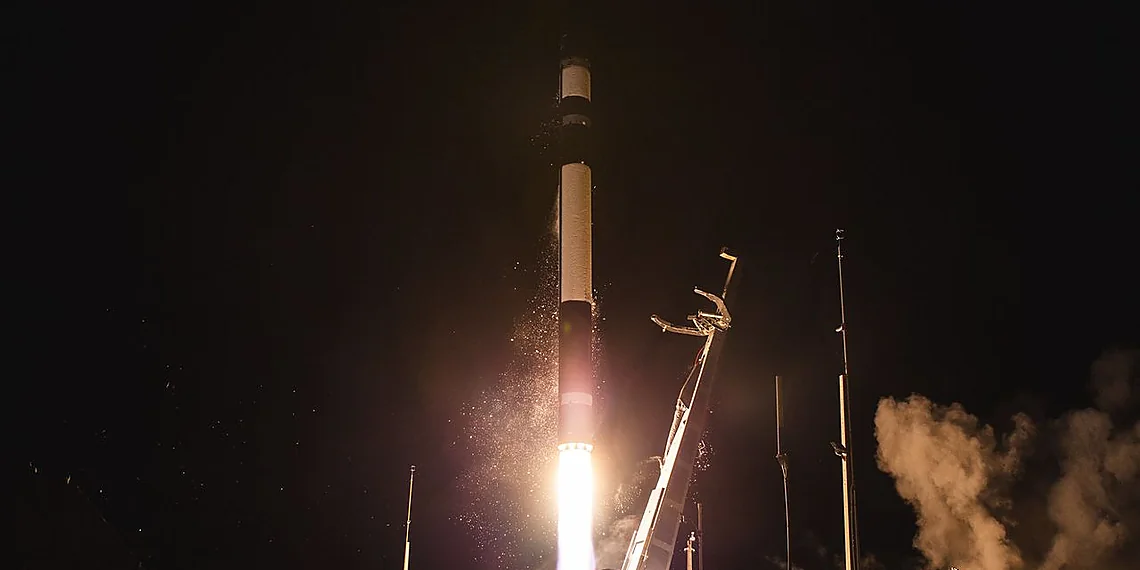
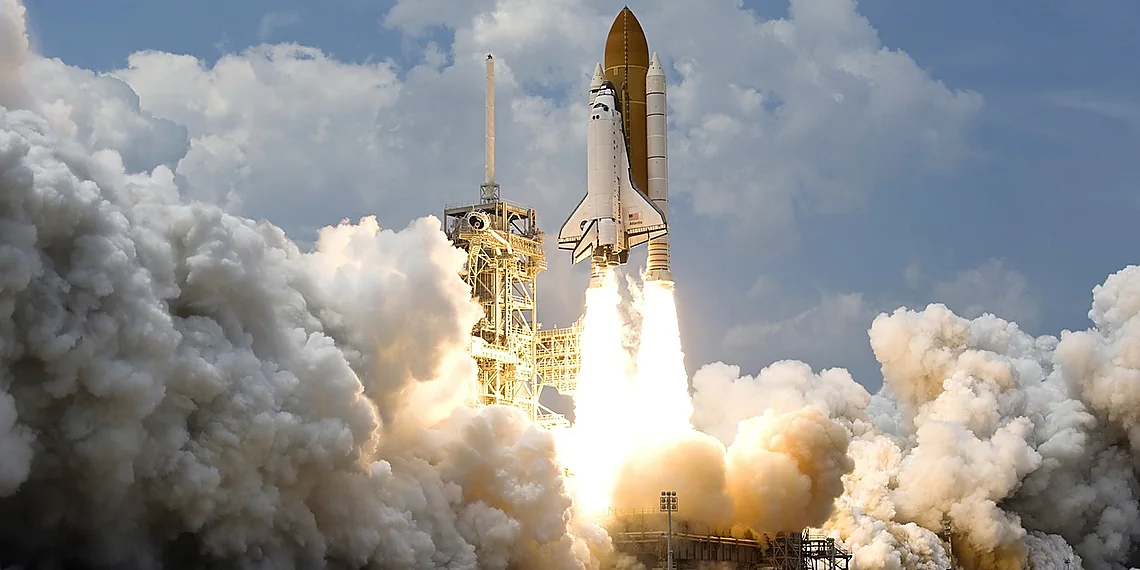
A cornerstone of the Crew-11 mission was its dedication to scientific exploration. Astronauts diligently carried out a wide range of experiments spanning diverse fields. Notably, they contributed significantly to research exploring the effects of microgravity on human physiology, which holds immense potential for improving healthcare both in space and on Earth. Other key areas included materials science – testing new alloys and composites vital for future spacecraft construction – and agricultural studies aimed at developing sustainable food production methods for long-duration space travel. These investigations weren’t just academic exercises; they represent tangible steps towards expanding our knowledge of the universe and improving life here at home.
Beyond scientific pursuits, the Crew-11 team played a crucial role in maintaining the ISS’s operational integrity. Regular maintenance checks were performed on vital systems like power generation, environmental control, and life support – tasks critical for keeping the station running smoothly and safely. Furthermore, astronauts participated in upgrades to existing equipment, including enhancements to communication systems and robotic arms. These ongoing improvements are essential not only for the current crew but also for future inhabitants of the ISS, guaranteeing its continued relevance as a vital platform for scientific discovery and international cooperation.
The successful completion of the SpaceX Crew-11 mission underscores the importance of both commercial partnerships like those with SpaceX and the unwavering commitment to international collaboration in space exploration. The data gathered, maintenance performed, and upgrades implemented during their time aboard the ISS will contribute significantly to future missions, paving the way for even more ambitious endeavors – from lunar bases to deep-space probes. This mission serves as a powerful reminder of humanity’s ongoing quest to understand our place in the cosmos.
Scientific Research Highlights

During their extended stay on the International Space Station, the SpaceX Crew-11 team conducted a remarkable array of scientific experiments with implications for life here on Earth and beyond. One notable study focused on how microgravity affects human immune cells, crucial for understanding the long-term health impacts of space travel – vital knowledge as we plan future missions to the Moon and Mars. Results from this research could also lead to breakthroughs in treating autoimmune diseases back on Earth by offering new insights into immune system function.
Another key area of investigation involved materials science, specifically exploring how different alloys behave when exposed to the vacuum and radiation of space. These experiments aimed to develop stronger, lighter materials for future spacecraft and satellites, potentially reducing launch costs and improving the durability of orbiting infrastructure. One particularly intriguing project investigated a novel ceramic composite, showing promising results in terms of its resistance to extreme temperatures and micrometeoroid impacts.
Beyond human health and material science, Crew-11 also supported an experiment focused on plant growth in space, attempting to optimize food production for long-duration missions. This research looked at how specific nutrient solutions and light wavelengths impact the growth of leafy greens – a critical step towards creating self-sustaining habitats beyond Earth.
ISS Maintenance & Upgrades
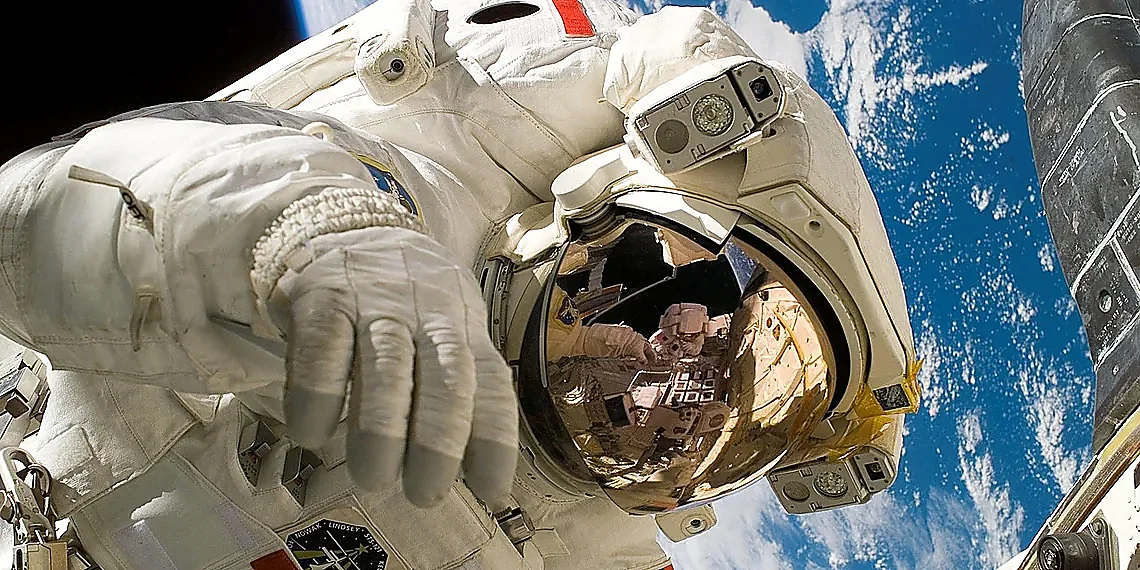
During their extended stay on the International Space Station, the SpaceX Crew-11 astronauts undertook critical maintenance and upgrade projects vital for the station’s long-term operability and continued support of human space habitation. These tasks were essential to ensure that the ISS remains a functional platform for scientific research and a stepping stone for future deep-space exploration missions.
A significant undertaking involved the installation and commissioning of new life support systems, including enhancements to the water recycling system. This upgrade aimed to improve efficiency in resource utilization, reducing dependence on resupply missions from Earth and making long-duration stays more sustainable. Additionally, crew members performed routine inspections and repairs on various ISS modules, addressing potential issues before they could escalate into larger problems affecting station functionality.
Beyond hardware maintenance, the Crew-11 team also focused on software updates for critical systems controlling everything from power distribution to environmental monitoring. These upgrades are crucial for maintaining cybersecurity protocols and ensuring optimal performance of all onboard equipment, demonstrating a proactive approach to safeguarding the ISS against potential vulnerabilities as it continues its vital role in space exploration.
The Crew & Their Journeys
The SpaceX Crew-11 mission wasn’t just about scientific experiments and orbital maintenance; it was about the remarkable individuals who spent over five months living and working together in the challenging environment of the International Space Station. Let’s take a moment to meet each member of this international team: NASA astronauts Zena Cardman, a skilled flight engineer known for her expertise in robotics and systems engineering, and veteran astronaut Mike Fincke, whose four previous spaceflights showcase his deep understanding of orbital operations and spacewalking techniques. Their combined experience proved invaluable throughout the mission’s duration.
Joining them from Japan was Kimiya Yui, an accomplished JAXA astronaut with a background in materials science. His research focus on crystal growth in microgravity contributed significantly to ongoing ISS experiments aimed at developing new technologies for various industries back on Earth. Beyond his scientific contributions, Yui’s calm demeanor and infectious enthusiasm brought a unique perspective to the crew dynamic, offering a much-needed sense of levity during long periods away from home.
Representing Roscosmos, Oleg Platonov, a seasoned cosmonaut with extensive experience in both Soyuz spacecraft operations and ISS systems, brought years of invaluable knowledge. His expertise was critical for maintaining the station’s Russian segment and collaborating effectively with international partners. Beyond his technical skills, Platonov’s storytelling and shared moments of reflection helped foster a sense of camaraderie among the crew members, bridging cultural differences and solidifying their bond as they navigated life in orbit.
Each member of SpaceX Crew-11 brought a unique skillset and personality to the ISS, demonstrating the power of international collaboration in pushing the boundaries of human exploration. Their journey home marks not only the successful completion of a critical mission but also the culmination of individual dreams and shared experiences that will undoubtedly shape their lives and inspire future generations of space explorers.
Individual Perspectives
NASA astronaut Zena Cardman, a biomedical engineer specializing in bone health, reflected on the unique challenges of microgravity, noting that while it offered incredible freedom of movement, maintaining physical fitness required diligent effort. She shared a poignant moment observing Earth from orbit – the vibrant blues of the oceans contrasting sharply with the arid landscapes, instilling a profound sense of responsibility for our planet’s well-being.
Veteran astronaut Mike Fincke, known for his extensive time in space and previous ISS expeditions, emphasized the importance of teamwork during the Crew-11 mission. He recounted a particularly challenging repair task on the station’s exterior where precise coordination between himself and cosmonaut Oleg Platonov was crucial to success, highlighting the seamless collaboration that transcends international boundaries.
JAXA astronaut Kimiya Yui expressed awe at the sheer beauty of the aurora borealis as witnessed from space. He described it as a “living painting” – an ethereal display of light and color unlike anything he’d ever experienced on Earth. Roscosmos cosmonaut Oleg Platonov, meanwhile, focused on the critical scientific research conducted during their stay, stating that the data collected will be invaluable for future long-duration space missions.
SpaceX’s Role & Future Implications
SpaceX’s pivotal role in the Crew-11 mission underscores the ongoing and increasingly vital partnership between NASA and the commercial space sector. The Commercial Crew Program, initiated to revitalize American human spaceflight capabilities after the Space Shuttle program’s retirement, has seen remarkable success with SpaceX at its forefront. Crew-11 isn’t just a return trip; it represents years of collaborative development and refinement of the Falcon 9 rocket and Crew Dragon spacecraft, drastically reducing launch costs compared to previous methods while simultaneously fostering innovation in crew safety and mission operations. This successful partnership allows NASA to focus resources on deep space exploration initiatives like Artemis, knowing that reliable access to low Earth orbit is assured.
The continued reliance on SpaceX for human spaceflight is a strategic decision with far-reaching implications. By outsourcing routine ISS transportation to a private company, NASA can redirect funding and expertise towards ambitious goals beyond our planet. The Crew Dragon’s capabilities extend beyond simply ferrying astronauts; it also provides cargo transport, vital for maintaining the ISS and conducting scientific research that benefits life on Earth. This frees up NASA to concentrate on developing advanced technologies – lunar landers, deep space habitats, and propulsion systems – necessary for sustainable human presence on the Moon and eventually Mars.
Looking ahead, SpaceX’s involvement is crucial for enabling more complex deep-space missions. The Crew Dragon’s design incorporates elements that could be adapted for future interplanetary travel, potentially serving as a template for crewed vehicles venturing further into our solar system. Furthermore, the experience gained through Crew-11 – from in-space operations to reentry and splashdown procedures – provides invaluable data that will inform the development of even more advanced spacecraft capable of withstanding the harsh conditions of deep space.
The success of SpaceX’s Crew-11 mission reaffirms a new era of space exploration, one where public-private partnerships drive innovation and expand humanity’s reach beyond Earth. This model not only accelerates progress but also diversifies approaches to tackling the challenges inherent in venturing into the cosmos, paving the way for a future where lunar bases, Martian settlements, and even interstellar probes become a reality.
Commercial Crew Program Success
The successful return of the SpaceX Crew-11 mission underscores the continuing triumph of NASA’s Commercial Crew Program. Initiated in 2014, this program aimed to foster a partnership between NASA and private aerospace companies like SpaceX, shifting away from sole reliance on government-built spacecraft for crewed missions to the International Space Station (ISS). By contracting with commercial providers, NASA has been able to leverage innovation and competition within the private sector, resulting in significantly reduced costs compared to previous human spaceflight endeavors.
The Crew-11 mission itself exemplifies this success. SpaceX’s Falcon 9 rocket and Crew Dragon spacecraft have repeatedly demonstrated their reliability and efficiency in transporting astronauts safely to and from orbit. This capability not only ensures consistent access to the ISS for American and international partners, but also frees up NASA resources that can be directed towards more ambitious goals such as lunar exploration through the Artemis program and future missions to Mars.
The partnership established by the Commercial Crew Program represents a fundamental shift in how space travel is approached. It allows for rapid iteration on technology, increased accessibility to low Earth orbit, and ultimately paves the way for broader participation in space exploration from both government agencies and private entities. The ongoing success of SpaceX’s missions, including Crew-11, reinforces this model as a crucial component of NASA’s future strategy.

The triumphant return of the SpaceX Crew-11 mission marks another significant milestone in our collective journey beyond Earth, solidifying a new era of international collaboration and technological advancement.
This remarkable endeavor underscored not only the meticulous planning and engineering prowess involved but also the unwavering dedication of the astronauts who bravely ventured into the cosmos to conduct vital research and expand our understanding of the universe.
The data gathered during their time in orbit promises invaluable insights for future space exploration, paving the way for longer-duration missions and potentially even human settlements on other celestial bodies.
Witnessing the successful completion of SpaceX Crew-11 highlights the incredible synergy between public and private sectors in achieving ambitious goals that once seemed unimaginable, demonstrating how innovation can truly propel us forward as a species. It’s an inspiring testament to what we can accomplish when we pool our resources and expertise towards a shared vision of discovery. The mission’s achievements will undoubtedly inform upcoming projects and inspire the next generation of scientists and engineers. This is just one chapter in humanity’s ongoing story among the stars, and it’s clear that space travel continues to evolve at an astonishing pace. If you’re captivated by these advancements and eager to witness what lies ahead, we encourage you to explore NASA’s website for details on future missions and delve into SpaceX’s exciting plans for continued involvement in shaping our destiny among the stars.
Continue reading on ByteTrending:
Discover more tech insights on ByteTrending ByteTrending.
Discover more from ByteTrending
Subscribe to get the latest posts sent to your email.