
For decades, lunar science has captivated imaginations, fueled by iconic missions and groundbreaking discoveries about our celestial neighbor.
But what if I told you that a significant piece of the puzzle, hidden in plain sight for over fifty years, is only now beginning to reveal its secrets?
It’s a story not of new data acquisition, but of re-examining something we already have: invaluable lunar material brought back by the Apollo astronauts.
Scientists are revisiting archived samples, employing cutting-edge analytical techniques unavailable during the original investigations, and uncovering unexpected insights about the Moon’s composition and history – particularly concerning sulfur abundance which was initially underestimated in early analyses of Apollo samples. This reevaluation is reshaping our understanding of lunar formation and evolution, challenging long-held assumptions and opening exciting new avenues for research. The implications extend beyond just lunar science; they offer clues to the broader processes that shaped the early solar system.
The Vaulted Legacy: Why These Samples Were Saved
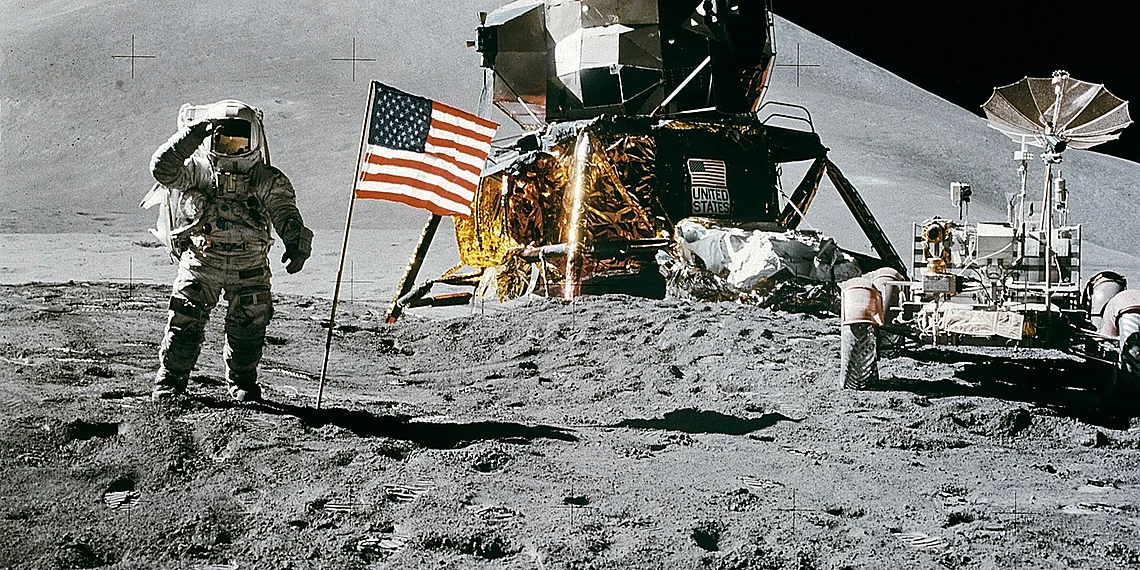
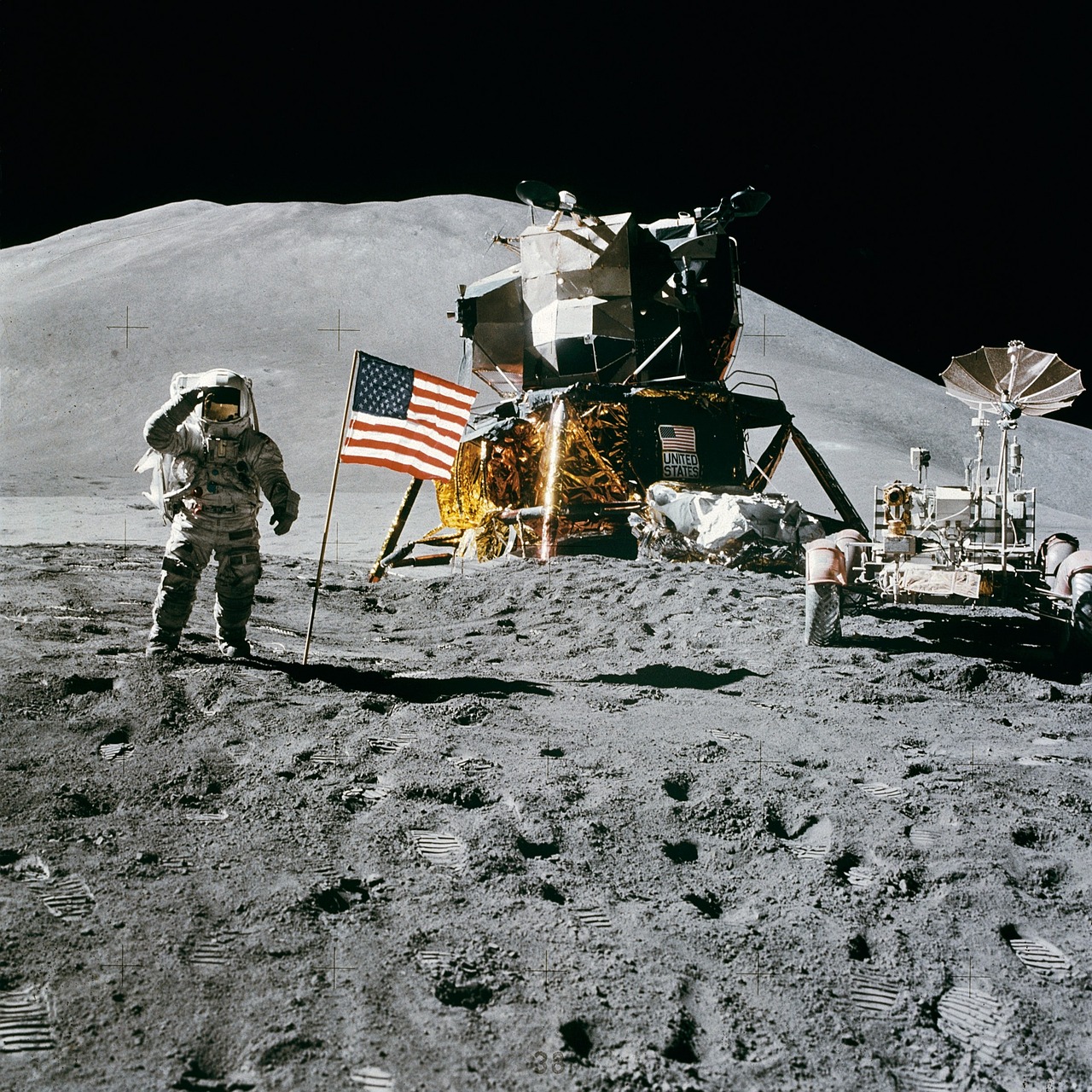
The Apollo program, culminating with Apollo 17 in 1972, represented a pinnacle of human achievement. But beyond the iconic images and first steps on the Moon, a crucial aspect often overlooked was the deliberate preservation of certain lunar samples for future study. NASA recognized even then that technology would advance exponentially, making analyses impossible at the time simply due to limitations in instrumentation. Rather than exhaustively analyzing every rock and soil specimen immediately upon return, a portion – approximately 382 kilograms – were carefully sealed in specialized containers and stored in dedicated facilities, essentially acting as a scientific time capsule.
The foresight behind this strategy was remarkable. Scientists understood that questions about the Moon’s origin, composition, and geological history would evolve over decades. Techniques like mass spectrometry, isotopic analysis, and advanced microscopy, which are commonplace today, were either unavailable or insufficiently developed in the 1970s to fully unlock the secrets held within these lunar rocks. The decision wasn’t simply about saving samples; it was a calculated investment in future scientific exploration – ensuring that tools yet to be invented could one day illuminate previously hidden details.
These ‘vaulted’ Apollo samples weren’t just haphazardly stored either. Strict protocols were established for their preservation, minimizing contamination and maintaining their pristine condition. The facilities housing them are meticulously controlled environments, designed to prevent degradation over long periods. This commitment to long-term storage reflects a deep understanding of the scientific process: sometimes, the most groundbreaking discoveries come not from immediate answers, but from revisiting old questions with new perspectives and capabilities.
Now, decades later, these carefully preserved Apollo samples are proving their worth in spectacular fashion. Recent analyses, utilizing cutting-edge technology, are revealing previously unknown details about lunar composition – as demonstrated by the recent sulfur discovery (discussed elsewhere). This underscores the brilliance of the original decision to safeguard these invaluable resources and highlights the enduring legacy of the Apollo program.
A Time Capsule of Lunar Knowledge

The Apollo 17 mission, conducted in December 1972 by astronauts Eugene Cernan and Harrison Schmitt, marked the end of NASA’s lunar landing program. During their time on the Moon, they collected a substantial amount of rock and soil samples from the Taurus-Littrow valley, an area chosen for its geological diversity. Recognizing that analytical techniques available at the time were limited, mission planners made the deliberate decision to preserve a portion of these samples – approximately one-fifth by weight – in specially sealed containers. These ‘frozen’ samples were intended as a resource for future generations of scientists equipped with more sophisticated instrumentation.
The foresight behind this preservation strategy stemmed from the understanding that certain analyses simply weren’t feasible with 1970s technology. For instance, techniques like high-resolution mass spectrometry and advanced isotopic dating methods, which are now commonplace, were either in their infancy or nonexistent at the time. Storing these samples ‘frozen’ ensured that they would remain pristine and unaltered, allowing future scientists to apply cutting-edge technologies without contamination from earlier, less precise analyses.
This practice wasn’t unique to Apollo 17; similar preservation protocols were implemented for previous missions as well, though Apollo 17 yielded the largest amount of preserved material. The decision reflected a broader commitment to long-term scientific investment – essentially creating a time capsule of lunar knowledge that would unlock new insights with the passage of time and technological advancements. Recent analysis utilizing advanced techniques on these previously ‘frozen’ samples, such as those detailing sulfur content, exemplifies the value of this strategic foresight.
Unlocking the Sulfur Enigma
For decades, carefully sealed samples from NASA’s Apollo missions have waited patiently, treasures locked away for future generations of scientists to unlock their secrets. Now, a groundbreaking analysis of these ‘pristine’ lunar rocks – retrieved during the final Apollo 17 mission in 1972 – has revealed an unexpected and fascinating discovery: exotic forms of sulfur that challenge our understanding of the Moon’s interior. This isn’t just about finding sulfur; it’s about uncovering a previously unknown complexity within the lunar crust, and it highlights the enduring value of preserving samples for future study.
The surprise lies in the form of sulfur found – it’s not the familiar, common type we find on Earth. Scientists have identified several distinct crystalline structures of sulfur exhibiting unusual isotopic ratios. This ‘exotic sulfur,’ as researchers are calling it, suggests a unique history and formation process within the Moon’s mantle or crust that differs significantly from what we previously thought. Imagine different types of ice – all H2O but with varying crystal structures; this is similar to how sulfur can exist in multiple forms depending on its conditions of creation.
The presence of these unusual sulfur varieties provides vital clues about the processes that shaped the Moon’s interior billions of years ago. Sulfur often acts as a tracer element, meaning it carries information about the geological events and chemical reactions that occurred during its formation. By studying the isotopic signatures of this exotic sulfur, scientists hope to reconstruct the conditions under which it formed, potentially revealing details about volatile transport, magma differentiation, and even early impact events on the Moon. This discovery underscores how much we still have to learn from the Apollo missions.
This research reinforces the wisdom of preserving lunar samples for future analysis. The technology available in 1972 simply couldn’t detect these subtle differences in sulfur composition. Today’s advanced analytical techniques are allowing us to delve deeper into the Moon’s history than ever before, demonstrating that even decades after their return, Apollo samples continue to yield remarkable scientific insights and fundamentally alter our understanding of our celestial neighbor.
Beyond Ordinary Sulfur: The Exotic Form Revealed
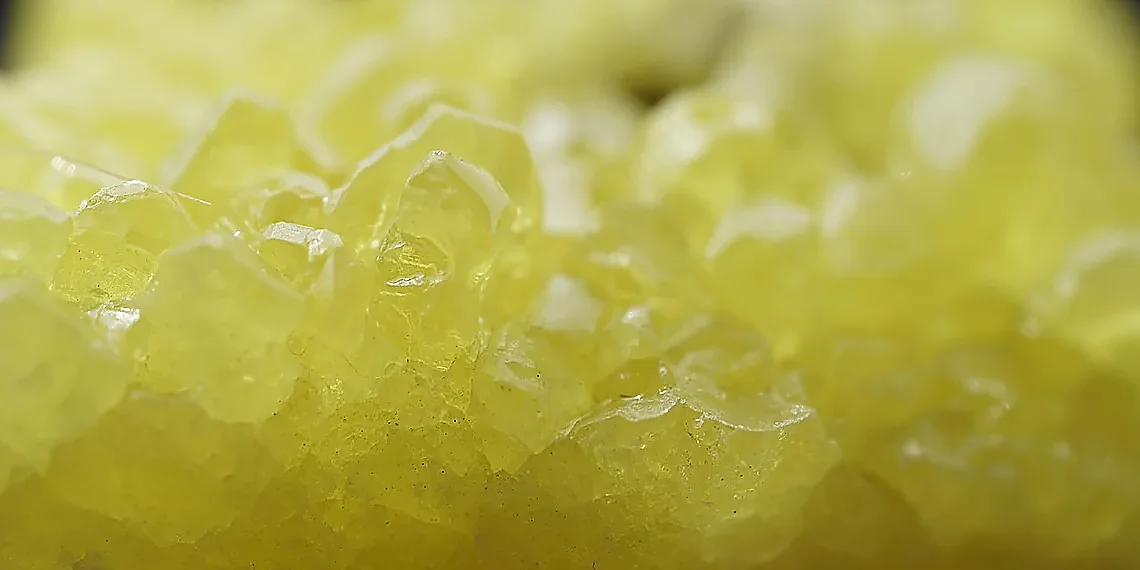
For decades, scientists believed that sulfur on the Moon existed primarily in familiar forms – similar to what we find here on Earth. However, recent analysis of Apollo 17 samples, using advanced X-ray techniques, has revealed something quite unexpected: a form of sulfur unlike anything previously observed on our planet. This ‘exotic sulfur’ isn’t just about a different color or smell; it represents a unique crystalline structure – essentially, the atoms are arranged in an unusual and stable pattern.
What makes this exotic sulfur particularly intriguing is its isotopic composition. Isotopes are variations of an element with differing numbers of neutrons. The ratios of these isotopes within the lunar sulfur differ significantly from those found on Earth, hinting at a distinct origin or formation process. This difference strongly suggests that the sulfur didn’t simply come from Earth via meteorites; it likely originated deep within the Moon’s interior or was deposited by some other extraterrestrial source.
The discovery of this exotic sulfur has profound implications for our understanding of the Moon’s geological history and internal processes. It offers clues about conditions that existed during the early stages of lunar formation, potentially revealing information about volatile transport (the movement of substances like sulfur) within the moon’s core and mantle. Further study promises to refine models of planetary evolution not just for the Moon, but also for other rocky bodies in our solar system.
Rewriting Lunar Mantle Theories
For decades, scientists have relied on existing models to understand the Moon’s internal structure – essentially, how it’s layered beneath its surface. These models generally depict a relatively simple mantle, the thick layer between the crust and core, formed primarily from materials separated during the early solar system. However, recent analysis of previously unopened Apollo samples is forcing a significant rethink. Researchers using cutting-edge techniques have detected unexpectedly high concentrations of sulfur within lunar mantle material retrieved by the Apollo 17 mission in 1972 – samples that were deliberately preserved for future study with more advanced instrumentation.
The discovery of this elevated sulfur content presents a challenge to established theories about how the Moon formed and evolved. The prevailing giant-impact hypothesis suggests the Moon arose from debris ejected when a Mars-sized object collided with early Earth. This model, while widely accepted, doesn’t easily explain the presence of such abundant sulfur in the lunar mantle. Sulfur isn’t particularly common in the materials thought to have been involved in that initial impact and subsequent moon formation.
So, where did this sulfur come from? One leading hypothesis suggests interactions with meteorites – specifically carbonaceous chondrites – which are rich in volatile elements like sulfur. These celestial bodies may have bombarded the early Moon, delivering sulfur-bearing compounds into its mantle. Another possibility is that the lunar mantle interacted with a previously unknown source of sulfur within the early solar system, perhaps originating from a different protoplanetary body. The ‘mantle,’ to put it simply, is like Earth’s (and the Moon’s) middle layer – think of an onion; it’s the thickest part between the outer shell and the core.
This sulfur surprise underscores the immense value of preserving lunar samples for future analysis. It highlights how our understanding of planetary formation is constantly evolving, driven by technological advancements and unexpected discoveries from missions like Apollo. Future research will focus on refining these hypotheses and investigating other volatile elements within lunar samples to paint a more complete picture of the Moon’s complex and dynamic history – potentially rewriting entire chapters in planetary science textbooks.
The Moon’s Hidden Layers: What Sulfur Tells Us
For decades, scientists have understood the Moon’s mantle – the layer beneath the crust, similar to Earth’s mantle which makes up most of a planet’s interior – as relatively dry and homogenous. Think of it like the filling inside an orange; it’s substantial and largely consistent in composition. However, recent analysis of previously unopened Apollo samples is challenging that view. Using advanced techniques, researchers have detected unexpectedly high concentrations of sulfur within these lunar mantle rocks, specifically in samples from the Procellarum KREEP Terrane (PKT), a region known for its unusual geochemistry.
The presence of this significant amount of sulfur presents a puzzle. Current models struggle to explain how so much sulfur could have been incorporated into the Moon’s mantle during its formation. One leading hypothesis suggests that the Moon may have interacted with meteorites or other celestial bodies early in its history, introducing the sulfur. These impacts could have brought volatile elements like sulfur from elsewhere in the solar system and mixed them into the developing lunar mantle. The KREEP Terrane itself is believed to represent material from the very deepest parts of the moon’s interior.
This discovery necessitates a re-evaluation of existing theories regarding the Moon’s formation and internal structure. It suggests that the processes shaping our celestial neighbor were likely more complex and dynamic than previously thought, potentially involving a greater degree of interaction with external materials throughout its early evolution. Further analysis of other Apollo samples, and perhaps future lunar missions, will be crucial to fully understand the implications of this sulfur surprise.
Future Explorations & The Power of Delayed Analysis
The recent revelation of unexpected sulfur concentrations within Apollo samples underscores a powerful principle: sometimes, the most significant discoveries aren’t made immediately. The fact that these lunar rocks, carefully sealed and preserved for decades, are now yielding entirely new insights highlights the immense value of long-term scientific investment and delayed analysis. This isn’t just about the moon; it’s a paradigm shift in how we approach sample return missions across our solar system, demonstrating that what might seem unremarkable today could hold vital clues tomorrow.
This discovery dramatically reinforces the importance of meticulous planning for future planetary exploration endeavors. Consider upcoming missions to Mars, asteroids like Psyche, and even potential sample return campaigns from Europa – all benefit directly from this lesson. We need to prioritize not just collecting samples but also ensuring their preservation for potentially decades or even centuries, recognizing that analytical techniques will inevitably advance beyond our current capabilities. The sulfur finding suggests previously overlooked chemical processes at play on the lunar surface, prompting a re-evaluation of existing models and motivating more targeted future investigations.
Looking ahead, advancements in mass spectrometry, isotopic analysis, and nanoscale imaging offer incredible potential for unlocking further secrets hidden within archived samples – not just from the Moon but also Mars and other bodies. Imagine combining these advanced technologies with AI-powered data processing to identify subtle anomalies that might have been missed previously. This isn’t about replacing traditional research; it’s about augmenting it, leveraging the power of time and technological progress to extract maximum scientific value from the precious materials we bring back from beyond Earth.
Ultimately, the ‘Lunar Sulfur Surprise’ serves as a potent reminder that exploration is not just about what we find *now*, but also what future generations will discover. It’s an endorsement for sustained investment in planetary science infrastructure and a call to action for researchers to continue revisiting older data sets with fresh perspectives and cutting-edge tools, ensuring the full potential of these invaluable Apollo samples – and those yet to be collected – is realized.
Lessons Learned: Planning for Future Sample Returns
The recent discovery of significant sulfur concentrations within previously unopened Apollo samples underscores a critical lesson for future planetary exploration missions. The fact that these valuable insights remained hidden for decades highlights the immense potential locked within carefully preserved extraterrestrial materials. This reinforces the need to prioritize long-term sample storage and analysis strategies, not just for lunar missions but also for planned expeditions to Mars, asteroids like Psyche, and other celestial bodies. We must ensure future samples are collected with an eye towards analyses that may not be possible with current technology.
Planning for future sample return missions should incorporate modular analytical capabilities – systems designed to perform initial assessments in situ while preserving portions of the material for more detailed laboratory investigations on Earth. Technologies like advanced mass spectrometers, nano-scale imaging techniques, and isotopic analysis tools are constantly evolving, offering unprecedented opportunities to unlock secrets hidden within these samples. Furthermore, developing robust sample curation protocols that minimize contamination and preserve volatile compounds is crucial; lessons learned from Apollo’s handling of sulfur will inform best practices for future missions.
Beyond simply collecting more samples, a shift towards ‘deferred analysis’ – the deliberate preservation of portions for future study – needs to become standard practice. This approach necessitates designing sample containers that maintain integrity over long periods and establishing international collaborations to facilitate access to these resources when new analytical techniques emerge. The lunar sulfur discovery is a potent reminder that the true value of planetary samples may not be fully realized until decades, or even centuries, later.
The revelation that sulfur exists in unexpected forms on the Moon’s surface, thanks to painstaking reanalysis of existing data, underscores the power of persistent scientific inquiry even decades after initial discoveries.
It’s a testament to how much we can still learn from missions like Apollo, with careful examination of materials such as these invaluable Apollo samples continuing to yield groundbreaking insights.
This delayed but deeply significant finding challenges previous assumptions about lunar geology and suggests a more complex history of volcanic activity than previously understood, potentially impacting our understanding of the Moon’s formation and evolution.
The implications extend beyond just refining our models; it hints at potential resource utilization opportunities on the Moon for future missions, offering tantalizing possibilities for sustained presence and in-situ resource usage. This is particularly exciting as we look toward Artemis and other lunar exploration endeavors aiming to establish a long-term human foothold on our celestial neighbor.
Continue reading on ByteTrending:
Discover more tech insights on ByteTrending ByteTrending.
Discover more from ByteTrending
Subscribe to get the latest posts sent to your email.