
The search for life beyond Earth just took a monumental leap forward, fueled by groundbreaking advancements in space exploration. For years, scientists have dreamed of identifying planets orbiting distant stars that might harbor conditions similar to our own, and now, that dream is rapidly transforming into reality. We’re on the cusp of an era defined by unprecedented exoplanet discovery, thanks in large part to a visionary mission poised to rewrite our understanding of the cosmos.
The European Space Agency’s (ESA) PLATO spacecraft represents a pivotal moment in this quest. Designed specifically to hunt for planets beyond our solar system – exoplanets – Plato will systematically survey nearly all stars within 600 light-years, meticulously analyzing their subtle wobbles and dips in brightness that betray the presence of orbiting worlds. This ambitious project promises to uncover thousands of new candidates, significantly expanding our current catalog of known exoplanets.
Just recently, a crucial milestone was achieved: Plato’s design has been fully finalized and completed! This signifies the mission is on track for launch, bringing us closer than ever before to potentially finding Earth-like worlds. The meticulous engineering and innovative technology embedded within the Plato spacecraft will allow it to identify smaller, rocky planets with greater precision than previously possible, opening up incredible possibilities for future characterization and study.
Imagine a future where we know not just *that* exoplanets exist, but also details about their atmospheres, compositions, and potential habitability. The data gathered by Plato spacecraft will lay the groundwork for this exciting prospect, inspiring further missions and deepening our understanding of our place in the universe.
What is Plato and Why Does it Matter?
The PLATO spacecraft, short for Planetary Transits and Oscillations of stars, represents a monumental leap forward in our quest to understand if we are alone in the universe. Unlike previous missions primarily focused on finding large, Jupiter-like planets orbiting close to their stars, PLATO is specifically designed to hunt for smaller, rocky worlds – those most likely to resemble Earth – within the ‘habitable zone’ of other suns. This habitable zone refers to the region around a star where temperatures could allow liquid water to exist on a planet’s surface, a crucial ingredient for life as we know it.
PLATO achieves this by meticulously observing over a million stars, constantly monitoring their brightness for slight dips that indicate a planet passing in front of them – a phenomenon known as a ‘transit.’ These transits provide vital clues about the size and orbital period of the exoplanet. Furthermore, PLATO will also study stellar oscillations, tiny vibrations within stars which can reveal details about their age and composition; this data helps refine our understanding of planetary systems and rule out false positives – things that might mimic a planet’s transit but aren’t actually planets.
What sets PLATO apart is its unique combination of wide-field surveys and high-precision measurements. Earlier missions like Kepler primarily focused on a small patch of sky, while others used radial velocity (measuring the ‘wobble’ of a star caused by an orbiting planet) to confirm discoveries. PLATO aims to combine these approaches, identifying promising exoplanet candidates through transits and then using follow-up observations to characterize them in greater detail. This comprehensive strategy dramatically increases our chances of finding truly Earth-like worlds.
Ultimately, the success of the PLATO spacecraft isn’t just about discovering new planets; it’s about expanding our understanding of our place in the cosmos. By identifying and characterizing exoplanets similar to Earth, we gain invaluable insights into planetary formation, the prevalence of potentially habitable environments, and perhaps most profoundly, whether life exists beyond our own planet – a question that has captivated humanity for centuries.
Searching for Exoplanets: A New Era
The search for exoplanets – planets orbiting stars other than our Sun – has revolutionized astronomy over the past few decades. Early missions like Kepler employed the ‘transit method,’ meticulously observing thousands of stars to detect tiny dips in brightness caused by a planet passing, or transiting, in front of its star. Another crucial technique is radial velocity, which measures subtle wobbles in a star’s movement caused by the gravitational tug of an orbiting planet; this allows astronomers to estimate a planet’s mass and orbital period. These methods have revealed thousands of exoplanets, ranging from gas giants close to their stars (hot Jupiters) to smaller, potentially rocky worlds.
PLATO (Planetary Transits and Oscillations of Stars), however, offers a distinct approach. While it will also utilize the transit method, its design is optimized for finding smaller, cooler planets – those more likely to be Earth-like. Unlike Kepler’s focused observation of a single field of view, PLATO will survey nearly the entire sky, repeatedly observing stars over several years. This broader perspective allows it to identify less frequent transits and detect planets in multiple planetary systems.
A key innovation for PLATO is its ability to simultaneously study stellar oscillations – regular pulsations within stars – alongside searching for transiting exoplanets. Analyzing these oscillations provides crucial information about a star’s properties, such as mass and age, which helps refine the estimates of any discovered planets’ sizes and habitability potential. This combined approach promises to significantly expand our catalog of known exoplanets and bring us closer to finding worlds that could potentially support life.
The Engineering Marvel: Building Plato
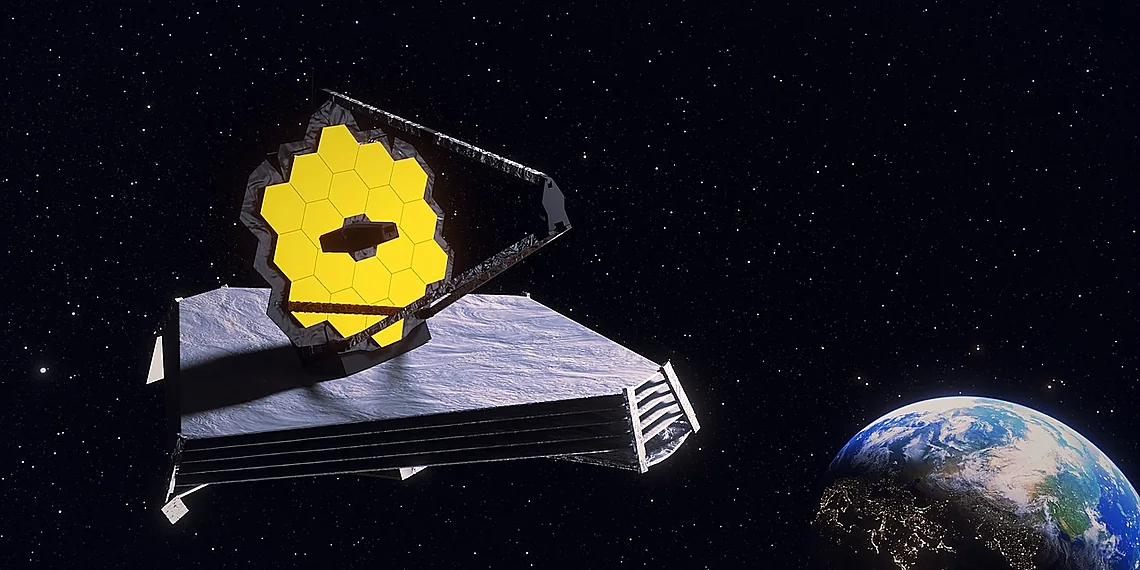
The completion of the Plato spacecraft represents a remarkable feat of engineering, demanding innovative solutions to overcome numerous challenges. Beyond simply assembling components, engineers meticulously integrated several critical systems – including the expansive sunshield, sprawling solar panels, and extraordinarily sensitive detectors – into a cohesive whole. Each element plays a vital role in Plato’s mission: the sunshield protects delicate instruments from intense sunlight, ensuring stable operating temperatures necessary for accurate measurements; the large solar panels provide ample power to fuel the spacecraft’s operations across vast distances; and the detectors are designed to perceive the incredibly faint dimming of starlight caused by orbiting planets.
One of the most significant engineering hurdles was managing thermal stability. Plato will operate nearly 1.3 million kilometers from Earth, far enough to avoid interference from our planet’s light but close enough to maintain communication. This distance necessitates a robust sunshield design capable of rejecting substantial heat while minimizing weight – a constant trade-off in spaceflight engineering. Simultaneously, the detectors themselves require extremely cold operating temperatures, necessitating sophisticated cooling systems and meticulous material selection to prevent thermal gradients that could corrupt data.
The highly sensitive detectors are another testament to engineering ingenuity. These photometers are designed to detect minuscule variations in starlight – changes as small as a fraction of a pixel – indicating the presence of an orbiting planet. Achieving this level of precision requires exceptional stability, both mechanical and thermal, and rigorous calibration procedures. Furthermore, the sheer number of detectors (over 100) demands a complex data handling system capable of processing vast amounts of information while maintaining accuracy and minimizing noise.
Ultimately, Plato’s construction is not just about individual components; it’s about the synergistic interplay between them. The successful integration of the sunshield, solar panels, detectors, and associated support systems demonstrates a profound understanding of spaceflight engineering principles and showcases Europe’s continued leadership in exoplanet research. The final tests now underway are crucial to ensuring that this complex machine is ready to embark on its ambitious quest for Earth-like worlds.
Sunshields, Solar Panels, and Sensors: A Complex Assembly
The successful integration of Plato’s massive sunshield is a critical achievement in its construction. Measuring 16 meters (52 feet) across – roughly the size of a tennis court – the sunshield’s primary role is to protect the spacecraft’s highly sensitive detectors from direct sunlight and thermal radiation. Without this protection, these instruments would be overwhelmed by heat, rendering them useless for detecting the faint light signals reflected from distant exoplanets orbiting other stars. The sunshield consists of multiple layers designed to efficiently radiate away absorbed heat, maintaining a stable operating temperature for the scientific payload.
Alongside the sunshield, Plato’s expansive solar panels are essential for providing the spacecraft with power. These panels, spanning 34 meters (112 feet) when fully deployed, will generate sufficient electricity to operate all onboard systems, including the detectors, communication equipment, and propulsion mechanisms. The deployment of these large structures in the vacuum of space presented significant engineering challenges, requiring precise control and robust mechanical design to ensure reliable functionality throughout the mission’s lifetime.
Plato’s scientific observations rely on a suite of four highly sensitive cameras and photometers. These instruments are meticulously shielded by the sunshield and powered by the solar panels, enabling them to detect minute variations in starlight caused by orbiting planets. The detectors themselves are cooled to extremely low temperatures to minimize noise and maximize their sensitivity, allowing them to identify even small exoplanets that may possess conditions suitable for life. This intricate interplay between thermal protection, power generation, and advanced detection technology is central to Plato’s mission objectives.
Final Tests and Launch Preparations
With the physical assembly of the PLATO spacecraft now complete – a truly remarkable feat involving intricate sunshield deployment and solar panel integration – the focus shifts to an intensive period of final testing and launch preparations. These tests aren’t just about ticking boxes; they are rigorous simulations designed to ensure Plato can withstand the brutal realities of spaceflight and operate flawlessly once it reaches its observing post nearly 1.3 million kilometers from Earth. The current timeline aims for a launch window in late 2024, though this is dependent on successful completion of all remaining checks.
The upcoming phase includes vibration testing, where Plato will be subjected to simulated rocket launch forces – essentially being shaken violently to verify structural integrity and the functionality of sensitive instruments. Following that comes thermal vacuum testing, a critical process mimicking the extreme temperature fluctuations and near-vacuum conditions of space. During this period, engineers will carefully monitor Plato’s systems to identify any potential weaknesses or areas needing adjustment. Each test generates vast amounts of data requiring meticulous analysis; anomalies are expected, but swift resolution is paramount.
Several challenges lie ahead that could potentially impact the launch schedule. Fine-tuning the delicate pointing system – essential for precise exoplanet detection – requires exceptional accuracy and faces inherent engineering complexities. Furthermore, integration with the Vega-C rocket, ESA’s new European launcher, presents its own logistical hurdles and compatibility checks. Any unforeseen issues discovered during these final tests could necessitate delays while solutions are implemented, emphasizing the meticulous nature of space exploration.
Beyond simply verifying functionality, the testing period provides a crucial opportunity to refine operational procedures and train the mission control teams. This preparation ensures that once Plato begins its primary science phase – scanning hundreds of thousands of stars for subtle dips in brightness indicative of orbiting planets – everything is ready to maximize its scientific output and contribute significantly to our understanding of planetary systems beyond our own.
The Road to Orbit: What’s Next?
Before Plato spacecraft can embark on its journey to hunt for exoplanets, it must pass a series of rigorous tests designed to simulate the harsh conditions of spaceflight. Currently, engineers are conducting vibration tests that subject the fully assembled spacecraft to intense shaking, mimicking the forces experienced during launch. Following this, Plato will undergo thermal vacuum testing, where it’s placed in a large chamber to replicate the extreme temperature fluctuations and near-vacuum environment of orbit. These tests verify that all components – from sensitive electronics to the critical sunshield and solar panels – function flawlessly under these stresses.
Beyond vibration and thermal vacuum, further checks are underway including electromagnetic compatibility (EMC) testing ensuring no interference between different systems, acoustic testing simulating noise exposure, and final functional tests of all scientific instruments. These evaluations aim to identify and rectify any potential issues before launch, minimizing the risk of failure in space. The ESA emphasizes that these tests are a crucial part of the verification process, designed to maximize mission success.
Currently, Plato is slated for launch in late 2024 aboard an Ariane 6 rocket from Kourou, French Guiana. The spacecraft’s trajectory will initially place it into a low Earth orbit, followed by a series of carefully planned maneuvers to reach its operational orbit around the Sun-Earth L1 Lagrange point. This strategic location allows Plato to maintain constant visibility of stars and minimizes interference from Earth’s light, enabling its precise exoplanet detection capabilities.
Beyond Earth: Plato’s Scientific Promise
The completion of the Plato spacecraft marks a pivotal moment in our quest to understand planetary systems beyond our own. Named for the ancient Greek philosopher, Plato isn’t searching for life directly, but rather identifying and characterizing exoplanets – planets orbiting stars other than our Sun – with the potential to harbor it. Unlike missions focused on single targets like Kepler, Plato will conduct a wide-field survey of nearly two million stars, meticulously scanning them for subtle dips in brightness caused by orbiting planets passing in front. This systematic approach dramatically increases the chances of finding numerous Earth-sized worlds within their star’s habitable zone – that ‘Goldilocks’ region where temperatures could allow liquid water to exist on a planet’s surface.
Plato’s scientific promise extends far beyond simply identifying these exoplanets. The spacecraft is equipped with sophisticated instruments designed to gather crucial data about their properties. By analyzing the slight variations in starlight as a planet transits, scientists can determine its size and orbital period. Further observations, potentially using future telescopes like the Extremely Large Telescope (ELT), will aim to analyze the composition of these exoplanet atmospheres. Detecting specific molecules – such as water vapor, oxygen, or methane – could provide tantalizing clues about their potential habitability, though it’s crucial to remember that biosignatures are complex and require careful interpretation.
The impact of Plato’s discoveries on our understanding of planetary systems will be profound. Currently, we have a limited sample of exoplanets, mostly gas giants or ‘hot Jupiters.’ Plato is expected to significantly increase the number of known smaller, rocky planets, providing a much more complete picture of planet formation and distribution in the galaxy. This data will help refine our models of how planetary systems evolve and address fundamental questions: Are Earth-like planets common? What are the conditions necessary for life to arise? The answers could revolutionize our understanding of humanity’s place in the universe.
Looking ahead, Plato’s findings will serve as a roadmap for future missions. Identifying promising exoplanet candidates with potentially habitable atmospheres will prioritize targets for even more detailed study. Imagine future space telescopes specifically designed to search for biosignatures on those worlds! While Plato itself won’t definitively answer the question of whether we are alone, it lays the essential groundwork – building a catalog of potential homes beyond Earth and inspiring generations of scientists to continue the search.
Unlocking the Secrets of Distant Worlds
The PLATO (Planetary Transits and Oscillations of stars) spacecraft is designed to identify and characterize exoplanets orbiting bright, nearby stars – a crucial step in the search for potentially habitable worlds. Unlike missions focused on finding large planets close to their stars, PLATO’s sensitivity allows it to detect smaller, rocky planets within the ‘habitable zone,’ the region around a star where liquid water could exist on a planet’s surface. It is expected to find many temperate Earth-sized and super-Earth exoplanets – those slightly larger than Earth – which are prime candidates for future atmospheric studies.
PLATO’s unique observing strategy will contribute significantly to characterizing these exoplanet atmospheres. Following initial transit detections, PLATO will perform detailed follow-up observations to precisely measure the ‘wobble’ of their host stars caused by the planets’ gravitational pull. This data allows scientists to determine a planet’s mass and density – key factors in assessing its composition (rocky versus gas giant). Furthermore, future missions like the Extremely Large Telescope (ELT) can use PLATO’s precise planetary locations to conduct transmission spectroscopy; analyzing starlight that passes through an exoplanet’s atmosphere to identify potential biosignatures – indicators of life.
The discovery and characterization of potentially habitable worlds by PLATO will revolutionize our understanding of planetary formation and the prevalence of life in the universe. While PLATO itself cannot directly detect biosignatures, it paves the way for future generations of telescopes equipped with more advanced instruments. The data gathered could also refine models of climate change on exoplanets, helping us better understand the conditions necessary for habitability – potentially even informing our own efforts to safeguard Earth’s environment.
The quest to understand our place in the cosmos is a defining characteristic of humanity, and missions like this represent monumental leaps forward in that endeavor. Discovering planets beyond our solar system capable of supporting life remains one of science’s most ambitious goals, and the data gathered by the Plato spacecraft promises to be instrumental in achieving it. The sheer scale of the survey – meticulously observing hundreds of thousands of stars – offers an unprecedented opportunity to identify potential candidates for further investigation. It’s a truly exciting prospect to think about what secrets these distant worlds might hold. We stand on the precipice of potentially groundbreaking discoveries that could reshape our understanding of planetary formation and the prevalence of life in the universe. The meticulous planning and innovative technology behind the Plato spacecraft are testaments to human ingenuity and our unwavering desire to explore. As we eagerly await its launch, let’s remember that each step forward in space exploration builds upon decades of scientific advancement and inspires future generations of researchers and dreamers. Stay tuned for further updates as the mission draws closer to liftoff – the universe is waiting to reveal its wonders! To keep abreast of all developments regarding the Plato spacecraft and its journey into the cosmos, we strongly encourage you to follow ESA’s official channels; you won’t want to miss a moment.
You can find their latest news and images on ESA’s website and social media platforms.
Continue reading on ByteTrending:
Discover more tech insights on ByteTrending ByteTrending.
Discover more from ByteTrending
Subscribe to get the latest posts sent to your email.