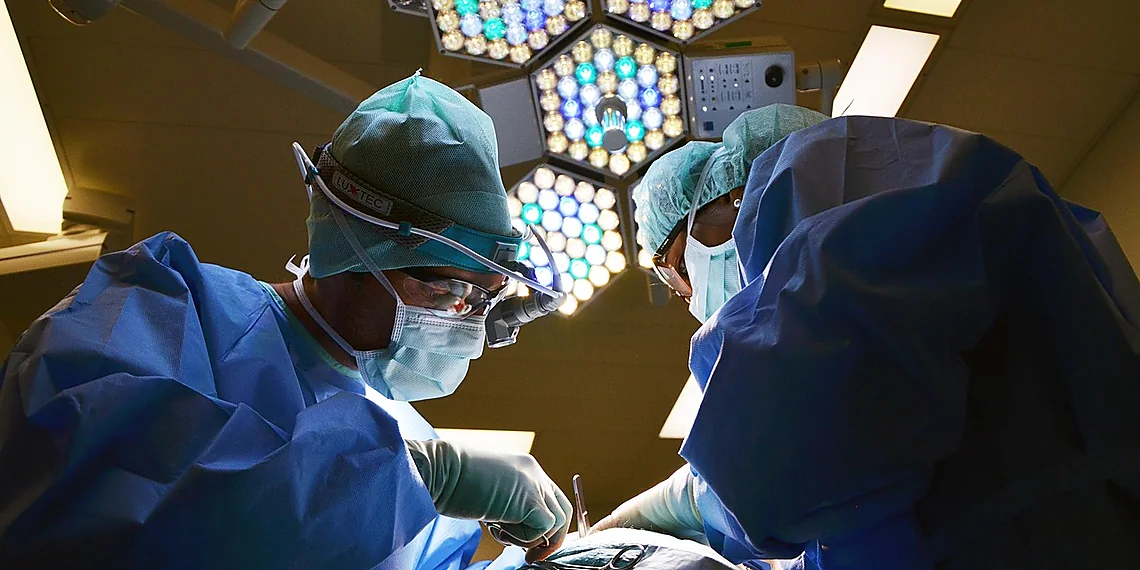

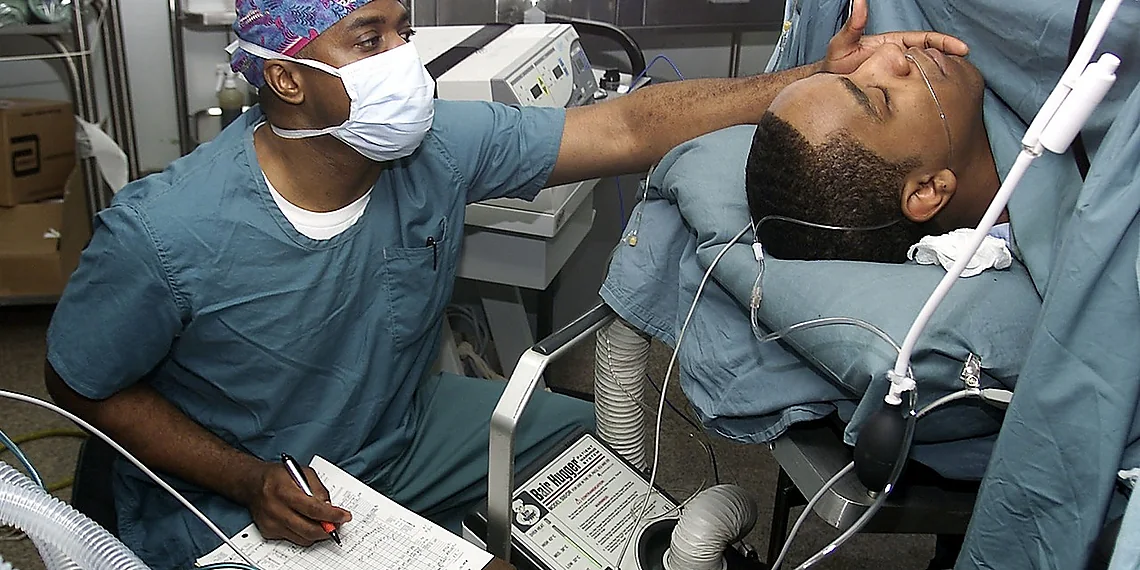

For years, detecting subtle indicators of urinary tract disease has presented a significant hurdle for medical professionals, often relying on subjective assessments and potentially leading to delayed or inaccurate diagnoses.
The complexity of these conditions, coupled with variations in patient presentation, necessitates more precise and reliable diagnostic methods – a demand that’s driving exciting innovation within the field of artificial intelligence.
While AI promises remarkable advancements in healthcare, particularly regarding urinary tract diagnosis, ensuring these tools are both accurate *and* understandable is paramount; we need to move beyond ‘black box’ predictions to truly trust their insights.
This article explores how researchers are leveraging cutting-edge techniques like SHAP (SHapley Additive exPlanations) to unlock the reasoning behind AI’s decisions, offering a crucial layer of transparency and bolstering confidence in its diagnostic capabilities.
The Challenge of Accurate Diagnosis
Accurate urinary tract diagnosis is a surprisingly complex challenge, particularly when it comes to identifying bladder cancer amidst other urological ailments. The symptoms of various conditions – infections, inflammation, benign growths – can overlap significantly, making visual and even initial laboratory assessments prone to error. This diagnostic ambiguity often leads to delayed or incorrect treatment plans, with potentially serious consequences for patient outcomes. For instance, a missed early-stage bladder cancer diagnosis can quickly progress to a more advanced stage requiring aggressive interventions like surgery and chemotherapy.
The difficulty stems from several factors. Bladder cancer itself presents in diverse forms, impacting the appearance of tissue samples differently. Distinguishing it from other conditions that mimic its characteristics requires highly specialized expertise and often involves invasive procedures like cystoscopy – which isn’t always readily accessible or suitable for all patients. Furthermore, current diagnostic methods, while improved over time, still carry inherent limitations. Studies suggest misdiagnosis rates in bladder cancer can range significantly depending on the stage and complexity of the case, with some estimates placing errors as high as 15-30%, highlighting a clear need for better tools.
The implications of these diagnostic inaccuracies extend beyond delayed treatment. Incorrect diagnoses can lead to unnecessary anxiety and potentially harmful procedures performed on patients who don’t require them. Conversely, patients experiencing genuine symptoms may be dismissed or told their concerns are unfounded, delaying crucial intervention. Ultimately, improving the accuracy and speed of urinary tract diagnosis, especially for conditions like bladder cancer, is paramount to enhancing patient survival rates and overall quality of life.
This research, leveraging advanced machine learning techniques and SHAP-based feature selection, represents a promising step toward addressing this critical challenge. By focusing on transparency in model decision-making, the approach aims not only to improve diagnostic accuracy but also to provide clinicians with valuable insights into *why* a particular diagnosis is reached, potentially leading to more informed clinical judgements and ultimately better patient care.
Diagnostic Complexity & Current Limitations

Differentiating between various urological conditions, particularly when attempting to diagnose bladder cancer, presents a significant diagnostic challenge for clinicians. Symptoms like hematuria (blood in urine), urinary urgency, and pelvic pain can be indicative of numerous issues ranging from benign infections or inflammation to more serious conditions like bladder tumors or even kidney stones. This symptom overlap makes accurate diagnosis reliant on a combination of clinical assessment, imaging studies (like cystoscopy and CT scans), and often invasive biopsies – all of which carry inherent risks and limitations.
Misdiagnosis or delayed diagnosis in urological diseases, especially bladder cancer, can have profound consequences for patient outcomes. Studies indicate that delays in diagnosis are common, with estimates suggesting up to 30% of patients diagnosed with bladder cancer initially receive an incorrect or incomplete diagnosis. This delay impacts treatment efficacy; earlier-stage bladder cancers generally have a significantly higher five-year survival rate (over 95%) compared to later stages (dropping below 20%). The inherent subjectivity in interpreting diagnostic tests and the complexity of disease presentation contribute to these errors.
The process of distinguishing between conditions is further complicated by the lack of universally accepted biomarkers. While urine cytology can be used, its sensitivity for detecting bladder cancer is estimated to be around 60-75%, meaning a significant portion of cancers may go undetected. Similarly, cystoscopy, considered the gold standard, has limitations in visualizing smaller or less accessible tumors. Therefore, advancements like those explored in the arXiv paper – leveraging AI and feature selection to improve diagnostic accuracy – hold considerable promise for minimizing these errors and improving patient outcomes.
Enter SHAP: Explainable AI for Medical Insights
The rise of artificial intelligence in healthcare promises incredible advancements, but with that progress comes a critical need: explainability. While machine learning models can achieve impressive accuracy in tasks like urinary tract diagnosis, understanding *why* they arrive at those conclusions is paramount for clinician trust and responsible implementation. Enter SHAP values – a powerful tool designed to illuminate the ‘black box’ of complex AI algorithms.
SHAP (SHapley Additive exPlanations) provides a way to quantify the contribution of each feature, or variable, in a machine learning model’s prediction for a *specific* instance. Unlike simple feature importance scores that offer an average across the entire dataset, SHAP values show exactly how much each factor pushed the model’s output higher or lower relative to a baseline. Imagine diagnosing bladder cancer – SHAP could reveal if specific symptoms (like blood in urine) or lab results (like elevated protein levels) were particularly influential in the model’s decision for *that particular patient*.
Think of it this way: feature importance tells you generally which features are most useful to the model. SHAP values tell you precisely how each feature contributed to a specific prediction. This granular level of detail allows clinicians to evaluate whether a model’s reasoning aligns with medical knowledge and clinical experience, fostering confidence in its recommendations. It also helps identify potential biases or unexpected dependencies within the data that might warrant further investigation.
The research highlighted in arXiv:2510.19896v1 utilizes SHAP values to select predictive variables for urinary tract disease diagnosis, specifically focusing on bladder cancer. By incorporating SHAP-based feature selection alongside techniques like SMOTE and hyperparameter optimization within algorithms like XGBoost, LightGBM, and CatBoost, the team aimed not only to improve diagnostic accuracy but also to enhance the transparency of the entire process – a crucial step towards integrating AI responsibly into clinical practice.
Understanding SHAP Values
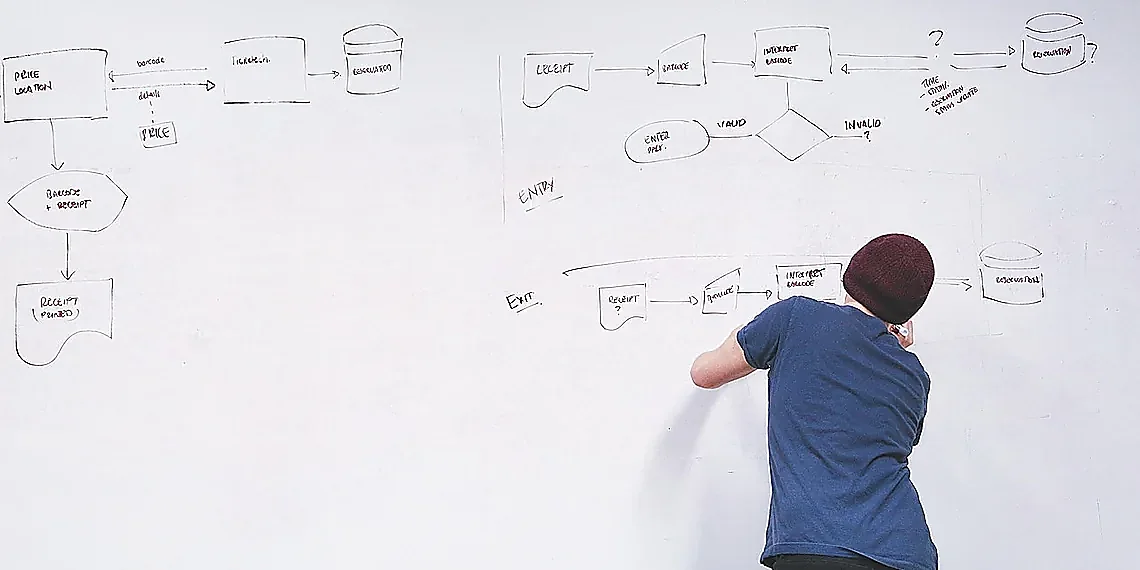
Machine learning models, especially complex ones, can sometimes feel like ‘black boxes’ – they give us predictions but don’t clearly explain *why* they arrived at those conclusions. This lack of transparency is a significant hurdle in fields like medicine where understanding the reasoning behind a diagnosis is crucial. SHAP values (SHapley Additive exPlanations) offer a way to peek inside these black boxes and understand how each factor contributed to a particular prediction. Think of it as assigning credit – or blame – to each input feature for influencing the model’s output.
Unlike simple ‘feature importance’ scores which just rank features by their overall impact, SHAP values provide a more nuanced view. Feature importance tells you generally which factors are most influential across all predictions. SHAP values, on the other hand, show how *each* feature impacts an *individual* prediction compared to what the model would predict without that specific factor. This means one feature might be highly important overall but have a negative impact (reducing the predicted probability) in a particular case, while another typically less important feature could have a strong positive influence.
In the context of urinary tract disease diagnosis, SHAP values can help clinicians understand why a model flagged a patient as potentially having bladder cancer. For example, it might reveal that the presence of specific blood cell types in urine or certain genetic markers were key contributors to the prediction for *that individual*. This transparency not only builds trust in the AI system but also provides valuable insights for doctors to validate findings and make more informed decisions alongside the model’s suggestions.
The Methodology: Building the Diagnostic Model
To tackle the challenge of accurate urinary tract diagnosis, particularly concerning bladder cancer, our research team implemented a robust machine learning methodology centered around gradient boosting algorithms. We specifically explored XGBoost, LightGBM, and CatBoost due to their proven track record in handling complex datasets with non-linear relationships – common in medical data. XGBoost’s regularization techniques help prevent overfitting while maintaining high predictive power; LightGBM’s gradient-based one-side sampling (GOSS) offers improved speed and memory efficiency; and CatBoost excels at handling categorical features natively, minimizing the need for extensive preprocessing. The choice wasn’t arbitrary – each algorithm brings unique strengths to the table, allowing us to compare performance across different feature spaces.
Crucially, achieving optimal model performance required meticulous hyperparameter optimization. We leveraged Optuna, a powerful framework for automated hyperparameter tuning, to systematically explore and identify the best configuration for each of the three algorithms (XGBoost, LightGBM, and CatBoost). Optuna’s Bayesian optimization capabilities allowed us to efficiently navigate the vast parameter space, significantly reducing manual trial-and-error. This process involved defining a search space encompassing key hyperparameters like learning rate, tree depth, and regularization parameters; Optuna then intelligently sampled these configurations and evaluated their performance on validation data, guiding us towards models with superior balanced accuracy and other relevant metrics.
Addressing the inherent class imbalance often found in medical datasets – where instances of bladder cancer are significantly fewer than those representing alternative diagnoses – was another vital step. We employed the Synthetic Minority Oversampling Technique (SMOTE) to generate synthetic samples for the minority class (bladder cancer). SMOTE works by creating new data points that lie between existing minority class examples, effectively balancing the dataset and preventing the model from being biased towards the majority class. This crucial technique helped ensure our urinary tract diagnosis models were sensitive enough to detect even rare cases of bladder cancer while maintaining overall diagnostic accuracy.
Algorithm Selection & Optimization
To achieve robust and accurate urinary tract diagnosis models, we evaluated three gradient boosting algorithms: XGBoost, LightGBM, and CatBoost. These were selected due to their proven track record in handling complex datasets with mixed data types – a common characteristic of clinical information. XGBoost is known for its regularization techniques which prevent overfitting, while LightGBM utilizes Gradient-Based One-Side Sampling (GOSS) for faster training speeds and efficient memory usage. CatBoost distinguishes itself through its novel ordered boosting approach and inherent handling of categorical features without requiring one-hot encoding.
Given the strengths of each algorithm, we opted to explore their performance across our six binary classification scenarios. Each model’s effectiveness is highly dependent on optimized hyperparameters; therefore, a systematic optimization process was critical. To streamline this process, we leveraged Optuna, a framework for hyperparameter optimization. Optuna’s Bayesian optimization capabilities allowed us to efficiently search the parameter space of each algorithm (XGBoost, LightGBM, and CatBoost) and identify configurations that maximized balanced accuracy while minimizing complexity.
The use of Optuna involved defining an objective function – in this case, balanced accuracy on our validation set – and allowing Optuna to iteratively suggest different hyperparameter combinations for each model. This automated search significantly reduced the manual effort required for parameter tuning and facilitated the discovery of optimal settings that improved overall diagnostic performance across the various urinary tract disease classifications.
Results & Future Implications
The study’s core finding demonstrates a significant leap forward in urinary tract diagnosis, particularly concerning bladder cancer detection. By leveraging SHAP (SHapley Additive exPlanations) for feature selection across XGBoost, LightGBM, and CatBoost algorithms, researchers achieved notable improvements in diagnostic performance. Specifically, the incorporation of SHAP-guided feature selection consistently maintained or enhanced balanced accuracy – a crucial metric reflecting equal consideration for both true positive and false positive rates – while also positively influencing precision (the ability to correctly identify those with bladder cancer) and specificity (correctly identifying those without). This suggests that the model is not only more accurate but also less prone to misdiagnosis, which has profound implications for patient care.
The beauty of this approach lies not just in improved accuracy, but also in increased transparency. SHAP values provide insights into *why* a particular prediction was made; they quantify the contribution of each feature (like age, lab results, imaging characteristics) to the model’s output. This allows clinicians to understand and trust the AI’s reasoning – a critical factor for adoption in clinical settings. Previously opaque ‘black box’ models are becoming more explainable, fostering confidence among medical professionals and enabling them to validate findings against their own expertise. The use of Optuna for hyperparameter optimization combined with SMOTE for class balancing further refined the model’s performance across these six distinct binary classification scenarios.
Looking ahead, this research opens doors for several future applications. A potential expansion involves incorporating more granular data – including genomic information and detailed imaging analysis – to refine diagnostic precision even further. The methodology could also be adapted to diagnose other urological conditions or even cancers beyond bladder cancer. However, limitations remain. The study’s reliance on existing datasets means the model’s generalizability to diverse patient populations requires rigorous validation. Furthermore, while SHAP values enhance interpretability, they don’t provide a complete explanation of complex interactions between features – further research into these nuances is warranted.
Ultimately, this work represents a significant step towards AI-assisted urinary tract diagnosis. The combination of powerful machine learning algorithms with the transparency afforded by SHAP values promises to improve patient outcomes and streamline clinical workflows. Continued development focusing on broader dataset validation and deeper investigation of feature interactions will be essential to fully realize the potential of this approach for improving urinary tract diagnosis.
Improved Accuracy & Transparency
A recent study published on arXiv explored leveraging AI to improve the diagnosis of urinary tract diseases, particularly bladder cancer. Researchers developed six distinct binary classification models using algorithms like XGBoost, LightGBM, and CatBoost to differentiate between bladder cancer and other related conditions. A key innovation was the incorporation of SHAP (SHapley Additive exPlanations) for feature selection; this technique allowed the team to identify and prioritize the most impactful variables influencing model predictions, leading to increased transparency in how diagnoses are reached.
The implementation of SHAP-guided feature selection yielded significant improvements across several key performance metrics. While maintaining balanced accuracy – a measure that considers equal importance to true positives, true negatives, false positives, and false negatives – models demonstrated enhanced precision (the ability to correctly identify patients with bladder cancer) and specificity (the ability to correctly identify those without the disease). The study’s methodology also included techniques like SMOTE for class balancing and Optuna for hyperparameter optimization, further contributing to robust and reliable results. Specific improvements in these metrics varied slightly between algorithms but consistently showed positive impact from the SHAP feature selection process.
Looking ahead, this approach holds promise for assisting clinicians in making more accurate and informed urinary tract disease diagnoses. The increased transparency offered by SHAP values can also facilitate trust and understanding among patients regarding AI-driven diagnostic tools. However, limitations remain; the models were trained on a specific dataset, requiring careful validation before deployment in diverse clinical settings. Future research should focus on expanding datasets to include more patient demographics and exploring integration with imaging data for an even more comprehensive diagnostic approach.
Continue reading on ByteTrending:
Discover more tech insights on ByteTrending ByteTrending.
Discover more from ByteTrending
Subscribe to get the latest posts sent to your email.