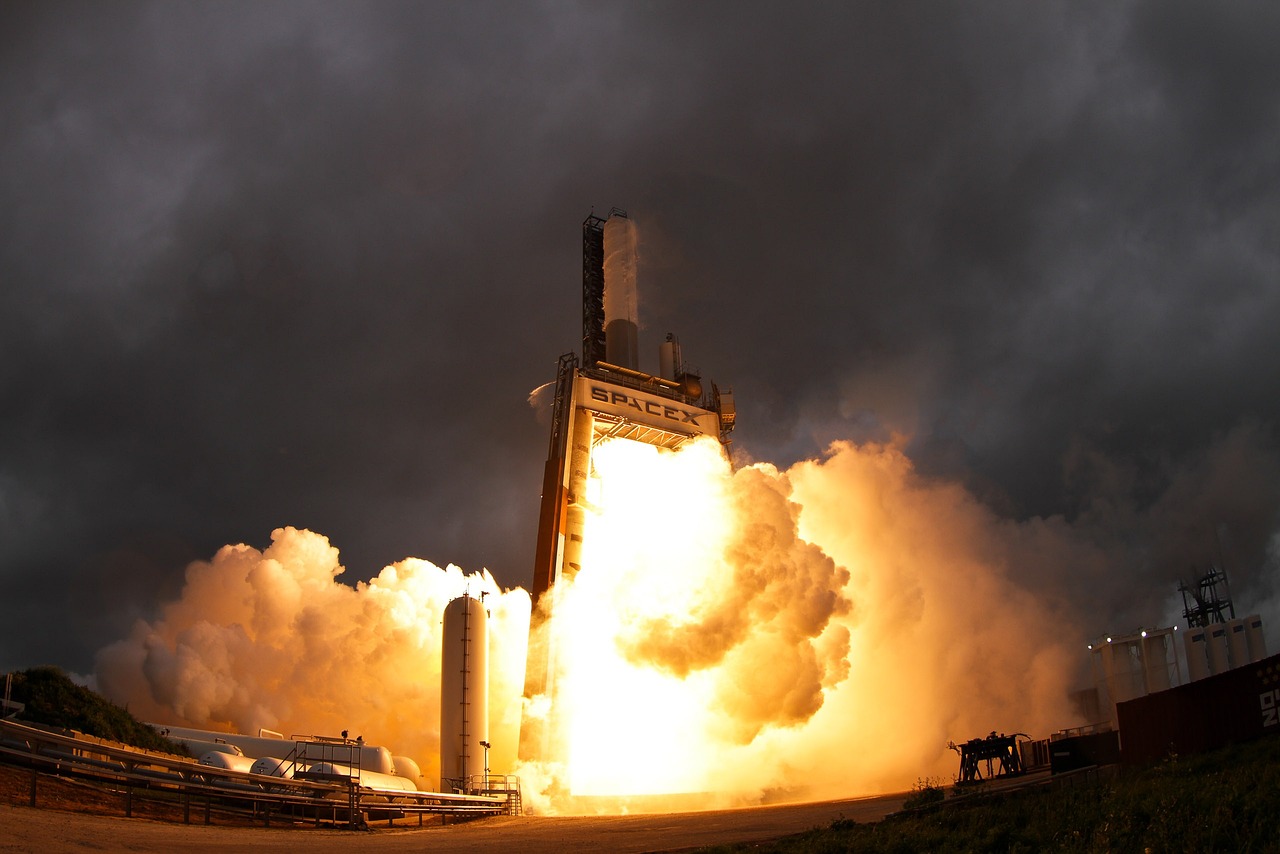

The future of Korean space exploration just got a significant boost, and it’s powered by INNOSPACE’s ambitious SPACEWARD mission. This dynamic private aerospace company is rapidly establishing itself as a key player in Korea’s burgeoning space industry, demonstrating an impressive commitment to innovation and pushing the boundaries of what’s possible. We’re thrilled to bring you an exclusive look at this exciting development, which marks a pivotal moment for both INNOSPACE and the nation’s broader space ambitions.
SPACEWARD represents INNOSPACE’s inaugural orbital mission, designed to deploy multiple small satellites into low Earth orbit. These satellites will serve crucial functions including maritime observation and technological demonstration, showcasing INNOSPACE’s capabilities in satellite deployment and operation – all while contributing valuable data for various applications here on Earth. The project itself embodies a dedication to creating accessible space solutions.
A critical milestone has now been achieved: INNOSPACE has officially secured its Space Launch Authorization from the Korea Aerospace Research Institute (KARI), operating under the authority of KASA, the Korean Ministry of Science and ICT. This authorization validates INNOSPACE’s rigorous safety protocols and operational readiness for launch. What’s particularly noteworthy is the extended launch window now available, providing increased flexibility and optimizing conditions for a successful mission deployment.
This development underscores Korea’s ongoing commitment to fostering a vibrant private space sector and solidifies INNOSPACE’s position as an innovator within it. Keep following ByteTrending for further updates on SPACEWARD and INNOSPACE’s future endeavors – the journey to orbit is just beginning!
Understanding the SPACEWARD Mission
The recently secured Space Launch Authorization from the Korea AeroSpace Administration (KASA) marks a significant milestone for INNOSPACE, officially launching them into the commercial space sector. SPACEWARD represents INNOSPACE’s inaugural commercial mission and embodies years of dedicated development and preparation. This authorization paves the way for a crucial step in their broader strategy to become a key player in Korea’s burgeoning space industry, demonstrating the company’s commitment to providing innovative solutions and contributing to global space exploration efforts.
SPACEWARD isn’t just about reaching orbit; it’s about delivering tangible value. The mission is designed primarily to deploy a small satellite constellation focused on Earth observation services. This means SPACEWARD will carry multiple satellites, allowing for broader coverage and more frequent data collection. These observations are expected to support various applications including environmental monitoring, disaster response, and infrastructure management – demonstrating the practical impact of INNOSPACE’s foray into commercial space.
At the heart of this mission is INNOSPACE’s HANBIT-Nano rocket, a testament to their indigenous technology development. The HANBIT-Nano represents Korea’s advancement in small satellite launch capabilities and allows for more flexible and cost-effective access to space. This mission will be critical in validating the performance and reliability of the HANBIT-Nano platform, further solidifying INNOSPACE’s position as a leader in Korean rocket technology and opening doors for future commercial launches.
Mission Objectives & Payload

The SPACEWARD mission represents INNOSPACE’s inaugural foray into the commercial space launch sector, marking a significant milestone for the South Korean company. Having received authorization from the Korea AeroSpace Administration (KASA), SPACEWARD is poised to deploy a constellation of small satellites designed to provide maritime situational awareness services.
The primary objective of the SPACEWARD mission is to enhance maritime safety and security through real-time data collection and analysis. The payload consists of multiple HANBIT-Nano micro-satellites, equipped with advanced radar technology capable of detecting and tracking vessels across vast ocean areas. This data will be used to support various applications including search and rescue operations, environmental monitoring, and coastal surveillance.
INNOSPACE anticipates that the SPACEWARD constellation will offer a unique and valuable service, contributing to improved maritime domain awareness for governments, commercial entities, and other stakeholders. The launch is currently scheduled for October 28, 2025, following further preparations and testing.
KASA Authorization: A Crucial Milestone
The Korean Aerospace Administration’s (KASA) recent granting of Space Launch Authorization to INNOSPACE marks a pivotal moment not just for the company, but for the burgeoning South Korean space industry. Securing this authorization is far from routine; it represents years of meticulous planning, rigorous testing, and adherence to stringent safety protocols dictated by KASA. This isn’t merely a permit; it’s validation of INNOSPACE’s technical capabilities and commitment to responsible space operations, signaling their readiness to participate in the increasingly competitive commercial launch market.
The process for obtaining Space Launch Authorization from KASA is notoriously demanding. It involves extensive documentation detailing every aspect of the launch vehicle – the HANBIT-Nano rocket – its trajectory, safety systems, and potential environmental impact. Independent reviews by experts are conducted, and simulations scrutinize all possible failure scenarios. This level of oversight ensures that any launch minimizes risk to people, property, and the space environment. For INNOSPACE, successfully navigating this complex regulatory landscape demonstrates a high degree of professionalism and technical competence.
This approval unlocks significant opportunities for INNOSPACE. The SPACEWARD mission itself will be a crucial demonstration of their capabilities, paving the way for future commercial contracts and potentially attracting international partnerships. More broadly, it helps solidify South Korea’s position as a serious player in the global space launch services sector, fostering innovation and investment within the country’s aerospace ecosystem. It also provides a template for other Korean companies aspiring to enter this field.
Looking ahead, while INNOSPACE has cleared a major hurdle with this initial authorization, ongoing compliance and adaptation to evolving regulations will be essential. KASA’s oversight is likely to intensify as commercial space activities increase in Korea, requiring continued investment in safety measures and adherence to best practices. The success of the SPACEWARD mission itself will also heavily influence future authorizations and contribute to shaping the regulatory framework for Korean space launches.
The Regulatory Landscape & Significance

Obtaining launch authorization from the Korea Aerospace Administration (KASA) represents a significant hurdle for any company seeking to operate within South Korea’s burgeoning space sector. The process involves rigorous assessments of safety protocols, vehicle design, mission planning, and potential environmental impact. KASA’s evaluation isn’t merely a formality; it demands comprehensive documentation, detailed simulations, and adherence to stringent international standards, ensuring the responsible and safe execution of launch operations.
The SPACEWARD authorization specifically validates INNOSPACE’s readiness to conduct commercial launches using its HANBIT-Nano rocket. This involves demonstrating that their systems meet KASA’s requirements for orbital debris mitigation, range safety, and overall operational integrity. The thoroughness of this review process underscores KASA’s commitment to maintaining a robust regulatory framework – crucial for fostering trust among international partners and attracting further investment in the Korean space industry.
This approval marks a pivotal moment for INNOSPACE. It not only unlocks their first commercial launch opportunity, scheduled for late October 2025, but also establishes them as a credible player within the competitive global small satellite launch market. The successful execution of SPACEWARD, following KASA’s stringent guidelines, will further solidify INNOSPACE’s reputation and pave the way for future expansion and partnerships, contributing to Korea’s growing prominence in space exploration and commercialization.
Launch Window & Technical Details
The eagerly anticipated INNOSPACE SPACEWARD mission now has a confirmed launch window! Following authorization from the Korea AeroSpace Administration (KASA), INNOSPACE is targeting a launch date between October 28th and November 28th, 2025. This marks a significant milestone for the South Korean company as it represents their first commercial space mission, and the timeframe allows for optimal conditions and meticulous preparations before liftoff.
At the heart of this groundbreaking mission is the HANBIT-Nano rocket, specifically selected to carry out SPACEWARD’s objectives. The HANBIT-Nano boasts a respectable payload capacity allowing INNOSPACE to deploy their intended satellites effectively. While specific orbit details remain under wraps for now, it’s understood that the mission aims for a low Earth orbit (LEO), a common target for commercial satellite deployments and research missions.
The HANBIT-Nano isn’t just about raw power; its design incorporates key features emphasizing reliability and cost-effectiveness. INNOSPACE has prioritized modularity in the rocket’s construction, which simplifies maintenance and allows for future adaptability as mission requirements evolve. This focus on a streamlined design and efficient operation is crucial for establishing INNOSPACE as a competitive player in the burgeoning commercial space launch market.
Beyond its technical specifications, the choice of HANBIT-Nano underscores INNOSPACE’s commitment to developing indigenous Korean space capabilities. By utilizing this domestically produced rocket, SPACEWARD directly contributes to advancing South Korea’s presence and expertise within the global space industry, solidifying INNOSPACE’s role as a key innovator in the field.
HANBIT-Nano Rocket: Capabilities & Design
The HANBIT-Nano rocket, selected for INNOSPACE’s inaugural commercial mission SPACEWARD, is a solid propellant sounding rocket designed specifically for suborbital research flights and micro-satellite deployment. Its selection reflects INNOSPACE’s focus on providing affordable and flexible access to space for smaller payloads. The rocket stands approximately 13 meters tall (roughly 42.6 feet) and boasts a diameter of around 0.85 meters (2.8 feet), making it relatively compact compared to larger orbital launch vehicles.
HANBIT-Nano is capable of carrying a payload of up to 30 kilograms (approximately 66 pounds) to an altitude exceeding 300 kilometers (186 miles). While not intended for full orbital insertion, this height allows for valuable scientific experiments in near-space conditions and the deployment of small satellites into highly elliptical orbits. Its design incorporates a simplified structure emphasizing ease of manufacturing and rapid turnaround times – crucial factors for INNOSPACE’s business model focused on frequent launch opportunities.
A key feature of the HANBIT-Nano is its modular design, allowing for potential future upgrades and customization depending on specific mission requirements. The rocket’s solid propellant engine provides a straightforward propulsion system, contributing to increased reliability and operational simplicity. INNOSPACE chose this particular rocket due to its ability to meet SPACEWARD’s payload needs while aligning with their strategy of offering responsive launch services within the specified October 28th to November 28th timeframe.
Looking Ahead: INNOSPACE’s Future & the Korean Space Program
The granting of Space Launch Authorization by KASA marks a pivotal moment for INNOSPACE, effectively launching them from a research and development firm into an active commercial launch provider. This isn’t just about SPACEWARD; it’s a validation of their technology – specifically the HANBIT-Nano rocket – and a crucial step towards establishing themselves as a key player in Korea’s burgeoning space ecosystem. The ability to independently conduct launches dramatically reduces reliance on foreign partners and opens up significant revenue streams, allowing INNOSPACE to reinvest in further technological advancements and expand its service offerings.
SPACEWARD itself is merely the first chapter in what promises to be an ambitious future for INNOSPACE. While details remain somewhat limited, their broader vision extends far beyond this initial mission. We can anticipate a focus on smaller satellite deployments – a growing market segment often underserved by larger launch providers – and potentially even exploring dedicated missions tailored to specific Korean government or commercial needs. The success of SPACEWARD will be instrumental in attracting further investment and securing additional authorizations for more complex and powerful launch vehicles.
Looking ahead, INNOSPACE’s role within the Korean space program is set to become increasingly significant. Korea has ambitious goals for its own satellite infrastructure and scientific exploration, and a domestic launch capability like that offered by INNOSPACE dramatically accelerates progress towards those objectives. This authorization strengthens Korea’s strategic independence in space, reduces costs associated with international launches, and fosters the growth of a robust local aerospace industry – creating jobs and stimulating economic development.
Ultimately, INNOSPACE’s foray into commercial launch services has implications that reach beyond Korea’s borders. As the global demand for satellite access continues to rise, particularly among smaller companies and organizations, INNOSPACE is well-positioned to offer a flexible and cost-effective alternative. While competition in the space launch market is fierce, their focus on nano-satellites and their unique Korean heritage could carve out a distinct niche and contribute significantly to the democratization of access to space.
Beyond SPACEWARD: INNOSPACE’s Vision
The recent Space Launch Authorization granted to INNOSPACE by the Korean Aerospace Administration (KASA) marks a pivotal moment, not just for the company’s inaugural commercial mission SPACEWARD, but also for its broader strategic vision within Korea’s burgeoning space program. SPACEWARD, scheduled for launch in late October 2025 using their HANBIT-Nano rocket, will deploy three small satellites and represents INNOSPACE’s entry into the competitive global satellite launch market. This authorization validates years of development and signifies a shift from purely domestic research to actively participating in international commercial space endeavors.
Beyond SPACEWARD, INNOSPACE has articulated ambitions that extend well beyond simple launch services. The company is focused on developing a full suite of capabilities including small satellite manufacturing, ground station operation, and eventually, potentially larger rocket platforms like the HANBIT-Class rockets. They aim to become an integrated space solutions provider catering to diverse needs from Earth observation and communication to scientific research and technology demonstration missions – essentially offering end-to-end services for organizations seeking access to space.
INNOSPACE’s growing capabilities will likely have a noticeable impact on the global space industry. By providing cost-effective, flexible launch options utilizing their smaller rockets, they can potentially democratize access to space for smaller companies and research institutions who may be priced out of larger rocket launches. This increased accessibility could spur innovation and create new opportunities within various sectors reliant on satellite technology, contributing to a more dynamic and competitive landscape.
The culmination of years of dedicated effort, INNOSPACE’s recent acquisition of a Space Launch Authorization from KASA marks a pivotal moment not just for the company, but for Korea’s burgeoning space ambitions as well.
This authorization paves the way for the highly anticipated SPACEWARD mission, a testament to INNOSPACE’s commitment to advancing Korean satellite technology and demonstrating independent launch capabilities – a significant stride towards greater self-reliance in accessing space.
Securing this crucial approval underscores the rigorous standards INNOSPACE has met regarding safety protocols, engineering expertise, and operational readiness, solidifying their position as a key player within the rapidly evolving global space industry.
The implications extend beyond just one launch; it signals Korea’s increasing presence on the international stage and opens doors for future collaborations and innovation in satellite development and deployment, fueled by this newfound autonomy. The granting of Space Launch Authorization is a clear vote of confidence in INNOSPACE’s capabilities and vision for the future of Korean space exploration. We are truly at an exciting inflection point here, witnessing the realization of years-long strategic goals and meticulous planning come to fruition. This achievement will undoubtedly inspire further advancements and attract investment into Korea’s expanding private space sector, fostering a new generation of engineers and innovators. It’s more than just a launch; it’s a statement about Korea’s commitment to technological leadership and its place in the cosmos. To witness this progress firsthand, we encourage you to follow INNOSPACE’s journey as they prepare for their inaugural mission and stay tuned for exciting launch updates – the future of Korean space exploration is unfolding before our eyes.
Continue reading on ByteTrending:
Discover more tech insights on ByteTrending ByteTrending.
Discover more from ByteTrending
Subscribe to get the latest posts sent to your email.