

Inside a Historic Moment: Starship’s 10th Flight Test Achieves Full Success
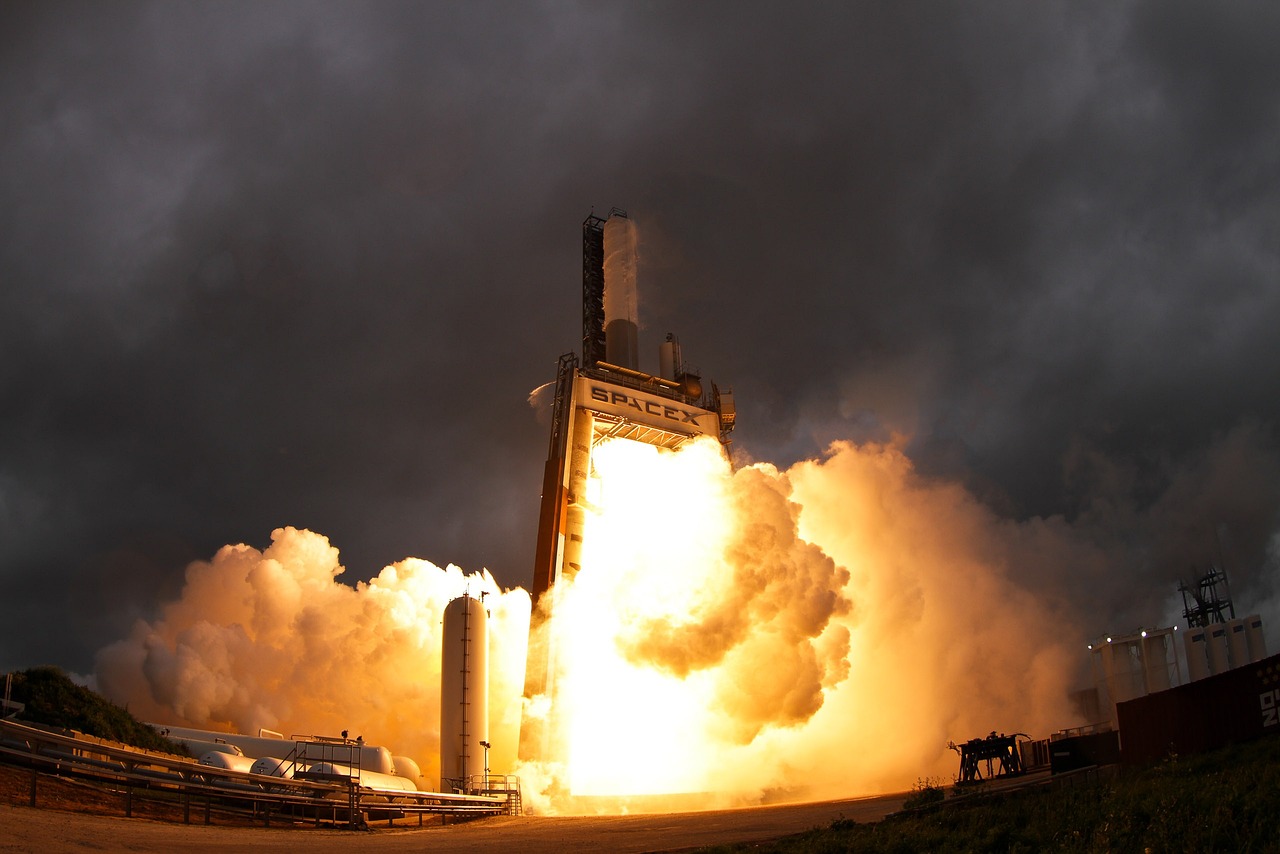
Olá, Entusiasta !A SpaceX alcançou nesta terça-feira (26) um dos mais importantes marcos no desenvolvimento do seu sistema de transporte espacial Starship/Super Heavy. No décimo voo de teste, realizado a partir da base de lançamentos da empresa em Boca Chica, no sul do Texas, o veículo conseguiu, pela primeira vez alcançar todos os objetivos da missão, colocando em órbita um lote de satélites.
Key Objectives Met in the Starship Test
This latest flight test represents a significant leap forward for SpaceX’s ambitious plans to establish a self-sustaining presence on Mars and beyond. The primary goal of this mission was to demonstrate the complete functionality of the Starship vehicle, including its ascent from the launchpad, orbital insertion of the Super Heavy booster, and successful deployment of the upper stage – Starship itself.

During the 10th test, telemetry data indicated that the Super Heavy booster performed nominally, achieving a successful burn and initiating the separation process. Subsequently, Starship achieved orbit, confirming its ability to navigate and operate in space.
Satellites Successfully Deployed
The mission’s secondary objective involved deploying a payload of experimental satellites into a predetermined orbital path. These satellites are crucial for testing various technologies related to communication, navigation, and Earth observation – vital components for future Starship operations.
- Successful Booster Separation
- Starship Orbital Insertion
- Satellite Deployment and Verification
Looking Ahead: The Future of Starship
The success of this 10th flight test is a testament to SpaceX’s relentless engineering efforts and iterative approach. Each test provides invaluable data that informs design improvements and operational refinements. With each iteration, the Starship system becomes more robust, reliable, and capable. The goal remains consistent – interplanetary travel, starting with Mars.
// Future plans include increasing payload capacity and testing autonomous landing capabilitiesThe next phase of development will likely focus on refining the Super Heavy booster’s performance and conducting further orbital maneuvers. The ultimate goal is to demonstrate the ability to perform a controlled re-entry and splashdown, paving the way for human missions. The Starship project represents a monumental shift in how we approach space exploration.
This article provides an update on the latest Starship test flight, highlighting key achievements and outlining future development plans.
Source: Read the original article here.
Discover more tech insights on ByteTrending.
Discover more from ByteTrending
Subscribe to get the latest posts sent to your email.