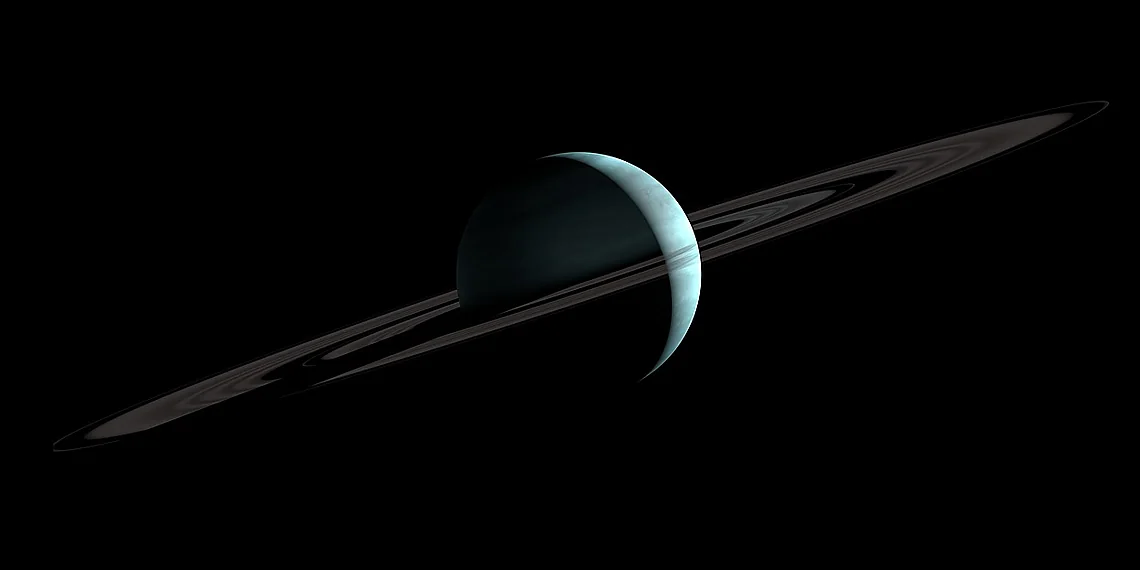

The cosmos just got a little more crowded, and our understanding of planetary systems is expanding rapidly! Astronomers are buzzing with excitement over recent data from NASA’s Transiting Exoplanet Survey Satellite (TESS), revealing a fascinating collection of giant exoplanets orbiting distant stars.
TESS, designed to scan the entire sky for these telltale dips in starlight that signal a planet passing in front – known as transits – has been diligently searching for new worlds. Its mission is crucial; it’s identifying promising candidates for follow-up observations by more powerful telescopes, effectively paving the way for deeper dives into their characteristics.
These newly discovered giants aren’t just interesting anomalies; they challenge existing models of planetary formation and offer vital clues about how solar systems evolve. The sheer size and unexpected orbits of some of these planets are forcing scientists to rethink established theories, pushing the boundaries of what we thought possible in exoplanet discovery.
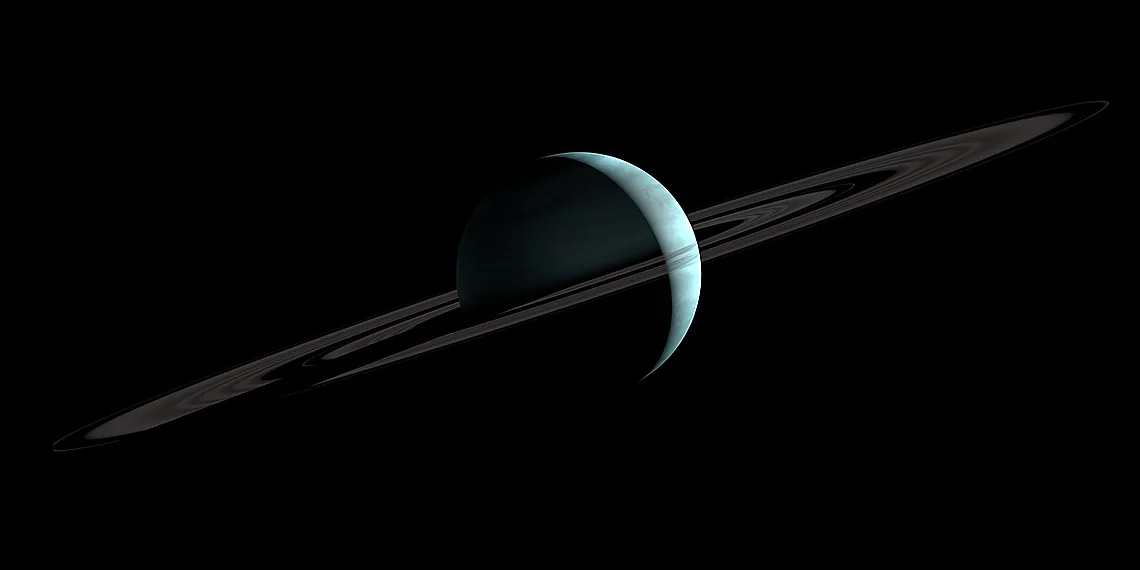
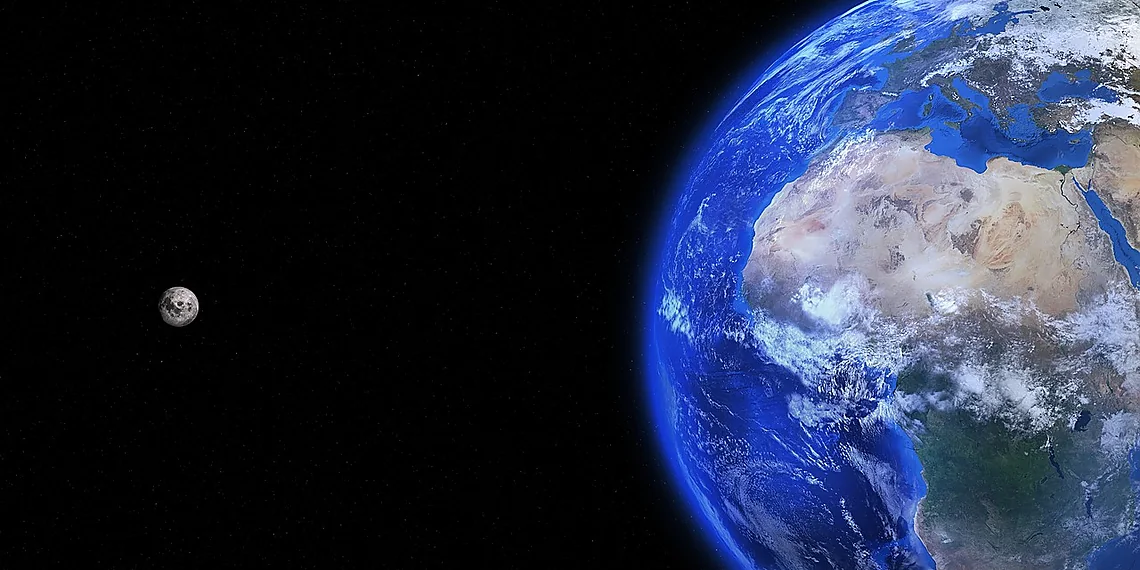
We’re diving deep into the details of these remarkable finds – exploring their sizes, orbital periods, and the implications they hold for our search for life beyond Earth. Get ready to explore a universe teeming with potential.
The TESS Mission: A Planet-Hunting Powerhouse
NASA’s Transiting Exoplanet Survey Satellite (TESS) continues to prove its worth as a vital tool in the search for planets beyond our solar system, recently contributing to the discovery of two Jupiter-sized exoplanets orbiting M-dwarf stars. But what exactly *is* TESS and why is it so effective at finding these distant worlds? Launched in 2018 as a successor to the Kepler Space Telescope, TESS’s primary mission is to survey nearly the entire sky – an area approximately 40 times that of Kepler – looking for exoplanets orbiting bright, nearby stars. Its focus on brighter stars allows ground-based telescopes to follow up and characterize these potential planets with greater precision, significantly expanding our understanding of their composition and atmospheres.
At its core, TESS relies on a technique called transit photometry. Imagine watching someone walk across a lit room; you see them briefly dim the light as they pass in front of the source. Similarly, when an exoplanet passes (or ‘transits’) in front of its star from our perspective, it causes a tiny dip in the star’s brightness – often just a fraction of one percent! TESS constantly monitors stars, meticulously measuring these minuscule fluctuations in light to identify potential planets. The more frequent and consistent these dips are, the stronger the evidence that an exoplanet is present, orbiting its star regularly.
TESS’s operational area covers a significant portion of the sky, prioritizing regions closer to Earth which greatly enhances follow-up observations. Since beginning operations, TESS has already identified thousands of potential exoplanets and confirmed hundreds as true planets, significantly contributing to our growing catalog of worlds beyond our own. The recent discovery of these two new, large, low-density exoplanets further underscores the mission’s ongoing success and highlights its crucial role in pushing the boundaries of exoplanet research.
The continued operation of TESS is absolutely vital for future discoveries. While Kepler primarily focused on stars far away, TESS’s survey of closer, brighter stars makes them ideal candidates for detailed atmospheric studies using powerful telescopes like the James Webb Space Telescope. These follow-up observations are key to determining whether these exoplanets might potentially harbor conditions suitable for life – a question that continues to drive humanity’s exploration of the cosmos.
How Transit Photometry Works
The Transiting Exoplanet Survey Satellite, or TESS, is NASA’s all-sky survey mission designed to find thousands of planets orbiting stars beyond our solar system – these are called exoplanets. Think of it like searching for tiny shadows on a bright lightbulb; TESS looks for slight dips in the brightness of stars as planets pass, or ‘transit,’ in front of them.
This ‘transit photometry’ method works because when an exoplanet passes between its star and our telescope (like Earth!), it blocks a small amount of the star’s light. This creates a tiny, regular dimming effect that can be detected by TESS’s sensitive instruments. The deeper the dip in brightness, the larger the planet is likely to be; the more frequent the dips, the closer the planet orbits its star. It’s similar to how you might notice a partial eclipse of the sun – it’s a visual clue revealing something is there.
TESS’s continued operation is crucial because while other exoplanet-hunting missions have focused on smaller planets closer to their stars, TESS has the ability to scan much larger areas of the sky. This allows it to find bigger planets, like those recently discovered by UCI researchers, orbiting further out – regions that are more likely to potentially harbor conditions suitable for liquid water and perhaps even life.
TESS’s Scope & Recent Achievements
The Transiting Exoplanet Survey Satellite (TESS) is a NASA mission launched in 2018 with the primary goal of discovering thousands of planets orbiting stars beyond our solar system, known as exoplanets. Unlike its predecessor, Kepler Space Telescope, which focused on a small patch of sky, TESS surveys nearly the entire sky – about 4% – observing over 200,000 stars for subtle changes in brightness.
TESS utilizes the transit method to detect these planets. This technique relies on observing dips in a star’s brightness that occur when an exoplanet passes (or ‘transits’) in front of it from our perspective. By precisely measuring the timing and duration of these transits, astronomers can determine the planet’s size and orbital period. TESS data is publicly available, fostering collaboration among scientists worldwide and accelerating the pace of exoplanet discovery.
Prior to this recent finding, TESS has already confirmed over 300 exoplanets and identified thousands more as candidate planets awaiting further investigation. Its broad survey area and sensitive instruments make it crucial for identifying a diverse range of exoplanets, including those orbiting nearby stars – prime targets for future atmospheric characterization studies that could potentially reveal signs of habitability.
Introducing TOI-727b & TOI-430b: The New Giants
Meet TOI-727b and TOI-430b, two remarkable exoplanets recently unveiled by NASA’s Transiting Exoplanet Survey Satellite (TESS). These colossal worlds, discovered through the subtle dips in starlight caused by their passage across a star’s face, offer exciting new insights into planetary formation and evolution. Both are giants, comparable to Jupiter in size, yet possess surprisingly low densities reminiscent of Saturn – a characteristic that challenges existing models of planet building. The discovery, detailed in a recently published research paper, underscores TESS’s continued success in identifying potentially habitable or otherwise fascinating worlds beyond our solar system.
TOI-727b, affectionately nicknamed ‘The Dense Surprise,’ is particularly intriguing due to its unexpectedly high density. While it boasts a size similar to Jupiter, its density aligns closely with that of Saturn, composed primarily of gas and ice rather than dense rock and metal. This suggests a unique formation history—perhaps the planet formed farther out from its star and migrated inward, or experienced significant atmospheric stripping – presenting astronomers with a compelling puzzle to unravel. Understanding how such a large, yet low-density, exoplanet came to be can refine our understanding of planetary migration processes.
In contrast, TOI-430b, sometimes referred to as ‘The Close Companion,’ orbits much closer to its host star, an M-dwarf significantly smaller and cooler than our Sun. Its orbital period is incredibly short, completing a full revolution in just a few days. This proximity raises the possibility that TOI-430b is tidally locked – meaning one side of the planet permanently faces its star, resulting in extreme temperature differences between the day and night sides. Further observations are needed to confirm this state and characterize the potential atmospheric conditions on this fascinating world.
The discovery of these two exoplanets highlights the immense power of TESS in identifying previously unknown worlds and pushing the boundaries of our knowledge about planetary systems beyond our own. Both TOI-727b and TOI-430b offer invaluable opportunities for future research, potentially revealing more secrets about planet formation, atmospheric composition, and the prevalence of giant planets throughout the galaxy.
TOI-727b: A Dense Surprise
Among the recently discovered exoplanets by TESS is TOI-727b, a particularly intriguing find due to its unexpectedly high density. While it’s roughly the size of Jupiter – about 1.6 times larger in diameter – its density closely resembles that of Saturn, which is known for its low density composed largely of gas and ice. This characteristic sets TOI-727b apart from most other exoplanets of comparable size, which are typically much less dense.
The unusual density of TOI-727b suggests a unique formation history or internal composition. Scientists hypothesize that it may have formed further out in its planetary system and migrated inward, potentially stripping away some of its lighter atmosphere during the process. Alternatively, the planet’s core might be significantly more massive than previously anticipated for an exoplanet of its size, contributing to its overall density.
Understanding TOI-727b’s composition and formation will provide valuable insights into planetary evolution and the diversity of systems beyond our own. Its existence challenges existing models of planet formation and encourages astronomers to refine their understanding of how gas giants can form and evolve in different environments, especially around smaller, cooler M-dwarf stars like its host.
TOI-430b: A Closer Look
TOI-430b orbits a cool M-dwarf star located approximately 175 light-years away from Earth. Its orbital period is remarkably short, completing one revolution around its star in just under nine days (8.82 days to be precise). This close proximity means the exoplanet receives significantly more stellar radiation than Earth does from the Sun, making it a scorching hot world.
Given its incredibly tight orbit and the relatively small size of its host star, TOI-430b is highly likely to be tidally locked. Tidal locking occurs when one side of an object perpetually faces another, resulting in extreme temperature differences between the permanently illuminated ‘dayside’ and the dark ‘nightside’. This phenomenon drastically impacts atmospheric circulation and potential habitability.
The M-dwarf star TOI-430 is much smaller and cooler than our own Sun. Its lower mass and luminosity contribute to the short orbital periods observed for planets in its system, as they must orbit closer to receive a comparable amount of energy.
M-Dwarfs: The Dominant Exoplanet Hosts
Our galaxy is teeming with stars, but not all stars are created equal. When it comes to exoplanet discovery, a particular type – M-dwarf stars – reign supreme as the most frequent hosts. Why? It boils down to stellar evolution. Massive stars burn brightly and quickly, exhausting their fuel in relatively short timescales, leaving little opportunity for planet formation or subsequent detection. Conversely, M-dwarfs are small, cool, and incredibly long-lived; they consume their hydrogen fuel at a glacial pace, potentially lasting trillions of years – far longer than the current age of the universe. This longevity provides ample time for planets to form and allows astronomers, like those using NASA’s TESS mission, a greater chance to observe them.
The prevalence of M-dwarfs isn’t just about their lifespan; it’s about sheer numbers. They are significantly smaller and less massive than our Sun (G-type star), meaning many more of them exist in the Milky Way. Estimates suggest that M-dwarfs make up roughly 70% to 85% of all stars in our galaxy! This abundance directly translates into a higher probability of finding planets orbiting them, simply because there are so many targets to observe. Furthermore, their smaller size means any planet transiting (passing in front of) the star creates a larger and more noticeable dip in brightness – making detection by missions like TESS significantly easier.
However, studying exoplanets around M-dwarfs isn’t without its challenges. One significant hurdle is stellar flares – sudden, intense bursts of energy that can strip away planetary atmospheres or render them uninhabitable. These flares are far more frequent and powerful in M-dwarfs compared to our Sun. Another consideration is tidal locking; planets orbiting close enough to their host star to remain within the habitable zone (where liquid water could exist) often become tidally locked, meaning one side always faces the star while the other remains perpetually dark. While these factors present complexities for habitability assessments, they also drive ongoing research and refinement of exoplanet detection techniques.
Why So Many M-Dwarfs?
Stars, like all things in the universe, have a lifecycle dictated by their mass. Massive stars burn through their fuel quickly, leading to short lifespans and dramatic ends as supernovae. Smaller stars, however, conserve energy much more efficiently. M-dwarf stars are the smallest and coolest type of star, representing roughly 70-85% of all stars in the Milky Way galaxy. Because they consume their hydrogen fuel so slowly, they live extraordinarily long – potentially trillions of years, far longer than the current age of the universe.
The prevalence of M-dwarfs isn’t just a matter of chance; it’s a consequence of how star formation typically works. Smaller stars form more readily from less massive gas clouds. The initial conditions for star birth often result in a higher frequency of smaller, cooler systems. This abundance makes them prime targets for exoplanet searches – the sheer number means there’s a greater statistical likelihood of finding planets orbiting them.
While M-dwarfs offer advantages for planet detection due to their small size (making planetary transits easier to observe), they also present challenges. These stars are prone to frequent and powerful stellar flares, bursts of energy that can strip away planetary atmospheres and potentially hinder the development or survival of life.
Challenges & Opportunities
M-dwarf stars, also known as red dwarfs, represent the most abundant type of star in our Milky Way galaxy. Their smaller size and lower temperatures compared to our Sun make them significantly dimmer, but crucially, they also have extremely long lifespans – potentially trillions of years. This longevity offers a vastly extended window for planetary formation and evolution, making them prime targets in the search for habitable worlds. The sheer prevalence of M-dwarfs means that even if the fraction of these stars hosting planets is relatively small, the total number of exoplanets orbiting them could still be enormous.
The diminutive size of M-dwarf stars provides a significant advantage for exoplanet detection using the transit method, which is how NASA’s TESS mission primarily operates. Because these stars are so small, even Jupiter-sized planets cause a noticeable dip in their light as they pass in front – making them easier to identify than larger planets orbiting more massive stars like our Sun. The recent discoveries of giant exoplanets around M-dwarfs highlight the effectiveness of this approach, demonstrating that TESS is capable of finding surprisingly large worlds even within these smaller stellar systems.
However, studying planets around M-dwarfs isn’t without its challenges. These stars are prone to frequent and intense stellar flares – sudden bursts of energy that can strip away planetary atmospheres or render them uninhabitable. Furthermore, planets orbiting close enough to an M-dwarf to be within the habitable zone often become tidally locked, meaning one side perpetually faces the star while the other remains in permanent darkness. These factors complicate our understanding of potential habitability and require ongoing research and sophisticated modeling to assess the true prospects for life on these worlds.
Future Prospects & The Search for Life
The discovery of these Jupiter-sized, Saturn-like density exoplanets presents a fascinating puzzle for astronomers and significantly impacts our understanding of planetary formation. Current models often struggle to explain how such massive planets can form so close to their host stars, particularly M-dwarfs which are less massive than our Sun. The unexpected densities suggest that these planets may have formed further out from their stars and then migrated inwards, or perhaps possess unusual compositions with a higher proportion of lighter elements than previously anticipated. These findings force us to re-evaluate the processes at play during planet formation and refine existing theoretical frameworks to better account for this diversity in exoplanetary systems.
The implications extend beyond just refining models; they also shed light on the potential habitability of planets orbiting M-dwarfs. While these stars are abundant, their proximity to planets raises concerns about tidal locking and intense stellar flares which could strip away atmospheres. However, the existence of massive planets like these might indicate a more complex system architecture than initially thought, perhaps with other, smaller planets further out within habitable zones. Understanding how these giant exoplanets influence the evolution and stability of entire planetary systems is crucial in assessing the likelihood of finding life elsewhere.
Looking ahead, missions such as the James Webb Space Telescope (JWST) are already playing a vital role in characterizing exoplanet atmospheres – though directly observing these newly discovered planets will be challenging due to their distance and brightness. The upcoming Nancy Roman Space Telescope, with its wide-field survey capabilities, promises to find even more of these unusual exoplanets and map out the distribution of planetary systems around M-dwarfs. Future ground-based observatories like Extremely Large Telescope (ELT) will also contribute by providing high-resolution spectroscopic observations that can further probe atmospheric compositions and search for biosignatures.
Ultimately, each new exoplanet discovery, especially those presenting unexpected characteristics like these giant, low-density worlds, builds upon our knowledge base. They highlight the incredible diversity of planetary systems beyond our own and inspire continued innovation in observational techniques and theoretical models as we strive to answer fundamental questions about planet formation, habitability, and the possibility of life beyond Earth.
Refining Exoplanet Formation Models
The recent discovery of two Jupiter-sized exoplanets, TOI-778 b and TOI-1039 b, exhibiting surprisingly low densities akin to Saturn’s, presents a significant challenge to current planetary formation models. Existing theories generally predict that planets orbiting close to their stars, as these do, should be more compact and dense due to the intense gravitational forces and material accretion during their early formation stages. These new observations suggest our understanding of how gas giants form in such environments may be incomplete.
The low densities imply a substantial amount of atmospheric hydrogen or other volatile materials surrounding a relatively small core. This could indicate that these planets formed further out from their stars, where volatile compounds are more abundant, and then migrated inwards – a process not always readily accounted for in standard formation scenarios. Alternatively, it suggests the accretion processes involved may have been significantly different than previously thought, perhaps involving more efficient trapping of lighter elements during planet building.
Future missions like NASA’s Habitable Worlds Observatory (HWO) will be crucial for further characterizing these and similar exoplanets. HWO’s ability to directly image exoplanets and analyze their atmospheric compositions could provide invaluable data to refine planetary formation models, constrain the abundance of volatile elements in exoplanet atmospheres, and potentially shed light on whether such planets could retain habitable conditions despite their unusual densities.
Next Steps: Characterizing Atmospheres
The discovery of these Jupiter-sized, Saturn-like exoplanets by TESS presents a compelling opportunity for follow-up atmospheric characterization. While TESS excels at finding transit events – the slight dimming of a star’s light as an orbiting planet passes in front of it – it provides limited information about the planets themselves. Determining what these atmospheres are composed of, and whether they possess conditions conducive to life (however unlikely for gas giants), requires significantly more powerful instruments.
The James Webb Space Telescope (JWST) is already proving invaluable in exoplanet atmospheric studies, and future observations targeted at these newly discovered worlds could reveal crucial details. JWST’s infrared capabilities allow scientists to analyze the starlight that filters through a planet’s atmosphere, identifying specific wavelengths absorbed by different molecules like water, methane, or carbon dioxide. The upcoming Roman Space Telescope (formerly known as WFIRST) will also play a vital role; its coronagraph instrument, once operational, will directly image exoplanets and their surrounding environments, providing unprecedented data for atmospheric analysis.
Ultimately, characterizing the atmospheres of these giant exoplanets contributes to our broader understanding of planet formation. Their unusual densities – being both large and relatively light – challenge existing models and provide valuable constraints on how planets coalesce from protoplanetary disks. By studying their composition and structure, we can refine our theories about planetary evolution and improve our ability to identify potentially habitable worlds in the future, even if those worlds are quite different from Earth.
The recent findings from TESS continue to reshape our understanding of planetary systems beyond our own, demonstrating the remarkable diversity that exists in the cosmos. These newly identified giant exoplanets, orbiting relatively nearby stars, provide invaluable data points for refining our models of planet formation and evolution. The sheer volume of potential habitable worlds hinted at by these discoveries fuels an undeniable sense of optimism within the scientific community, pushing us closer to answering fundamental questions about our place in the universe. This ongoing exploration underscores why continued investment in space-based observatories is so critical; each new observation brings us one step closer to potentially identifying biosignatures on distant worlds. The field of Exoplanet Discovery has truly entered a golden age, thanks to missions like TESS and the ingenuity of researchers analyzing its data. Beyond the immediate excitement of finding these colossal planets, it’s important to remember that they contribute to a larger narrative – our persistent quest for life beyond Earth. Future telescopes promise even more detailed characterization of these exoplanets and their atmospheres, potentially revealing clues about habitability. To delve deeper into TESS’s mission and the exciting plans for future endeavors like the Nancy Grace Roman Space Telescope, we encourage you to visit NASA’s Exoplanet Exploration website and explore the wealth of information available there. Stay tuned – the universe is full of surprises waiting to be uncovered!
Learn more about TESS and its groundbreaking work at [NASA’s Exoplanet Exploration Website Link].
Source: Read the original article here.
Discover more tech insights on ByteTrending ByteTrending.
Discover more from ByteTrending
Subscribe to get the latest posts sent to your email.