


The Growing Need for Multiphysics Modeling in Electrification
A significant prototyping challenge is emerging as efforts to electrify everything ramp up. While designs may function perfectly well in a controlled lab environment, they often falter when deployed in real-world conditions. Effectively harnessing and safely storing energy at grid scales, and within vehicles such as trucks and airplanes, demands solutions that go beyond simplified models. This is where multiphysics modeling becomes indispensable – offering the ability to simulate complex interactions between various physical phenomena.
Understanding Multiphysics Modeling
Beyond Simple Simulations
Multiphysics modeling represents a significant advancement over traditional, single-physics simulations. It acknowledges that real-world systems rarely operate in isolation; instead, they are often governed by the intricate interplay of multiple physical processes. For example, battery performance isn’t solely determined by electrochemical reactions – it’s also heavily influenced by thermal management and structural integrity.
Applications in Battery Technology
Consider batteries, a critical component in electrification efforts. Multiphysics simulations provide a crucial multi-scale perspective, analyzing battery behavior across different levels – from individual cells to entire battery packs. This allows engineers to anticipate and mitigate potential issues like runaway reactions, which can occur at the cell level but manifest unpredictably in larger systems. Furthermore, it enables more effective thermal management strategies by recreating malfunctioning cells within a simulated environment.
Diverse Applications Across Electrification Domains
Wireless Charging and Electric Motors
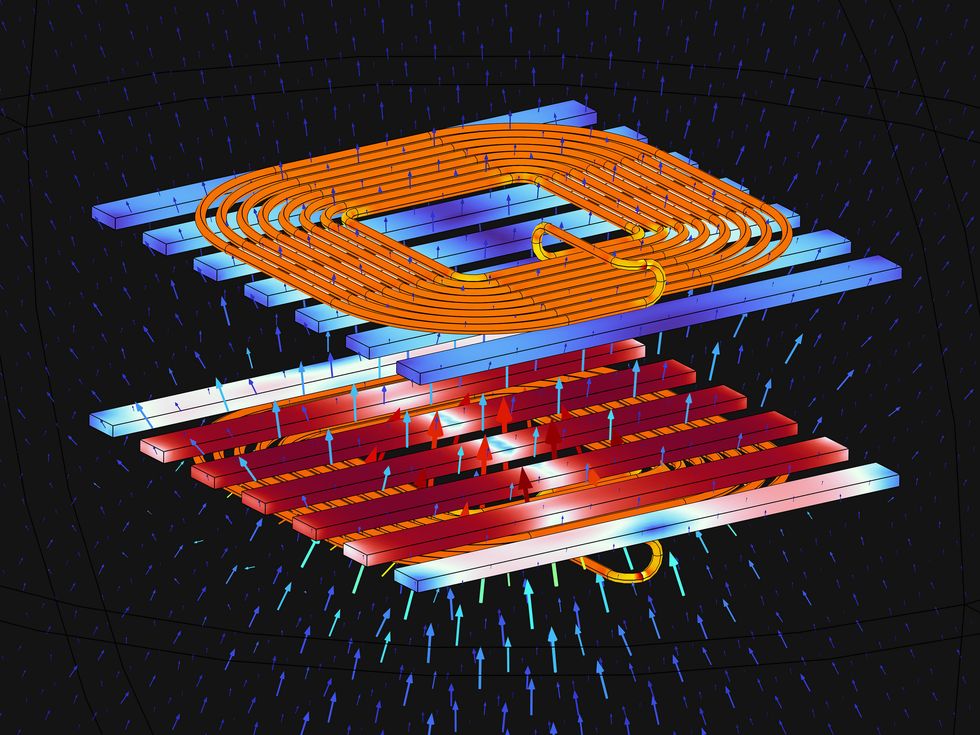
The challenges associated with wireless charging systems highlight the importance of multiphysics modeling. At higher power levels, localized heating can alter coil conductivity, impacting circuit behavior and component design. Similarly, electric motors and power converters require sophisticated simulation to optimize performance and efficiency; traditional design methods are proving inadequate for today’s demands.
Fuel Cells and Grid Integration
The shift towards electric freight transportation introduces another layer of complexity – the choice between batteries and fuel cells. Notably, fuel cells lend themselves particularly well to multiphysics analysis, as they integrate fluid flow, heat transfer, chemical reactions, and electrochemical processes. Moreover, integrating intermittent renewable energy sources into the electric grid poses new challenges, requiring advanced simulations to maintain stability and reliability.
Real-World Impact of Multiphysics Modeling

The adoption of multiphysics modeling is driving tangible innovations across various industries. For example, Berlin-based automotive engineering company IAV is utilizing these simulations to develop powertrain systems incorporating mixed battery chemistries – combining sodium-ion and lithium solid-state cells. This approach allows them to leverage the unique properties of each chemistry for improved thermal management; they can use cells operating at high temperatures to heat lower-running ones, thereby enhancing overall system efficiency.
As battery technology continues to evolve, multiphysics modeling will continue to unlock previously unattainable technologies and applications—opening doors to advancements like electric vertical take-off and landing aircraft (eVTOLs). Ultimately, embracing this approach is essential for navigating the complex challenges of electrification and realizing its full potential.
Source: Read the original article here.
Discover more tech insights on ByteTrending.
Discover more from ByteTrending
Subscribe to get the latest posts sent to your email.