

Exploring Cutting-Edge Robotics Advancements
Video Friday continues to deliver a fascinating glimpse into the rapidly evolving world of robotics. This week’s selection highlights impressive breakthroughs, showcasing everything from multimodal humanoid systems to innovative locomotion and manipulation techniques. The field is advancing at an extraordinary pace, with researchers constantly pushing boundaries and developing solutions for increasingly complex challenges. As we explore these videos, it’s clear that the future of automation is closer than ever before.
Multimodal Robotics: Combining Capabilities
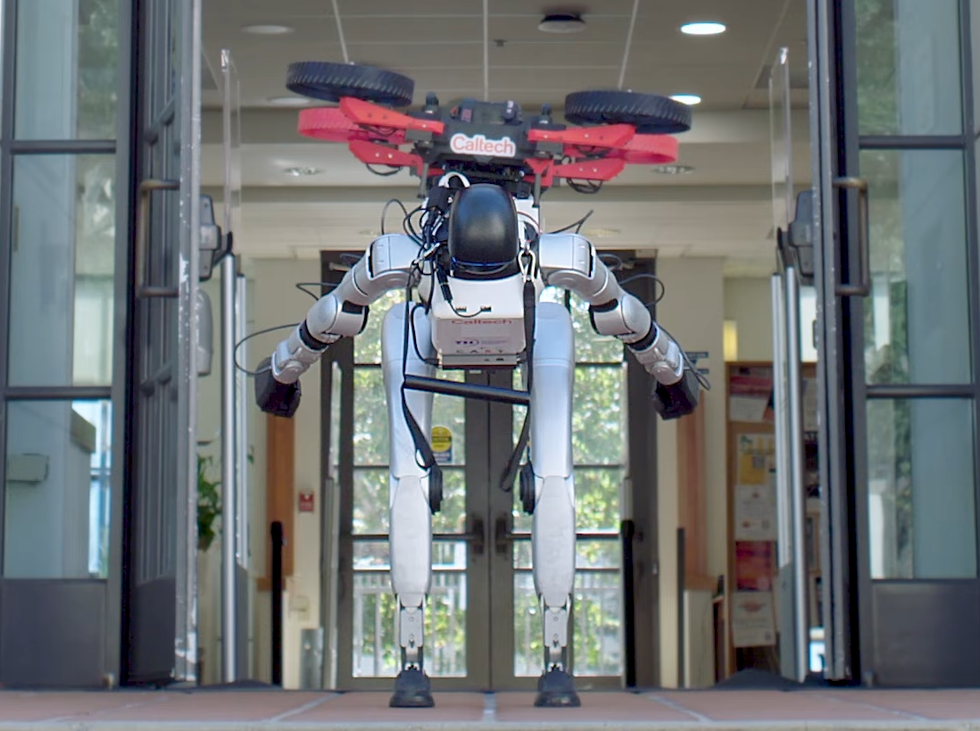
The first video introduces X1, a remarkable multirobot system developed through a collaborative effort between Caltech’s Center for Autonomous Systems and Technologies (CAST) and the Technology Innovation Institute in Abu Dhabi. Notably, M4, a core component of this system, demonstrates impressive versatility by seamlessly transitioning between drone mode, driving mode, and back again. This capability showcases the potential for creating coordinated robotic teams that can adapt to diverse environments and tasks; furthermore, it underscores the power of inter-institutional collaboration in accelerating progress within robotics.
Drone Integration & Autonomous Operation
The demonstration of X1’s drone integration is particularly compelling. The ability for a humanoid robot to launch, support, and retrieve a drone represents a significant step towards more adaptable and autonomous systems. The video highlights how such capabilities could be invaluable in search and rescue operations or infrastructure inspection. For example, a team like this could navigate complex terrain, with the drone providing aerial reconnaissance.
Collaborative Development in Robotics
The success of X1 isn’t just about the technology itself; it also underscores the importance of collaborative research. Combining expertise and resources from different institutions allows for a broader perspective and faster innovation cycles within the field of robotics.
Dynamic Manipulation with Boston Dynamics’ Spot
The next video features Spot, the agile quadrupedal robot from Boston Dynamics. This demonstration focuses on dynamic whole-body manipulation – a truly impressive feat. Spot utilizes reinforcement learning and sampling-based control to perform complex tasks, including dynamically selecting contact points on its arm, legs, and body while simultaneously coordinating locomotion. This allows for more natural and efficient movement, which is crucial in unstructured environments. It’s important to note that an external motion capture system simplified perception, and significant computational power was required; however, the resulting performance is still quite remarkable.
Reinforcement Learning & Locomotion Coordination
The use of reinforcement learning allows Spot to adapt its manipulation strategies based on real-time feedback. This means it can learn to handle unexpected situations and adjust its movements accordingly. Similarly, the coordination between arm movement and locomotion is essential for maintaining balance and stability while manipulating objects.
The Future of General-Purpose Robotics with Figure 03 & Shape-Shifting Robots
The third video introduces Figure 03, a significant advancement from Figure AI. They’re aiming to build deployable, scalable products, moving humanoid robotics beyond experimental prototypes. The design emphasizes home-safe operation and mass manufacturing readiness. Finally, the video showcases a novel approach to robot design: shape-shifting robots utilizing electro-morphing gel (e-MG). These robots can bend, stretch, and move in unprecedented ways, opening up possibilities for new applications and functionalities.

Home-Safe Design & Scalable Manufacturing
The focus on home safety and mass manufacturing readiness is crucial for the widespread adoption of humanoid robotics. By prioritizing these factors, Figure AI aims to make their robots accessible and practical for a broader range of applications.
Electro-Morphing Gel & Future Applications
The shape-shifting capabilities enabled by e-MG represent a radical departure from traditional robot design. As research continues, we can expect to see even more innovative applications emerge, potentially revolutionizing fields like medical devices and search and rescue.
Conclusion: A Glimpse into Tomorrow’s Robotics
The videos presented in this week’s Video Friday offer a compelling look at the current state and future trajectory of robotics. From collaborative multi-agent systems to agile manipulation and groundbreaking materials, the innovations showcased highlight the incredible potential of this field to transform our world. While some demonstrations require significant infrastructure (like external motion capture), the progress is undeniable; we can expect to see even more exciting advancements in the years to come.
Source: Read the original article here.
Discover more tech insights on ByteTrending.
Discover more from ByteTrending
Subscribe to get the latest posts sent to your email.