
While your ISP connects you to the internet, it also monitors your activity. Every time you visit a site, your device sends a DNS request that reveals where you’re headed. Even if the site uses HTTPS, it doesn’t cover your tracks because HTTPS only encrypts content and not DNS requests, meaning your ISP can see which websites you visit. That data can then be sold, analyzed, or used to build a profile of your browsing habits.
What is Encrypted DNS and Why Do You Need It?
DNS (Domain Name System) translates website names into IP addresses that computers understand. Traditionally, these requests are sent in plain text, making them vulnerable to interception and tracking. Encrypted DNS, also known as DNS over HTTPS (DoH) or DNS over TLS (DoT), encrypts these requests, preventing your ISP and others from seeing the websites you visit.
Think of it like this: without encryption, your ISP sees every website address you type. With encrypted DNS, they only see an encrypted request – a black box that reveals nothing about your destination. This simple change significantly enhances your online privacy.
Top Encrypted DNS Providers Compared
Several providers offer encrypted DNS services, each with its own strengths and weaknesses. Here’s a breakdown of some popular options:
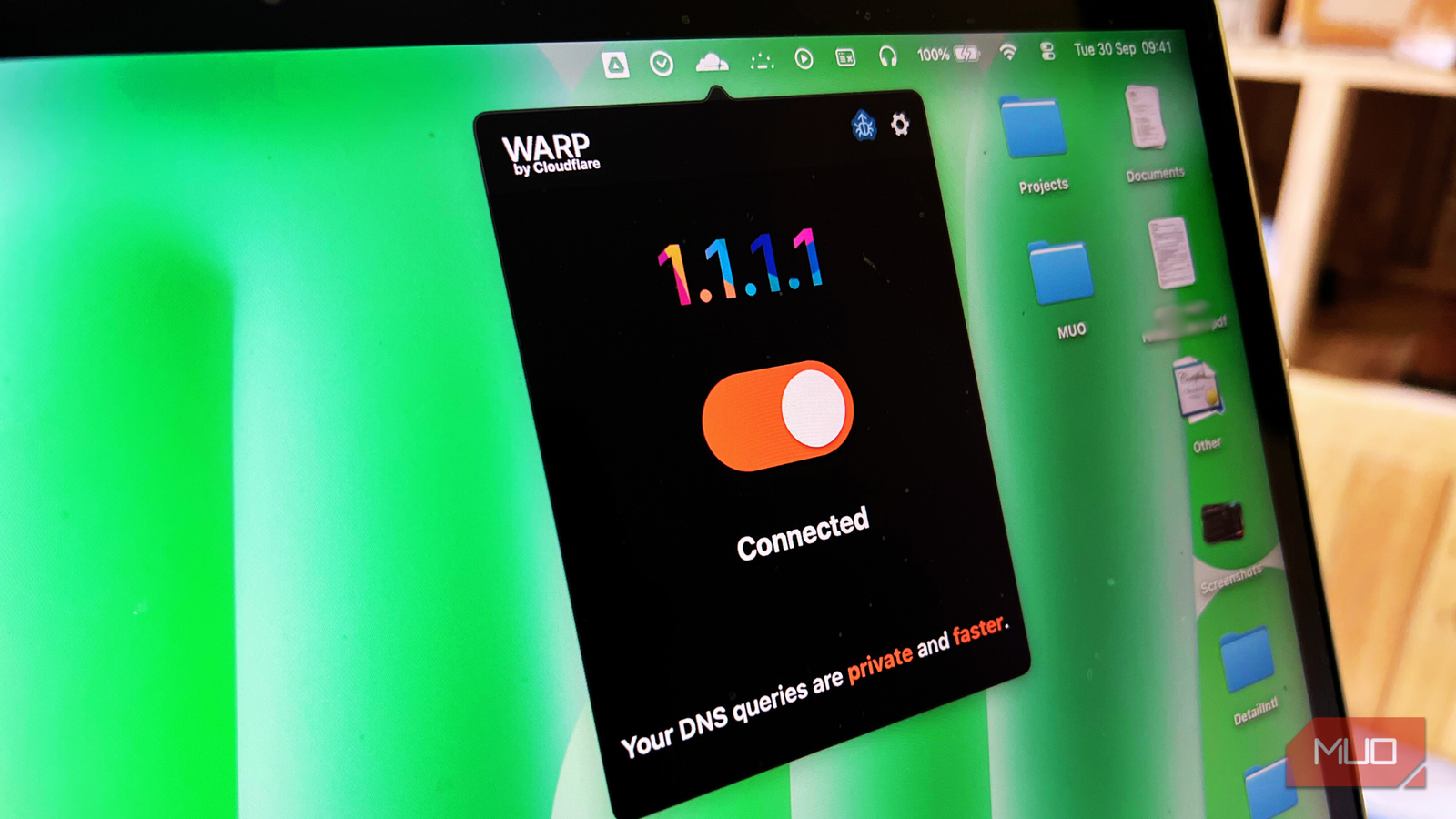
- Cloudflare (1.1.1.1): Known for speed and reliability, Cloudflare’s 1.1.1.1 is a widely used option. It offers both DoH and DoT support and has a strong privacy policy.
- Google Public DNS: Google’s offering provides encrypted DNS with decent performance, but some users have concerns about data collection (though Google claims to not log personally identifiable information). Supports DoH & DoT.
- Quad9: Quad9 focuses on security by blocking access to known malicious domains. It offers DoH and DoT and is a good choice for those prioritizing safety alongside privacy.
- NextDNS: This provider provides customizable DNS filtering, allowing you to block ads, trackers, and specific websites. Offers both DoH & DoT with extensive configuration options.
- CleanBrowsing: CleanBrowsing is a family-friendly option that filters out adult content and malware. It’s an excellent choice for parents or those who prefer a safer browsing experience. Supports DoH.
When choosing a provider, consider factors like speed, security features, privacy policy, and ease of setup.
Choosing the Right Provider
Ultimately, the best encrypted DNS provider for you depends on your individual needs and priorities. For example, if speed is paramount, Cloudflare’s 1.1.1.1 is an excellent choice. However, if security is your primary concern, Quad9’s ability to block malicious domains might be more appealing.
Understanding DoH vs. DoT
While both DoH and DoT achieve the same goal – encrypting DNS requests – they use different protocols. DoH utilizes HTTPS, which is also used for secure website browsing, making it easier to deploy. On the other hand, DoT uses TLS, a protocol traditionally associated with email encryption. Furthermore, understanding these differences can help you configure your devices more effectively.
How to Set Up Encrypted DNS
Setting up encrypted DNS is relatively straightforward. The process varies depending on your operating system and device:
- Windows: You can configure DoH directly within Windows settings (version 1903 or later).
- macOS: macOS supports DoH through its network preferences.
- Android: Many Android devices now have built-in encrypted DNS support in the Wi-Fi settings.
- iOS: iOS also offers encrypted DNS options within the Wi-Fi settings.
- Routers: Some routers allow you to configure encrypted DNS for your entire network, protecting all connected devices.
Many VPN services also integrate encrypted DNS functionality, providing an additional layer of privacy.
Conclusion: Take Control of Your Online Privacy
Switching to an encrypted DNS provider is a simple yet powerful step you can take to protect your online privacy. It’s a relatively easy upgrade that significantly reduces the amount of data your ISP can collect about your browsing habits, giving you more control over your digital footprint. While it’s not a complete solution for online anonymity (using a VPN remains the gold standard), encrypted DNS is an essential first step towards a more private and secure internet experience.
Source: Read the original article here.
Discover more tech insights on ByteTrending.
Discover more from ByteTrending
Subscribe to get the latest posts sent to your email.