
One year after securing second place in NASA’s Break the Ice Lunar Challenge, Starpath, a technology startup, recently conducted crucial testing of its upgraded rover within NASA’s Marshall Space Flight Center. This valuable opportunity, awarded as part of their prize, involved rigorous evaluation of the rover’s performance in the center’s specialized thermal vacuum chamber. The success highlights the importance of innovative approaches to robotic exploration and demonstrates how competitions like this can spur advancements vital for future missions.
Understanding Starpath’s Winning Design
Starpath’s design stood out within the Break the Ice Lunar Challenge, a competition aimed at developing technologies for excavating and transporting regolith – the icy, rocky dirt found on the Moon. Their four-wheeled rover is engineered to function effectively under extremely harsh environmental conditions. A key feature of the rover involves a dual drum barrel that extends from its body, mimicking the action of crab claws; this allows for rapid excavation of rough terrain while conserving precious battery life. This innovative approach is crucial for missions where resources are limited and efficiency is paramount.
The Break the Ice Lunar Challenge: Fostering Innovation
NASA’s Centennial Challenges program, like the Break the Ice Lunar Challenge, serves as a catalyst for technological advancement. These challenges incentivize individuals and small businesses to develop solutions to specific technology goals, ultimately benefiting space exploration initiatives. The competition format encourages creative problem-solving and accelerates progress in critical areas, demonstrating NASA’s commitment to fostering public-private partnerships.
Simulating the Lunar Environment
The ability to simulate harsh environmental conditions is key to validating new technologies designed for use on other planetary bodies. Starpath’s rover was tested within a simulated lunar environment, allowing engineers to evaluate its performance under realistic operating parameters.
The Significance of Thermal Vacuum Chamber Testing
Testing in a thermal vacuum chamber is far more complex than simply adjusting the temperature; it replicates the unique conditions found on the Moon. The absence of atmospheric pressure significantly impacts heat transfer, primarily through radiation, which differs greatly from Earth-based experiences. For example, components must be able to withstand extreme temperature fluctuations and the constant bombardment of solar radiation. This type of testing identifies potential weaknesses in design before deployment, ensuring longevity and operational reliability.
Preparing the Testbed
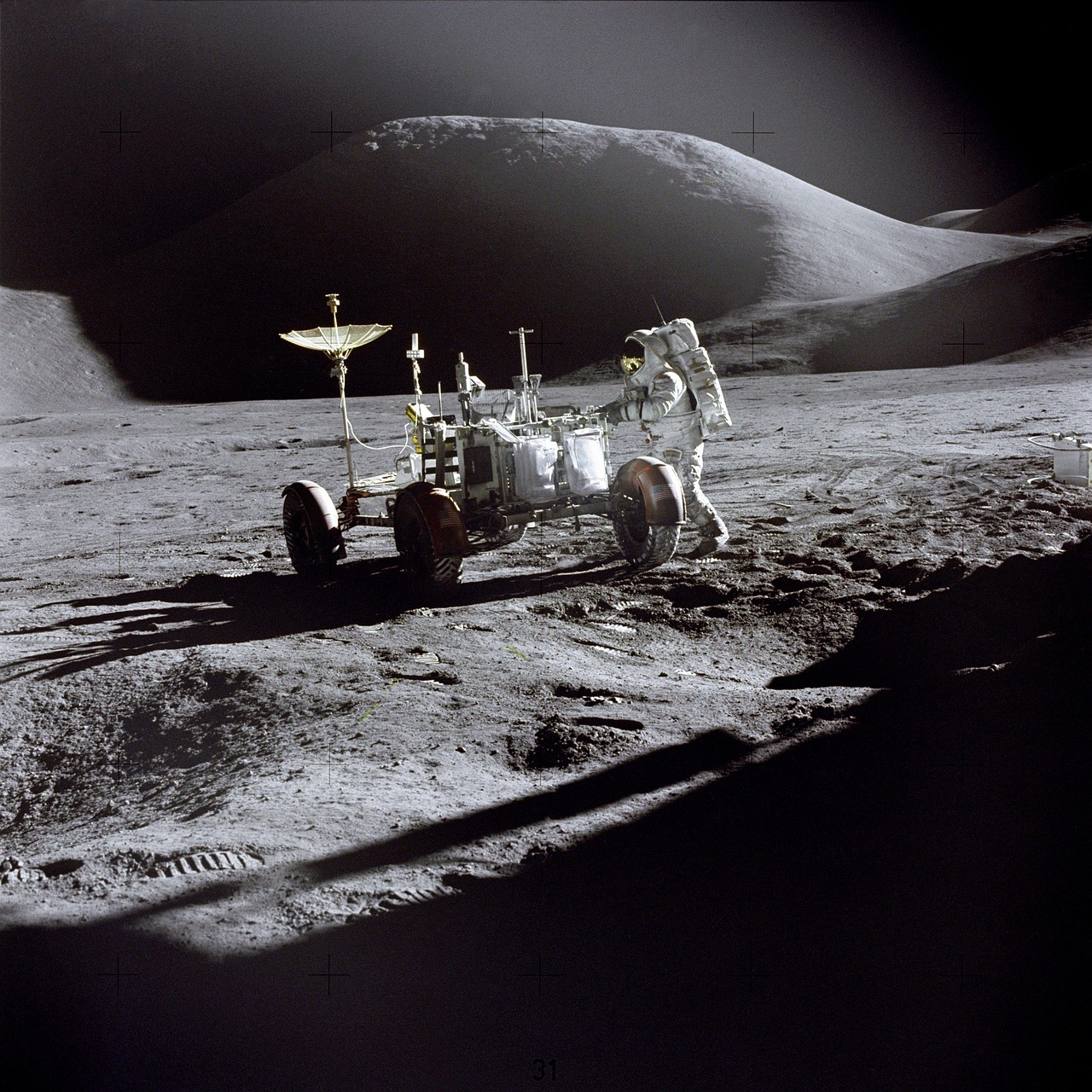
Before Starpath’s journey from California to Alabama, staff at NASA Marshall prepared a concrete slab with rocky terrain. This carefully constructed testbed allowed the rover to interact with a simulated lunar surface within the chamber and provided valuable data on its excavation capabilities.
Beyond Lunar Exploration: Earthly Applications
The ingenuity behind Starpath’s rover extends beyond lunar missions. The technology can be adapted for various terrestrial applications, such as resource extraction in areas with similar geological conditions to the Moon. Furthermore, its capabilities in navigating challenging terrain make it suitable for disaster relief operations and remote access situations. This demonstrates the broad applicability of space-based research.
Conclusion
Starpath’s experience exemplifies how NASA’s Centennial Challenges drive technological innovation and provide opportunities for small businesses to contribute to space exploration goals. The testing within the thermal vacuum chamber is a crucial step in refining the rover’s performance, paving the way for future missions aimed at establishing a sustainable presence on the Moon as part of the Artemis program. Ultimately, these advancements not only benefit NASA but also have the potential to yield valuable solutions for challenges facing our planet.
Source: Read the original article here.
Discover more tech insights on ByteTrending.
Discover more from ByteTrending
Subscribe to get the latest posts sent to your email.