
Why a Nuclear Reactor on the Moon?
Current lunar exploration relies heavily on solar power, but this approach presents significant limitations when considering sustained and ambitious future missions. While solar panels have proven useful in certain contexts, the Moon’s environment poses unique challenges that drastically reduce their effectiveness. The biggest hurdle is the extended periods of darkness – lunar nights last approximately 14 Earth days! During these times, operations grind to a halt unless extensive battery systems are employed, adding significant weight and complexity to spacecraft and rovers.
Beyond the long nights, even during daylight hours, lunar dust presents a persistent problem. This abrasive material clings to solar panels, significantly reducing their efficiency over time. NASA estimates that dust accumulation can decrease panel output by as much as 30% or more, requiring frequent cleaning – a resource-intensive and potentially unreliable process on the lunar surface. Furthermore, the Moon’s distance from the sun means it receives considerably less sunlight than Earth, further diminishing solar power generation capabilities.
These limitations become particularly acute when considering future plans for establishing permanent lunar bases, conducting extensive scientific research (like ice mining), or deploying large-scale infrastructure such as telescopes or resource processing plants. These activities demand a consistent and reliable power supply far beyond what current solar technology can reasonably provide. A nuclear fission reactor offers a solution to these problems by providing a continuous, independent source of energy regardless of sunlight availability or dust interference.
Nuclear fission, in essence, allows us to carry our own power plant to the Moon. Unlike solar, it isn’t dependent on external factors like sunlight and is capable of generating significantly more power – enough to fuel complex scientific instruments, life support systems for a lunar habitat, and even propel future missions deeper into the solar system. The development of this lunar nuclear reactor marks a crucial step towards realizing humanity’s long-term presence and ambitious goals on the Moon.
The Solar Power Challenge
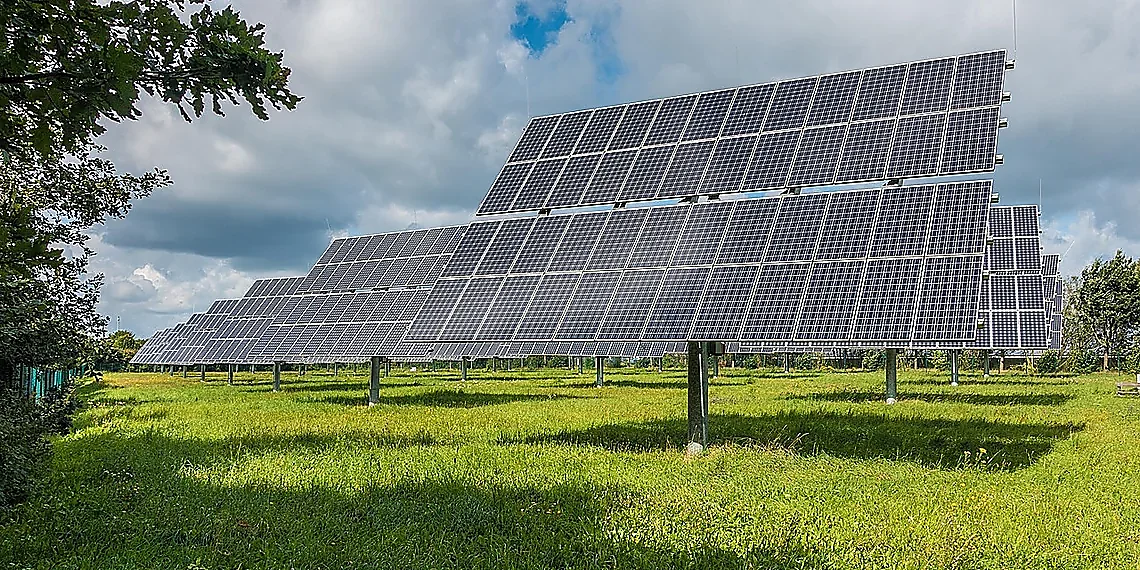
While solar energy has been successfully utilized on previous lunar missions, relying solely on it presents significant challenges for establishing a long-term, sustainable presence on the Moon. The lunar surface experiences extended periods of darkness, lasting approximately 14 Earth days during each lunar night. During these nights, all solar panels are completely inactive, rendering any equipment powered by sunlight unusable unless substantial battery storage is employed. While batteries can provide temporary power, their capacity and lifespan become a major constraint for large-scale operations or continuous scientific experiments.
Furthermore, even when the Sun *is* shining on the Moon, dust interference severely impacts solar panel efficiency. Lunar regolith, a fine, abrasive powder, clings to surfaces due to electrostatic charging, reducing sunlight absorption. Studies have shown that lunar dust can decrease solar panel power output by as much as 20-30% or more over time without regular cleaning – a difficult and resource-intensive task on the Moon. This degradation necessitates frequent maintenance, which adds complexity and cost to missions.
Finally, the overall power limitations of current solar technology restrict ambitious lunar endeavors. A sustained base requiring significant energy for resource extraction (like water ice), habitat life support, or large robotic operations would necessitate an enormous area covered in solar panels – far exceeding what is practical to deploy and maintain. NASA estimates that future lunar missions will require power levels significantly beyond what can be reliably provided by solar arrays alone, justifying the exploration of alternative solutions like a compact nuclear fission reactor.
The Reactor Project: Details and Timeline
The ambitious Lunar Nuclear Reactor project, spearheaded by NASA and the Department of Energy (DOE), aims to establish a sustainable power source on the Moon’s surface by 2030. This groundbreaking initiative involves developing a small fission reactor designed specifically for lunar deployment. Initial plans outline a reactor approximately the size of a small car, intended to generate roughly 40 kilowatts of power – enough to support future lunar bases, scientific experiments, and resource utilization efforts. Key figures driving this project include Chris Wright from the DOE and Jared Isaacman, Administrator of NASA, whose combined expertise is crucial for its success.
The reactor’s design prioritizes modularity and ease of transport, essential considerations given the challenges of launching components to the Moon. It will be built in stages, with separate modules for the core, power conversion system, and radiation shielding – each designed for independent testing and integration. The chosen fission technology leverages established principles but incorporates advancements for enhanced safety and efficiency in the lunar environment. This modular approach allows for future upgrades and maintenance tasks to be performed more readily, crucial for long-term operational sustainability.
The timeline leading up to the 2030 deployment is phased, beginning with extensive ground testing of reactor components throughout this year (2024). A critical milestone involves demonstrating the reactor’s ability to operate autonomously and reliably in a simulated lunar environment. Following successful testing, the complete reactor system will undergo final integration and rigorous safety reviews before being packaged for launch. The planned deployment date signifies an accelerated schedule reflecting the urgency of establishing robust power infrastructure for sustained lunar presence.
Safety remains paramount throughout all phases of the Lunar Nuclear Reactor project. The design incorporates multiple layers of radiation shielding to protect both equipment and any potential human presence on the Moon. Furthermore, sophisticated remote monitoring systems will continuously assess reactor performance and environmental conditions. These comprehensive safety protocols are integral to ensuring responsible and sustainable lunar power generation, contributing significantly to NASA’s and DOE’s commitment to safe and innovative space exploration.
Technology and Design
The lunar nuclear reactor currently under development is designed with modularity as a core principle, specifically for the challenges of transporting components to the Moon and maintaining them in a harsh, remote environment. Instead of one monolithic structure, it will consist of several independent modules that can be shipped separately and assembled on the lunar surface by robotic systems. This approach significantly reduces launch mass and complexity compared to sending a single, large piece of equipment. Each module is designed for relative ease of replacement or repair; should any component fail, it can be swapped out with a spare, minimizing downtime and maximizing operational lifespan.
Safety is paramount in the reactor’s design. The system will utilize a fission process relying on uranium fuel, similar to reactors used safely on Earth, but adapted for lunar conditions. Crucially, it’s designed to operate at a low power level initially – around 10 kilowatts – gradually increasing as needed. Extensive radiation shielding using layers of regolith (lunar soil) and specialized materials will protect both the reactor components themselves and any nearby equipment or future habitats. The design also incorporates inherent safety features that prevent uncontrolled reactions, even in the event of system failures or lunar dust contamination.
The project team, led by Secretary of Energy Chris Wright and NASA Administrator Jared Isaacman, is focused on a phased approach to deployment. Initial testing will occur using terrestrial prototypes, followed by robotic missions to scout potential reactor sites on the Moon. By 2030, the goal is to have a fully operational lunar nuclear reactor providing reliable power for future lunar bases, resource extraction operations, and scientific experiments – a critical step in enabling sustained human presence beyond Earth orbit.
Impact on Lunar Exploration & Beyond
The announcement of NASA’s partnership with the Department of Energy to deploy a lunar nuclear reactor by 2030 marks a paradigm shift in our approach to space exploration. Currently, lunar missions are constrained by limited power availability, severely restricting the scope and duration of scientific experiments and hindering the development of sustainable infrastructure. A reliable, high-powered energy source like a lunar nuclear reactor unlocks unprecedented possibilities, moving us beyond short-term visits towards long-term presence and ambitious goals.
One of the most significant impacts will be on In-Situ Resource Utilization (ISRU). The Moon holds valuable resources, particularly water ice concentrated in permanently shadowed craters. Extracting this ice is crucial for creating propellant—rocket fuel—and life support systems. A lunar nuclear reactor provides the consistent and abundant power needed to operate ISRU equipment efficiently and economically, drastically reducing our dependence on costly and complex resupply missions from Earth. This self-sufficiency is a critical stepping stone towards establishing permanent lunar bases.
Beyond resource extraction, this technology will revolutionize scientific research on the Moon. Advanced instruments requiring substantial power – like sophisticated spectrometers for analyzing lunar geology or sensitive detectors searching for signs of past life – become viable. Continuous operation and data collection are key to maximizing scientific output, a luxury previously unavailable with solar-powered systems hampered by long lunar nights and dust accumulation. The reactor’s consistent power also facilitates the development of advanced manufacturing capabilities on the Moon using 3D printing and other technologies.
Looking further ahead, the success of a lunar nuclear reactor could pave the way for even more ambitious missions. Mastering this technology provides invaluable experience applicable to powering future outposts on Mars or asteroids. The lessons learned in deploying and operating a reactor in the harsh lunar environment will be directly transferable, accelerating our progress towards becoming an interplanetary species and unlocking the vast potential of the solar system.
Enabling Lunar Infrastructure
A reliable power source is paramount to establishing sustainable infrastructure on the Moon. Currently, solar power is limited by the lunar night cycle, which lasts approximately 14 Earth days. This necessitates bulky battery systems and restricts the types of operations that can be consistently performed. A lunar nuclear reactor would provide a continuous, high-capacity power supply, fundamentally changing what’s possible for long-duration missions and permanent installations.
One of the most transformative applications enabled by this consistent power is In-Situ Resource Utilization (ISRU). Specifically, extracting water ice from permanently shadowed craters becomes significantly more viable. This water can then be split into hydrogen and oxygen, creating propellant for return trips to Earth or onward journeys to destinations like Mars. Reducing reliance on costly and logistically challenging resupply missions from Earth drastically lowers the overall cost of lunar operations and expands mission scope.
Beyond ISRU, a nuclear reactor unlocks possibilities for advanced scientific research requiring substantial power, such as high-powered telescopes and sophisticated sample analysis equipment. It also supports habitat life support systems, 3D printing construction materials using lunar regolith, and potentially even large-scale manufacturing capabilities on the Moon – all contributing to building a robust and self-sufficient lunar presence.
Challenges and Future Considerations
Deploying a lunar nuclear reactor presents formidable challenges that extend far beyond simply shrinking existing terrestrial designs. The sheer cost of transporting components – each kilogram launched into space carries a significant price tag – necessitates extreme miniaturization and operational efficiency. Regulatory hurdles are also substantial, as international treaties governing activities on the Moon currently lack specific guidelines for nuclear power generation. Establishing clear protocols for reactor deployment, operation, and eventual decommissioning will require extensive collaboration between nations and legal experts to ensure responsible lunar resource utilization.
Safety concerns understandably loom large when discussing nuclear technology in a pristine environment like the Moon. NASA and DOE are prioritizing robust safety measures from the outset, including redundant systems, automated monitoring capabilities, and fail-safe mechanisms designed to prevent any release of radioactive material. The reactor’s design will incorporate passive safety features that rely on natural physical processes rather than active intervention, minimizing reliance on complex electronics susceptible to lunar dust or extreme temperatures. Addressing public perception and anxieties surrounding nuclear power is also crucial; transparent communication and ongoing engagement with stakeholders will be vital throughout the project’s lifecycle.
Looking ahead, future developments in lunar power generation are likely to encompass a range of approaches beyond this initial reactor deployment. Research into advanced reactor designs – potentially utilizing thorium or other alternative fuel sources – could offer improved efficiency and reduced waste production. Furthermore, advancements in robotics and autonomous systems will be essential for remote operation and maintenance of the reactor, particularly as lunar infrastructure expands. The long-term vision includes a network of interconnected power plants supporting sustained human presence on the Moon, enabling ambitious scientific endeavors and resource extraction activities.
Waste management strategies represent another critical area requiring ongoing attention. While the initial lunar nuclear reactor is designed to minimize waste generation, any spent fuel will necessitate careful handling and storage. Potential solutions include long-term geological disposal within permanently shadowed craters – offering natural shielding from solar radiation – or eventual return to Earth for reprocessing, although the latter presents significant logistical complexities. The development of in-situ resource utilization (ISRU) techniques that could potentially utilize lunar regolith for waste immobilization also holds promise for a more sustainable approach.
Safety & Sustainability
The prospect of a lunar nuclear reactor understandably raises public concern regarding safety and environmental impact. NASA and the DOE are prioritizing these aspects throughout the development process. The reactor design incorporates multiple layers of safety features, including passive decay heat removal systems that rely on natural convection and radiation shielding to prevent accidents and minimize potential release of radioactive materials. Rigorous testing and simulations will be conducted both on Earth and in lunar conditions to validate these safeguards before deployment.
Minimizing the environmental footprint is another key consideration. The reactor’s design aims for high efficiency, reducing fuel consumption and waste generation. NASA’s Planetary Protection Officer will oversee adherence to strict protocols to prevent forward contamination of the Moon with terrestrial microorganisms and ensure that operations do not disrupt potential lunar habitats or scientific investigations. Furthermore, the selected reactor type utilizes a fuel form designed for enhanced containment and reduced long-term dispersal risk.
Long-term waste management strategies are being developed alongside the reactor technology. While the initial focus is on minimizing waste production, plans include strategies for secure storage of spent nuclear fuel on the lunar surface, potentially utilizing regolith shielding to further reduce radiation exposure. Future advancements may involve in-situ resource utilization (ISRU) techniques to process or recycle spent fuel, although these technologies are still in early stages of development and face significant engineering challenges.
The prospect of sustained, reliable power on the Moon isn’t just a scientific dream; it’s rapidly becoming a tangible reality thanks to initiatives like the development of a lunar nuclear reactor. This project represents a monumental leap forward, promising to unlock unprecedented opportunities for resource utilization, habitat construction, and ultimately, long-term human presence beyond Earth orbit. Imagine a future where lunar bases are self-sufficient, powered by clean energy, and capable of supporting extensive scientific research – that vision is significantly closer because of this groundbreaking technology. The implications extend far beyond the Moon itself, serving as a crucial stepping stone for missions to Mars and other deep space destinations where solar power simply isn’t sufficient. We stand on the precipice of a new era in space exploration, one fueled by innovation and driven by our insatiable curiosity about the universe. Continued investment and development in technologies like this will not only advance scientific understanding but also inspire future generations to reach for the stars. To stay abreast of these exciting developments and learn more about the technical advancements shaping our journey into deep space, we encourage you to follow updates from NASA and the Department of Energy; their websites are invaluable resources for staying informed about the progress of this incredible endeavor.
Keep an eye on NASA’s official channels and DOE publications – they consistently share detailed information regarding testing phases, deployment strategies, and future mission plans related to power generation in space. These agencies represent the forefront of innovation, and their insights provide a fascinating window into the complexities and triumphs of this ambitious project.
Continue reading on ByteTrending:
Discover more tech insights on ByteTrending ByteTrending.
Discover more from ByteTrending
Subscribe to get the latest posts sent to your email.