
Exploring the Future of Lunar Exploration with Advanced Rovers
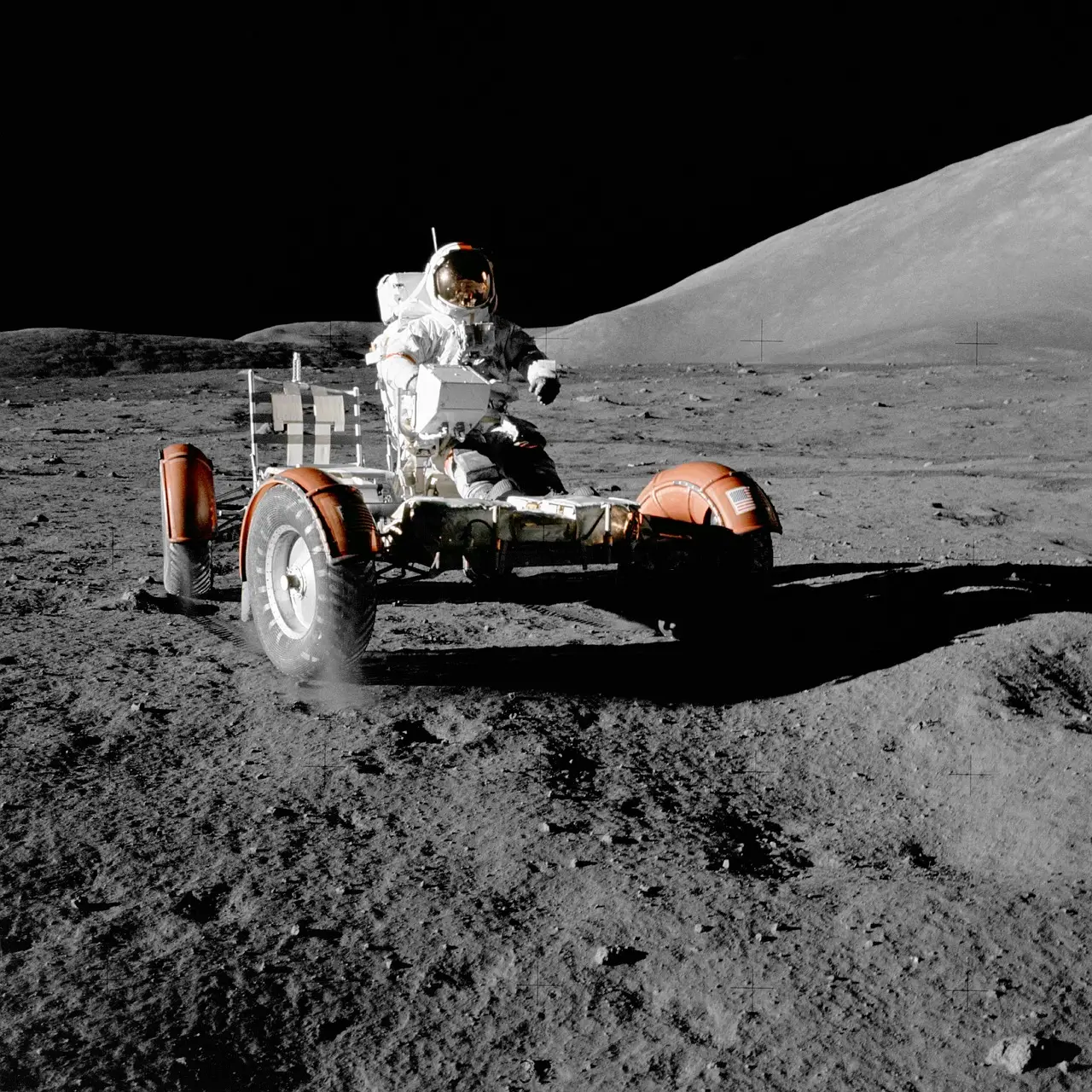
The pursuit of space exploration continues to push the boundaries of human ingenuity, and at the forefront of this endeavor are robotic vehicles designed to traverse extraterrestrial landscapes. As part of NASA’s Artemis campaign, recent developments highlight a renewed focus on lunar missions, specifically utilizing advanced lunar rovers to unlock new scientific discoveries and pave the way for future human presence on the Moon. These sophisticated machines offer unparalleled capabilities for exploring the lunar surface, gathering crucial data, and identifying resources that can support long-term space habitation.
NASA’s VIPER Mission: A Search for Lunar Volatiles
NASA’s ambitious plan involves deploying the Volatiles Investigating Polar Exploration Rover (VIPER) to the Moon’s South Pole region. This innovative rover is tasked with searching for volatile resources, particularly water ice, which could be vital for future lunar operations and missions to Mars. Acting NASA Administrator Sean Duffy emphasized that this delivery represents a significant step towards establishing a sustained American presence on the lunar surface, leveraging U.S. industry expertise. The total potential value of this CLPS task order is $190 million, demonstrating NASA’s commitment to utilizing commercial partnerships for lunar exploration.
The Significance of Lunar Volatiles
Water ice and other volatile compounds are incredibly valuable resources on the Moon. They can be used for drinking water, breathable air, rocket propellant, and even radiation shielding – significantly reducing the need to transport these essentials from Earth. Furthermore, understanding the distribution and abundance of volatiles will help scientists refine potential landing sites for future human missions. Consequently, VIPER’s mission is not merely about exploration; it’s a crucial step towards sustainable lunar operations and expanding our reach into the solar system.
Blue Origin’s Role in Lunar Delivery
Blue Origin has been selected to deliver VIPER to the lunar surface using their Blue Moon MK1 lander. This isn’t Blue Origin’s first foray into lunar missions; they previously delivered Stereo Cameras for Lunar-Plume Surface Studies and a Laser Retroreflective Array. The new delivery, scheduled for late 2027, signifies an ongoing partnership between NASA and the private sector to advance space exploration goals. It’s worth noting that NASA previously canceled a previous VIPER project but has since adopted alternative approaches, highlighting the agency’s commitment to achieving its objectives through adaptable strategies.

Challenges and Future Directions for Lunar Rovers
Operating lunar rovers in the harsh lunar environment presents unique challenges. Extreme temperatures, radiation exposure, and the lack of atmosphere demand robust engineering and innovative solutions. Furthermore, navigating the uneven terrain and permanently shadowed regions requires sophisticated navigation systems and autonomous capabilities. Nicky Fox, NASA’s Associate Administrator for Science Mission Directorate, stressed the importance of cost-effective approaches to ensure a robust and affordable long-term lunar exploration program.
Technological Advancements in Rover Design
Recent advancements are addressing these challenges head-on. New rover designs incorporate improved solar power systems, radiation shielding, and enhanced mobility features like advanced suspension and climbing capabilities. Artificial intelligence is also playing an increasingly important role, enabling rovers to make autonomous decisions, optimize their routes, and adapt to unexpected terrain conditions. These technological strides are essential for maximizing scientific return and ensuring the safety of these valuable assets.
The Long-Term Vision: Paving the Way for Human Missions
Ultimately, the data gathered by lunar rovers like VIPER will be instrumental in supporting future human missions to the Moon. By identifying resources and characterizing potential hazards, these robotic explorers pave the way for astronauts to establish a sustainable presence on the lunar surface. As we look towards Mars and beyond, the lessons learned from lunar exploration – and the capabilities demonstrated by advanced lunar rovers – will be invaluable assets in humanity’s continued journey of discovery throughout the solar system.

In conclusion, the future of lunar exploration is inextricably linked to the capabilities and continued development of lunar rovers. With each mission, we gain valuable insights into our celestial neighbor and move closer to realizing humanity’s long-term vision for a sustainable presence beyond Earth.
Source: Read the original article here.
Discover more tech insights on ByteTrending.
Discover more from ByteTrending
Subscribe to get the latest posts sent to your email.