
Adaptive Eyewear: A New Era for Vision Correction
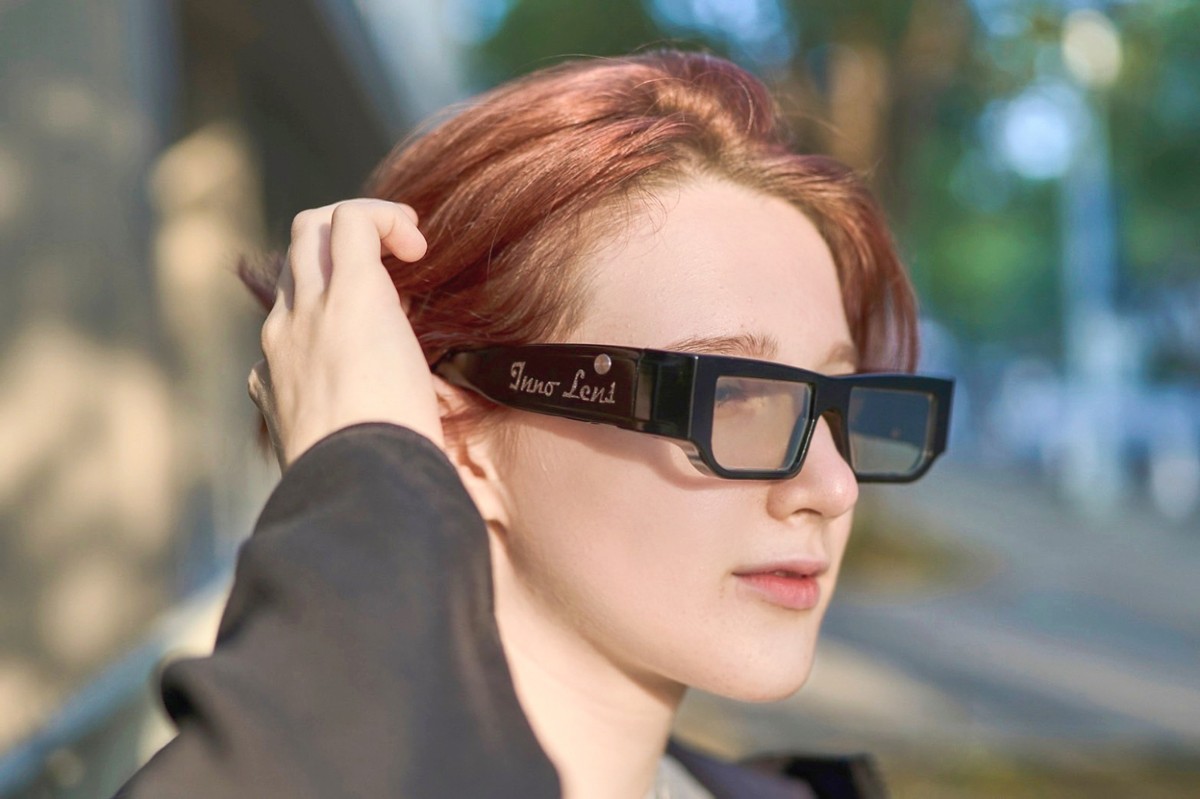
The relentless march of technology continues to reshape our daily lives, and now it’s impacting how we see the world. Researchers have unveiled a groundbreaking innovation in eyewear—liquid-crystal glasses capable of dynamically adjusting focus with the simple press of a button. This development promises a significant leap forward for individuals experiencing presbyopia, commonly known as age-related farsightedness, particularly those who frequently use digital devices. These liquid crystal glasses represent a significant departure from traditional corrective lenses.
Understanding Presbyopia and Current Solutions
Presbyopia occurs when the eye’s lens loses its flexibility, making it difficult to focus on nearby objects. This typically becomes noticeable in midlife and necessitates corrective lenses like reading glasses or bifocals. Traditional solutions often involve multiple pairs of glasses for different tasks—one for distance vision and another for near work. Progressive lenses offer a smoother transition; however, they can sometimes distort peripheral vision. The new liquid crystal glass technology aims to overcome these limitations by offering adaptable optics.
How Liquid-Crystal Lenses Work
Unlike traditional lenses made of glass or plastic, liquid-crystal lenses utilize tiny droplets of liquid crystals suspended in a polymer matrix. These crystals can be electrically controlled, altering their alignment and effectively changing the refractive index of the lens. By applying varying electrical voltages across the lens surface, researchers can precisely adjust its focal length. This allows for seamless switching between near and far vision; furthermore, it offers a unique solution to presbyopia without multiple lenses. For example, imagine effortlessly transitioning from reading a book to viewing distant scenery.
// Simplified representation of voltage control (Conceptual)
- Voltage = Low: Lens focuses on distant objects
- Voltage = Medium: Lens adjusts to intermediate distances
- Voltage = High: Lens focuses on nearby objects
Benefits and Potential Applications
The advantages of these liquid crystal glasses are numerous. The most immediate benefit is the convenience – users can switch between near and far vision without needing to fumble for multiple pairs of glasses. This is especially valuable for those who spend extended periods using smartphones, tablets, or computers. In addition, this technology significantly reduces eye strain associated with constantly switching focus. Beyond convenience, the technology offers potential improvements in visual clarity. Future iterations could even incorporate features like automatic focus adjustment based on detected object distances, truly revolutionizing how we perceive the world through these liquid crystal glasses.


Challenges and Future Directions
While promising, this technology faces challenges. Current prototypes are relatively bulky and require a power source; however, miniaturization efforts are underway. The response time for focus adjustment also needs improvement to ensure a seamless user experience. Researchers are exploring thinner lens designs, more efficient power management systems (potentially incorporating solar energy), and advanced algorithms for automated focus control. Notably, the integration of augmented reality functionalities represents another exciting avenue for future development; these features could transform liquid crystal glasses into much more than just corrective lenses.
Conclusion
Liquid-crystal glasses represent a paradigm shift in vision correction technology. By combining the principles of optics and electrical engineering, researchers have created a device that offers unprecedented convenience and potential improvements in visual comfort. As the technology matures and overcomes current limitations, we can anticipate seeing these adaptive spectacles become increasingly prevalent, ushering in a new era for eyewear.
Source: Read the original article here.
Discover more tech insights on ByteTrending.
Discover more from ByteTrending
Subscribe to get the latest posts sent to your email.