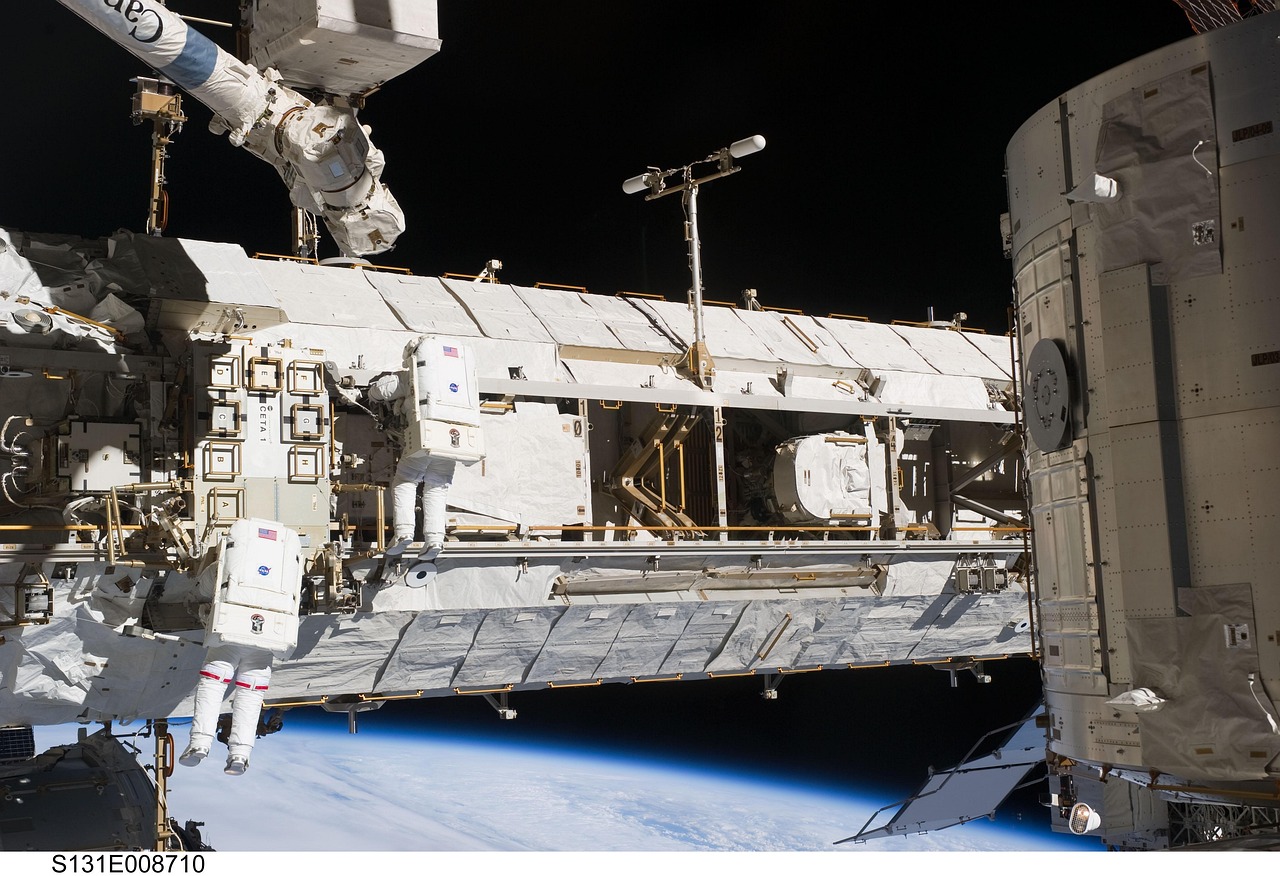


- Lindy Garay’s work at NASA is driven by a profound commitment to ensuring the safety and success of human spaceflight missions. Her career began with developing software for the International Space Station Program’s original space station training facility simulator. This initial role, starting in 2000, ignited her passion for contributing to such an important mission.
Lindy Garay, a graduate of the University of Texas at Austin with an electrical and software engineering degree, has spent over 25 years at NASA’s Johnson Space Center in Houston. Initially, she focused on developing software for the International Space Station Program’s original space station training facility simulator. “I had not always been interested in working in the space program, but I became enamored with being able to contribute to such an important mission,” she said. This early experience shaped her career trajectory and fueled her dedication to advancing human space exploration.
Today, Garay serves as a training systems software architect and is the technical lead for training system external interfaces. This pivotal role involves leading the team that connects NASA’s simulations with those provided by Johnson’s Mission Training Center (MTC). The MTC currently supports training capabilities for the International Space Station Program, the Commercial Crew Program, and Artemis campaign components such as the Orion Program and the human landing system. Garay’s work is especially critical in complex scenarios like docking procedures, demanding precision, adaptability, and teamwork – skills honed through rigorous virtual experiences overseen by her team.
Garay was recently recognized with a 2025 NASA Space Flight Awareness Program Honoree award – one of the highest recognitions presented to the agency’s workforce. This commendation acknowledged her “sustained superior performance, dedication, and commitment to the Flight Operations Directorate’s goals” and her instrumental role in the success of several major training systems projects, specifically contributions to the High-Level Architecture simulation framework. This sophisticated system allows trainers to replicate complex scenarios encountered during missions, enhancing crew preparedness. The framework is used to create realistic simulations of visiting vehicles’ arrival, docking, and departure from the space station.
The importance of diverse skillsets in achieving goals like human spaceflight cannot be overstated. Garay’s dedication and technical expertise are vital for ensuring the safety and success of ongoing missions. Her leadership ensures that all simulations align with operational requirements, maximizing training effectiveness and minimizing risks. Furthermore, her focus on communication, flexibility, and active listening within her team underscores a successful endeavor.
To illustrate the complexities of these training scenarios, consider a typical simulation involving docking procedures. Trainees must coordinate maneuvers, manage communication delays, and respond to unexpected events—skills honed through rigorous virtual experiences overseen by Garay’s team. These intricate simulations contribute directly to improving operational efficiency during actual space missions. The level of detail and realism she champions are absolutely essential for preparing astronauts and mission controllers for the unique challenges posed by operating within a space station environment.
In conclusion, Lindy Garay’s career exemplifies dedication, technical expertise, and leadership in the field of space station training. Her contributions are integral to ensuring the safety and success of human spaceflight endeavors, highlighting the vital role of diverse skillsets and collaborative teamwork in achieving ambitious goals.
Source: Read the original article here.
Discover more tech insights on ByteTrending.
Discover more from ByteTrending
Subscribe to get the latest posts sent to your email.