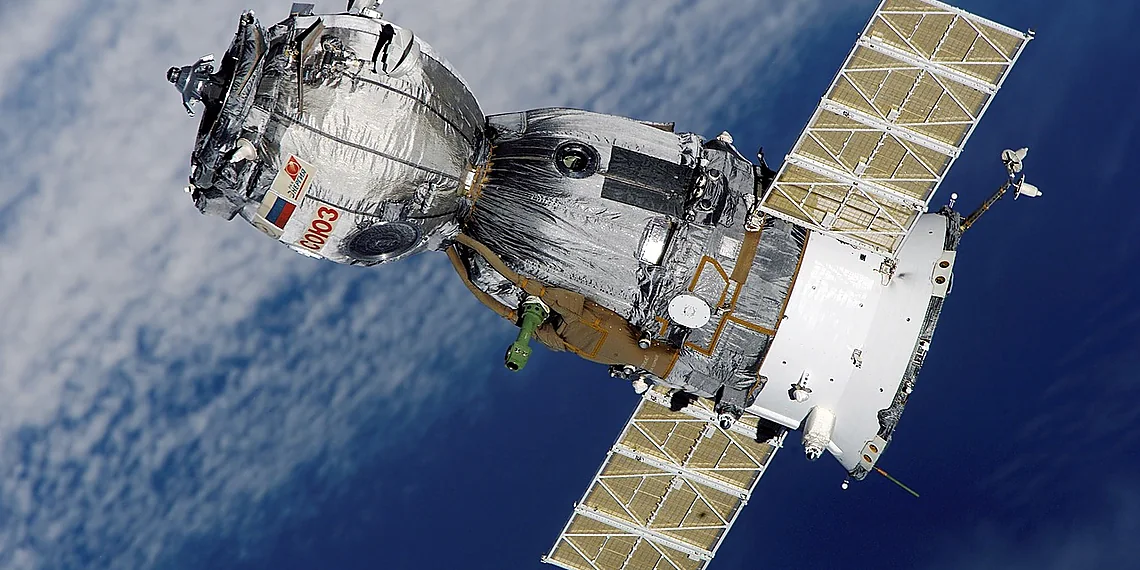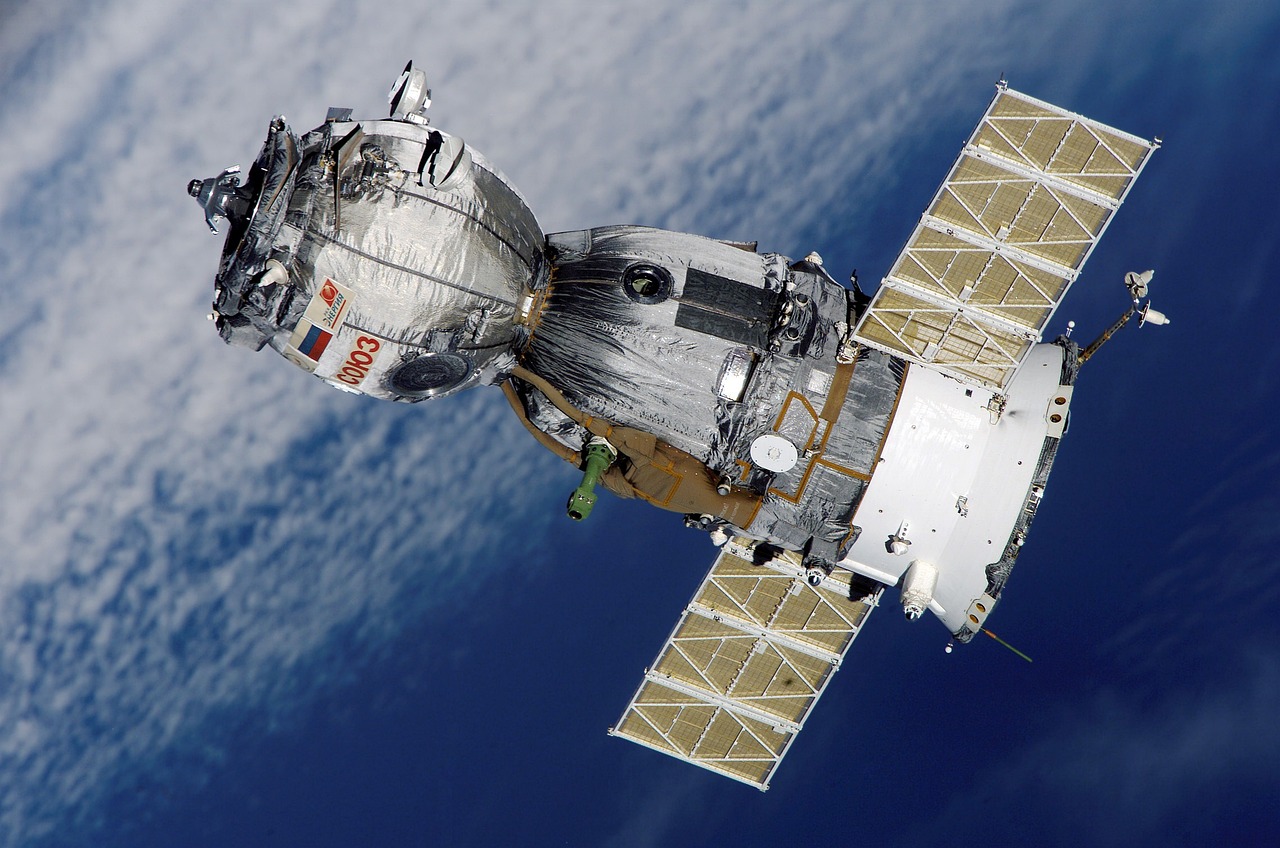

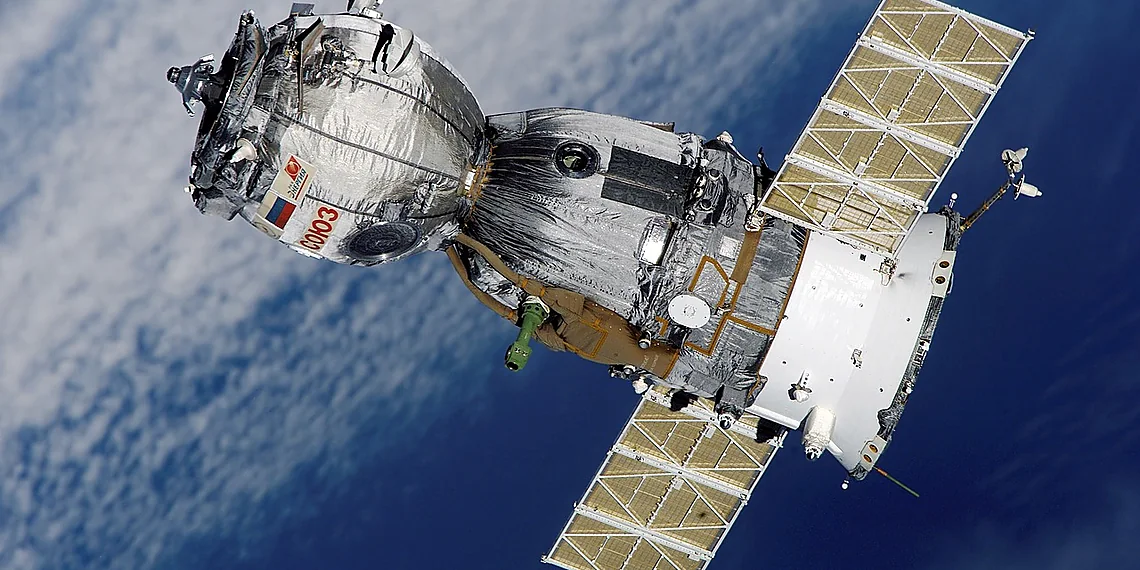
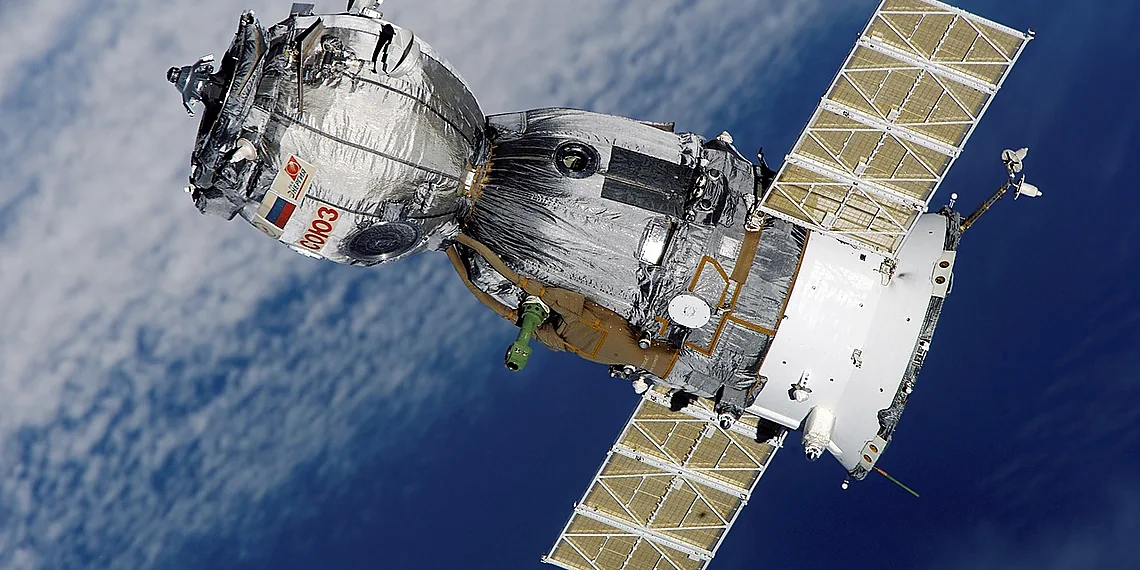
The escalating threat of collisions between satellites and space debris – often referred to as the Kessler Syndrome – demands immediate attention. With over 11,000 active satellites currently orbiting Earth and plans for thousands more launches in the coming years, the problem of orbital congestion is reaching critical levels. Furthermore, the presence of over 1.2 million pieces of space debris larger than one centimeter, hurtling through space at speeds potentially exceeding 17,500 mph, significantly elevates the risk of damage or destruction to spacecraft. This escalating situation underscores the urgent need for innovative solutions in satellite collision avoidance. Protecting valuable assets and ensuring mission success hinges on proactive monitoring and advanced techniques.
Introducing CREAM: Automated Collision Avoidance
The European Space Agency’s Collision Risk Estimation and Automated Mitigation (CREAM) project represents a significant step forward in addressing this challenge. It aims to revolutionize the current, often chaotic process of collision avoidance by automating many critical activities. This system can evaluate potential crash scenarios, generate precise maneuver plans, and support decision-making with minimal human intervention. In essence, CREAM operates as an air traffic control system for space, streamlining coordination between operators and enhancing overall safety.
One of CREAM’s most innovative features is its ability to connect diverse organizations involved in space operations. Satellite operators, space monitoring services, regulators, and observers can all communicate through the system, facilitating seamless information sharing. Moreover, it facilitates negotiations when collisions involve two active satellites rather than debris. If operators disagree on the best solution, CREAM can refer the dispute to mediation services, ensuring fair and transparent resolution. Currently, CREAM exists as a ground-based prototype system developed by GMV and Guardtime. This version is already providing collision alerts and generating actionable avoidance maneuvers that ground crews can implement. However, the true breakthrough will occur when CREAM moves into orbit itself.
The Future of Space Traffic Management
Beyond immediate collision prevention, CREAM addresses a fundamental challenge in space governance: establishing ‘rules of the road’ for space traffic. Historically, both international agreement and technological enforcement have been lacking – a chicken-and-egg problem. CREAM provides that missing technological foundation. The system offers standardized tools that help operators follow best practices while regulators can monitor compliance. Its flexible design allows non-technical users to update standards as international norms evolve. Therefore, it ensures CREAM will remain relevant as space technology advances and new challenges emerge. Indeed, this adaptability is crucial for managing the growing complexity of our orbital environment. The deployment of space-based versions, including piggyback missions and a dedicated demonstration mission, are scheduled to further validate its capabilities. These initiatives demonstrate a commitment to ongoing development and refinement. Furthermore, CREAM’s inherent architecture promotes sustainable growth in space operations.
The increasing number of satellites demands more than just reactive measures; it necessitates proactive strategies. The ability to standardize processes and facilitate communication is paramount for maintaining safety and efficiency. As the utilization of space continues to expand, solutions like CREAM are becoming increasingly vital for ensuring the long-term sustainability of space activities. With ongoing advancements in AI and sensor technology, we can expect continued improvements in satellite collision avoidance systems, ultimately safeguarding valuable infrastructure and enabling further exploration and innovation. The ultimate goal is to ensure that space remains a safe and productive environment for generations to come – directly impacting the future of our reliance on satellite collision avoidance.
Keywords: Space Debris, Satellite Collision Avoidance, AI, CREAM, Space Safety
Source: Read the original article here.
Discover more tech insights on ByteTrending.
Discover more from ByteTrending
Subscribe to get the latest posts sent to your email.