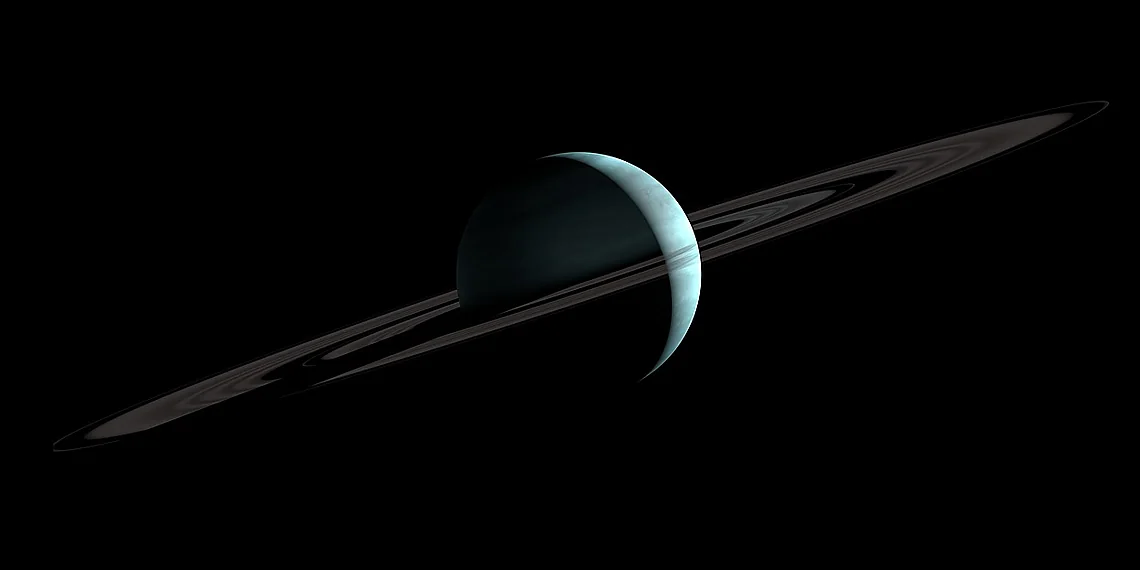
The exoplanet TRAPPIST-1 d, initially promising as a potentially habitable world, now lacks an Earth-like atmosphere due to intense stellar flares from its red dwarf star. This discovery significantly impacts the search for life beyond our solar system, highlighting the complexities of assessing habitability around different types of stars. The main keyword, TRAPPIST-1 d, represents a key area of ongoing research and offers crucial insights into planetary evolution. Furthermore, understanding the atmospheric conditions on this planet is vital for refining models predicting potential habitability elsewhere. The continued investigation of TRAPPIST-1 d promises to yield valuable data regarding planet formation and atmospheric loss mechanisms. The study of TRAPPIST-1 d underscores the importance of considering stellar activity when evaluating planetary environments.
Disappointing Findings: A Lack of Volatile Compounds
The initial excitement surrounding TRAPPIST-1 d stemmed from its location within the habitable zone of its red dwarf star, TRAPPIST-1. This ‘habitable zone’ – often called the Goldilocks zone – is the region around a star where temperatures could allow for liquid water on a planet’s surface, considered crucial for life as we know it. The planet itself is roughly 1.2 times Earth’s radius and has a mass about seven times greater, suggesting a rocky composition. However, recent observations from the James Webb Space Telescope (JWST) have revealed a significantly different picture. The presence of the keyword TRAPPIST-1 d is central to this research.
The JWST’s Near-Infrared Spectrograph (NIRSpec) was used to analyze the starlight filtering through TRAPPIST-1 d’s atmosphere – or rather, what *should* have been an atmosphere. Instead of detecting the expected abundance of volatile compounds like water vapor, methane, or carbon dioxide, which are indicative of a potentially habitable world, the team found almost nothing. The data strongly suggests that the planet lacks a substantial atmosphere, and if one exists, it’s composed primarily of heavier elements. This absence is particularly surprising given the initial hopes surrounding TRAPPIST-1 d.
This absence of volatiles is particularly surprising given the planet’s size and location. Scientists had hoped for an atmosphere capable of moderating temperatures and shielding the surface from harmful radiation. Without such protection, the surface conditions are likely far harsher than initially predicted – potentially too hot or too cold to support liquid water and, consequently, life. The continued study of TRAPPIST-1 d is essential for addressing these uncertainties.
Red Dwarf Stars and Atmospheric Loss
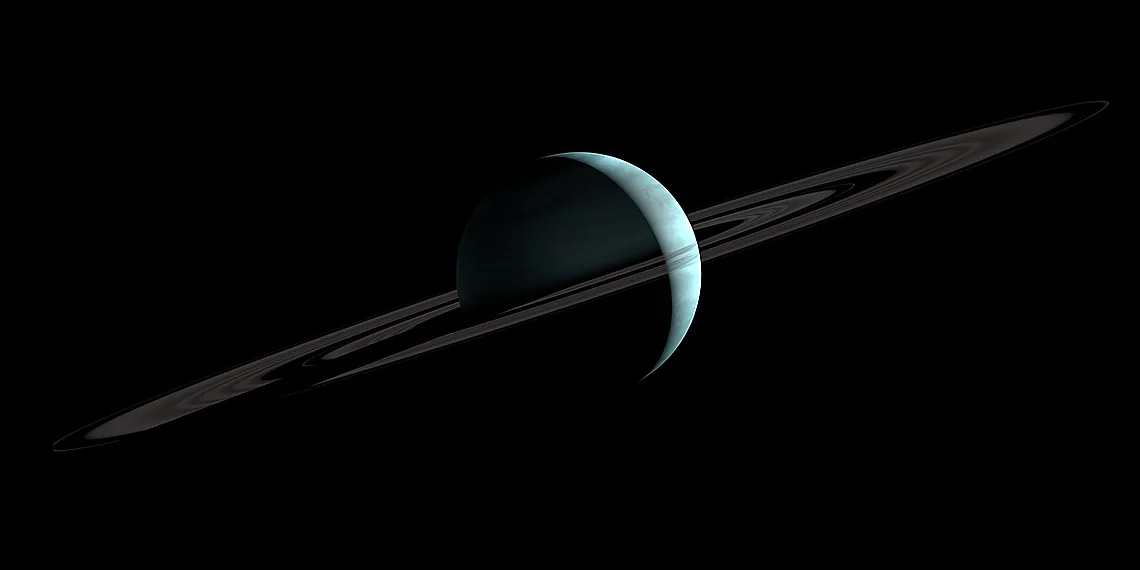
The reasons behind this atmospheric depletion are complex and tied directly to the nature of TRAPPIST-1 itself. The star is a red dwarf – smaller, cooler, and far dimmer than our Sun. Red dwarfs emit significantly less ultraviolet (UV) radiation, which is normally responsible for stripping away planetary atmospheres. However, they also frequently produce powerful flares – sudden bursts of energy that can rapidly erode atmospheric layers. TRAPPIST-1’s flare activity is a significant factor in this process.
TRAPPIST-1 is particularly prone to these flares. These intense outbursts bombard the planet with high-energy particles, effectively vaporizing any atmosphere that might have formed. This process, known as photoevaporation, could explain why TRAPPIST-1 d lacks a substantial atmosphere despite its favorable location in the habitable zone. The planet’s gravity isn’t strong enough to retain an atmosphere under these conditions. The impact of stellar flares is crucial to understanding this phenomenon.
Atmospheric Evolution and Planetary Habitability
Source: Read the original article here.
Discover more tech insights on ByteTrending.
Discover more from ByteTrending
Subscribe to get the latest posts sent to your email.