Nature, Published online: 26 August 2025; doi:10.1038/d41586-025-02699-0
The rise of emotional AI – systems that can detect, interpret and respond to human emotions – is accelerating rapidly. From customer service chatbots to mental health apps, these technologies are already impacting our lives in significant ways. However, alongside the excitement about their potential benefits lies a growing concern: are we truly prepared for the ethical and societal implications of machines that understand—and potentially manipulate—our feelings?
## The Current State of Emotional AI
Current emotional AI systems largely rely on machine learning algorithms trained on vast datasets of facial expressions, voice tones, and even text. These ‘affective computing’ technologies have made remarkable progress in identifying basic emotions like happiness, sadness, anger, and fear with increasing accuracy. Sophisticated models can now analyze subtle cues – micro-expressions, changes in vocal pitch – that humans might miss. This isn’t about robots mimicking human emotion; it’s about recognizing patterns associated with emotional states.
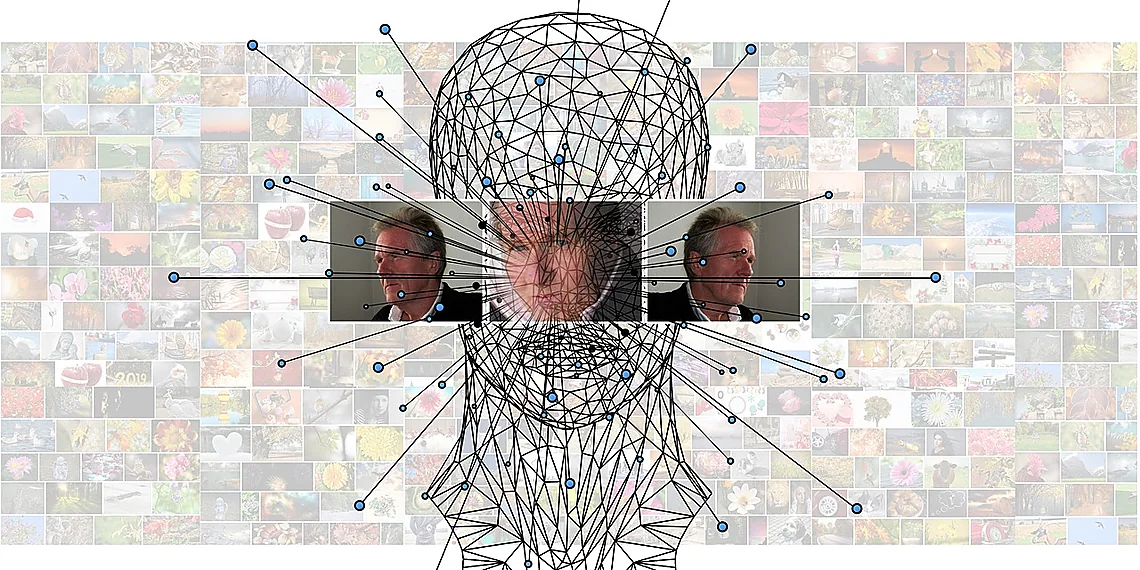
However, the technology is still far from perfect. Bias in training data remains a significant challenge. If datasets predominantly feature expressions of emotions from one demographic group, the AI will likely misinterpret emotions in others. Furthermore, the reliance on quantifiable metrics – like pixel intensity or acoustic features – can lead to oversimplification and potentially inaccurate assessments of complex emotional experiences. The current focus is largely on *detecting* emotion rather than truly *understanding* it.
## Ethical Considerations and Potential Risks
The potential for misuse is a serious concern. Imagine emotionally intelligent advertising that exploits our vulnerabilities, or surveillance systems that use facial recognition to predict and react to our emotional states without our consent. The ability of AI to influence emotions raises profound questions about autonomy, manipulation, and the very nature of human experience.
Moreover, the increasing integration of emotional AI into sensitive areas like healthcare – particularly in mental health support – demands careful scrutiny. While these tools could potentially offer valuable assistance to individuals struggling with emotional difficulties, there’s a risk of over-reliance on automated systems that lack genuine empathy and understanding. The potential for misdiagnosis or inappropriate interventions is real.
## Shaping the Future: Responsible Development
Rather than dismissing emotional AI out of hand, we need to proactively shape its development with ethical considerations at the forefront. This requires a multi-faceted approach including robust regulatory frameworks, diverse and representative training datasets, and ongoing research into explainable AI – systems that can transparently reveal how they arrive at their conclusions about emotions.
Crucially, we must foster public dialogue and engagement to ensure that these technologies are developed in a way that aligns with societal values. We need to move beyond simply asking *if* emotional AI is possible to asking *how* it should be used responsibly. The future of this technology hinges on our ability to approach it with both curiosity and caution.
Source: Read the original article here.
Discover more tech insights on ByteTrending.
Discover more from ByteTrending
Subscribe to get the latest posts sent to your email.