For decades, scientists have sought to more fully understand Earth’s outermost atmosphere, a faint glow known as the geocorona that extends far beyond our planet.
This ethereal halo is notoriously difficult to observe, often obscured by sunlight and atmospheric interference, making detailed study exceptionally challenging.
Now, NASA’s innovative Carruthers Geocorona Observatory, or GLIDE, promises to revolutionize our understanding of this mysterious region.
Following a successful launch aboard the Psyche spacecraft, GLIDE has delivered its ‘first light’ images – stunning visuals confirming its operational readiness and hinting at the extraordinary data it will soon provide us with. These initial observations already reveal intricate details within the geocorona’s structure that were previously hidden from view. The instrument’s unique capabilities allow it to filter out unwanted light, enabling unprecedented clarity in these distant atmospheric layers. GLIDE represents a significant leap forward in our ability to probe the dynamics of Earth’s exosphere and its interaction with the solar wind. Expect exciting discoveries as we delve deeper into this new era of geocorona research.
What is the Geocorona?
Imagine looking up at night and seeing a faint, ethereal halo enveloping our planet – that’s essentially what the geocorona is. It’s a diffuse glow of gas surrounding Earth, extending far beyond the familiar layers of our atmosphere. Unlike the dense air we breathe, this outer region is incredibly sparse, composed primarily of hydrogen and helium atoms. What makes it visible isn’t reflected light, but rather sunlight interacting with these gases – exciting them and causing them to emit a faint ultraviolet glow. It’s like an invisible aura that stretches hundreds of thousands of kilometers into space.
To understand the geocorona, it’s helpful to think about Earth’s outer atmosphere. Beyond the exosphere, which is already quite thin, lies this vast region where particles are loosely bound to our planet due to Earth’s gravity and solar radiation pressure. These particles originate from various sources: escaping water vapor from Earth’s surface, solar wind interacting with our magnetic field, and even material ejected by the Sun itself. The geocorona isn’t a static feature; it fluctuates in intensity and shape depending on solar activity.
Why is studying this faint glow so important? The geocorona holds valuable clues about how Earth loses atmospheric gases to space – a process crucial for understanding planetary evolution, particularly for planets like Mars that have lost much of their original atmosphere. By analyzing the composition and behavior of the geocorona, scientists can gain insights into the complex interactions between our planet, the Sun, and the broader solar system environment. NASA’s Carruthers Geocorona Observatory (GLIDE) is specifically designed to observe this phenomenon in unprecedented detail.
The recent “first light” images captured by GLIDE are incredibly promising. They confirm that the observatory is functioning correctly and offer a tantalizing glimpse of what’s to come – detailed observations that will allow researchers to map the geocorona’s structure, measure its composition with greater precision, and ultimately, deepen our understanding of this fascinating and often overlooked aspect of Earth’s environment.
Defining Earth’s Outer Atmosphere
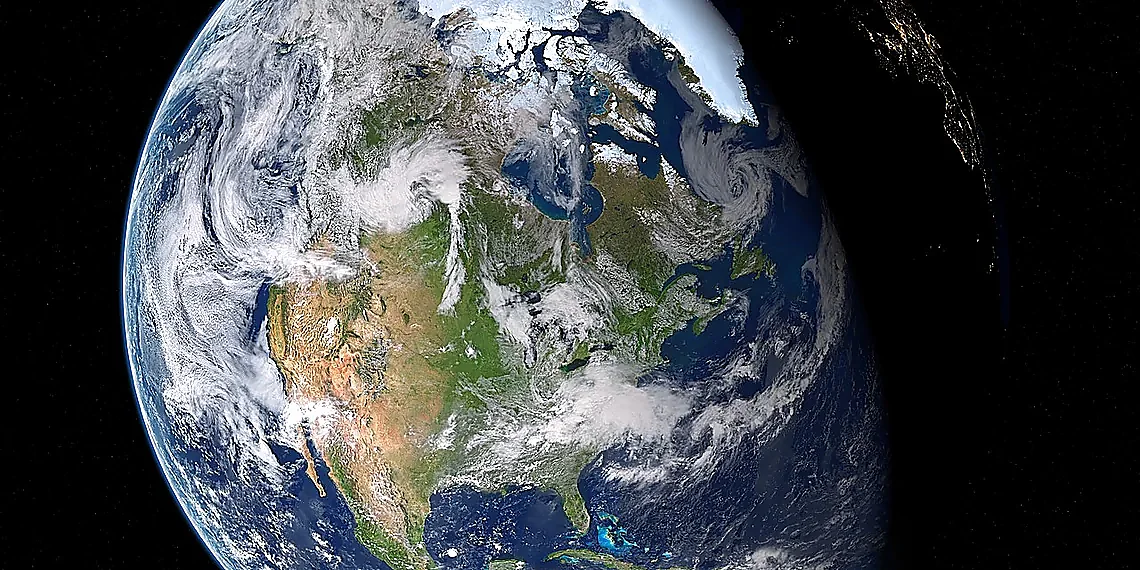
Earth isn’t just defined by its solid surface or even its traditional atmosphere; it also possesses a vast, diffuse outer layer known as the geocorona. This ethereal glow of gas extends far beyond the exosphere, reaching hundreds of thousands of kilometers into space – significantly further than satellites typically orbit. It’s incredibly faint and difficult to observe from ground-based telescopes due to atmospheric interference, making observations from space crucial for detailed study.
The geocorona is primarily composed of hydrogen and helium atoms, originating from solar wind interactions, outgassing from Earth’s surface, and potentially even interplanetary sources. These gases are not held tightly by Earth’s gravity and are constantly escaping into space. What makes the geocorona visible is sunlight; it illuminates these sparse gas particles, causing them to fluoresce and creating a faint halo effect around our planet.
Understanding the geocorona provides valuable insights into the complex interactions between Earth, the solar wind, and the wider heliosphere. Studying its dynamics helps scientists better understand how gases escape from planetary atmospheres, contributing to knowledge about the evolution of planets both within and beyond our solar system.
The Carruthers Geocorona Observatory (GLIDE): A New Perspective
The Carruthers Geocorona Observatory (GLIDE), a groundbreaking instrument aboard NASA’s newest heliophysics mission, is poised to revolutionize our understanding of Earth’s outermost atmosphere – the geocorona. Unlike traditional observations focused on distant celestial objects, GLIDE is designed specifically to study what lies just beyond our planet, providing an unprecedented view of the faint glow surrounding Earth and its interaction with the Sun. The observatory’s name honors Dr. Frederick Carruthers, a pioneer in ultraviolet astronomy, reflecting the mission’s dedication to furthering his legacy.
GLIDE’s unique capabilities stem from its sophisticated instrumentation: two high-resolution spectrographs optimized for observing the geocorona in far-ultraviolet (FUV) light. This specific wavelength range is invisible to human eyes and largely obscured by Earth’s atmosphere, making ground-based observations extremely challenging. By operating in space, GLIDE can directly capture this faint UV emission, allowing scientists to analyze its composition, density, and dynamics with remarkable detail. These spectrographs don’t just capture images; they break down the light into its constituent wavelengths, revealing crucial information about the gases that make up the geocorona.
The significance of GLIDE’s design lies in its ability to study a region previously shrouded in mystery. The geocorona is much more than just a visual halo; it’s a dynamic zone where Earth’s atmosphere interacts with the solar wind – a constant stream of charged particles emanating from the Sun. Understanding this interaction is vital for predicting space weather events that can disrupt satellites, communications systems, and even power grids here on Earth. GLIDE’s observations will help us refine our models of these processes and improve our ability to forecast potential disruptions.
The recent “first light” images captured by GLIDE, despite being taken before the official start of its science phase, serve as a powerful validation of the observatory’s design and functionality. They offer a tantalizing glimpse into the wealth of data that awaits – detailed maps of the geocorona’s structure, insights into its temporal variations, and ultimately, a deeper comprehension of Earth’s place within the broader solar system.
Mission Objectives & Technology

The Carruthers Geocorona Observatory (GLIDE) mission’s primary objective is to comprehensively study the geocorona – the faint outer atmosphere of Earth extending far beyond the visible horizon. Scientists aim to understand its complex dynamics, intricate structure, and how it interacts with the continuous stream of charged particles from the Sun known as the solar wind. Crucially, GLIDE will also investigate how these processes change over time, providing valuable data for improving our understanding of space weather phenomena that can impact satellites and terrestrial technology.
GLIDE achieves its scientific goals through a suite of specialized spectrographs – instruments that split light into its component wavelengths. These spectrographs are uniquely designed to capture ultraviolet (UV) light emitted from the geocorona, a form of radiation invisible to human eyes. By analyzing the specific wavelengths present in this UV light, scientists can determine the composition and temperature of the geocorona’s gases, as well as map its density and motion. The ability to observe in UV is paramount because many key processes within the geocorona are most readily revealed through ultraviolet emissions.
Previous observations of the geocorona have been limited by ground-based atmospheric interference or short observation times from sounding rockets. GLIDE’s space-based platform eliminates these limitations, allowing for continuous and detailed measurements over extended periods. This represents a significant advancement in our ability to study this elusive region of Earth’s atmosphere and its connection to the broader heliosphere – the vast region of space dominated by the Sun’s influence.
‘First Light’ Images: A Promising Start
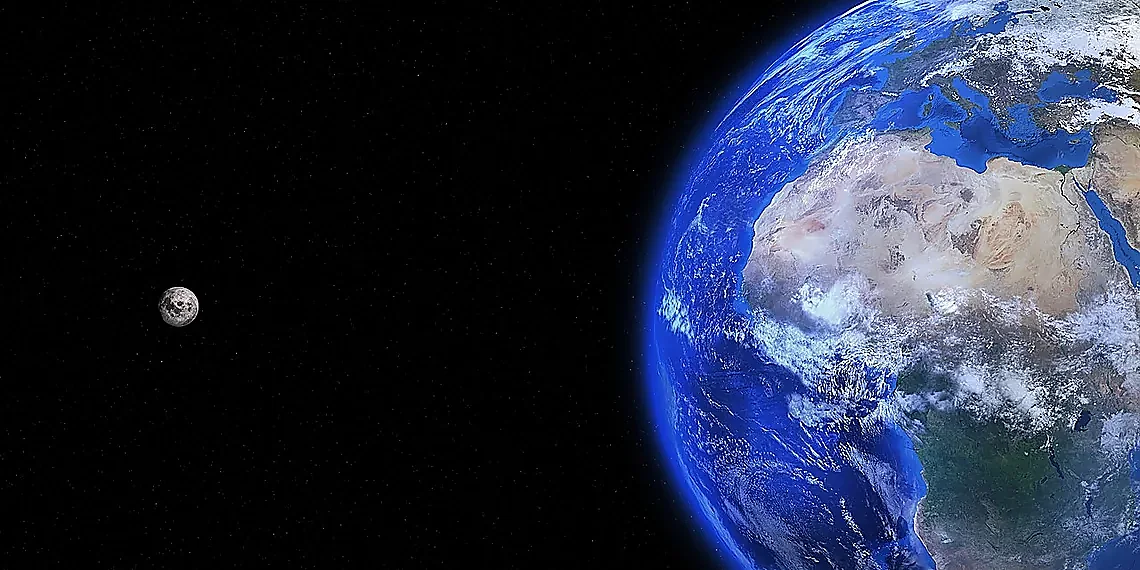
The ‘first light’ images from NASA’s Carruthers Geocorona Observatory (GLIDE) have arrived, and they paint a remarkably promising picture of what’s to come. Captured on November 17th, months before the mission officially enters its science phase, these initial views showcase Earth and our Moon bathed in ultraviolet light – a perspective rarely witnessed with such clarity. Beyond simply being visually stunning, these images serve as crucial validation for the observatory’s health and performance, confirming that all systems are operating nominally and providing an early indication of the instrument’s sensitivity and resolution.
The significance of ‘first light’ extends beyond simple functionality checks. The captured ultraviolet emissions reveal details about Earth’s geocorona – a faint halo of gas surrounding our planet – and its interaction with solar radiation. Preliminary analysis hints at the observatory’s ability to discern subtle variations in these emissions, potentially offering valuable insights into atmospheric processes and the dynamics of the space environment. Observing the Moon in UV light also provides an opportunity to study its surface composition and how it interacts with sunlight, a comparison that will be vital for future observations focused on the Sun’s influence on Earth.
While still preliminary, these initial images offer tantalizing clues about the groundbreaking science GLIDE is poised to unlock. The clarity of the imagery suggests that the observatory’s sophisticated optics are performing exceptionally well, exceeding early expectations. Scientists anticipate that once fully operational, the Geocorona Observatory will provide unprecedented views of the Sun’s extended corona and its interaction with planetary environments – a critical component in understanding space weather and protecting our technological infrastructure.
Initial Observations & Validation
The Carruthers Geocorona Observatory (GLIDE), NASA’s newest heliophysics mission, has successfully captured its first “first light” images on November 17th, showcasing Earth and the Moon in ultraviolet (UV) light. These initial observations are a critical milestone for any space-based observatory, serving as a preliminary check of functionality before formal science operations begin. The images reveal a striking view of our planet’s geocorona – the faint glow of escaping gases surrounding Earth – alongside the lunar surface also illuminated by UV wavelengths.
The captured imagery serves as immediate validation that GLIDE’s optical system is functioning correctly and aligned precisely. Scientists meticulously analyzed these initial views to confirm that the telescope is collecting light as expected, with minimal distortion or aberrations. The clarity of both the Earth’s geocorona and the Moon’s surface demonstrate the observatory’s ability to resolve fine details in UV light – a capability crucial for GLIDE’s primary mission of studying the Sun’s interaction with the solar system.
Preliminary analysis of the first light images has already revealed some intriguing features. While further investigation is needed, scientists noted subtle variations within Earth’s geocorona that could be linked to atmospheric processes and solar activity. The Moon’s UV albedo (reflectivity) also presents an opportunity for comparative planetary studies. These early observations provide a glimpse into the wealth of data GLIDE will collect during its full science phase, promising significant advancements in our understanding of Earth’s outer atmosphere and the broader heliosphere.
Looking Ahead: Future Discoveries
The Carruthers Geocorona Observatory (GLIDE), even in these preliminary ‘first light’ images, offers a tantalizing glimpse into what future discoveries await. Beyond simply confirming the observatory’s operational health, these initial captures suggest GLIDE will revolutionize our understanding of Earth’s outermost atmosphere – the geocorona itself. We can anticipate detailed investigations into the processes fueling the geocorona’s hydrogen emissions, allowing scientists to refine models and potentially uncover unexpected dynamics impacting atmospheric escape.
Perhaps one of the most significant breakthroughs GLIDE could enable is a more precise quantification of the geocorona’s role in shielding Earth from harmful solar radiation. Current models rely on limited data; GLIDE’s ability to observe ultraviolet light across a wide field of view will provide unprecedented insights into how this faint halo interacts with the solar wind, potentially revealing previously unknown mechanisms of protection or vulnerabilities that could influence our planet’s climate and habitability.
Looking beyond Earth, GLIDE’s observations can also contribute significantly to planetary science. By studying the geocorona’s characteristics – its composition, density, and spatial distribution – we can develop comparative models for other planets with tenuous atmospheres like Mars or even icy moons. Understanding how these outer atmospheric layers form and evolve around different celestial bodies will provide invaluable context in our search for life beyond Earth.
Ultimately, GLIDE promises to bridge the gap between near-Earth space weather observations and fundamental heliophysics research. The data it gathers could help us better predict solar events and their impact on our technological infrastructure, while simultaneously deepening our understanding of the broader processes that shape planetary atmospheres throughout the Solar System – ushering in a new era of discovery for both Earth science and space exploration.
Unlocking Geocorona Secrets
The Carruthers Geocorona Observatory (GLIDE) holds immense promise for unlocking secrets surrounding Earth’s geocorona – the faint halo of hydrogen gas that extends thousands of kilometers into space. A primary research focus will be determining the origin of this hydrogen. Is it primarily released from water molecules in Earth’s atmosphere, sputtered off by solar wind impacting atmospheric gases, or a combination of processes? GLIDE’s high-resolution ultraviolet imaging capabilities will allow scientists to map the distribution and density of the geocorona with unprecedented detail, enabling them to trace its sources more accurately and refine existing models.
Beyond understanding its origin, GLIDE’s observations will be crucial in assessing the geocorona’s role as a shield against harmful solar radiation. The hydrogen within the geocorona interacts with the constant stream of charged particles emitted by the Sun, potentially deflecting some of this energy away from Earth’s atmosphere and surface. By studying how the geocorona responds to different solar events – coronal mass ejections, solar flares – GLIDE can help quantify its protective capabilities and improve space weather forecasting models, ultimately safeguarding satellites and astronauts.
The research extends beyond just understanding our own planet’s atmospheric interactions. Comparative studies of Earth’s geocorona with similar structures observed around other planets—like Venus or Mars—can offer valuable insights into the broader processes shaping planetary atmospheres across the solar system. Analyzing these differences can reveal fundamental principles governing atmospheric escape and evolution, informing our search for potentially habitable environments elsewhere in the universe and deepening our understanding of heliophysics as a whole.
The initial ‘first light’ images from GLIDE are nothing short of breathtaking, offering an unprecedented glimpse into Earth’s faint outer atmosphere – a region previously shrouded in mystery and difficult to observe. These early results already demonstrate the potential for groundbreaking discoveries about how solar wind interacts with our planet’s magnetic field and extends far beyond its visible horizon. The data collected by the Geocorona Observatory promises to refine existing models of the geocorona’s composition, density, and dynamics, pushing the boundaries of our understanding of this vital planetary boundary. With continued observations, GLIDE will undoubtedly reveal new complexities within the extended magnetosphere and contribute significantly to a more complete picture of Earth’s place in the solar system. This mission represents a pivotal moment in heliophysics, opening up entirely new avenues for research and inspiring future generations of space scientists. To stay abreast of these exciting developments and delve deeper into the fascinating world of heliophysics, we strongly encourage you to follow NASA’s official updates on the Geocorona Observatory mission – there’s so much more to come! Learn more about this incredible endeavor and explore related research through NASA’s website today.
The implications extend far beyond just beautiful imagery; the insights gained from GLIDE will help us better understand how Earth’s environment is connected to the broader solar system and even galactic influences. We’re only at the beginning of this journey, poised to unlock secrets about energetic particle transport, atmospheric escape, and the subtle ways our planet interacts with its surroundings. The Geocorona Observatory provides a unique perspective, allowing scientists to study these processes in unparalleled detail.
Continue reading on ByteTrending:
Discover more tech insights on ByteTrending ByteTrending.
Discover more from ByteTrending
Subscribe to get the latest posts sent to your email.