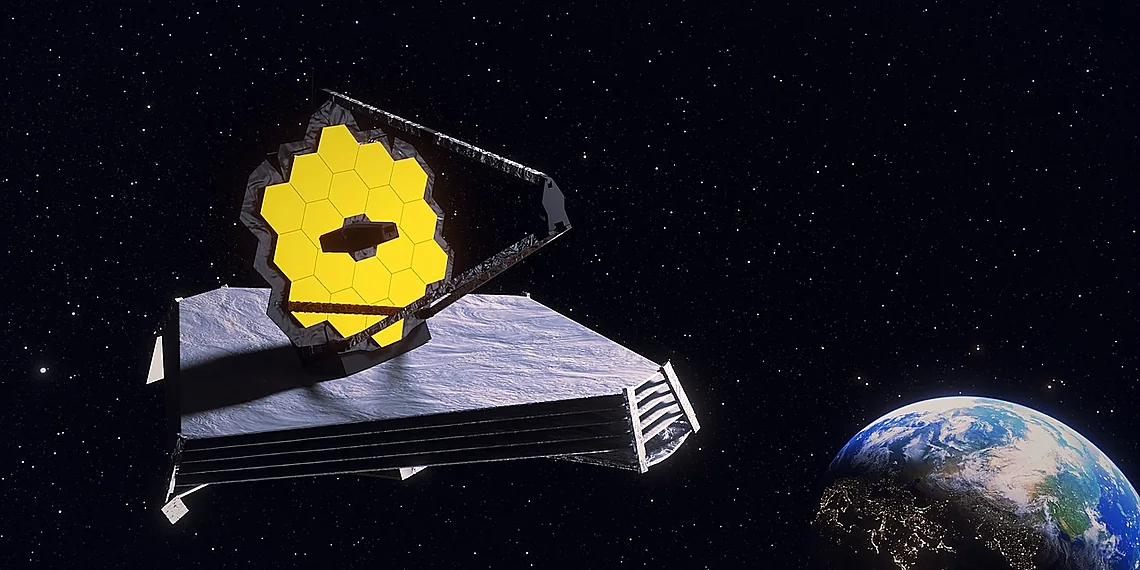
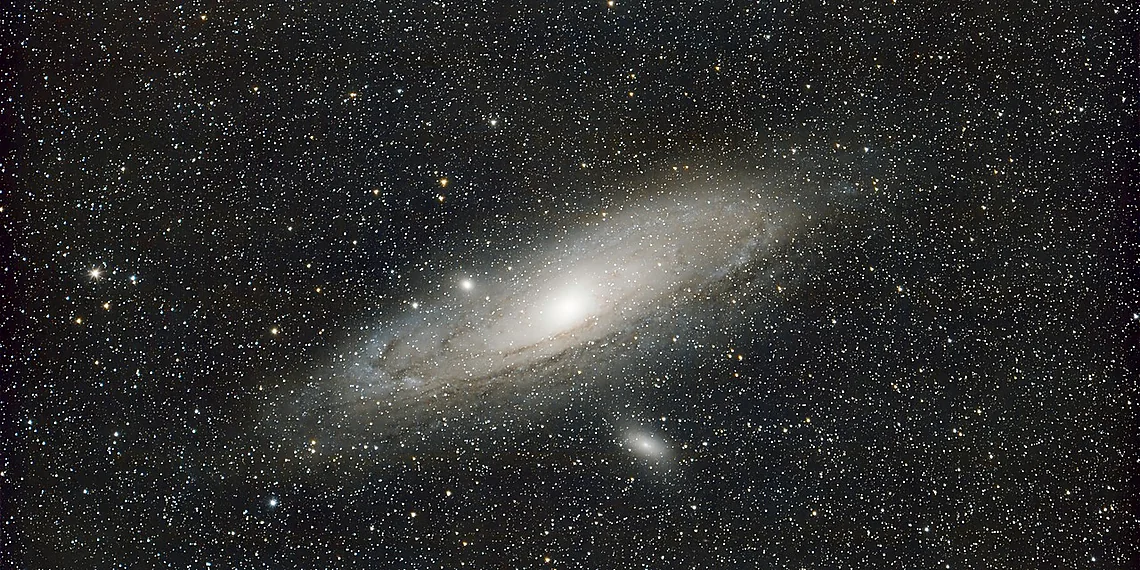
Imagine holding a map so detailed it reveals every star, galaxy, and dark matter structure within our own Milky Way – that’s the audacious goal driving one of astronomy’s most exciting endeavors. We are on the cusp of an era where such a map becomes reality thanks to the upcoming Roman Space Telescope. This next-generation observatory, built by NASA and its partners, isn’t just another space telescope; it represents a paradigm shift in how we understand our galactic neighborhood. Its wide-field view and unprecedented infrared sensitivity will allow us to peer through cosmic dust clouds and observe faint objects previously hidden from sight.
The Roman Space Telescope utilizes a coronagraph, a specialized instrument that blocks out the intense light of stars, enabling incredibly precise measurements of exoplanets and distant galaxies. But its primary mission involves creating a comprehensive 3D map of the Milky Way’s structure, charting billions of stars with remarkable accuracy to understand how our galaxy formed and evolved over billions of years. This isn’t just about cataloging objects; it’s about revealing the underlying gravitational scaffolding that shapes the entire Milky Way.
What makes this survey truly revolutionary is its scale – we’re talking about mapping a significant portion of the sky, far exceeding anything attempted before. The resulting data will provide astronomers with an unparalleled dataset to test fundamental theories of cosmology and dark matter distribution, potentially unlocking some of the universe’s deepest secrets.
The Roman Space Telescope: A New Era in Astronomy
The Nancy Grace Roman Space Telescope, affectionately known as the Roman Space Telescope, represents a monumental leap forward in astronomical observation. Unlike its iconic predecessor, Hubble, which excels at detailed views of smaller areas, Roman is designed for expansive surveys. Its innovative design incorporates a massive 2.4-meter primary mirror – significantly larger than Hubble’s – allowing it to gather far more light and cover a much wider field of view. This wide-field capability is crucial for the ambitious mission ahead: mapping our entire Milky Way galaxy.
A key feature distinguishing Roman from previous telescopes is its infrared sensitivity. While visible light tells us a lot, vast portions of the Milky Way are obscured by dust clouds that block our view. Infrared light penetrates this cosmic haze, allowing Roman to peer through these obstacles and reveal previously hidden stars and structures. This combination of size and infrared capabilities unlocks an unprecedented ability to chart the galaxy’s complex architecture—something simply impossible for Hubble or other existing telescopes.
The planned survey is truly staggering in scope. Using Roman’s wide-field view, scientists anticipate cataloging tens of billions of stars – a number dwarfing the known star count within our galaxy derived from previous observations. This isn’t a continuous observation; rather, it involves roughly one month of observing time spread over two years. This data will not only provide an unparalleled inventory of the Milky Way’s stellar population but also reveal previously uncharted structures and features, fundamentally reshaping our understanding of its formation and evolution.
The Roman Space Telescope isn’t just about collecting light; it’s about transforming how we understand our place in the universe. The data generated by this ambitious survey will be a treasure trove for astronomers across various fields, from astrophysics to cosmology. By meticulously mapping the Milky Way’s structure and stellar populations, Roman promises to unlock countless new mysteries and usher in a new era of galactic exploration.
Beyond Hubble: What Makes Roman Special?
The Nancy Grace Roman Space Telescope, often simply called the Roman Space Telescope, represents a significant leap forward in astronomical observation compared to its predecessors like the Hubble Space Telescope. While Hubble boasts unparalleled resolution for detailed images of relatively small areas of space, Roman is designed for wide-field surveys – essentially seeing a much larger swath of the sky at once. This difference stems from its distinct design: Roman utilizes a 2.4-meter primary mirror, significantly larger than Hubble’s 2.1-meter mirror, but employs a specialized ‘folded optics’ system to project that large image onto a smaller detector, enabling a wide field of view roughly 100 times greater than Hubble’s.
Crucially, Roman is also optimized for infrared observations. While Hubble can observe in the infrared spectrum, Roman’s instruments are specifically designed and sensitive enough to penetrate dust clouds that obscure visible light. This infrared capability is vital for mapping our Milky Way galaxy because vast amounts of star formation and galactic structure are hidden behind these cosmic dust lanes. By observing in infrared, Roman can peer through this veil, revealing previously unseen regions and populations of stars.
The combination of a large aperture enabling a wide field of view and advanced infrared sensitivity makes the Roman Space Telescope uniquely suited to its ambitious Milky Way mapping mission. The telescope’s ability to rapidly scan vast areas of the sky allows it to collect data on tens of billions of stars, building an unprecedented three-dimensional map of our galaxy’s structure and revealing details about its evolution – a feat simply impossible for telescopes with narrower fields of view.
Unveiling the Milky Way’s Hidden Structures
The Nancy Grace Roman Space Telescope isn’t just looking outward to distant galaxies; a significant portion of its mission is dedicated to meticulously mapping our own Milky Way galaxy. The upcoming Galactic Mapping Survey represents an incredibly ambitious undertaking, promising to reveal details previously hidden from view. Scientists hope this survey will fundamentally reshape our understanding of the Milky Way’s architecture and evolution by cataloging tens of billions of stars – a feat that dwarfs previous attempts and provides an unprecedented statistical sample for analysis.
One of the most exciting aspects of this survey is its potential to uncover ‘uncharted structures.’ These include stellar streams, faint trails of stars torn from smaller galaxies as they’ve been gravitationally consumed by our own. Identifying these streams allows astronomers to reconstruct the Milky Way’s accretion history – essentially piecing together a timeline of how it grew over billions of years through galactic cannibalism. By tracing these streams back to their origins, we can learn about the types of galaxies that have contributed to our own’s formation.
Beyond stellar streams, the Roman Space Telescope will also provide crucial data for mapping the distribution of dark matter within the Milky Way. While invisible and undetectable directly, dark matter’s gravitational influence shapes the motion of stars and galaxies. By precisely measuring the movements of billions of stars across the galaxy, scientists can infer the underlying distribution of this mysterious substance, refining our models of galactic dynamics and providing valuable tests for theories of cosmology.
Ultimately, the Galactic Mapping Survey aims to paint a far more complete picture of how the Milky Way formed and evolved. It’s not just about identifying individual stars; it’s about understanding their collective behavior and distribution within the context of larger structures. This data will help us refine our models of star formation, galactic mergers, and the overall evolution of galaxies – offering profound insights into our place within the vast cosmic landscape.
Mapping Billions of Stars: What We’ll Learn
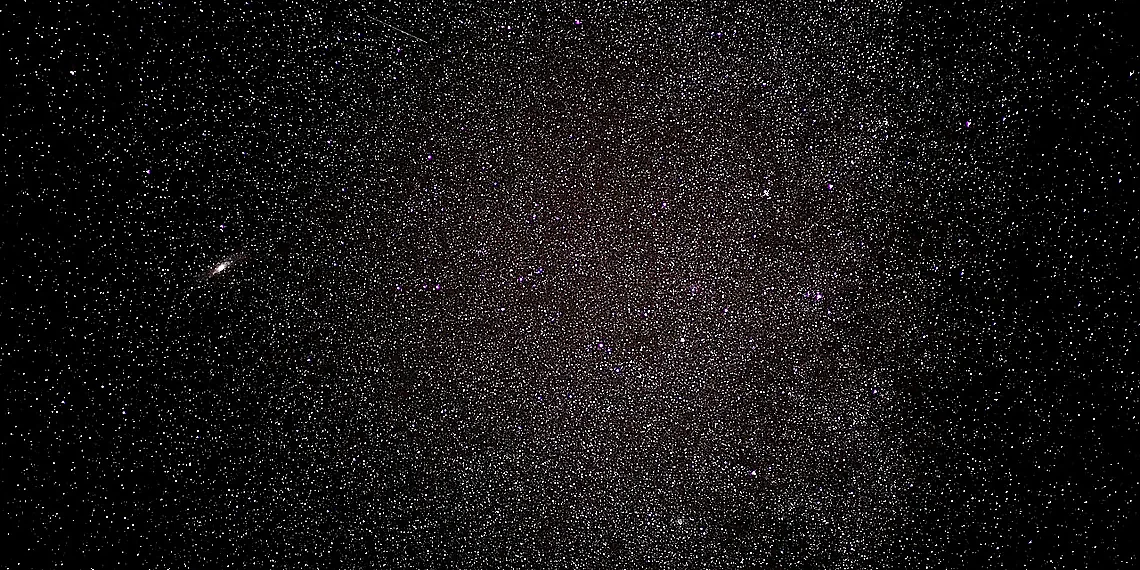
The Roman Space Telescope’s ambitious Galactic Mapping Survey aims to chart the positions and movements of approximately 20 billion stars within our Milky Way galaxy. This unprecedented dataset will allow astronomers to construct a three-dimensional map with far greater detail than ever before possible, revealing subtle structures and features previously obscured by dust and limitations in observational capabilities. By precisely measuring distances using parallax – the apparent shift in a star’s position due to Earth’s orbit – scientists can build a highly accurate picture of our galactic neighborhood.
A key focus of this mapping effort will be identifying stellar streams, which are elongated groups of stars torn from smaller galaxies that have been gravitationally disrupted by the Milky Way. These streams act as ‘fossil records,’ providing crucial insights into the history of galaxy mergers and accretion events that shaped our own galaxy’s evolution. Analyzing the chemical composition of stars within these streams can also reveal information about the properties of those smaller, now-disintegrated galaxies.
Beyond stellar streams, the Roman Space Telescope’s data will help map the distribution of dark matter within the Milky Way. The gravitational influence of this invisible material subtly affects the motions of visible stars and gas clouds. By carefully analyzing these movements across billions of stars, scientists can infer the underlying dark matter density profile, furthering our understanding of galactic structure and the fundamental nature of dark matter itself. This detailed mapping will contribute significantly to models of galactic formation and evolution, allowing for more accurate simulations of how galaxies like ours come to be.
The Survey’s Timeline & Technical Challenges
The Roman Space Telescope’s Milky Way Mapping Survey isn’t a continuous observation; instead, it’s designed as a series of concentrated bursts spread across two years. This seemingly counterintuitive approach – just one month of observing time distributed over 24 months – is crucial for maximizing efficiency and minimizing potential errors inherent in such a vast undertaking. The team plans to dedicate roughly 30 days total observation time, divided into segments, with significant periods between each segment dedicated to calibration, maintenance, and data processing. This allows for continual assessment of instrument health, corrects for any accumulated drift, and ensures the highest possible data quality across the entire survey duration.
The sheer volume of data generated by this endeavor presents a formidable technical challenge. While only one month of observing time is directly spent collecting images, the resulting dataset will be colossal – estimated to require hundreds of petabytes of storage. Processing such an enormous quantity of information demands significant computational resources and advanced algorithms capable of identifying and characterizing tens of billions of stars while also filtering out noise and artifacts. NASA is actively developing these processing pipelines now, leveraging high-performance computing facilities and innovative machine learning techniques to handle the data deluge.
Maintaining a stable platform for two years in space is another critical hurdle. The Roman Space Telescope needs to remain exceptionally steady to achieve the required precision for detailed mapping of the Milky Way’s structure. This necessitates constant monitoring and correction of its orbital position and attitude, accounting for gravitational influences from other celestial bodies and subtle variations in solar radiation pressure. Any significant deviation could introduce distortions into the data, compromising the accuracy of the final map. The engineering teams are implementing robust redundancy systems and proactive maintenance protocols to mitigate these risks and ensure the telescope’s longevity throughout the survey.
Beyond technical reliability, unforeseen events – from micrometeoroid impacts to unexpected instrument behavior – pose potential threats to the survey’s success. While rigorous testing and simulations help prepare for such contingencies, adaptability is key. The team has built in flexibility within the observation schedule, allowing for adjustments if necessary, and maintains contingency plans to address potential issues as they arise. This long-term commitment requires a proactive approach, constantly monitoring system performance and refining strategies to overcome any challenges that may emerge during this groundbreaking exploration of our galaxy.
Two Years to Map a Galaxy: The Plan
The Roman Space Telescope’s Milky Way Mapping Survey is designed to achieve remarkable coverage with an unexpectedly brief concentrated observing period. The core of the survey involves just one month of continuous observations, spread across two years. This seemingly counterintuitive approach isn’t a limitation; it’s a strategic optimization. By spreading the data acquisition over time, the telescope avoids accumulating systematic errors that might arise from consistent instrument behavior or environmental factors affecting a single concentrated observation run. Think of it like taking multiple snapshots of the same scene at different times – any momentary blips in image quality are averaged out.
The rationale behind this two-year spread also addresses the immense volume of data generated. The survey aims to map tens of billions of stars, creating an unprecedented dataset. While only one month is dedicated to active observation, the intervening years allow for crucial calibration and validation processes. This extended timeframe allows scientists to refine observing strategies, correct for any instrumental drift, and ensure the accuracy and reliability of the final galactic map. Furthermore, it provides opportunities to address unforeseen technical challenges that may arise during the survey’s duration.
The sheer scale of data produced by this survey presents significant logistical hurdles. The one-month observation period is expected to generate petabytes of raw data, which will require substantial storage and processing capabilities. NASA is developing specialized algorithms and infrastructure to handle this deluge, including advanced machine learning techniques for automated star identification and cataloging. Maintaining the telescope’s operational health and precise pointing accuracy over two years also necessitates robust monitoring systems and proactive maintenance schedules.
Beyond Mapping: Future Implications
While the immediate result of the Roman Space Telescope’s Milky Way mapping survey—a breathtakingly detailed portrait of our galaxy—is undeniably significant, its true impact will resonate far beyond simply creating a stunning visual representation. The sheer volume and precision of data collected during this ambitious project, encompassing tens of billions of stars across two years of observation, represents an unparalleled resource for the astronomical community. This dataset isn’t just about cataloging objects; it’s about establishing a foundation for groundbreaking research in numerous fields.
One particularly exciting avenue for exploration lies in understanding dark matter. By meticulously charting the motions of stars within the Milky Way, scientists can infer the distribution of unseen dark matter influencing those movements. The Roman Space Telescope’s data will allow for far more precise mapping than previously possible, potentially revealing subtle variations and structures within the dark matter halo – leading to a better understanding of its nature and how it interacts with visible matter. This could refine our cosmological models and test fundamental physics.
Furthermore, this survey promises to revolutionize exoplanet research. By providing an exceptionally accurate census of stars in our galaxy, the Roman Space Telescope will dramatically improve the efficiency of future exoplanet-hunting missions. Knowing precisely which stars are most likely to host planets, and having detailed information about their properties (age, metallicity), allows for targeted searches that maximize the chances of finding potentially habitable worlds. The data could also help identify previously overlooked stellar systems with planetary companions.
Finally, the Roman Space Telescope’s Milky Way survey will provide invaluable insights into galactic evolution. By observing stars at varying distances and ages, astronomers can reconstruct the history of our galaxy – tracing its mergers with smaller galaxies, the formation of its spiral arms, and the distribution of different stellar populations over time. This detailed picture will not only deepen our understanding of the Milky Way’s past but also provide a crucial benchmark for comparing it to other galaxies throughout the universe.
The journey to fully map our Milky Way galaxy is a monumental undertaking, but the data promised by missions like this one offers an unprecedented opportunity for astronomers worldwide. We’ve explored how the Roman Space Telescope will leverage wide-field imaging and gravitational lensing techniques to reveal hidden stellar structures and dark matter distributions within our galactic home. The sheer volume of information gathered – billions of galaxies observed in incredible detail – represents a paradigm shift in astronomical data acquisition and analysis, poised to unlock secrets about galaxy formation and evolution that have long eluded us. This isn’t just about creating pretty pictures; it’s about fundamentally reshaping our understanding of the universe’s architecture and our place within it. The Roman Space Telescope is designed to be more than a tool; it will become an engine for discovery, driving new theories and inspiring future generations of scientists. As we stand on the cusp of this exciting era in astrophysics, the potential rewards are truly limitless – from refining cosmological models to uncovering unexpected phenomena that challenge our current understanding. The exploration of space continues to push the boundaries of human knowledge, reminding us of the vastness and wonder that lies beyond our planet. To stay informed about these incredible advancements and delve deeper into the Roman Space Telescope’s mission, we encourage you to follow NASA’s official channels and explore their website – there’s a universe of information waiting to be discovered!
Learn more about the Roman Space Telescope and stay updated on its progress by visiting NASA’s website and social media pages; the future of galactic mapping is unfolding before our very eyes.
Continue reading on ByteTrending:
Discover more tech insights on ByteTrending ByteTrending.
Discover more from ByteTrending
Subscribe to get the latest posts sent to your email.