

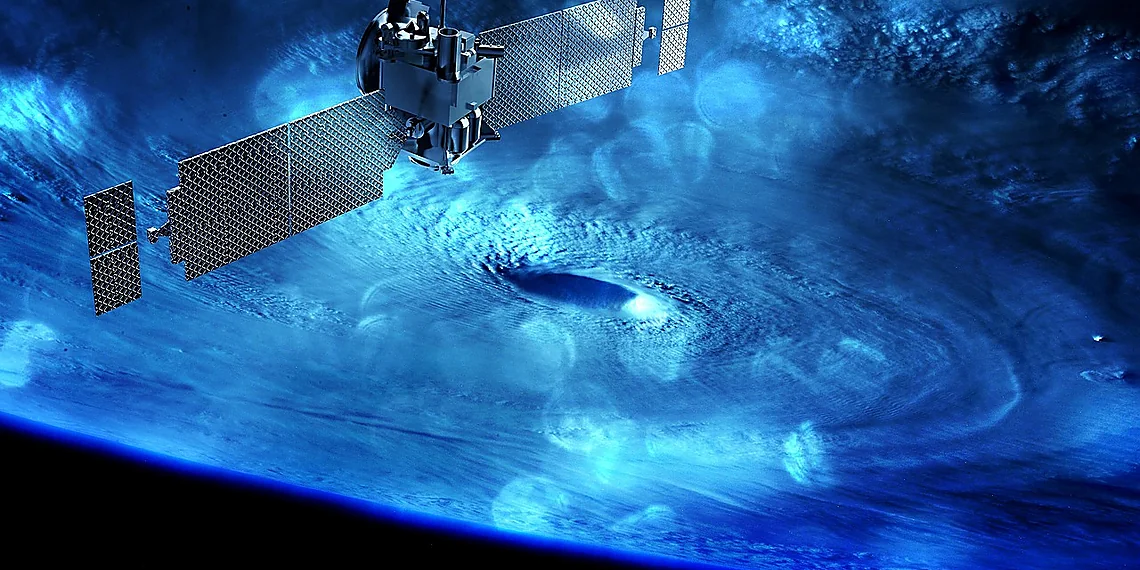
The realm of space exploration is constantly evolving, pushing the boundaries of what’s possible with each new mission and technological advancement. We’re thrilled to introduce a truly revolutionary project poised to reshape our approach to accessing and understanding the vastness beyond Earth: ESA’s Henon mission. This isn’t just another satellite launch; it represents a paradigm shift in how we conduct deep-space research.
Henon holds a unique place in history as the first independent deep space CubeSat, venturing far from Earth without relying on a larger mother ship for propulsion or communication. The implications of this achievement are profound, opening doors to more flexible, cost-effective, and rapidly deployable missions. Imagine constellations of these smaller satellites working together to achieve ambitious scientific goals – that future is now taking shape with Henon’s pioneering journey.
Beyond the sheer novelty of its design, Henon’s mission carries vital scientific objectives. It will be directly contributing to our ability to predict and mitigate the effects of solar storms, a critical concern for protecting our increasingly technology-dependent society. This innovative CubeSat is equipped with specialized instruments designed to gather crucial data about the solar wind and interplanetary environment, offering invaluable insights into space weather phenomena.
The mission’s success promises to unlock new avenues for scientific discovery and inspire a generation of engineers and scientists. Henon’s journey is just the beginning – it paves the way for a future where smaller, more agile spacecraft can routinely explore our solar system and beyond.
What Makes Henon Revolutionary?
The Henon mission represents a monumental shift in deep space exploration, marking the first time a CubeSat will operate entirely autonomously, from trajectory adjustments to direct communication with Earth – all without piggybacking on a larger, traditional spacecraft. Historically, small satellites like CubeSats have been limited to low-Earth orbit or deployed alongside established missions, essentially acting as ‘secondary payloads.’ Henon shatters this paradigm, demonstrating the feasibility of a standalone deep space mission utilizing a compact and relatively inexpensive platform. This independence isn’t just a novelty; it signifies a potential revolution in how we approach scientific exploration.
The technological hurdles overcome to achieve Henon’s independent operation are considerable. Developing propulsion systems suitable for CubeSat size and mass, capable of precise course corrections over vast distances, was a primary challenge. Similarly, miniaturizing high-gain communication antennas – crucial for transmitting data across interplanetary space – required significant engineering innovation. Navigation also demanded a self-contained system, relying on onboard sensors and algorithms to determine position without constant support from ground stations. These advancements aren’t just beneficial for Henon; they pave the way for future deep space missions utilizing similar CubeSat technology.
The implications of this new approach extend beyond scientific discovery. Independent CubeSat missions drastically reduce mission cost and complexity compared to traditional, multi-billion dollar endeavors. While still requiring meticulous planning and execution, the smaller scale allows for greater flexibility in mission design and faster development cycles. This opens up opportunities for increased participation from universities, research institutions, and even commercial entities, potentially democratizing access to deep space exploration and accelerating scientific progress. Henon is essentially a proof-of-concept demonstrating that impactful deep space science can be achieved with significantly lower barriers to entry.
Ultimately, Henon’s mission isn’t just about observing the Sun; it’s about proving a concept – the viability of independent CubeSat missions in deep space. By successfully navigating and communicating across interplanetary distances, while simultaneously providing advanced solar storm warnings, Henon is laying the groundwork for a new era of accessible and innovative space exploration.
The Independence Factor
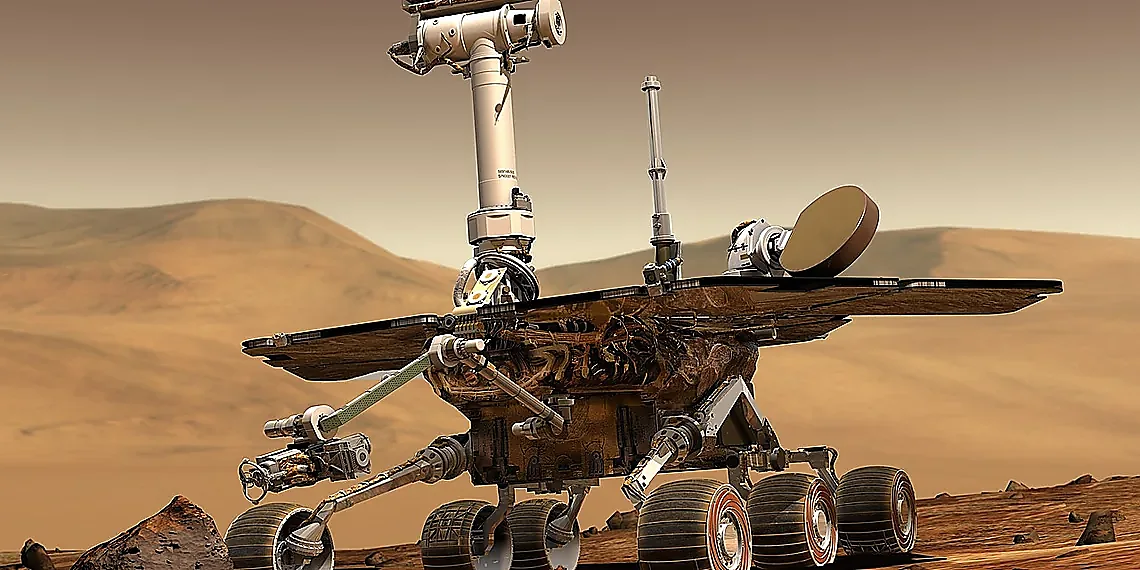
Henon’s revolutionary aspect lies in its complete operational independence from larger spacecraft. Traditionally, small satellites like CubeSats are deployed as secondary payloads, relying on a host vehicle for propulsion, communication, and navigation. Henon breaks this paradigm by incorporating its own miniaturized electric propulsion system – a micro-resistojet – enabling it to adjust its trajectory and reach its intended orbit around the Sun. Similarly, it possesses dedicated radio equipment for direct communication with ground stations, eliminating the need to relay data through another spacecraft’s systems.
This independence significantly reduces mission complexity and cost. Relying on a larger host vehicle necessitates coordination of schedules, power allocation, and potentially even shared resources, adding layers of logistical challenges and expense. By operating autonomously, Henon’s development focused solely on its own needs, streamlining the process and allowing for greater flexibility in mission planning. The reduced mass also contributes to lower launch costs, opening up deep space exploration to a broader range of scientific objectives previously deemed too expensive.
The technological hurdles overcome to achieve this independence are substantial. Miniaturizing propulsion systems while maintaining sufficient thrust and efficiency presented significant engineering challenges. Likewise, developing robust communication systems capable of transmitting data across vast distances with minimal power consumption required innovative antenna design and signal processing techniques. Henon’s success paves the way for a new generation of deep space missions utilizing smaller, more agile CubeSats, potentially revolutionizing how we explore our solar system.
Henon’s Mission Objectives
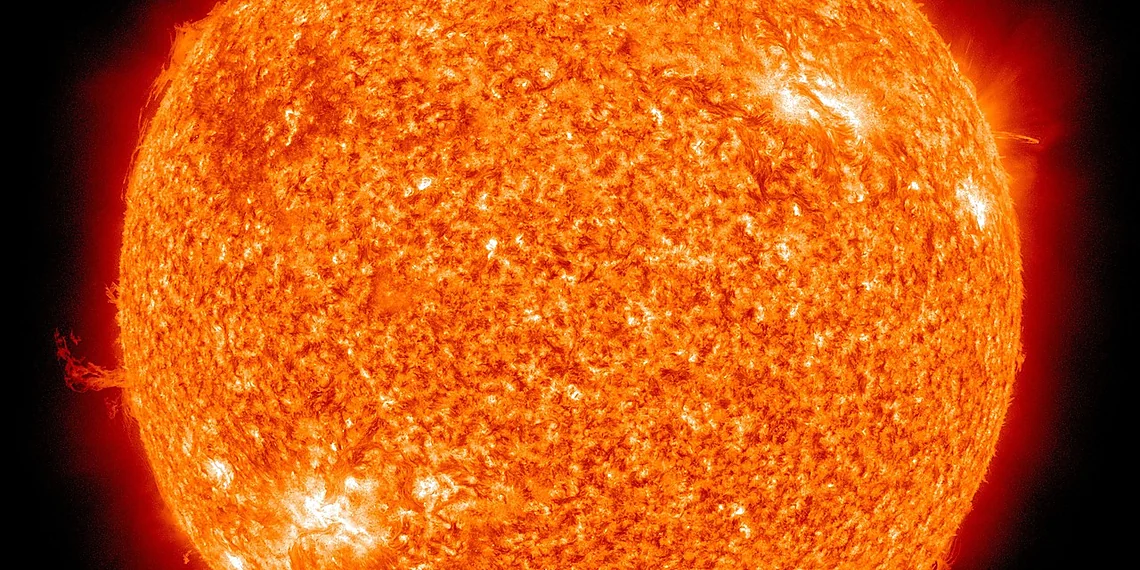
Henon’s primary mission objectives center around a dual role: advancing our ability to predict potentially devastating solar storms and showcasing innovative technologies for future deep space exploration. This CubeSat isn’t just about reaching deep space; it’s about gathering crucial data while doing so. Specifically, Henon will be meticulously observing the Sun’s emissions – looking for telltale signs of impending flares and coronal mass ejections (CMEs). These solar events can wreak havoc on Earth, disrupting satellite communications, damaging power grids, and even posing a risk to astronauts.
The data collected by Henon will feed into improved solar storm early warning systems. Currently, warnings are often limited, providing little time for protective measures. By analyzing the Sun’s magnetic field and plasma activity in real-time, Henon aims to provide hours of advance notice – enough time to potentially safeguard critical infrastructure like satellites orbiting Earth and terrestrial power networks. This proactive approach represents a significant leap forward from reactive damage control.
Beyond its scientific contribution, Henon serves as a vital technology demonstrator. As the first CubeSat to operate autonomously in deep space, it’s testing crucial capabilities such as independent navigation, communication with Earth without relying on larger mother ships, and robust power management systems optimized for the harsh conditions of interplanetary travel. These advancements are critical for enabling future, more complex deep-space missions utilizing smaller, more cost-effective CubeSat platforms.
Ultimately, Henon’s mission represents a pivotal moment in space exploration. It’s not just about sending another satellite into orbit; it’s about pushing the boundaries of what’s possible with CubeSats and laying the groundwork for a future where we can better protect our planet from the Sun’s unpredictable power while simultaneously expanding our reach into the cosmos.
Solar Storm Early Warning System
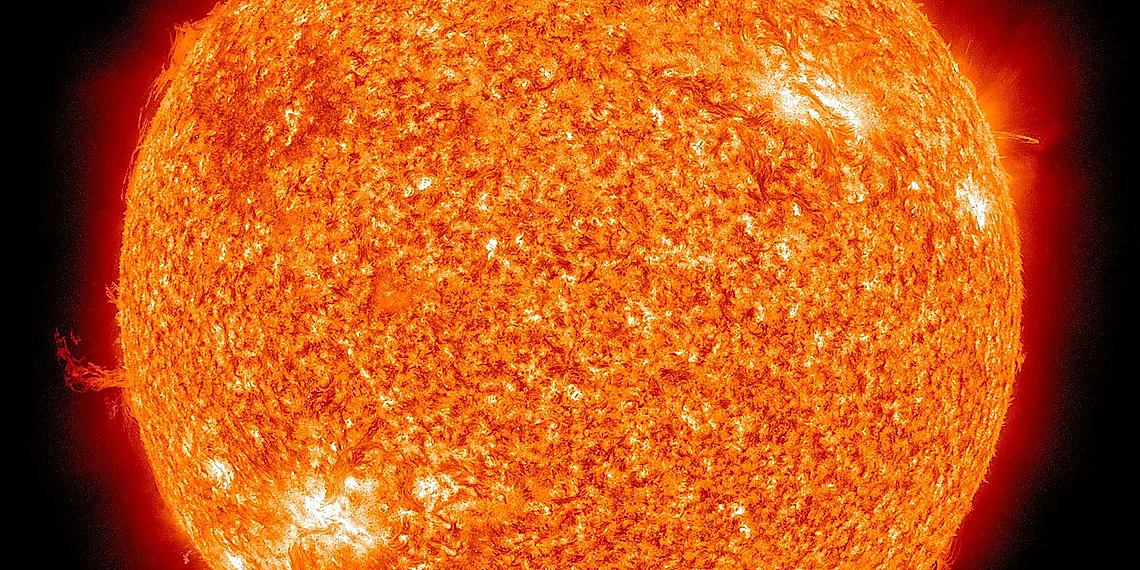
The Henon mission is pioneering a novel approach to solar storm prediction by utilizing its deep space CubeSat design for continuous observation of the Sun’s emissions. Unlike ground-based observatories or those on geostationary satellites, Henon’s distant vantage point allows it to monitor the Sun with minimal obstruction and from a unique perspective. It will focus on detecting precursors to solar flares and coronal mass ejections (CMEs), such as subtle changes in magnetic fields and plasma behavior near sunspots – indicators often missed by closer observations.
Solar flares and CMEs, while spectacular cosmic events, pose a significant threat to Earth’s technological infrastructure. Powerful CMEs can disrupt satellite communications, damage spacecraft electronics, and even induce geomagnetic storms that overload power grids, leading to widespread blackouts. Henon aims to provide hours of advanced warning – potentially 30-60 minutes or more – by detecting these events early on and relaying data back to Earth. This extended lead time is crucial for operators to take preventative measures.
The enhanced forecasting capabilities provided by a mission like Henon will contribute significantly to space weather resilience. Protective actions could include temporarily shutting down vulnerable satellites, adjusting power grid operations, and reinforcing critical infrastructure. Furthermore, the technologies demonstrated by Henon – including its autonomous navigation and deep-space communication – pave the way for future, more sophisticated CubeSat missions dedicated to scientific observation and Earth protection.
Technology Demonstrations
The Henon mission represents a significant leap forward for space exploration, primarily due to its innovative use of CubeSat technology in the unforgiving environment of deep space. Traditionally, CubeSats have been limited to low-Earth orbit missions, often relying on larger spacecraft for propulsion and communication. Henon shatters this paradigm by demonstrating full autonomy – from trajectory correction to data transmission – without any external support. This independence is a direct result of advancements in miniaturization; components previously too large or power-hungry are now being shrunk down, allowing complex systems to be packed into the CubeSat’s small volume.
Crucially, Henon’s success hinges on breakthroughs in autonomous navigation and control. The CubeSat must independently determine its position and velocity relative to the Sun and Earth, adjusting its trajectory accordingly using a miniaturized propulsion system. These advanced algorithms and hardware allow for flexible mission planning and adaptation to unforeseen circumstances – capabilities that dramatically reduce operational costs compared to traditional deep-space missions which often require constant ground intervention. The ability of Henon to autonomously manage these critical functions paves the way for smaller, more agile, and ultimately more affordable deep space probes.
Beyond simply reaching its destination, Henon carries a suite of technology demonstrations focused on solar weather forecasting. The CubeSat will observe the Sun’s emissions, testing sensors and data processing techniques designed to provide advanced warnings of solar storms. These early warning systems are vital for protecting satellites in orbit and terrestrial infrastructure from potentially damaging space weather events. By validating these technologies in the harsh deep-space environment, Henon is directly contributing to increased resilience against solar activity.
Miniaturization and Autonomy
Henon’s mission highlights a significant leap forward in miniaturization for spacecraft technology. Traditionally, deep space missions required large, complex satellites with substantial mass and power requirements. However, advancements in microelectronics, miniature sensors, and compact propulsion systems have enabled the development of CubeSats – standardized small satellites – capable of undertaking increasingly ambitious tasks. Henon itself utilizes highly integrated components, reducing its size to roughly a carry-on suitcase while retaining functionality previously only achievable with much larger platforms.
A key element of Henon’s autonomy is its sophisticated navigation system. Unlike missions reliant on ground control for every maneuver, Henon will operate largely independently using onboard sensors and algorithms. This includes star trackers for orientation, inertial measurement units (IMUs) to track position changes, and a miniaturized propulsion system for course corrections. The ability to make decisions and execute maneuvers without constant communication with Earth significantly reduces mission latency and increases operational flexibility – crucial for deep space environments where signal delays are substantial.
The benefits of these miniaturization and autonomy advancements extend beyond Henon’s specific scientific goals. By drastically reducing the size, weight, and complexity of spacecraft, mission costs plummet. Smaller satellites require less expensive launch vehicles and fewer personnel for operations. Furthermore, increased autonomy allows for greater adaptability to unexpected events and opens up possibilities for constellations of CubeSats working together – a paradigm shift that promises to revolutionize future deep-space exploration and scientific discovery.
The Future of Deep Space Exploration
Henon’s upcoming mission represents a pivotal shift in how we approach deep-space exploration. For decades, venturing beyond Earth orbit has been largely confined to large, complex, and incredibly expensive spacecraft. The ESA’s Henon CubeSat, however, demonstrates the remarkable potential of miniaturization and innovative engineering to democratize access to these challenging environments. Its ability to operate autonomously, navigate, and communicate independently – all while fitting within a carry-on suitcase – fundamentally alters the cost-benefit analysis for future missions. We’re moving beyond needing a flagship mission to justify deep space investigation; now, smaller, focused projects become increasingly viable.
The implications extend far beyond just solar storm prediction, Henon’s primary objective. The success of this mission will pave the way for a new generation of scientific instruments and observation platforms deployed throughout our solar system. Imagine swarms of CubeSats – ‘CubeSat constellations,’ if you will – each dedicated to observing different regions of space simultaneously. A constellation focused on asteroid characterization, another mapping lunar resources, or even a network monitoring Jupiter’s moons for signs of subsurface oceans – the possibilities are truly expansive.
Looking ahead, we can anticipate missions that leverage CubeSats not just for individual observations but for coordinated scientific discovery. Picture several Henon-like CubeSats working together to create 3D models of solar flares or tracking dust particles across interplanetary space with unprecedented accuracy. This collaborative approach, facilitated by the relatively low cost and high adaptability of CubeSats, could unlock entirely new avenues of research currently unattainable with traditional spacecraft designs. The data volume alone would be transformative.
Ultimately, Henon’s success is more than just a technological achievement; it’s a paradigm shift. It signifies a future where deep-space exploration isn’t the exclusive domain of national space agencies and massive budgets but becomes accessible to universities, research institutions, and even private companies. This increased accessibility will undoubtedly accelerate the pace of scientific discovery and expand our understanding of the universe in ways we can only begin to imagine.
CubeSat Swarms & Beyond
The successful deployment and operation of ESA’s Henon mission mark a significant turning point for deep space exploration. Historically, CubeSats have been largely confined to Earth orbit due to limitations in propulsion, communication capabilities, and the reliance on larger mother ships for navigation and support. Henon’s ability to navigate independently and communicate directly with Earth demonstrates that these constraints are increasingly surmountable, opening doors for a new era of small satellite missions beyond Earth.
Looking ahead, Henon’s success paves the way for ‘CubeSat swarms’ – constellations of these miniature spacecraft deployed across various regions of our solar system. Imagine multiple CubeSats strategically positioned to observe Jupiter’s moons in concert, or a network monitoring asteroid composition and trajectory with unprecedented detail. Coordinated observations from such swarms would provide far richer datasets than any single probe could gather, allowing for more comprehensive models and discoveries about the formation and evolution of planetary bodies.
Future missions leveraging this CubeSat technology could include dedicated solar wind monitors deployed at Lagrange points further out in the solar system to capture even earlier warnings of coronal mass ejections. Others might focus on mapping the distribution of water ice on lunar poles or characterizing the volatile content of comets. The relatively low cost and rapid development cycles associated with CubeSats make them an increasingly attractive option for addressing a wide range of scientific questions, ultimately expanding our understanding of the solar system in ways previously unattainable.
Henon represents a pivotal moment in our pursuit of understanding the cosmos, demonstrating that ambitious scientific goals can be achieved with remarkably compact and cost-effective platforms. Its successful deployment and initial operations are already reshaping perceptions of what’s possible beyond Earth orbit, paving the way for more frequent and complex deep space missions. The innovative design and operational strategies employed by Henon promise to unlock unprecedented access to distant celestial bodies, opening entirely new avenues for scientific discovery. This mission is a powerful testament to the ingenuity driving modern space exploration and solidifies the role of small satellites in tackling grand challenges. The future of astronomical research is undeniably intertwined with advancements in miniaturization and automation, as exemplified by this groundbreaking deep space CubeSat. To stay abreast of Henon’s ongoing journey and witness firsthand the remarkable data it transmits from beyond Mars, we encourage you to follow ESA’s dedicated mission updates – a wealth of information awaits those eager to explore the next chapter of this exciting endeavor.
$nbsp; $nbsp;$nbsp;$nbsp;$nbsp;$nbsp;$nbsp;$nbsp;$nbsp;$nbsp;$nbsp;$nbsp;$nbsp;$nbsp;$nbsp;$nbsp;$nbsp;$nbsp;$nbsp;$nbsp;$nbsp;
Continue reading on ByteTrending:
Discover more tech insights on ByteTrending ByteTrending.
Discover more from ByteTrending
Subscribe to get the latest posts sent to your email.