

The cosmos has always beckoned, a silent promise of discovery and innovation that continues to drive humanity’s relentless pursuit beyond Earth. Recent years have witnessed an unprecedented acceleration in space exploration, fueled by technological advancements and renewed ambition. We stand at the precipice of a new era where commercial partnerships are redefining how we reach for the stars. This isn’t just about launching rockets; it’s about establishing a sustainable presence beyond our planet – a future brimming with scientific breakthroughs and potential for humankind.
NASA’s collaboration with SpaceX has been pivotal in this transformation, ushering in an era of more frequent and cost-effective access to the International Space Station (ISS). The dynamic partnership allows NASA to focus on its core mission: pushing the boundaries of science and exploration. One particularly significant chapter in this ongoing story is the incredibly successful SpaceX Crew-12 mission, a testament to both organizations’ dedication and ingenuity. This article will delve into the details of that mission, exploring its objectives, challenges, and lasting impact on our understanding of spaceflight.
From groundbreaking research conducted in microgravity to vital maintenance work performed aboard the ISS, each mission builds upon the last, inching us closer to a future where interplanetary travel becomes commonplace. We’ll examine how SpaceX Crew-12 contributed to this broader narrative and what lessons learned will shape upcoming endeavors.
The success of missions like SpaceX Crew-12 underscores the power of collaboration and innovation in space exploration, paving the way for even more ambitious goals.
The Crew & Their Mission
The SpaceX Crew-12 mission represents a vital continuation of NASA’s Commercial Crew Program, sending a team of highly skilled astronauts to the International Space Station (ISS) for an extended science expedition. This rotational mission is crucial for maintaining the ISS’s operational capabilities and facilitating groundbreaking research in microgravity. Aboard the Falcon 9 rocket and Dragon spacecraft are four individuals from diverse backgrounds, each bringing unique expertise to bear on the challenges and opportunities presented by long-duration spaceflight.
Leading the Crew-12 team as Commander is NASA astronaut Matthew Dominick, a former U.S. Navy test pilot with extensive experience in high-performance aircraft. Joining him as Pilot is Drew Morgan, also a NASA astronaut and former Army helicopter pilot who previously served on the ISS for nearly seven months. Rounding out the international crew are two mission specialists: Japanese astronaut Akihiko Hoshide from JAXA (Japan Aerospace Exploration Agency), a veteran of two previous space missions and renowned robotics expert, and European Space Agency (ESA) astronaut Thomas Pesquet from France, known for his engaging social media presence and scientific contributions.
The overarching objective of the SpaceX Crew-12 mission extends beyond simply transporting personnel to the ISS. The crew will conduct a wide range of experiments across various disciplines including human health research – investigating the long-term effects of spaceflight on the body – materials science, focusing on developing new alloys and composites in microgravity, and Earth observation, utilizing advanced imaging techniques to study our planet’s climate and environment. Several studies are also dedicated to improving life support systems for future deep-space missions.
Furthermore, Crew-12 will focus on continuing the station’s role as a testbed for new technologies aimed at enabling future exploration of the Moon and Mars. This includes evaluating advanced water recycling systems, testing 3D printing capabilities in space, and assessing the performance of novel radiation shielding materials – all essential components for establishing sustainable human presence beyond Earth orbit.
Meet the Astronauts

Commander Peggy Whitson, an American astronaut and former NASA Chief Astronaut, leads the SpaceX Crew-12 mission. A biochemist by training, Whitson holds a Ph.D. in biochemistry and has extensive experience with microgravity research. She previously flew two missions on the International Space Station (ISS), Expedition 16/17 and Expedition 28/29, accumulating over 377 days in space – the most of any American woman. Her role as Commander places her in charge of the crew’s safety and mission operations.
Joining Whitson is Pilot Raja Chari, also an American astronaut with a background in engineering and military aviation. A former F-16 Fighting Falcon pilot and test pilot, Chari earned a Master of Science degree in aeronautical engineering from Purdue University. This marks his first spaceflight, bringing valuable piloting skills and operational expertise to the mission. He is responsible for spacecraft operation and assists Whitson with overall crew management.
Rounding out the Crew-12 team are two Mission Specialists: Japanese astronaut Akihiko Hoshide and Russian cosmonaut Oleg Novitsky. Hoshide, a space engineer, previously served as ISS commander (Expedition 63/64) and brings significant experience in robotic operations and system maintenance. Novitsky is a seasoned cosmonaut with multiple long-duration stays on the ISS (Expeditions 53/54 and 60/61), contributing his expertise in life support systems, scientific experiments, and crew interaction. Together, they will conduct numerous scientific experiments and maintain the station’s functionality.
SpaceX Falcon 9 & Dragon: The Hardware
The SpaceX Crew-12 mission relies heavily on two core pieces of technology: the Falcon 9 rocket and the Dragon spacecraft. The Falcon 9 represents a significant leap forward in space launch capabilities, primarily due to its revolutionary approach to reusability. Unlike traditional rockets that are discarded after a single use, the Falcon 9’s first stage is designed to return to Earth for landing and subsequent reuse. This dramatically reduces the cost of access to space – a key factor driving NASA’s Commercial Crew Program – while also minimizing environmental impact by lessening the amount of hardware ending up in the ocean.
The reusability program operates through a combination of precision rocket engine burns, aerodynamic control surfaces (grid fins), and landing legs. Shortly after liftoff, the first stage separates from the second stage and begins its descent back towards Earth. Utilizing controlled thrust maneuvers, it navigates to a designated landing zone – either a drone ship in the ocean or a landing pad at Cape Canaveral. This recovery process is complex and requires sophisticated algorithms and real-time adjustments, showcasing SpaceX’s engineering prowess.
Beyond reusability, the Falcon 9 itself boasts impressive performance characteristics, capable of carrying significant payloads to low Earth orbit. Its nine Merlin engines utilize RP-1 kerosene fuel and liquid oxygen, generating immense thrust for ascent. The Dragon spacecraft, atop the Falcon 9, is equally vital. It serves as a crew transport vehicle, providing life support systems and cargo capacity for the astronauts heading to the International Space Station. It’s designed to be capable of returning cargo safely back to Earth upon mission completion.
The synergy between the Falcon 9’s reusability and the Dragon’s capabilities has fundamentally altered the landscape of space exploration, enabling more frequent and affordable missions to the ISS and beyond. The Crew-12 mission is a testament to this evolution – demonstrating how innovative hardware like the Falcon 9 and Dragon are paving the way for an era of sustained human presence in space.
Falcon 9’s Reusability Revolution
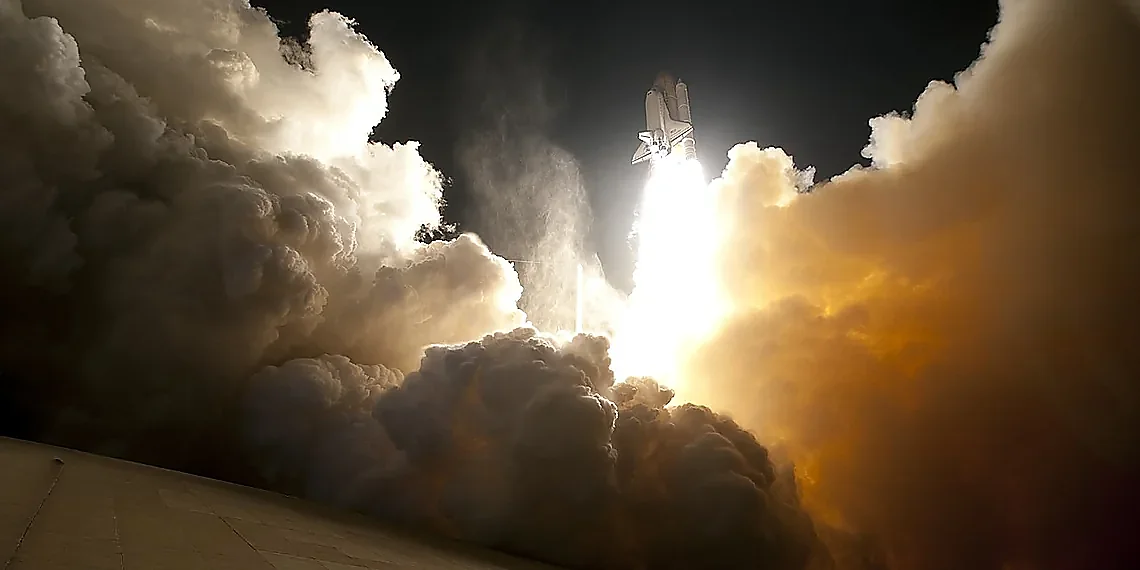
The SpaceX Falcon 9’s revolutionary first-stage reusability program is a cornerstone of its cost-effectiveness and has fundamentally changed how we access space. Unlike traditional rockets where each stage is discarded after use, the Falcon 9’s initial booster stage is designed to return to Earth for refurbishment and reuse. This process significantly reduces the overall cost per launch by avoiding the need to manufacture new boosters repeatedly.
After separating from the second stage during ascent, the first-stage booster fires its engines again to perform a controlled descent back towards Earth. SpaceX employs two primary recovery methods: landing on a dedicated drone ship stationed in the Atlantic Ocean (for eastward launches) and landing at Landing Zone 4 near the launch site (for westward launches). These landings are complex maneuvers requiring precise engine control and sophisticated guidance systems.
Beyond cost savings, reusability also offers environmental benefits. By reusing rocket components, SpaceX minimizes waste and reduces the need for raw materials extraction and manufacturing processes. While refurbishment does require resources, the overall lifecycle impact is generally lower compared to expendable launch systems, contributing to a more sustainable approach to space exploration – vital as we consider increased frequency of missions to the ISS and beyond.
Science in Orbit: What’s on the Agenda?
The SpaceX Crew-12 mission isn’t just about getting astronauts to the International Space Station (ISS); it’s a vital platform for an extensive suite of scientific investigations with tangible benefits here on Earth. During their time aboard, the crew will conduct over 150 experiments spanning diverse fields from human health and biology to materials science and fluid dynamics. These aren’t just theoretical exercises; many are directly aimed at solving real-world problems, pushing the boundaries of our understanding, and developing innovative technologies.
A significant portion of Crew-12’s research focuses on leveraging microgravity – a condition virtually impossible to replicate consistently on Earth. This unique environment allows scientists to observe phenomena with unprecedented clarity. For example, researchers will be studying protein crystallization in microgravity; larger, more perfect crystals are easier to analyze and can lead to breakthroughs in drug development. Similarly, experiments involving fluid behavior are crucial for designing more efficient heat transfer systems – a critical need for everything from electronics cooling to power plants.
Human health research also takes center stage with Crew-12. Studies will examine the long-term effects of spaceflight on bone density and muscle mass, informing countermeasures that can benefit not only astronauts but also individuals suffering from osteoporosis or age-related muscle loss on Earth. Another project involves investigating how microgravity impacts immune function, potentially leading to new strategies for combating infectious diseases. Beyond human biology, the crew will also be deploying advanced sensors for Earth observation, collecting data crucial for monitoring climate change and managing natural resources.
Finally, materials science experiments aboard the ISS with Crew-12 aim to develop stronger, lighter, and more durable materials. These innovations could revolutionize industries ranging from aerospace engineering – creating more fuel-efficient aircraft – to consumer electronics, leading to smaller, more powerful devices. The collaborative nature of this mission, combining NASA’s scientific expertise with SpaceX’s reliable launch capabilities, underscores the power of public-private partnerships in driving impactful scientific discovery.
Microgravity Research & Beyond
The SpaceX Crew-12 mission carries a diverse array of scientific investigations to the International Space Station, leveraging the unique microgravity environment for groundbreaking research. A significant focus is materials science; experiments like ‘Materials Science Experiment – Fluid Dynamics 2’ (MSE-FD2) will study how fluids behave without the influence of gravity, potentially leading to improvements in everything from heat transfer technologies to advanced manufacturing processes. Similarly, researchers are investigating crystal growth – forming larger and more perfect crystals than achievable on Earth – which has implications for developing stronger semiconductors and pharmaceutical compounds.
Human health is another critical area of study during Crew-12’s tenure. Research includes assessing the long-term effects of spaceflight on bone density and muscle mass, crucial information for future deep-space missions involving extended durations. The ‘Veggie’ system will continue to explore plant growth in microgravity, aiming to develop sustainable food sources for astronauts and potentially revolutionizing agriculture practices here on Earth through improved understanding of nutrient uptake and root development. Furthermore, studies are planned to examine the impact of space radiation on immune function.
Beyond direct biological or material impacts, Crew-12 will also contribute to Earth observation efforts. Instruments aboard the ISS provide a unique vantage point for monitoring climate change, tracking natural disasters, and studying environmental phenomena. These observations complement data gathered from satellites and ground-based sensors, offering a more comprehensive understanding of our planet’s complex systems. The lack of atmospheric distortion at this altitude allows for significantly sharper images and more precise measurements than are typically possible.
Looking Ahead: The Future of Commercial Spaceflight
The success of the SpaceX Crew-12 mission, and indeed the entire Commercial Crew program, signifies a pivotal shift in humanity’s relationship with space. For decades, access to orbit was largely controlled by government agencies, limiting opportunities for scientific advancement and commercial innovation. SpaceX’s Falcon 9 rocket and Dragon spacecraft have fundamentally altered this landscape by significantly reducing launch costs and increasing flight frequency. This democratization of space opens doors for a wider range of researchers, entrepreneurs, and even private citizens to participate in space-based activities – from conducting microgravity experiments to developing new technologies with applications both on Earth and beyond.
Beyond scientific research, the Crew-12 mission highlights the burgeoning potential for space tourism. While still in its nascent stages, the prospect of commercial orbital flights is becoming increasingly realistic thanks to companies like SpaceX and Blue Origin. This trend isn’t just about thrill rides; it represents a developing infrastructure that could eventually support more ambitious ventures, such as lunar hotels or even suborbital manufacturing facilities. The long-term economic impact of space tourism remains to be seen, but the early signs suggest a market eager for experiences previously confined to astronauts.
The technological advancements spurred by commercial spaceflight extend far beyond rocketry and spacecraft design. The need for reusable launch systems, advanced life support technologies, and efficient power generation are driving innovation across numerous engineering disciplines. These breakthroughs have ripple effects on industries as diverse as materials science, robotics, and artificial intelligence. As we look towards lunar missions – with SpaceX playing a key role in NASA’s Artemis program – the lessons learned from Crew-12 and similar commercial endeavors will be invaluable for ensuring mission success and pushing the boundaries of human exploration.
Ultimately, the Crew-12 mission isn’t just about transporting astronauts to the ISS; it’s a testament to the power of public-private partnerships in accelerating space exploration. This collaborative approach fosters competition, drives down costs, and encourages innovation at an unprecedented pace. The future promises even more ambitious goals – establishing permanent lunar bases, sending humans back to Mars, and potentially unlocking the resources of asteroids – all fueled by the momentum generated by programs like Commercial Crew and exemplified by the ongoing work of SpaceX.
Expanding Access to Space
SpaceX’s involvement in NASA’s Commercial Crew Program, exemplified by missions like Crew-12, has fundamentally altered the economics of accessing Low Earth Orbit (LEO). Prior to SpaceX, NASA relied heavily on expensive Russian Soyuz launches for astronaut transport. The development and operation of reusable Falcon 9 rockets significantly reduces launch costs compared to expendable systems; estimates suggest a roughly 50% reduction in cost per kilogram to orbit. This decrease isn’t just about dollars and cents – it directly translates into more opportunities for scientific research on the ISS and opens doors for commercial payloads that were previously financially prohibitive.
The lower barrier to entry fostered by SpaceX has spurred a surge of commercial ventures seeking access to space. Companies are now exploring everything from microgravity manufacturing to in-space servicing of satellites, activities which contribute directly to technological innovation and economic growth. The Crew-12 mission itself carries experiments designed to test new technologies and further our understanding of the effects of long-duration spaceflight – knowledge vital for future human exploration. These commercial partnerships also relieve pressure on NASA’s resources, allowing them to focus on ambitious deep-space initiatives.
Looking forward, SpaceX’s experience with Crew Dragon and Falcon Heavy is laying the groundwork for even more ambitious endeavors. The company is actively developing Starship, a fully reusable launch system designed to carry massive payloads – including humans – to the Moon, Mars, and beyond. While still in development, Starship promises to dramatically lower the cost of lunar missions and eventually interplanetary travel, potentially ushering in an era of sustained human presence beyond Earth.
The journey of SpaceX Crew-12 has underscored yet again the remarkable progress humanity is making in space exploration, demonstrating a seamless blend of cutting-edge technology and international collaboration.
From conducting vital research aboard the International Space Station to showcasing reusable rocket capabilities, this mission served as a powerful testament to innovation and precision engineering – pushing the boundaries of what’s possible beyond Earth’s atmosphere.
The success of SpaceX Crew-12 isn’t just about reaching orbit; it represents a crucial step towards establishing sustainable presence in space and paving the way for future lunar and Martian missions, solidifying commercial partnerships as integral to this ambitious endeavor.
We’ve seen firsthand how these advancements are not only benefiting scientific discovery but also inspiring the next generation of engineers, scientists, and dreamers worldwide, proving that the spirit of exploration remains vibrantly alive. The meticulous planning and flawless execution displayed throughout the mission highlight the dedication of countless individuals across both NASA and SpaceX teams, a true embodiment of collaborative excellence. As we look forward, these experiences will undoubtedly inform and refine future spaceflight endeavors, building upon the foundation laid by missions like SpaceX Crew-12. To stay abreast of groundbreaking developments and witness the unfolding chapters of this extraordinary story, be sure to follow both NASA and SpaceX for updates on their upcoming missions – you won’t want to miss what’s next!
Continue reading on ByteTrending:
Discover more tech insights on ByteTrending ByteTrending.
Discover more from ByteTrending
Subscribe to get the latest posts sent to your email.