


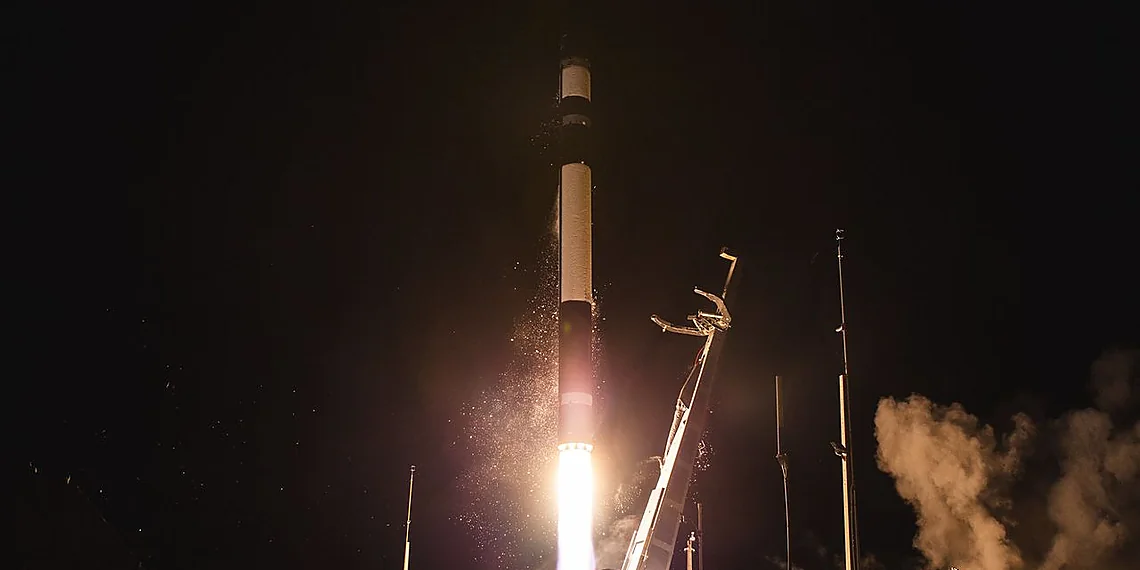
You might have seen the headlines – a flurry of activity over India, sparking confusion and speculation across social media. Initial reports suggested a sudden influx of unidentified objects entering Earth’s orbit, fueling wild theories ranging from secret military operations to extraterrestrial encounters. The truth, however, is far more fascinating and underscores an increasingly interconnected global space landscape. Several Brazilian satellites launch successfully from the Satish Dhawan Space Centre in Sriharikota earlier this week, marking a significant milestone for Brazil’s expanding space program. Many were initially misled by the rapid sequence of events, but at ByteTrending, we’re dedicated to cutting through the noise and delivering verified information. We’ll unpack what happened, why it happened in India, and what these Brazilian satellites launch signifies for both nations involved.
The sheer number of payloads launched simultaneously understandably created a brief period of uncertainty online. Disentangling facts from fiction requires careful investigation and cross-referencing official sources – something we take seriously here at ByteTrending. Our team has been diligently verifying reports and analyzing orbital data to provide you with an accurate account of this unique mission, ensuring you understand the real story behind the initial buzz.
This event highlights a growing trend: international collaboration in space exploration. It’s not uncommon for countries to utilize other nations’ launch facilities due to cost-effectiveness or specialized capabilities, but it often leads to momentary confusion when information isn’t readily available. Stay with us as we delve into the details of this Brazilian satellites launch and clarify what truly transpired above our heads.
The Unexpected Launch Details
Initial reports regarding the launch of Brazilian satellites from India were, to put it mildly, confusing. Early press releases from the Agência Espacial Brasileira (AEB), seemingly intended to announce a significant milestone for Brazil’s space program, initially claimed a different number of satellites would be deployed. This sparked widespread reporting based on that inaccurate information, highlighting a common challenge in international space endeavors: reliable and timely communication. The initial confusion underscored a disconnect between the planned mission and how it was presented publicly, leaving many Brazilian space enthusiasts scratching their heads.
ByteTrending’s team quickly recognized discrepancies between the AEB’s statement and other available data points. Our process involved cross-referencing official launch manifests from both the Indian Space Research Organisation (ISRO) and independent tracking sources. This meticulous verification revealed that five Brazilian satellites – ‘Cinco Satélites Brasileiros’ – were indeed part of the PSLV-C62 mission, a number significantly different from what was initially reported by the AEB. It’s a crucial reminder that relying solely on press releases requires diligent fact-checking and independent investigation.
The correction wasn’t merely about numbers; it represented a broader issue of transparency and accuracy in space reporting. ByteTrending is committed to providing our audience with the most precise information possible, even when it means challenging official narratives. This incident highlights the importance of critical analysis and verifying claims from multiple sources – something we consider paramount within our journalistic approach.
Ultimately, the successful launch saw ‘Galaxie Explorer,’ ‘Orbital Temple,’ and ‘Uai-Sat’ alongside two other Brazilian payloads ascend into orbit aboard the Indian PSLV-C62 rocket. While the initial misinformation caused a brief period of uncertainty, ByteTrending’s dedication to uncovering the truth ensured that the correct details reached the public, demonstrating our commitment to providing reliable updates on Brazil’s evolving space capabilities.
Misinformation and Correction

Initial reports stemming from a press release issued by the Agência Espacial Brasileira (AEB), Brazil’s space agency, incorrectly stated that three Brazilian satellites were being launched aboard India’s PSLV-C62 rocket. This misinformation was widely disseminated across several Brazilian news outlets shortly after the launch announcement.
ByteTrending’s team immediately began verifying this information against multiple sources, including direct observation of the mission manifest and cross-referencing with official documentation from both the AEB and Indian Space Research Organisation (ISRO). Our investigation revealed that a total of five satellites – Galaxie Explorer, Orbital Temple, Uai-Sat, and two others involved in Earth observation – were indeed part of the payload.
Recognizing the discrepancy between the initial AEB statement and our confirmed findings, ByteTrending swiftly published a correction clarifying the actual number of Brazilian satellites launched. We prioritized providing accurate information to our audience and highlighted the importance of verifying official statements with independent sources, especially in rapidly evolving situations like space launches.
Meet the Five Satellites
The recent launch from India carried more than just ambition; it delivered five vital Brazilian satellites into orbit. Let’s meet them! First up is Galaxie Explorer, a powerhouse for Earth observation. Imagine having eyes in the sky capable of monitoring deforestation, tracking weather patterns, and assessing natural disasters – that’s what Galaxie Explorer brings to the table. It boasts advanced imaging capabilities allowing scientists and policymakers to gain unprecedented insights into our planet’s changing environment.
Alongside Galaxie Explorer is Orbital Temple, another crucial component of Brazil’s Earth observation efforts. While both satellites work together, Orbital Temple specializes in detailed environmental monitoring. Think of it as a precision tool for analyzing water quality, assessing agricultural health, and detecting subtle changes on the Earth’s surface. Its advanced sensors allow for a level of detail previously unavailable, offering invaluable data for sustainable development initiatives.
Beyond these observational giants, Brazil has also launched three satellites dedicated to diverse missions. Uai-Sat focuses on experimental communications technologies – essentially testing new ways to connect people and communities across the vast Brazilian landscape. The other two, while less publicly detailed, contribute to scientific research and further communication capabilities, showcasing Brazil’s commitment to a broad range of space-based applications. Having such a varied constellation ensures resilience and expands the potential for discovery.
This carefully curated group of satellites represents a significant leap forward for Brazilian space technology. Each satellite plays a unique role, contributing to everything from environmental protection and disaster response to cutting-edge communications research. The launch itself underscores Brazil’s growing importance in the global space arena and its commitment to leveraging satellite technology for the benefit of its people.
Galaxie Explorer & Orbital Temple: Earth Observation
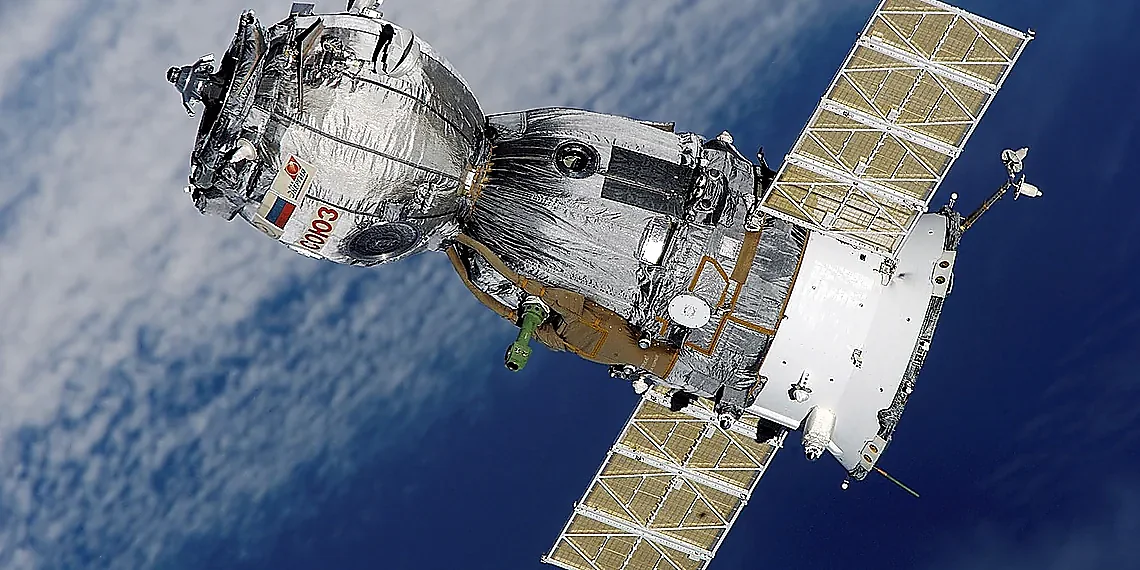
The Galaxie Explorer satellite is a key component of Brazil’s Earth observation capabilities, designed primarily for high-resolution imaging. It will contribute significantly to mapping projects, urban planning, and agricultural monitoring across the country. Unlike some previous Brazilian satellites, Galaxie Explorer features an advanced optical sensor capable of capturing imagery with a resolution exceeding 5 meters, allowing for detailed analysis of land cover and infrastructure.
Complementing Galaxie Explorer is Orbital Temple, another vital Earth observation satellite focused on environmental monitoring. It’s equipped with multispectral sensors that analyze reflected light across various wavelengths – beyond what the human eye can see. This allows scientists to assess vegetation health, detect changes in water quality (including algal blooms and sediment levels), and monitor deforestation patterns, providing crucial data for sustainable resource management.
A unique aspect of Orbital Temple’s design is its inclusion of a thermal infrared sensor. This capability enables it to measure surface temperatures with precision, which is invaluable for tracking wildfires, studying urban heat islands, and understanding climate change impacts on ecosystems – adding another layer of environmental intelligence to the data collected by Brazil’s satellite constellation.
Uai-Sat & Others: Diverse Missions
While Uai-Sat grabs headlines for its focus on providing internet access to underserved regions within Brazil, the PSLV-C62 launch also carried four other vital satellites. Amazonia-1 continues its crucial mission of monitoring deforestation and environmental changes across the Amazon rainforest, providing invaluable data for conservation efforts and disaster management. This Earth observation satellite uses advanced sensors to track vegetation health, water levels, and illegal mining activities.
Next is GuangSat-1, a collaborative project between Brazil and China. Its primary function involves atmospheric research and radio science experiments in the upper atmosphere – essentially studying how radio waves propagate through different layers of the atmosphere. This data contributes to improved communication technologies and understanding of space weather phenomena. Finally, there’s DopSat, developed by ITA (Instituto Tecnológico de Aeronáutica), which serves as a technology demonstrator for precise positioning and navigation systems; it tests new techniques for accurately determining its location in orbit.
A diverse satellite constellation like this one is significantly more valuable than having satellites with only a single purpose. The combination of Earth observation, communications, scientific research, and technological demonstration provides a broader range of data and capabilities. This versatility strengthens Brazil’s space program, enhances national security, supports sustainable development initiatives, and fosters international collaboration in space exploration.
Why India? The PSLV-C62 Connection
The recent successful launch of Brazilian satellites from India, specifically utilizing the PSLV-C62 rocket, highlights a deepening strategic partnership between the two nations’ space programs. While Brazil has its own ambitions and capabilities in satellite development, leveraging India’s proven and cost-effective launch services represents a pragmatic approach to achieving their objectives. This isn’t a new relationship; it builds upon decades of collaboration between the Brazilian Space Agency (AEB) and the Indian Space Research Organisation (ISRO), initially focused on technology transfer and training, gradually evolving into cooperative missions.
So, why India? The PSLV (Polar Satellite Launch Vehicle) rocket has established itself as a reliable workhorse for launching satellites into various orbits. Its track record of success, coupled with its relatively lower cost compared to launch options from other countries like the United States or Europe, makes it an incredibly attractive choice for Brazil. India’s focus on developing indigenous space technology and making it accessible internationally aligns perfectly with Brazil’s desire to expand its own space capabilities without incurring exorbitant expenses – a particularly important factor given budgetary constraints.
This particular mission, carrying satellites like the ‘Galaxie Explorer,’ ‘Orbital Temple,’ and ‘Uai-Sat’, demonstrates the versatility of the PSLV. The launch allows Brazil to deploy these crucial assets for Earth observation, scientific research, and potentially communications purposes – all facilitated by India’s robust space infrastructure. The arrangement isn’t simply transactional; it fosters knowledge sharing and strengthens both countries’ positions in the global space arena.
Looking ahead, the Brazilian satellites launch from India via PSLV-C62 serves as a powerful example of international cooperation in space exploration. It underscores how nations can pool resources, expertise, and technology to achieve common goals, ultimately pushing the boundaries of what’s possible beyond our planet and solidifying Brazil and India’s roles as key players in the future of space.
International Collaboration in Space
The relationship between the Brazilian Space Agency (AEB) and the Indian Space Research Organisation (ISRO) dates back to the 1980s, initially focusing on technical cooperation and data sharing. Brazil’s own space program, Embrapa Image, benefited from early collaborations with ISRO in areas like remote sensing and satellite imagery processing. This initial exchange of knowledge laid the groundwork for a more substantial partnership centered around launch services.
A key element of this collaboration is India’s Polar Satellite Launch Vehicle (PSLV), renowned for its reliability and cost-effectiveness. Brazil began utilizing the PSLV for launching its satellites in 2003, marking a significant shift away from relying on Western or European launch providers. The PSLV’s ability to deploy multiple small satellites into various orbits has proven particularly advantageous for Brazil’s increasingly diverse range of Earth observation and communication missions.
The recent launch of Brazilian satellites aboard the PSLV-C62 exemplifies the broader trend of international cooperation in space exploration. It demonstrates how nations can pool resources, expertise, and technology to achieve common goals beyond national borders, fostering a more collaborative and accessible landscape for accessing space – a critical factor as space activities continue to expand.
Looking Ahead for Brazilian Space
The recent launch of Brazilian satellites from India, utilizing the PSLV-C62 rocket, marks a significant step forward for Brazil’s burgeoning space program. This event, initially shrouded in misinformation due to what the author describes as inadequate communication from the Brazilian Space Agency (AEB), underscores both the nation’s ambition and the challenges it faces in effectively disseminating its achievements. While relying on international launch capabilities isn’t ideal long-term, leveraging India’s proven expertise and cost-effective solutions allows Brazil to rapidly deploy critical infrastructure and advance key scientific objectives – a pragmatic approach for an emerging space power.
Looking ahead, Brazil has ambitious plans beyond this successful launch. The ‘Galaxie Explorer’ and ‘Orbital Temple’ satellites, among others like the ‘Uai-Sat’, are designed to provide vital data for Earth observation, telecommunications, and scientific research. These missions contribute directly to national development goals, including improved agricultural monitoring, disaster management capabilities, and enhanced connectivity across the vast Brazilian territory. The agency is actively working towards greater independence in launch capabilities, but these collaborative ventures with partners like India are crucial bridge builders.
Brazil’s future space ambitions extend beyond simply deploying satellites; there’s a growing discussion around potential manned missions. While concrete timelines remain fluid and depend heavily on securing funding and technological advancements, the aspiration to send Brazilian astronauts into orbit reflects a broader vision of national pride and scientific leadership. The government is exploring partnerships with other nations for crewed programs, recognizing that international collaboration will be essential in achieving this ambitious goal.
Ultimately, the successful launch from India serves as a powerful catalyst for Brazil’s space program. It not only delivers immediate benefits through the deployed satellites but also strengthens the nation’s position on the global stage, signaling its commitment to innovation and technological advancement within the increasingly competitive arena of the 21st-century space race. The focus now shifts towards consolidating these gains, developing indigenous launch capabilities, and realizing Brazil’s full potential as a key player in exploring and understanding our universe.
Future Missions & Ambitions
Following the successful launch of five Brazilian satellites aboard an Indian PSLV-C62 rocket, Brazil is actively pursuing a robust schedule of further satellite deployments aimed at bolstering its Earth observation capabilities and expanding domestic telecommunications infrastructure. Several missions are already planned for the next few years, including the Azimuth satellite designed to improve weather forecasting accuracy and the Itatiaia Earth Observation Satellite which will contribute data for agricultural monitoring and environmental protection efforts. These launches demonstrate a strategic partnership with India, leveraging their launch expertise while advancing Brazil’s own space program goals.
Beyond these near-term projects, Brazil’s ambitions extend to more ambitious endeavors. The Brazilian Space Agency (AEB) is currently evaluating proposals for the development of a fully operational national rocket capable of launching heavier payloads into orbit, reducing reliance on foreign launch providers. A significant long-term goal involves laying the groundwork for a potential manned space mission, tentatively targeted for around 2026, although this remains highly dependent on resource allocation and technological advancements. This initiative would mark a pivotal moment in Brazilian history, signifying its emergence as a more prominent player in human space exploration.
The recent satellite launch from India, coupled with these future plans, firmly positions Brazil as an emerging force in the global space race. While challenges remain regarding funding and infrastructure development, the commitment to expanding domestic capabilities and pursuing innovative projects like manned missions demonstrates a clear trajectory towards greater self-sufficiency and influence within the international space community. The ongoing collaboration with countries like India will be crucial for achieving these ambitious objectives.
The successful deployment of these Brazilian satellites launch marks a pivotal moment, not just for Brazil’s burgeoning space program, but also underscores the increasing global collaboration in accessing orbit.
ByteTrending is dedicated to bringing you clear and concise coverage of developments like this, ensuring you’re always informed about the latest advancements shaping our future among the stars.
This mission highlights Brazil’s ambition to enhance its Earth observation capabilities and contribute significantly to areas ranging from environmental monitoring to disaster management – a testament to their commitment to innovation.
The partnership with India for this launch exemplifies how nations are pooling resources and expertise to accelerate space exploration, creating opportunities that benefit everyone involved globally. We’ve seen incredible progress, and the future looks incredibly bright for Brazilian space technology advancement, particularly as they continue expanding their infrastructure and capabilities beyond this initial success. The implications of this achievement will reverberate through various sectors in Brazil and beyond, solidifying its place on the global stage. It’s truly an exciting era to witness Brazil’s ascent within the space community. The meticulous planning and execution behind the Brazilian satellites launch are a source of immense pride for both participating nations, and signal a new chapter in international cooperation. We at ByteTrending believe that this is just the beginning of what promises to be a remarkable journey for Brazilian space exploration, and we’re thrilled to be sharing it with you all. Stay tuned for more exciting updates as Brazil continues its ambitious endeavors amongst the cosmos! To ensure you don’t miss any future news about Brazil’s expanding role in space, follow ByteTrending – your go-to source for all things Brazilian space exploration.
Continue reading on ByteTrending:
Discover more tech insights on ByteTrending ByteTrending.
Discover more from ByteTrending
Subscribe to get the latest posts sent to your email.