



Get ready to reimagine everything you thought you knew about playtime, because Lego is officially stepping into a future brimming with interactive possibilities.
The beloved brick-building giant just announced a groundbreaking integration of technology directly into its iconic blocks – yes, you read that right, Lego is now embracing the digital age in a truly remarkable way.
Imagine building creations that respond to your touch, react to their environment, or even tell stories all on their own; this isn’t science fiction anymore, it’s becoming reality thanks to Lego Smart Bricks.
The initial launch showcases incredible potential, with Star Wars sets leading the charge and offering a glimpse into the immersive experiences we can expect moving forward – think lightsabers that illuminate and X-wings that respond to commands, all built with your own hands. This represents an exciting evolution for both Lego enthusiasts and anyone curious about blending physical construction with digital interaction.
The ‘Smart Bricks’ System Explained
Lego’s new ‘Smart Bricks’ system isn’t just about adding flashing lights to your creations; it represents a fundamental shift in how we interact with Lego bricks. At its core, these aren’t radically different looking bricks – they maintain the familiar interlocking design we all know and love. However, nestled inside each Smart Brick are miniature computers, sensors, and connectivity options that transform them from static building blocks into interactive elements.
So, what exactly *is* inside? Each brick contains a small microcontroller—essentially a tiny computer—along with various sensors capable of detecting motion, ambient light levels, and even proximity. You’ll also find miniature LEDs for visual feedback and Bluetooth connectivity to allow the bricks to communicate wirelessly with each other or external devices like smartphones or tablets. The beauty lies in how seamlessly these components are integrated; they don’t compromise the brick’s structural integrity or usability.
The connection method is key to the system’s appeal. These Smart Bricks connect just like traditional Lego bricks, utilizing the same stud-based interlocking mechanism. This means existing Lego creations can be easily incorporated and expanded upon with a touch of smart technology. The Bluetooth connectivity allows for a network of these bricks to share data – imagine a building that responds to your movements or changes color based on light conditions; it’s all possible through this interconnected system.
While complex programming isn’t required to enjoy the basic functionality, the potential for customization is immense. Lego envisions users being able to program their Smart Bricks to perform specific actions and react to different stimuli. This opens up a world of possibilities for creating interactive models, automated displays, and even educational tools – all built with the familiar comfort and creativity of Lego.
What’s Inside? The Tech Breakdown

The heart of Lego Smart Bricks lies in miniature electronic components embedded directly within standard-sized Lego bricks. Each ‘smart’ brick houses a microcontroller – essentially a tiny computer – that manages its functions and communicates with other bricks and external devices. These microcontrollers are paired with various sensors, including motion detectors to register movement and light sensors to respond to ambient brightness. Integrated LEDs provide visual feedback, allowing the bricks to display colors or patterns.
Beyond simple sensing and illumination, Lego Smart Bricks incorporate Bluetooth connectivity. This allows them to wirelessly connect to smartphones, tablets, or computers, enabling remote control and data transfer. The motion sensors can detect shaking, tilting, or rotation, while light sensors react to changes in brightness – all of this information is then transmitted via Bluetooth. These combined capabilities open the door for interactive builds that respond dynamically to user input or environmental conditions.
The ability to program these bricks represents a significant step forward. While Lego hasn’t released full coding details yet, it’s clear users will be able to define custom behaviors and interactions through a simplified interface – potentially using visual programming techniques similar to Scratch. This opens exciting possibilities for creating automated models, interactive games, or even simple robotics projects, bringing a new level of complexity and customization to Lego building.
Star Wars as the Launchpad
Where was this when I was meticulously piecing together the Millennium Falcon as a kid? Lego’s foray into smart technology with their new ‘Lego Smart Bricks’ is nothing short of revolutionary, and they’ve smartly (pun intended!) chosen Star Wars as the launchpad for this ambitious project. The selection isn’t accidental; Star Wars’ enduring popularity, vast universe brimming with iconic ships and characters, and passionate fanbase provides an ideal testing ground and a guaranteed audience eager to embrace interactive building experiences.
Lego opted for Star Wars because it allows them to showcase the potential of Smart Bricks in a truly engaging way. The initial sets leverage these new bricks – which essentially integrate Bluetooth connectivity and basic processing power – to create interactive adventures with familiar ships like the Razor Crest and Republic Gunship. Imagine building the Razor Crest, then activating sound effects mimicking blaster fire or engine hums as you move it around! Lighting sequences triggered by proximity sensors add another layer of immersion, allowing for dynamic play that goes far beyond static display models.
These aren’t complex programming exercises; Lego has focused on making the interactive features accessible to a wide range of ages. The companion app guides users through building and activation, offering simplified controls and pre-programmed interactions. While experienced builders might eventually explore customizing these actions (a clear future direction for Lego), the initial focus is on ease of use – bringing a new generation of Star Wars fans into the world of Lego while captivating existing ones with this fresh take on their beloved hobby.
The introduction of Smart Bricks undoubtedly has the potential to shift how people interact with Lego sets. While purists might lament the departure from traditional building, the added layer of interactivity promises a richer and more engaging experience, particularly for younger users who may be intimidated by larger or more complex builds. It’s an exciting glimpse into the future of play – where physical toys seamlessly blend with digital technology to create dynamic and immersive worlds.
Interactive Adventures with Iconic Ships
Lego’s foray into smart technology began with a thoughtful choice: Star Wars. The iconic franchise’s devoted fanbase and inherent narrative possibilities made it an ideal launchpad for Smart Bricks, Lego’s new line of digitally enhanced building blocks. Initial sets, like the Millennium Falcon and Razor Crest, aren’t just impressive displays of brick-built engineering; they incorporate interactive elements that bring these legendary ships to life. Imagine hearing R2-D2’s signature beeps and whistles as you move a section of the Falcon, or seeing lights flash in sequence as you rotate the Razor Crest’s gunners – all triggered by proximity sensors within the Smart Bricks.
The beauty of Lego Smart Bricks lies in their accessibility. While offering sophisticated functionality, they’re designed to be user-friendly even for younger builders. The accompanying app provides intuitive controls and pre-programmed sequences, allowing users to easily customize sound effects, lighting patterns, and simple animations without requiring coding expertise. Users can also create their own custom interactions by chaining together actions – a simple drag-and-drop interface makes it surprisingly easy to program basic behaviors like opening cargo hatches or activating laser cannons.
The integration of Smart Bricks into Star Wars models represents more than just a novelty; it’s a glimpse into the future of Lego. By blending physical construction with digital interactivity, Lego is offering a richer and more immersive building experience. While some purists may lament the departure from traditional Lego play, the potential for expanding storytelling possibilities and engaging new generations of builders is undeniable – setting the stage for Smart Bricks to potentially revolutionize how we interact with toys.
Beyond Star Wars: Future Possibilities
While the initial Lego Smart Brick sets, themed around Star Wars, are undeniably cool – seriously, where was this technology when I was meticulously building X-Wings as a kid? – their true potential lies far beyond recreating scenes from a galaxy far, far away. The integration of computers and sensors directly into Lego bricks opens up an entirely new era of play and creation, hinting at applications that could revolutionize education, robotics, and the very nature of how we interact with physical toys.
Imagine classrooms where students construct interactive models to demonstrate scientific principles – a self-sorting recycling plant built from Smart Bricks, or a miniature ecosystem complete with simulated weather patterns. Robotics enthusiasts could leverage these bricks to create surprisingly sophisticated automated creations, moving beyond simple motorized builds into projects involving complex sensor input and programmed responses. The possibilities extend across virtually all Lego themes; envision a medieval castle that triggers sound effects when approached, or a sprawling city landscape with dynamically changing traffic patterns.
The impact on user-generated content is also significant. With the ability to program custom behaviors and interactions, users can move beyond simply building models to crafting truly interactive experiences. While there’s undoubtedly a learning curve involved – Lego’s tools will need to be accessible and intuitive for a broad audience – the potential for sharing these creations online, fostering communities of builders, and generating entirely new forms of digital-physical play is immense.
Ultimately, Lego Smart Bricks aren’t just about enhancing existing themes; they’re laying the groundwork for a platform. A platform where physical building meets programmable logic, empowering users to not only construct but also *animate* their creations in ways we’ve only begun to imagine. The Star Wars sets are merely the first chapter – expect a whole universe of possibilities to unfold.
The Potential for Programmable Play
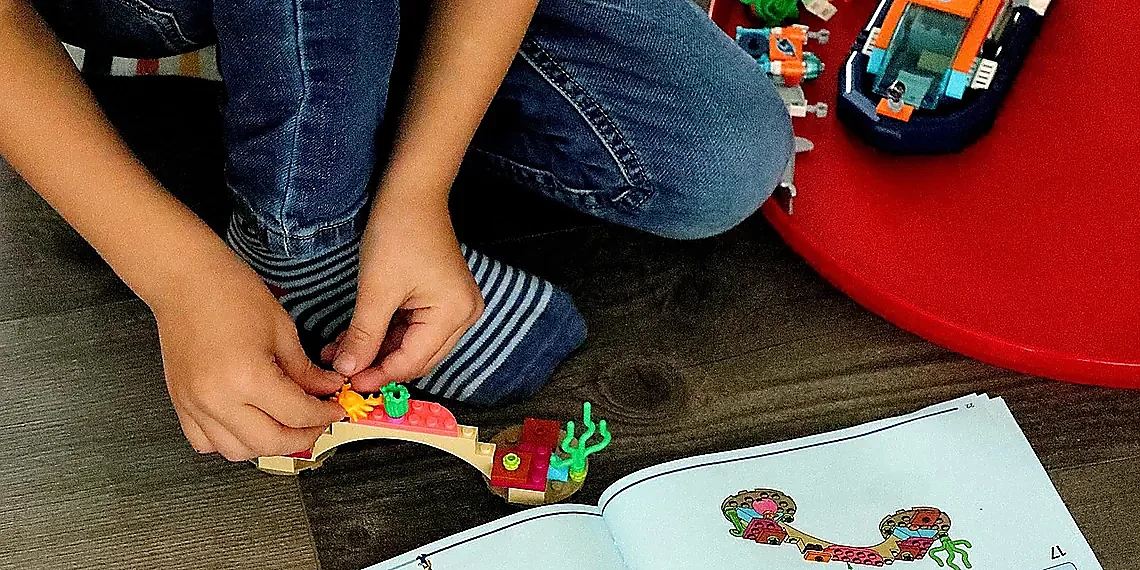
Lego Smart Bricks promise a significant shift from passive building to active creation. While the initial kits offer pre-programmed interactions, the real power lies in their programmability. Users, particularly older children and adults, will be able to leverage visual programming interfaces (similar to Scratch or Blockly) to define custom behaviors for individual bricks – controlling motors, sensors, lights, and even connecting to external devices via Bluetooth or Wi-Fi. Imagine building a Lego house that automatically adjusts its lighting based on ambient light levels, or a miniature automated factory line responding to simulated demand.
The potential applications extend far beyond simple animations. Users could create complex robotics projects, designing custom robots with programmable movement patterns and sensor-driven responses. Educational opportunities abound; Smart Bricks can serve as engaging tools for teaching coding concepts, engineering principles, and even basic electronics. The ability to build interactive models of scientific phenomena or historical events represents a powerful learning tool. While the initial learning curve might be steeper than simply following instructions, Lego’s likely focus on accessible interfaces should make it manageable for beginners.
The introduction of programmable Lego Smart Bricks is almost certain to foster a vibrant community centered around user-generated content and shared designs. We can anticipate online repositories where users share their creations, programming code snippets, and even entire model builds. This collaborative ecosystem will accelerate innovation and dramatically expand the range of possibilities – transforming Lego from primarily a construction toy into a versatile platform for creative expression and technological exploration.
Challenges & Considerations
The introduction of Lego Smart Bricks undeniably brings a wave of excitement, but it’s crucial to acknowledge potential hurdles before fully embracing this new era of play. One immediate consideration is cost. Integrating electronics inevitably increases the price tag compared to traditional Lego sets. While Lego has always positioned itself as a premium toy, these smart bricks are likely to represent a significant investment for families, potentially limiting accessibility and creating a divide between those who can experience the technology and those who cannot.
Beyond the initial expense, longevity becomes a factor. The reliance on batteries raises questions about replacement frequency and the ongoing cost associated with powering these interactive builds. More importantly, some Lego enthusiasts might worry that adding electronics fundamentally alters the core ‘feel’ of Lego – the satisfying click of bricks connecting, the tangible weight in your hand, the pure creative freedom derived from simple plastic components. While functionality is a draw, preserving that tactile and imaginative experience will be key to ensuring broad appeal.
Furthermore, the complexity level needs careful consideration. While older children and adults might relish the programming and interactive possibilities offered by Smart Bricks, younger builders could find the added technology overwhelming or frustrating. Lego will need to strike a balance between innovation and accessibility, potentially offering tiered sets with varying levels of technological integration to cater to different age groups and skill levels. The risk is alienating the core audience who appreciate Lego for its simplicity and open-ended possibilities.
Ultimately, the success of Lego Smart Bricks hinges on how effectively they complement—rather than replace—the traditional building experience. If they can enhance creativity and problem-solving without sacrificing the joy of tactile construction and imaginative play, then this technological integration could truly revolutionize the world of toys. However, addressing concerns about cost, battery life, complexity, and preserving the essence of Lego will be vital for long-term adoption and ensuring that these smart bricks become a beloved addition to the Lego universe.
Cost, Longevity, and the ‘Feel’ of Lego
The introduction of Lego Smart Bricks undoubtedly brings exciting possibilities to play and creation, but it also raises questions about accessibility. Standard Lego sets are known for their relatively affordable price point, allowing a wide range of children (and adults!) to engage with the brand. Integrating electronics – motors, sensors, and microchips – inevitably increases manufacturing costs, suggesting that Smart Bricks will likely command a significantly higher price tag than traditional sets. This could limit adoption among some families or necessitate a tiered system where simpler, more accessible models are offered alongside complex, feature-rich options.
Longevity is another key consideration. While Lego bricks themselves are famously durable, the electronic components within Smart Bricks introduce new potential failure points. Batteries will need periodic replacement, and while Lego has stated it’s exploring solutions to minimize this (including potentially rechargeable options), the reliance on power remains a factor. Furthermore, the lifespan of embedded microchips is finite; technological obsolescence could render older Smart Brick models less functional or compatible with future software updates. Lego will need to proactively address these concerns through robust design and ongoing support.
Perhaps most importantly for many long-time Lego fans, there’s a genuine worry about whether adding electronics compromises the core tactile experience that defines Lego building. The satisfying click of bricks connecting, the physical challenge of constructing complex models – these are integral parts of what makes Lego so appealing. While Smart Bricks retain the familiar brick aesthetic and connection system, the introduction of programmed movement and electronic functionality could potentially dilute this traditional ‘feel’ for some users. The success of this new line will hinge on Lego’s ability to balance innovation with preserving the essence of what makes Lego uniquely Lego.
The introduction of Lego Smart Bricks marks a pivotal moment, not just for Lego enthusiasts but for anyone interested in the intersection of physical and digital play.
We’ve seen how these innovative bricks seamlessly blend classic construction with interactive technology, opening doors to experiences previously unimaginable within the familiar world of building blocks.
From simple motorization to complex sensor integration and programmable logic, the potential is truly vast, promising a future where creations respond dynamically to their environment and user interaction.
Consider the implications for education, accessibility, and even artistic expression – Lego Smart Bricks offer a tangible platform for learning STEM concepts while fostering creativity in exciting new ways. This isn’t simply about adding electronics; it’s about fundamentally reimagining what play can be and how we interact with our creations, moving beyond static models to dynamic, responsive systems that truly come alive. Ultimately, this represents the beginning of an entirely new era for Lego and a wave of possibilities for creators of all ages and skill levels, powered by these intelligent building blocks. We’re incredibly excited to witness what ingenious applications emerge from this powerful combination of physical and digital worlds – it’s clear that the future of play is being built right now, brick by brick. What do you envision for Lego Smart Bricks? Share your thoughts and predictions in the comments below!
Continue reading on ByteTrending:
Discover more tech insights on ByteTrending ByteTrending.
Discover more from ByteTrending
Subscribe to get the latest posts sent to your email.