
The rumble you just felt wasn’t your imagination – it was the sound of progress, and a whole lot of internet bandwidth launching into orbit! SpaceX recently sent another batch of satellites soaring skyward aboard a brand-new Falcon 9 rocket, marking a pivotal moment in connecting the world. Starlink has rapidly become synonymous with bridging the digital divide, offering crucial internet access to underserved communities across the globe, from remote rural areas to disaster zones. This latest mission is directly tied to the ongoing Starlink expansion and represents a significant leap forward in its ambitious global coverage goals. The upgraded Falcon 9 plays a vital role here, enabling SpaceX to deploy these satellites more efficiently and scale their network at an accelerated pace. It’s not just about faster downloads; it’s about empowering individuals and fostering opportunities where connectivity was previously unthinkable.
The sheer scale of Starlink’s operation is genuinely breathtaking, with thousands of satellites already in low Earth orbit working tirelessly to beam internet signals around the planet. The new Falcon 9 rocket utilized in this recent launch incorporates enhancements designed to maximize payload capacity and improve overall mission reliability, which are critical for supporting such a massive undertaking. This Starlink expansion isn’t just incremental; it’s a transformative shift in how we think about global connectivity, promising to reshape industries and impact lives worldwide.
The Launch & New Falcon 9
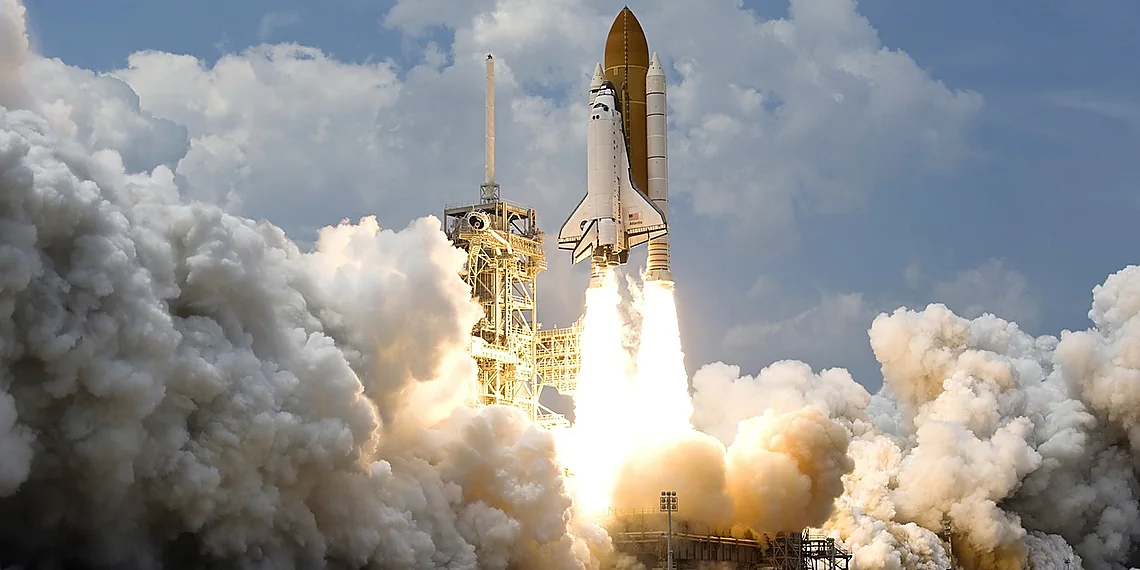
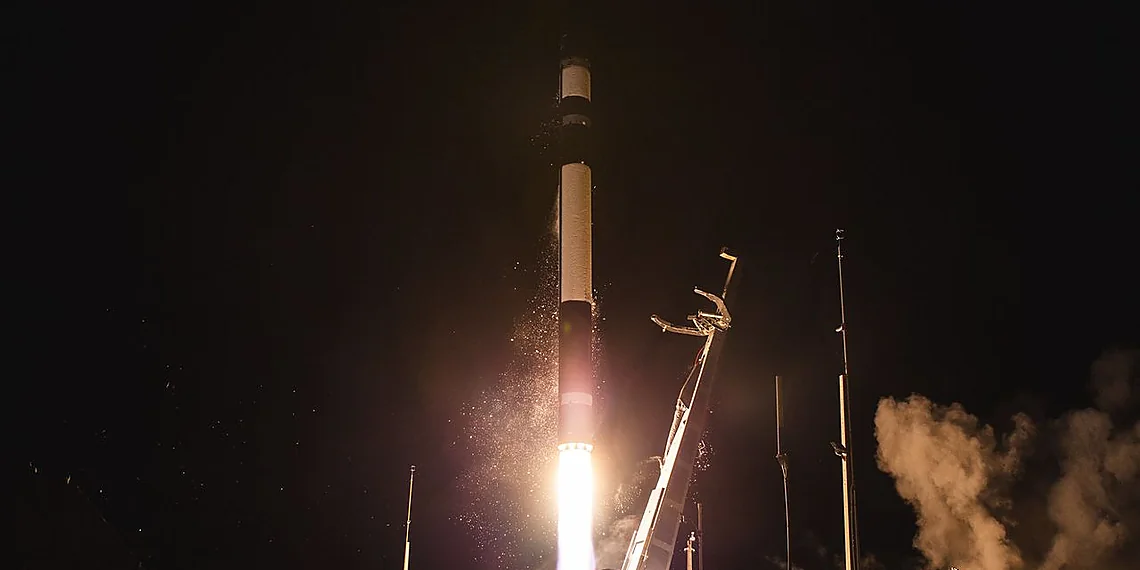
Sunday, January 4th, 2026, marked a significant milestone in Starlink expansion with the successful launch of a SpaceX Falcon 9 rocket from Cape Canaveral Space Force Station in Florida. The liftoff occurred at precisely 14:37 EST, deploying a batch of 29 additional satellites into low Earth orbit to bolster the already extensive Starlink constellation. This mission represents another crucial step towards SpaceX’s goal of providing global broadband internet access and underscores their continued commitment to building out this ambitious network.
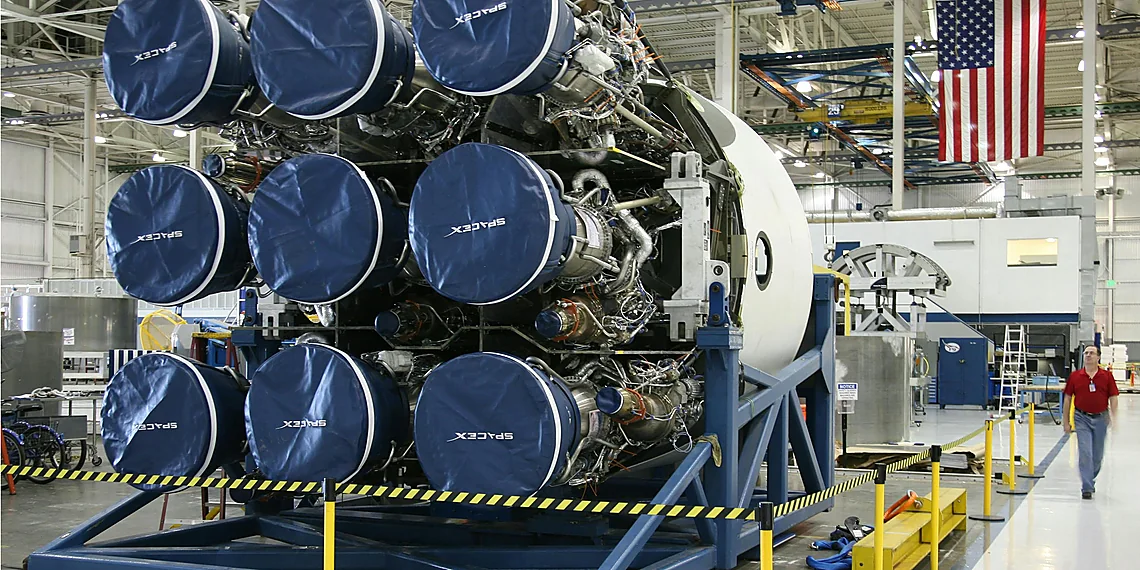
Notably, this launch utilized a newly upgraded Falcon 9 rocket variant – designated ‘Falcon 9 Block III Enhanced’. While retaining the core design principles of its predecessors, the enhanced version incorporates several key technological improvements aimed at increasing payload capacity and reliability. These upgrades include refined engine nozzle geometry for improved thrust efficiency and updated avionics systems designed to optimize flight performance and reduce operational complexities. SpaceX has also implemented subtle changes to the rocket’s structural components to minimize weight without compromising strength.
The Falcon 9 Block III Enhanced represents an iterative evolution of SpaceX’s workhorse launch vehicle, demonstrating their ongoing commitment to refining existing technology rather than pursuing radical redesigns. While details regarding specific material upgrades remain proprietary, industry analysts speculate that advanced composite materials are being increasingly integrated into the rocket’s structure. This subtle yet significant evolution allows for greater flexibility in deploying larger satellite constellations and ultimately contributes to accelerating Starlink expansion.
The successful deployment of these 29 satellites further strengthens the Starlink constellation’s capabilities, bringing improved connectivity and lower latency to users across the globe. The launch proceeded without incident, highlighting the reliability of SpaceX’s processes and the effectiveness of the new Falcon 9 Block III Enhanced variant – a testament to continuous innovation in the realm of space exploration.
Mission Details: A Successful Start to 2026

The latest Starlink expansion mission commenced at 04:17 EST on Sunday, January 4th, 2026, from Space Launch Complex 40 at Cape Canaveral Space Force Station in Florida. This launch marked the initial deployment of satellites for 2026 and utilized a newly upgraded Falcon 9 rocket variant featuring enhanced engine performance and structural modifications designed to improve payload capacity.
The mission successfully deployed all 29 Starlink satellites into their designated low Earth orbit (LEO) slots following stage separation and subsequent fairing deployment. These satellites contribute directly to expanding the Starlink constellation’s global coverage, aiming to provide high-speed internet access to underserved regions. Post-deployment telemetry indicated nominal satellite function and orbital stabilization.
A noteworthy aspect of this particular launch was the implementation of a revised ascent profile for the Falcon 9, incorporating data from previous flights to optimize fuel efficiency and reduce atmospheric stress on the vehicle. This represents an ongoing effort by SpaceX to continually refine its launch procedures and maximize operational effectiveness in support of Starlink expansion.
Falcon 9 Evolution: What’s New?
The recent Starlink launch featuring a newly evolved Falcon 9 rocket marks a significant step forward for SpaceX and its ambitious satellite internet constellation. While the familiar Falcon 9 has been instrumental in getting Starlink off the ground, this new variant incorporates subtle but crucial upgrades designed to boost performance and efficiency. These aren’t radical redesigns; think of them as smart refinements that build on years of experience and data gathered from previous launches.
One key area of improvement lies in enhanced engine capabilities. The Merlin engines powering the Falcon 9 now offer a slight increase in thrust, allowing for a heavier payload to be sent into orbit – meaning more Starlink satellites can hitch a ride per launch. This directly translates to faster expansion of the Starlink network and reduced costs per satellite deployed. Beyond just more satellites, these improvements also allow for greater flexibility in orbital insertion, enabling SpaceX to place satellites in more optimal positions within the constellation.
Reusability remains central to SpaceX’s strategy, and the updated Falcon 9 continues this commitment. Refinements to the booster recovery system further improve reliability and reduce turnaround time between flights. This quicker reuse cycle is vital for maintaining a rapid launch cadence necessary to support Starlink’s global expansion plans. Every successful booster landing represents significant cost savings and contributes to the overall sustainability of SpaceX’s operations.
Ultimately, these seemingly small upgrades to the Falcon 9 are all about enabling faster, cheaper, and more reliable access to space for Starlink. They represent a continuous cycle of improvement – learning from each launch, implementing refinements, and pushing the boundaries of what’s possible in commercial spaceflight. As Starlink continues its mission to connect the world, these advancements will be crucial in reaching even more remote locations and fulfilling the promise of global internet access.
Enhanced Performance & Reusability
The latest iterations of SpaceX’s Falcon 9 rocket are demonstrating significant enhancements directly supporting Starlink expansion. Primarily, engineers have focused on boosting engine performance through refinements to the Merlin engines themselves. These updates aren’t about a radical redesign but rather iterative improvements – optimized combustion chambers and nozzle designs – which translate into slightly higher thrust for each engine. This seemingly small change allows the Falcon 9 to carry heavier payloads into orbit.
A key benefit of these performance upgrades is an increased payload capacity, specifically when deploying satellites into Starlink’s intended orbital altitudes. Each new Falcon 9 can now accommodate more Starlink satellites per launch – currently around six additional satellites compared to earlier versions. This directly reduces the number of dedicated launches required to deploy a given constellation segment, accelerating Starlink’s global coverage goals and decreasing overall operational costs.
SpaceX continues its relentless pursuit of full reusability with the Falcon 9, and recent improvements further solidify this strategy. While first-stage boosters have been routinely recovered for years, refinements to landing accuracy and quicker turnaround times between flights are lowering refurbishment costs. This cost reduction is crucial for Starlink’s economic viability; frequent launches are essential, and minimizing launch expenses per satellite makes the entire network more sustainable.
Starlink’s Expanding Footprint
The recent launch of 29 Starlink satellites via a new Falcon 9 rocket marks another significant step in SpaceX’s ambitious quest to blanket the globe with high-speed internet access. This isn’t just about adding more satellites; it represents an ongoing commitment to bridging the digital divide, particularly for underserved communities where traditional infrastructure is lacking or prohibitively expensive to deploy. Starlink expansion directly addresses a critical need – reliable connectivity for remote regions, disaster relief efforts, and areas facing economic hardship due to limited internet availability.
Each launch contributes incrementally to the overall Starlink constellation, bringing us closer to SpaceX’s vision of truly global broadband coverage. Future ambitions include deploying even more advanced satellites with enhanced capabilities and expanding ground infrastructure to optimize performance across diverse terrains and climates. The ongoing evolution of the satellite technology itself, coupled with strategic placement in orbit, is crucial for maximizing network capacity and reducing latency – essential factors for delivering a quality user experience.
However, Starlink’s expansion isn’t without its challenges. Regulatory hurdles in various countries, concerns about light pollution affecting astronomical observations, and the sheer complexity of maintaining such a vast satellite constellation all present ongoing obstacles. Furthermore, competition from terrestrial broadband providers and other satellite internet services is intensifying. Despite these headwinds, SpaceX remains dedicated to refining its technology and navigating these complexities to fulfill its promise of affordable and accessible internet for everyone.
Looking ahead, we can expect continued launches as Starlink strives to reach more remote corners of the planet. The deployment of new rocket variants designed specifically for optimized satellite delivery will likely accelerate this process. Ultimately, the success of Starlink expansion hinges on balancing technological innovation with responsible environmental stewardship and navigating a complex geopolitical landscape – all while striving to connect billions of people to the internet.
Global Connectivity & Future Ambitions

The recent SpaceX Falcon 9 rocket launch, carrying 29 additional Starlink satellites, marks a significant step in the ongoing mission to provide broadband internet access globally. These satellites contribute directly to expanding Starlink’s network, particularly targeting regions with limited or no existing infrastructure – areas often characterized by remote locations, challenging terrain, or economic constraints that hinder traditional internet deployment.
Starlink’s ambition extends far beyond simply providing connectivity; it aims to bridge the digital divide and empower underserved communities. By offering affordable and reliable internet access, Starlink can facilitate education, healthcare, economic opportunities, and overall societal development in regions previously excluded from these benefits. The incremental addition of satellites like those launched on January 4th consistently improves network capacity and reduces latency for existing users while broadening coverage areas.
Looking ahead, SpaceX has plans to continue expanding the Starlink constellation significantly. This includes deploying higher-bandwidth satellites (Gen2) capable of delivering even faster speeds and lower latencies, as well as exploring direct-to-cell capabilities that would allow smartphones to connect directly to the satellite network without relying on terrestrial cell towers. These future enhancements will further solidify Starlink’s role in global connectivity.
Looking Ahead: SpaceX’s Future
The recent Starlink launch, utilizing an evolved Falcon 9 rocket, isn’t just about expanding internet coverage; it’s a clear signal of SpaceX’s ambitions for the future. The increased launch cadence we’re seeing—and likely to see even more of—is directly enabling their broader goals beyond simply providing satellite internet access. Each successful launch strengthens their infrastructure and provides invaluable experience crucial for tackling far more complex endeavors like establishing a self-sustaining presence on Mars.
Looking ahead, it’s reasonable to speculate about the next generation of SpaceX rockets. While Starship remains the flagship project for interplanetary travel, advancements in Falcon 9 technology—such as improved reusability and increased payload capacity—could lead to specialized variants tailored for specific missions. Perhaps we’ll see a ‘Falcon Heavy Plus’ or other iterations designed to optimize launch costs and efficiency for different types of payloads, further accelerating Starlink expansion and supporting the development of future space infrastructure.
The continued dominance of SpaceX in the launch market isn’t merely about being first; it’s about relentless innovation. Their vertically integrated approach – designing both the rockets *and* the satellites they carry – allows for a level of optimization rarely seen elsewhere. This synergy will likely result in even more efficient and cost-effective launches, pushing down barriers to entry for other space ventures and fundamentally reshaping how we access and utilize space. The Falcon 9’s evolution is inextricably linked to SpaceX’s larger vision.
Ultimately, Starlink expansion serves as a vital stepping stone toward SpaceX’s ultimate goal: making humanity a multi-planetary species. The resources gained from the Starlink constellation – both financial and experiential – directly fuel their Mars colonization efforts. The iterative improvements we see in rockets like the Falcon 9 are not isolated advancements; they represent building blocks for a future where space travel is commonplace, and humanity’s reach extends far beyond Earth.
Beyond Starlink: A Broader Vision?
While Starlink expansion remains a central focus for SpaceX, it’s crucial to understand that the ongoing improvements to the Falcon 9 represent more than just enhanced satellite deployment capabilities. The iterative design process – evidenced by recent upgrades like reusable second-stage engines and optimized booster recovery systems – directly supports SpaceX’s overarching ambition of becoming a multi-planetary species, particularly through Mars colonization. Each successful launch and rocket refinement reduces the cost barrier to deep space travel, making ambitious missions increasingly feasible.
The Falcon 9’s advancements aren’t solely about lifting heavier payloads into low Earth orbit; they are foundational for future endeavors like establishing propellant depots in lunar orbit or transporting large-scale habitats to Mars. SpaceX envisions a future where reusable spacecraft and on-orbit resource utilization drastically reduce the cost of interplanetary travel, and the current Starlink infrastructure development is intrinsically linked to this long-term strategy. The sheer volume of launches required for Starlink builds experience and expertise vital for larger, more complex missions.
Looking further ahead, SpaceX’s continued investment in technologies like Raptor engines (powering Starship) suggests a trajectory beyond even the current Falcon 9 improvements. These advancements, born from the needs of Starlink’s rapid growth, will ultimately pave the way for massive spacecraft capable of carrying humans and cargo to other planets – solidifying SpaceX’s position as a key driver in humanity’s expansion into the solar system.
The journey of Starlink has been nothing short of remarkable, transforming our understanding of satellite internet capabilities and pushing the boundaries of space exploration itself. We’ve witnessed a rapid evolution, from initial deployments to ambitious plans for global coverage, all fueled by innovative rocket technology and a relentless pursuit of connectivity. The sheer scale of this project highlights SpaceX’s commitment not just to space travel, but also to bridging the digital divide and providing essential services worldwide. Starlink expansion represents more than simply adding satellites; it signifies a fundamental shift in how we access information and connect with each other across geographical barriers. Looking ahead, the continued development promises even greater bandwidth, lower latency, and increased accessibility for underserved communities globally. The future of internet is undoubtedly intertwined with advancements like these, creating opportunities for innovation and societal impact on an unprecedented scale. To delve deeper into related developments in space technology and beyond, be sure to explore our other articles – you’ll find fascinating insights into the technologies shaping our world. Stay connected and follow ByteTrending for ongoing updates on SpaceX’s groundbreaking work and a constant stream of exciting tech innovations!
We invite you to continue your exploration of the ever-evolving space technology landscape with us here at ByteTrending.
Continue reading on ByteTrending:
Discover more tech insights on ByteTrending ByteTrending.
Discover more from ByteTrending
Subscribe to get the latest posts sent to your email.