

Imagine a world where the comforting aroma of freshly baked bread suddenly smells like lavender, or the sharp tang of citrus transforms into something entirely new – it sounds like science fiction, but groundbreaking research is bringing that possibility closer to reality.
A recent study published in Nature has sent ripples through the scientific community, demonstrating an unprecedented level of control over how we perceive scent.
Researchers have successfully rewired an olfactory circuit within a mouse brain by precisely manipulating cell-surface proteins, effectively altering the way sensory information is processed and interpreted.
This incredible feat provides remarkable insight into the complex mechanisms governing our sense of smell and highlights the potential for bioengineering applications that could one day reshape how we experience the world around us – all thanks to deeper understanding of olfactory circuits.
The Building Blocks of Smell: Combinatorial Codes
Our sense of smell, often considered less crucial than sight or hearing, is surprisingly complex – and increasingly fascinating to scientists exploring its potential for bioengineering applications. The fundamental science behind how we perceive aromas boils down to something called ‘combinatorial codes.’ Imagine a musical chord; it’s not just one note but a combination that creates a unique sound. Similarly, scents aren’t detected by single ‘smell detectors,’ but rather by intricate combinations of olfactory receptor neurons (ORNs) firing together.
Each ORN is equipped with receptors designed to bind to specific odorant molecules – think of them as tiny locks waiting for the right key. However, a single ORN doesn’t just respond to *one* smell. Most receptors have a range of sensitivities; they can respond weakly to multiple odorants. This means that even seemingly simple scents trigger activity in numerous ORNs simultaneously. The brain then interprets this specific pattern – this unique ‘signature’ of activated neurons – as a particular aroma. A rose, for example, might activate ORN group A strongly, group B moderately, and group C slightly, creating a distinct pattern different from the signature elicited by coffee.
This combinatorial approach is incredibly efficient. Instead of needing thousands of individual receptors (one for every smell imaginable), we have far fewer – roughly 400 functional olfactory receptor genes in humans! The sheer number of possible scent combinations arises not from having many unique receptors, but from the diverse patterns they create when activated together. It’s like a digital code where each combination represents a different scent, vastly expanding our olfactory vocabulary with a relatively limited set of ‘letters’ (ORNs).
The recent breakthrough highlighted in Nature demonstrates that scientists can actually manipulate these combinatorial codes – effectively ‘rewiring’ olfactory circuits. This opens up exciting possibilities for understanding how the brain processes information and potentially even engineering new olfactory capabilities, perhaps one day allowing us to detect specific molecules with unprecedented precision or even create entirely novel scents. It’s a fascinating intersection of biology, neuroscience, and increasingly, bioengineering.
How Olfactory Neurons ‘Read’ Scents

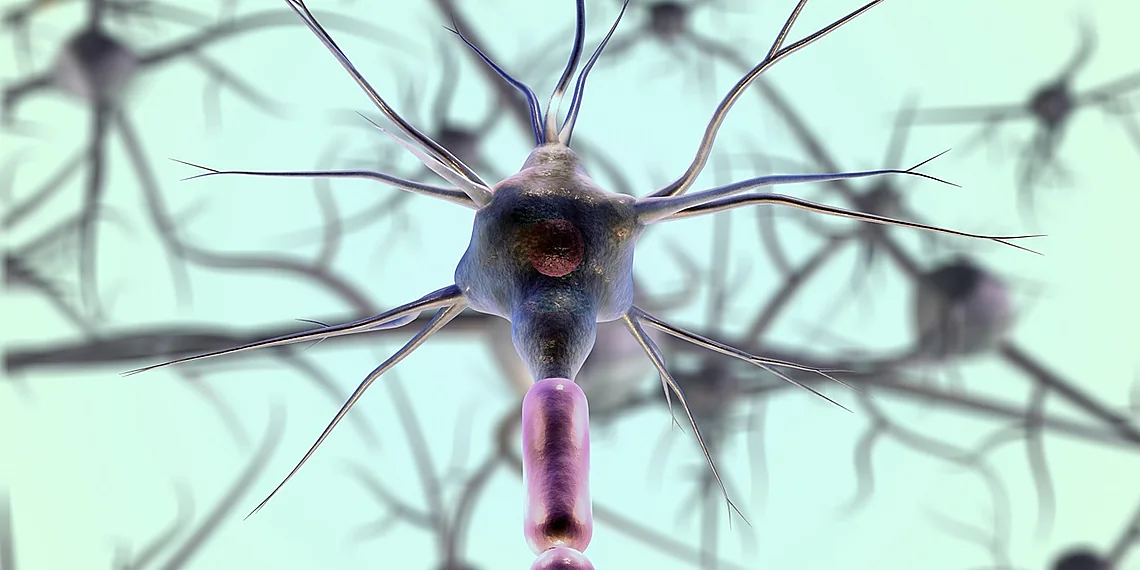
When we inhale, odor molecules travel through our nasal passages and dissolve in a mucous layer at the top of the nose. Here, they encounter specialized sensory neurons called olfactory receptor neurons (ORNs). Each ORN expresses only one type of olfactory receptor protein from a repertoire of hundreds available. These receptors bind to specific odorants – or combinations of odorants – much like a lock and key. A single odorant can activate multiple types of ORNs, while a single ORN can respond to several different odorants, albeit with varying degrees of sensitivity.
The crucial element in scent identification is the ‘combinatorial code.’ Instead of one receptor being solely responsible for detecting, say, bananas, the brain interprets the pattern of activity across many different ORNs. A banana’s aroma might strongly activate ORN type A and moderately activate ORN type B, while leaving ORN type C largely untouched. This unique combination – this ‘signature’ – is what the brain recognizes as ‘banana.’ The complexity arises because thousands of different odorant combinations can produce subtly different patterns of activation.
After an ORN detects a scent, it transmits an electrical signal to the olfactory bulb in the brain. The olfactory bulb then processes these signals, further refining the information and sending it to higher brain regions for interpretation and association with memories or emotions. This intricate system demonstrates how our sense of smell isn’t about individual receptors recognizing single molecules, but rather a sophisticated computational process based on patterns of neural activity.
The Breakthrough: Rewiring with Protein Manipulation
A landmark study published in Nature has achieved what was once considered firmly within the realm of science fiction: researchers have successfully ‘rewired’ an olfactory circuit, effectively changing how a fruit fly perceives smell. The core breakthrough lies in their ability to manipulate the combinations of proteins displayed on the surface of olfactory sensory neurons. Instead of directly altering the receptors themselves – the molecules that bind to odorants – they focused on controlling which receptors are *presented* to those odorants, creating entirely new associations between smells and neural responses.
The experimental approach involved systematically tweaking how these neuron surfaces were built. Imagine a Lego set where you’re not changing the bricks (the receptors) but rather deciding which ones get assembled onto each structure (the neurons). Researchers used genetic tools to alter the expression of various cell-surface proteins, essentially swapping out combinations that naturally occur. This wasn’t about adding entirely new receptors; it was about strategically rearranging the existing toolkit to create novel connections. The surprising result? These seemingly small alterations led to dramatic shifts in how the flies responded to odors – a fly trained to avoid one smell might suddenly be attracted to it, and vice versa.
What makes this particularly significant is that the rewiring wasn’t predictable. While researchers could influence the general direction of change, the exact outcomes were often unexpected, highlighting the complex interplay between these surface proteins and the overall circuit function. This underscores a crucial point: olfactory circuits aren’t simply wired based on individual receptors; they rely on intricate combinations and interactions that are far more nuanced than previously understood. The ability to predictably control these interactions represents a major leap forward.
The implications of this work extend far beyond fruit flies, potentially offering new avenues for understanding and manipulating sensory systems in other organisms, including humans. While practical applications like targeted drug delivery or even artificial scent creation remain distant possibilities, the study’s demonstration of controlled circuit rewiring provides a powerful proof-of-concept and opens exciting new frontiers for bioengineering research centered around understanding – and ultimately influencing – olfactory circuits.
Altering Cell Surface Combinations

Researchers have achieved a remarkable feat by directly manipulating the protein makeup on the surface of olfactory neurons, effectively ‘rewiring’ how these cells respond to odors. Traditionally, each olfactory neuron expresses a unique combination of odorant receptors – proteins that bind to specific scent molecules and trigger a signal to the brain. The team employed a novel technique to alter this combinatorial code, systematically changing which receptors were present on individual neurons. This was accomplished by precisely controlling the expression levels of these receptor genes within the cells, allowing them to swap out or add new receptors as needed.
The initial expectation was that altering receptor combinations would simply shift odor preferences – for example, a neuron previously sensitive to vanilla might become responsive to lemon. However, the results were far more complex and unexpected. The researchers observed cascading effects throughout the olfactory circuit; changing one neuron’s receptor profile didn’t just affect its response but subtly altered the behavior of neighboring neurons as well. This suggests a level of interconnectedness and feedback within the olfactory system that was previously underestimated.
This breakthrough has profound implications for our understanding of how the brain processes sensory information and opens doors to potential bioengineering applications. By demonstrating the ability to reprogram olfactory circuits, scientists can now explore ways to engineer new sensing capabilities or even correct deficits in smell perception. Furthermore, the observed network-level effects highlight the importance of considering circuit dynamics when manipulating biological systems – a lesson that could inform future developments in AI and machine learning inspired by biological architectures.
Why This Matters: Potential Applications
The ability to rewire olfactory circuits, as demonstrated in this groundbreaking research, unlocks a surprisingly wide array of potential applications extending far beyond basic neuroscience. Imagine bioengineered systems capable of detecting minute traces of pollutants in the environment – early warning systems for air quality or water contamination, vastly more sensitive than current technology. This isn’t just about replicating existing animal senses; it’s about creating entirely new sensory capabilities tailored to specific needs through precise manipulation of these biological circuits.
Beyond environmental sensing, this understanding holds immense promise for therapeutic interventions targeting smell disorders like anosmia (loss of smell) or hyposmia (reduced sense of smell). By identifying and potentially correcting the disrupted cell-surface code responsible for olfactory dysfunction, we could develop targeted therapies to restore lost senses – a significant improvement over current treatment options which are often limited. The precise control offered by rewiring these circuits could also pave the way for novel approaches to treating neurological conditions with olfactory components.
Furthermore, consider the implications for synthetic biology and even AI-driven scent design. As we decode the underlying principles governing how different scents trigger specific neuronal responses within olfactory circuits, we can begin to build models that predict and potentially synthesize entirely new fragrances or aromas. Imagine designers using AI algorithms informed by this biological data to create personalized scents, optimized for emotional response or therapeutic benefit – a future where fragrance is not just an art form but also a scientifically engineered experience.
Ultimately, the ability to manipulate olfactory circuits represents a foundational step towards a more sophisticated understanding of sensory processing and opens doors for innovation across multiple disciplines. From developing advanced biosensors to engineering personalized therapies and even crafting novel scent experiences, the potential impact of this research is profound and promises to reshape our interaction with the world around us.
Beyond Basic Research: Future Possibilities
The ability to precisely manipulate olfactory circuits, as demonstrated in this recent breakthrough, opens exciting avenues for creating artificial olfactory systems with unprecedented sensitivity and specificity. Imagine environmental monitoring devices capable of detecting minute traces of pollutants or explosives, far exceeding the capabilities of current technology. Such systems could revolutionize safety protocols across industries, from manufacturing and security to disaster relief efforts.
Beyond environmental applications, a deeper understanding of how these circuits function offers hope for developing targeted therapies for smell disorders like anosmia (loss of smell) and hyposmia (reduced sense of smell). By identifying the precise mechanisms underlying olfactory dysfunction and potentially ‘rewiring’ damaged or non-functional circuits, researchers could restore lost senses and improve quality of life for millions affected by these conditions. Early research is focusing on personalized therapies tailored to individual genetic predispositions.
Looking further ahead, this knowledge base provides a foundation for AI-driven scent design. If we can fully decode the relationship between molecular structure and perceived odor through detailed analysis of olfactory circuits, algorithms could be developed to predict and even create entirely new scents with desired properties – perhaps fragrances that evoke specific emotional responses or aromas designed to enhance cognitive function. While still speculative, this represents a compelling long-term possibility fueled by these recent advances.
Challenges & Future Directions
While the ability to rewire olfactory circuits by manipulating cell-surface combinatorial codes represents a monumental leap in our understanding of biological systems, significant challenges remain before this technology can be practically applied. The current research, while groundbreaking, primarily focuses on relatively simple circuit modifications within controlled laboratory settings. Scaling up these techniques to more complex and naturally occurring olfactory landscapes – think the intricate network that allows us to distinguish thousands of different scents – presents a formidable hurdle. Furthermore, our understanding of the long-term consequences of such interventions is still nascent; we need comprehensive investigations into potential unintended effects on neuronal health, circuit stability, and even broader behavioral patterns.
A key area for future research will be focused on developing more precise and targeted methods for altering cell-surface codes. The current approach relies on sophisticated genetic tools, which are not easily accessible or adaptable for widespread use. Developing simpler, perhaps even bioengineered, delivery systems would significantly broaden the potential applications of this technology. Beyond simply rewiring existing circuits, researchers will also need to decipher the underlying rules that govern olfactory code formation and maintenance – effectively understanding *how* these circuits naturally organize themselves is crucial for reliable manipulation.
The intersection of AI and machine learning offers a promising avenue for addressing some of these challenges. Machine learning algorithms could be trained on vast datasets of neuronal activity to predict the consequences of specific circuit modifications, allowing researchers to design rewiring strategies with greater precision and anticipate potential side effects. Computational modeling will also play a vital role in simulating complex olfactory landscapes and testing hypotheses about how different circuit configurations impact perception and behavior – essentially creating virtual noses to explore the possibilities.
Ultimately, translating this breakthrough into tangible benefits for society requires careful consideration of ethical implications alongside scientific advancement. While applications like restoring lost sense of smell or even engineering novel sensory experiences are tantalizing, ensuring responsible development and deployment is paramount. Future research must prioritize safety testing and long-term monitoring to fully realize the potential of rewiring olfactory circuits while mitigating any unforeseen risks.
What’s Next in Olfactory Research?
While the ability to rewire olfactory circuits represents a monumental achievement, translating this breakthrough into practical applications faces considerable challenges. Scaling up the techniques used to precisely manipulate individual neuron connections is currently a major hurdle. The intricate process of altering cell-surface combinatorial codes requires extremely high precision and control, making it difficult to replicate on a larger scale necessary for therapeutic interventions or widespread sensory modification. Furthermore, ensuring the long-term stability and reliability of these rewired circuits will be critical for any future applications.
Safety is another paramount concern that demands rigorous investigation. The potential for unintended consequences when manipulating such fundamental biological systems is significant. Understanding how altered olfactory circuits interact with other brain regions and physiological processes requires extensive preclinical studies to rule out adverse effects like immune responses, neurological complications, or behavioral changes. A thorough assessment of the ethical implications surrounding sensory modification will also be essential before considering human applications.
Future research endeavors are likely to focus on several key areas. Scientists will need to develop more efficient and less invasive methods for targeting olfactory circuits with greater precision. Investigating the long-term effects of circuit rewiring – including potential degradation, adaptation, or unintended plasticity – is also crucial. Finally, exploring how these techniques can be integrated with artificial intelligence and machine learning tools to create even more sophisticated sensory interfaces represents an exciting avenue for future exploration.
The journey through understanding how we perceive scent has revealed a landscape far more complex and fascinating than previously imagined, highlighting the incredible plasticity within our brains and noses alike. We’ve seen remarkable progress in mapping and manipulating these intricate systems, moving beyond simple odor detection to nuanced interpretations of fragrance – ultimately demonstrating the profound impact even subtle changes can have on behavior and memory. A deeper dive into how olfactory circuits function offers a window not just into smell itself, but also potentially into broader neurological processes influencing emotion and cognition. The ability to precisely target and modify these neural pathways opens unprecedented avenues for therapeutic interventions, from treating anosmia to developing novel approaches for managing conditions like PTSD and depression. This research signifies more than just decoding the ‘what’ of scent; it’s about unlocking the ‘how’ and ‘why,’ paving the way for innovations we can scarcely conceive today. The future holds incredible promise as researchers continue to refine their techniques and build upon these foundational discoveries, potentially leading to personalized sensory experiences or even bioengineered solutions for environmental monitoring. We invite you to delve further into this captivating field – explore the cited research and consider what possibilities lie ahead in olfactory technology and its impact on our lives; share your own perspectives and predictions about the future of scent perception with us in the comments below.
We’re eager to hear your thoughts! What applications of this knowledge excite you most?
Continue reading on ByteTrending:
Discover more tech insights on ByteTrending ByteTrending.
Discover more from ByteTrending
Subscribe to get the latest posts sent to your email.