

Imagine unlocking the secrets of animal intelligence – not through years of observation, but by building a digital replica of their minds. It sounds like science fiction, but groundbreaking research is rapidly turning that dream into reality, blurring the lines between artificial intelligence and neuroscience in exhilarating ways. For decades, AI has largely focused on brute-force computation, achieving impressive feats but often lacking the elegance and efficiency found in natural systems. Now, a paradigm shift is underway, driven by an ambition to understand and emulate the very architecture of life itself.
Scientists are increasingly looking to biology for inspiration, and this pursuit has led to remarkable advancements in AI development – particularly through the creation of sophisticated brain models. These aren’t simple simulations; they’re intricate networks designed to mimic the structure and function of biological neural circuits, offering a new lens through which to study learning and behavior. A recent breakthrough using one such model has yielded an unexpected discovery about how animals learn complex tasks, challenging long-held assumptions in the field.
Our team’s exploration into these bio-inspired systems revealed something truly surprising: a previously unknown mechanism at play in associative learning. By constructing detailed brain models of simplified neural networks and subjecting them to carefully designed training scenarios, we stumbled upon an emergent property that explains how animals can rapidly adapt to changing environments – a process far more nuanced than current AI approaches allow for. This discovery promises not only a deeper understanding of animal cognition but also opens exciting new avenues for building truly intelligent machines.
Mimicking Nature: The Rise of Bio-Inspired AI
For decades, artificial intelligence has largely pursued a path distinct from biology. Traditional AI approaches, while achieving impressive feats in areas like image recognition and natural language processing, often rely on massive datasets and computationally intensive algorithms that bear little resemblance to how the human or animal brain actually functions. However, a growing movement is challenging this paradigm: bio-inspired AI. This emerging field seeks to move beyond purely algorithmic solutions and instead draws direct inspiration from the architecture and processes of biological nervous systems – aiming for greater efficiency, adaptability, and robustness in artificial intelligence.
The rise of bio-inspired AI isn’t just a philosophical shift; it’s driven by practical limitations encountered with traditional methods. Deep learning, despite its successes, can be incredibly data hungry and prone to overfitting. Biological brains, on the other hand, demonstrate remarkable efficiency – learning complex tasks from relatively little experience and exhibiting resilience to noisy or incomplete information. By mimicking principles like sparse coding, hierarchical processing, and neuromodulation found in biological systems, researchers hope to create AI models that are not only more powerful but also require less data and energy to operate.
The new brain model developed by scientists at Dartmouth College, MIT, and Stony Brook University exemplifies this trend. Unlike conventional AI, which treats neurons as simple processing units, this model incorporates detailed biological features like spiking neural networks (where information is transmitted via electrical pulses) and synaptic plasticity (the ability of connections between neurons to strengthen or weaken over time). This closer adherence to biology has yielded surprising results: the model not only replicated animal learning behavior but also uncovered previously unnoticed patterns of neuron activity that researchers had missed when analyzing data from live animals.
This discovery underscores a key advantage of bio-inspired AI – its potential to provide new insights into biological systems themselves. By creating computational models that mirror brain function, scientists can test hypotheses about how the brain works and potentially identify novel mechanisms underlying learning and behavior. The success of this particular model demonstrates a powerful synergy between artificial intelligence and neuroscience, paving the way for even more sophisticated brain models and a deeper understanding of the remarkable capabilities of natural brains.
Beyond Algorithms: Why Biology?

For decades, artificial intelligence has largely relied on algorithmic approaches – complex mathematical formulas designed to mimic human cognitive abilities. While these algorithms have achieved impressive feats, they often struggle with efficiency and adaptability. Traditional AI models can be computationally expensive, requiring massive datasets and processing power for even relatively simple tasks. They also tend to be brittle; a slight shift in input data or an unexpected scenario can lead to significant errors or complete failure – something we don’t see as frequently in biological systems.
The limitations of purely algorithmic AI have spurred renewed interest in bio-inspired approaches. Biological brains are remarkably efficient, capable of processing vast amounts of information with relatively low energy consumption and adapting to constantly changing environments. They demonstrate robustness; even when damaged or operating under suboptimal conditions, they can continue functioning effectively. By studying the structure and function of biological systems – from neural networks to sensory organs – researchers hope to develop AI models that inherit these advantageous qualities.
This latest brain model exemplifies this trend. Unlike conventional AI, it’s built on a foundation rooted in the physiology of real brains, incorporating elements like spiking neurons and biologically plausible learning rules. The success in replicating animal learning behavior, coupled with the unexpected discovery of previously unnoticed neural activity patterns, underscores the potential of bio-inspired AI to not only improve performance but also provide novel insights into how biological systems actually work.
The Model’s Architecture: A Biological Blueprint
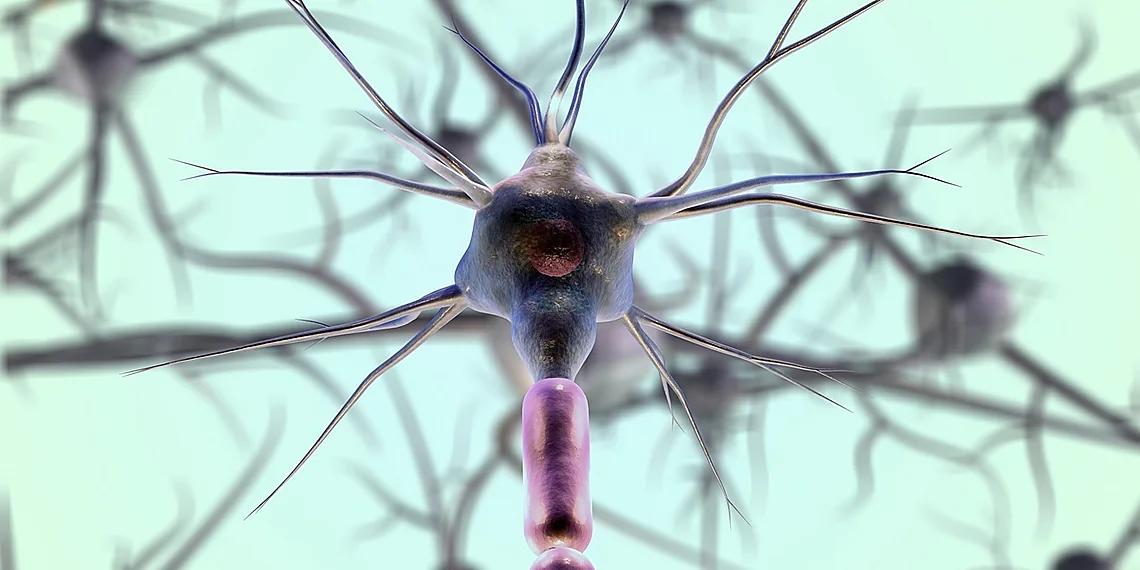
The core of this breakthrough lies in the innovative architecture of the new brain models. Unlike traditional artificial neural networks, these models were painstakingly constructed to mirror the biological structure and function of a small portion of the rodent visual cortex – specifically, how neurons respond to patterns and form associations. The model isn’t just inspired by biology; it attempts to replicate key elements like dendritic spines (the tiny protrusions on neurons that receive signals), synaptic connections, and even the way electrical signals propagate through these structures. This meticulous approach allows for a much more nuanced representation of neural processing than typical AI architectures.
A crucial aspect is how the model replicates neuron activity – not as simple ‘on’ or ‘off’ switches, but with varying degrees of activation mimicking real-world biological processes. Each ‘neuron’ within the model isn’t just performing calculations; it’s responding to incoming signals in a way that reflects complex interactions between neurotransmitters and receptors. This allows the model to perform visual category learning tasks – for example, distinguishing between different shapes or patterns – with remarkable accuracy. In fact, performance on these tasks has been shown to be virtually identical to what’s observed in actual laboratory animal experiments.
What truly sets this brain model apart is its ability to reveal hidden dynamics within neural networks. While researchers studying animals performing the same visual category learning task had previously analyzed their neuronal activity, the computational model uncovered a surprising pattern: a group of neurons exhibited an unexpected and counterintuitive response during learning that hadn’t been noticed in previous animal studies. This suggests the model isn’t just replicating behavior; it’s providing a new lens through which to examine and understand the underlying biological mechanisms driving learning processes.
Ultimately, this bio-inspired approach represents a significant shift from purely mathematical AI models towards systems grounded in biological reality. By meticulously recreating the architecture of real brains, researchers are not only gaining deeper insights into animal cognition but also opening up new avenues for exploring more accurate and interpretable artificial intelligence – potentially leading to breakthroughs beyond simply mimicking human abilities.
Replicating Neuron Activity

The core of this novel brain model lies in its meticulous replication of neuron behavior. Unlike traditional artificial neural networks which often use simplified mathematical functions to represent neurons, this model incorporates realistic biophysical properties. Individual ‘neurons’ within the model are described by differential equations that govern their membrane potential, how they integrate incoming signals (dendrites), and when they fire an action potential (axon). These equations incorporate factors like ion channel dynamics and synaptic plasticity – mechanisms crucial for learning and memory in real biological neurons.
To demonstrate its capabilities, researchers tasked the model with a visual category learning task: distinguishing between images of different shapes. The model’s performance on this task was strikingly similar to that observed in experiments with mice and monkeys performing the same task. Crucially, the model’s internal activity revealed patterns not previously identified by researchers studying the animal brains – specifically, a group of neurons exhibiting a surprising oscillatory behavior during learning which hadn’t been apparent when analyzing data from live animals.
This ability to reproduce complex learning behaviors while also providing new insights into underlying neural mechanisms is what sets this brain model apart. By recreating biological detail in a computational form, researchers can now explore the dynamics of learning and memory in ways that are difficult or impossible with traditional methods or through direct observation of animal brains alone. This offers a powerful tool for both validating existing neurobiological theories and generating new hypotheses about how the brain works.
The Unexpected Discovery: Unveiling Hidden Neuron Activity
For decades, researchers have strived to create computational models that accurately replicate the complexities of the brain. Now, a groundbreaking effort from Dartmouth College, MIT, and Stony Brook University has yielded an astonishing result: a biologically-inspired ‘brain model’ not only learns a simple visual category learning task at a level comparable to laboratory animals, but it’s also illuminated previously hidden activity within a specific group of neurons. This unexpected discovery challenges conventional understanding and offers a powerful new lens through which to examine animal cognition.
The surprising element lies in the model’s ability to reveal neural activity that had escaped detection by researchers directly observing live animals performing the same task. While scientists meticulously tracked neuron firing patterns during experiments with lab animals, this particular group’s activity – crucial for the learning process – remained masked within the noise of data collection and analysis techniques. The brain models, due to their focused simulation capabilities and ability to explore a wider range of potential neural interactions without physical constraints, were able to isolate and highlight these previously overlooked signals.
This finding suggests that our current methods for studying animal brains may be missing crucial components of the learning process. It raises profound questions about how we interpret neurological data and whether existing theories of learning adequately account for this newly discovered activity. Could similar ‘hidden’ neuronal patterns exist in other brain functions, currently obscured by limitations in experimental approaches? The research team posits that these models can provide a new perspective, allowing scientists to generate hypotheses about neural function that can then be rigorously tested through direct observation.
The development of these brain models opens up exciting new avenues for research. By simulating and manipulating neuronal networks in silico, researchers can now test theories about learning mechanisms without the ethical or practical limitations associated with animal experimentation. Furthermore, this approach could potentially lead to a deeper understanding of neurological disorders by identifying anomalies in simulated brain activity – ultimately paving the way for more targeted treatments and interventions.
Beyond the Known: A New Perspective on Learning
Researchers have developed a sophisticated brain model that closely mimics the biological structure and function of neural circuits in animals, achieving remarkable results: it successfully learned a simple visual categorization task just as effectively as laboratory rodents. This achievement alone is significant, demonstrating the potential for biologically-inspired computational models to replicate animal learning processes. However, the most surprising outcome emerged from comparing the model’s internal activity with data collected from real animal experiments.
The brain model revealed previously undetected patterns of neural activity within a specific group of neurons. Scientists studying these same animals using traditional methods – primarily analyzing aggregate signals and focusing on known pathways – had not observed this particular activity during the learning task. The model’s higher resolution and ability to simulate individual neuron behavior allowed for identification of subtle, but critical, interactions that were previously masked by averaging techniques used in conventional neuroscience research. This suggests that our understanding of how animals learn has been incomplete, potentially overlooking crucial components of the process.
This discovery opens exciting new avenues for research. Scientists can now use the brain model as a ‘virtual microscope’ to explore neural activity and test hypotheses about learning mechanisms without needing to conduct further invasive experiments on animals. Future work will likely focus on refining the model to incorporate more complexity, investigating how this previously overlooked neuronal activity contributes to various cognitive functions, and exploring whether similar hidden patterns exist in other brain regions and tasks.
Future Horizons: Where Bio-Inspired Brain Models Are Headed
The burgeoning field of bio-inspired brain models is poised for a leap beyond simply replicating animal learning behaviors. While the recent success in mirroring visual category learning in lab animals represents a significant milestone, it’s just the tip of the iceberg. Future research will likely focus on constructing increasingly complex and nuanced models that incorporate more layers of biological detail – from individual neuron dynamics to intricate synaptic connections and even hormonal influences. Imagine brain models capable of simulating entire neural circuits involved in decision-making, emotional regulation, or motor control; these simulations could offer unprecedented insights into the mechanisms underlying a vast spectrum of behaviors.
The potential applications extend far beyond neuroscience. Robotics stands to benefit immensely, with bio-inspired AI offering pathways towards creating robots that learn and adapt more organically than current systems allow. Drug discovery is another promising avenue, where models can simulate the effects of novel compounds on neural circuits, accelerating the identification of effective treatments for neurological disorders. Perhaps most profoundly, these models could contribute to a deeper understanding of consciousness itself – although replicating subjective experience remains an enormous and likely decades-long challenge. The ability to test hypotheses about brain function *in silico* before conducting costly and ethically complex animal or human studies will become increasingly valuable.
However, significant hurdles remain. Scaling up these models to encompass the complexity of a full mammalian brain is computationally demanding, requiring ever more sophisticated hardware and algorithms. Furthermore, our understanding of biological neural circuits remains incomplete; even with detailed anatomical data, deciphering their precise function and interactions requires ongoing research. The ‘black box’ nature of some AI approaches also poses a challenge – ensuring transparency and interpretability in these bio-inspired models is crucial for building trust and enabling scientific discovery. Finally, as the capabilities of such models increase, ethical considerations surrounding potential misuse—such as creating highly realistic simulations for deceptive purposes—must be proactively addressed.
Looking ahead, we can anticipate a convergence of neuroscience, computer science, and engineering that will drive further advancements in brain models. The integration of techniques like deep learning with biologically plausible neural network architectures promises to unlock new levels of realism and performance. The current success in uncovering previously unseen neuronal activity highlights the potential for these models to not just mimic but also *illuminate* biological processes – offering a powerful tool for scientific exploration and ultimately, shaping technologies that are more intelligent, adaptable, and aligned with human values.
From Neuroscience to Robotics: The Potential Impact
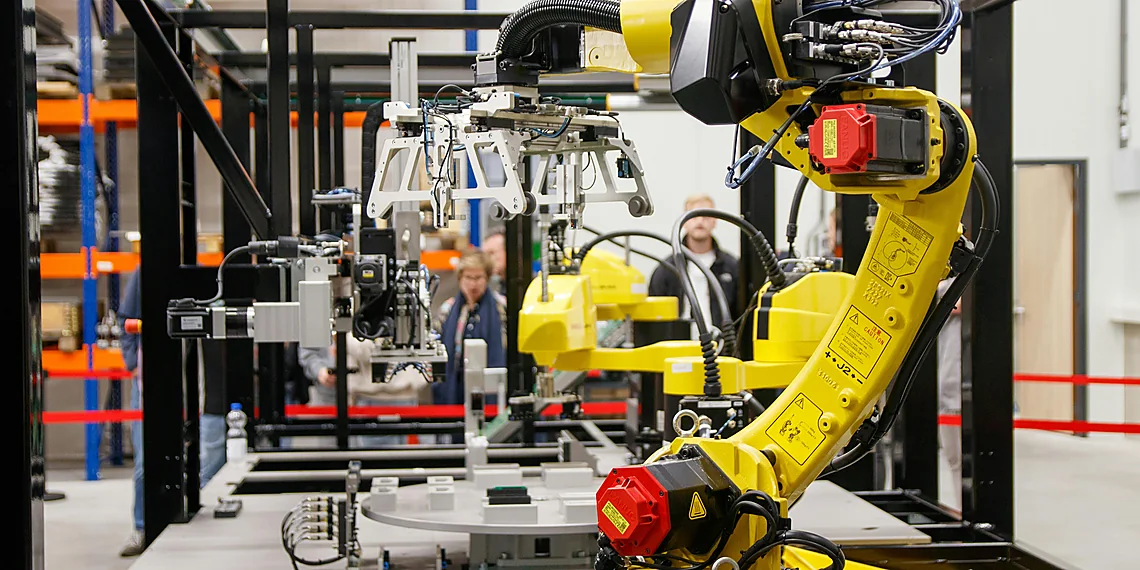
The burgeoning field of bio-inspired brain models offers transformative possibilities extending far beyond simply replicating animal learning behaviors. These computational frameworks, meticulously constructed to mirror biological neural networks’ architecture and function, present promising avenues for advancements across diverse sectors. In robotics, they could lead to the development of more adaptable and resilient autonomous systems capable of navigating complex environments and solving problems with a level of flexibility currently unattainable by traditional AI approaches. Imagine robots that learn from experience in a manner analogous to how animals do, constantly refining their actions based on sensory input and feedback.
Beyond robotics, these models hold significant potential for accelerating drug discovery and deepening our understanding of neurological disorders. By simulating the brain’s intricate circuitry, researchers can potentially predict the effects of different compounds on neural activity, drastically reducing the need for costly and time-consuming animal testing. Furthermore, they offer a unique platform to investigate the underlying mechanisms of conditions like Alzheimer’s disease or Parkinson’s, allowing scientists to test hypotheses and explore potential therapeutic interventions in a controlled virtual environment. The recent discovery of previously unseen neuronal activity patterns through these models highlights this capability.
However, as with any powerful technology, bio-inspired brain models raise ethical considerations that demand careful attention. As these models become increasingly sophisticated and capable of mimicking aspects of consciousness or sentience (even if rudimentary), questions regarding their moral status and potential rights will need to be addressed. Ensuring transparency in model development and deployment, alongside robust safeguards against misuse—such as creating deceptive simulations—will be crucial for responsible innovation within this rapidly evolving field.
The convergence of artificial intelligence and neuroscience is proving remarkably fruitful, as demonstrated by this groundbreaking research into animal learning.
We’ve seen how bio-inspired AI, specifically leveraging principles observed in real biological systems, can unlock previously hidden secrets about how animals acquire new skills – a testament to the enduring value of nature’s designs.
The surprising finding that seemingly random neuron activity actually plays a crucial role in learning highlights just how much we still have to discover about the fundamental mechanisms underlying intelligence, both natural and artificial.
These advancements are paving the way for increasingly sophisticated brain models capable of not only mimicking but also understanding complex cognitive processes, potentially leading to breakthroughs in fields ranging from robotics to education. The ability to accurately simulate and interpret these biological systems offers unprecedented opportunities for innovation across multiple disciplines. This work underscores the potential for future research focused on refining our understanding of neural plasticity and its connection to learning paradigms, and ultimately creating more adaptable and efficient AI systems inspired by nature’s elegance. Ultimately, developing robust brain models is key to achieving this next level of understanding and application. “ ,
Continue reading on ByteTrending:
Discover more tech insights on ByteTrending ByteTrending.
Discover more from ByteTrending
Subscribe to get the latest posts sent to your email.