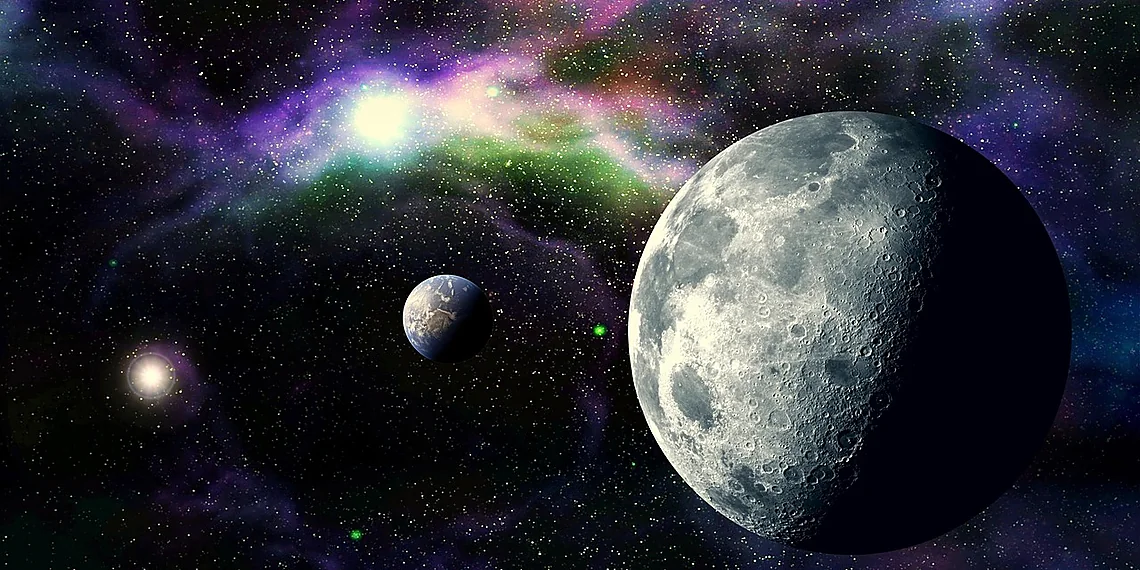

For decades, scientists have meticulously searched for signs of life beyond our solar system, focusing intently on planets orbiting distant stars – a field known as exoplanet research. The prevailing theory suggested that water, essential for life as we know it, had to be delivered to these worlds via asteroids or comets during planetary formation; a sort of cosmic delivery service, if you will. But what if that assumption was fundamentally flawed? What if some planets aren’t passively receiving this vital ingredient but are actively creating it themselves?
A revolutionary discovery is shaking the foundations of our understanding of exoplanet habitability. Recent research indicates that certain exoplanets possess the capability to generate their own water through geochemical processes within their interiors, a phenomenon previously considered highly improbable. This challenges the traditional ‘water delivery’ model and opens up entirely new avenues for identifying potentially habitable worlds.
The implications are profound; if planets can self-create exoplanet water, it drastically expands the potential pool of candidates in our search for extraterrestrial life. It suggests that even planets previously deemed inhospitable might harbor conditions suitable for biological activity, broadening our perspective on where and how we might find evidence of life beyond Earth. This shift represents a paradigm change in astrobiology and promises an exciting future filled with new discoveries.
The Traditional Water Delivery Theory
For decades, the prevailing scientific understanding of how exoplanets obtain their water – that precious ingredient for life as we know it – has centered on a ‘delivery’ model. The long-held belief was that these distant worlds primarily acquired their water through impacts from icy asteroids and comets originating in the outer reaches of planetary systems. Imagine a cosmic conveyor belt, ferrying frozen volatiles across vast distances to rain down upon forming planets. This theory neatly explained how Earth itself likely got its water; remnants from early solar system objects bombarded our planet during its formation.
The asteroid and comet delivery hypothesis isn’t without its limitations, however. It hinges on a rather specific set of orbital conditions. For icy bodies to successfully deliver their water cargo, they need to be nudged inward towards the forming planet – a process that requires complex gravitational interactions with gas giants or other planetary influences. Furthermore, this model struggles to account for exoplanets orbiting far from their stars, where icy objects are less common and the required orbital adjustments become increasingly improbable. The sheer number of observed exoplanets, many in locations seemingly incompatible with frequent asteroid impacts, began to challenge this established narrative.
Scientists also realized that the composition of asteroids and comets isn’t uniform; some are drier than others. Simply put, relying solely on these external sources meant that a planet’s water content was subject to a degree of randomness – dependent on the specific population of icy bodies available in its region of space. This raised questions about whether planets could consistently accumulate sufficient water for habitability using this method alone. The reliance on ‘lucky’ impacts also implied a less predictable and potentially rarer occurrence of habitable worlds than many scientists hoped.
Ultimately, while asteroid and comet impacts undoubtedly contributed to the water content of some planets, it became increasingly apparent that a more versatile mechanism might be at play – one capable of generating water internally within exoplanets themselves. The recent discovery, as detailed in this article, suggests just such a process is possible, opening up exciting new avenues for understanding how common habitable worlds may truly be.
Asteroid & Comet Origins
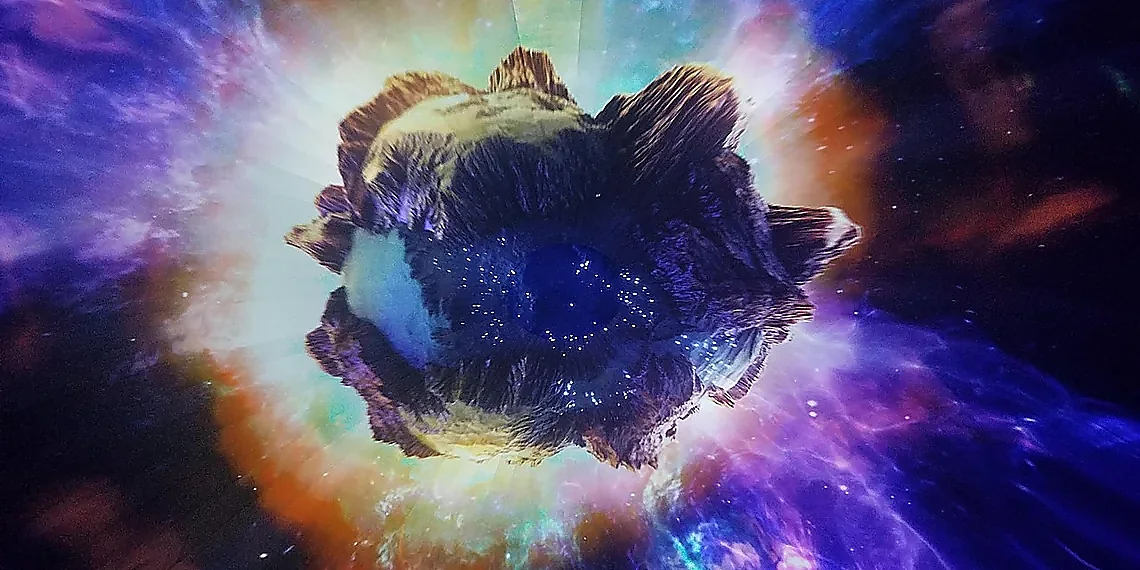
For decades, the prevailing theory for how planets – including those beyond our solar system (exoplanets) – obtained their water was through impacts from icy bodies. Scientists reasoned that during planetary formation, leftover material in a protoplanetary disk often coalesced into asteroids and comets, which are essentially ‘dirty snowballs’ composed of ice, rock, and dust. These objects would then bombard newly formed planets, delivering significant amounts of water to their surfaces.
This delivery mechanism seemed plausible based on the composition of our own solar system; isotopic analysis of water in Earth’s oceans closely resembles the composition found in comets originating from the outer regions of the early solar system. Computer simulations and observations supported this idea, suggesting that impacts could have been a crucial step in transforming dry, rocky planets into potentially habitable worlds with liquid water.
However, the ‘asteroid/comet delivery’ theory isn’t without its limitations. It requires very specific orbital conditions for these icy bodies to be accurately directed towards a forming planet; too many might miss entirely or cause catastrophic impacts. Furthermore, it struggles to explain the presence of water on exoplanets that orbit far from their stars where icy bodies are less common, and also doesn’t account for differences in isotopic ratios observed on some exoplanets which don’t match known comet compositions.
The Crust-Atmosphere Reaction Revelation
For years, scientists believed that exoplanet water primarily arrived via external delivery – think icy asteroids and comets bombarding newly formed worlds. But groundbreaking new research is challenging this long-held assumption. A surprising discovery reveals that certain types of exoplanets, specifically those classified as ‘sub-Neptunes,’ possess the remarkable ability to generate their own water through a fascinating interaction between their crust and atmosphere – a process scientists are calling a ‘crust-atmosphere reaction.’ This changes our understanding of how habitable conditions might arise on planets far beyond our solar system.
The key lies in a surprisingly simple, yet powerful chemical reaction. Sub-Neptunes, characterized by thick hydrogen atmospheres, often have silicate rock forming their crusts – similar to the composition of Earth’s mantle. The process begins when hydrogen gas from the atmosphere reacts directly with these silicate minerals. Imagine it like this: hydrogen atoms, readily available in the planet’s upper layers, essentially ‘steal’ oxygen atoms bound within the silicates. This reaction isn’t explosive; rather, it’s a gradual chemical transformation that forms water molecules (H₂O). While complex chemistry is at play, the core concept is straightforward – atmospheric hydrogen + crustal silicates = water.
This self-creation of water has profound implications for habitability assessments. Sub-Neptunes were previously considered unlikely candidates for harboring life due to their size and composition. However, if a significant portion of these planets can generate water through this crust-atmosphere reaction, it dramatically increases the possibility that they could possess liquid water oceans beneath their hydrogen atmospheres – a crucial ingredient for life as we know it. The amount of water produced depends on several factors including atmospheric pressure, temperature, and the composition of the crustal rocks, making each exoplanet’s potential unique.
Researchers conducted laboratory experiments mimicking conditions found on these distant worlds to confirm this process. These simulations demonstrate that even relatively small amounts of hydrogen interacting with silicates can produce a substantial amount of water over geological timescales. This discovery opens up exciting new avenues for exoplanet research, prompting scientists to re-evaluate the potential for habitability across a much wider range of planetary environments and pushing us closer to answering the age-old question: are we alone?
Hydrogen & Silicate Interactions

The groundbreaking research centers on a previously overlooked process: the direct creation of water within a planet’s own crust. While we often think of planets getting water delivered by asteroids or comets, this new discovery demonstrates that certain exoplanets – specifically those categorized as ‘sub-Neptunes,’ gas giants smaller than Neptune – can actually synthesize water through chemical reactions occurring between their atmosphere and the rocky minerals making up their crust.
The key to this process involves hydrogen, a common component of sub-Neptune atmospheres. These planets are often rich in hydrogen due to their formation conditions. This atmospheric hydrogen reacts with silicate minerals—the most abundant type of mineral found in planetary crusts – through a relatively simple chemical reaction. Essentially, hydrogen atoms combine with oxygen atoms already present within the silicates’ structure, forming water (H₂O). Think of it like pulling oxygen from the rocks and combining it directly with the atmospheric hydrogen.
Don’t worry; we aren’t talking about complicated equations! The reaction isn’t explosive or instantaneous. It’s a gradual process occurring at temperatures typically found within a planet’s crust – around 300-600 degrees Celsius (572-1112 Fahrenheit). The efficiency of this water creation depends on factors like the density of the atmosphere, the mineral composition of the crust, and the overall temperature profile of the exoplanet. This discovery significantly broadens our understanding of how habitable conditions might arise on planets far beyond our solar system.
Implications for Habitability
The discovery that exoplanet water can be generated internally fundamentally alters our understanding of habitability beyond Earth. For years, scientists have largely assumed that water on exoplanets arrived via external sources – icy asteroids and comets bombarding planetary surfaces. This new research challenges that assumption, demonstrating a plausible mechanism for water creation within the planet itself. The implications are enormous; it significantly expands the range of celestial bodies we might consider potentially habitable.
This process is particularly impactful when considering ‘sub-Neptune’ exoplanets—a common type of world orbiting other stars. These planets, often larger than Earth but smaller than Neptune and possessing thick hydrogen atmospheres, were previously considered unlikely candidates for life due to their harsh conditions. However, the interaction between hydrogen gas and silicate minerals within these planets’ interiors can generate water through chemical reactions. This internally produced water could accumulate over time, potentially transforming a dry, inhospitable sub-Neptune into a ‘water world’ with a more temperate surface.
The possibility of widespread water worlds arising from this internal generation mechanism dramatically increases the number of planets in our galaxy that *could* support life. It suggests that even planets previously dismissed as uninhabitable might harbor liquid water, and therefore, the potential for biological activity. While challenges remain – such as the atmospheric composition and stability of these transformed planets – this discovery provides a compelling new avenue for exploring exoplanet habitability and refining our search strategies.
Ultimately, this research encourages us to rethink what constitutes a ‘habitable zone’ and broaden our perspective on where life might exist. Instead of solely focusing on planets receiving a certain amount of stellar radiation, we must also consider the internal processes that can shape planetary environments and create conditions conducive to liquid water – the universal solvent for life as we know it.
Sub-Neptunes & Water Worlds
The recent discovery has significant implications for ‘sub-Neptune’ exoplanets, a class of worlds significantly larger than Earth but smaller than Neptune, and often characterized by thick hydrogen atmospheres. Traditionally, it was assumed that these planets were too massive to retain water; the intense heat from their formation would have driven any initial water into space. However, this new research demonstrates that water can be generated *in situ*, or within the planet itself, through chemical reactions between hydrogen gas and silicate minerals in the planetary interior. This process is particularly relevant because sub-Neptunes are incredibly common – far more so than Earth-sized planets.
The mechanism involves high temperatures and pressures deep inside the planet causing a reaction where hydrogen atoms combine with oxygen derived from silicates, forming water. Over time, this water can migrate upwards, potentially dissolving into the atmosphere or condensing to form a global ocean if conditions are right. If enough water accumulates, a sub-Neptune could effectively transform into what’s commonly referred to as a ‘water world,’ a planet almost entirely covered in deep oceans – a scenario previously considered highly unlikely given conventional planetary formation theories.
While the presence of a vast ocean doesn’t automatically guarantee habitability, it does expand the possibilities. The key would be whether this water world could shed its thick hydrogen atmosphere over time, perhaps through atmospheric escape or photolysis (breakdown by sunlight). A thinner atmosphere would allow for more moderate surface temperatures and potentially enable liquid water to exist on the surface, creating conditions conceivably suitable for life as we know it. Further research is needed to determine if such a transition from sub-Neptune to habitable water world is plausible.
Future Research & Unanswered Questions
The discovery that hydrogen-rich exoplanets can self-create water through interactions with silicates opens exciting new avenues for research, but also highlights substantial gaps in our understanding. While laboratory simulations provide compelling evidence of this process, directly observing these reactions occurring on distant sub-Neptunes presents a monumental observational challenge. Current telescopes lack the resolution and sensitivity to peer beneath the thick atmospheres of these planets and witness the chemical transformations firsthand. Future missions will need to focus on developing techniques capable of probing planetary interiors indirectly, perhaps through analyzing atmospheric composition for subtle isotopic signatures or searching for specific spectral features indicative of silicate-water interactions.
A key unanswered question is just how prevalent this self-creation mechanism truly is among exoplanets. The initial experiments focused on a specific range of temperatures and pressures; understanding the broader parameter space – how varying planetary mass, atmospheric composition, and stellar irradiation affect water production – is critical. Scientists need to determine if this process is limited to certain types of sub-Neptunes or if it’s a more widespread phenomenon across diverse exoplanetary systems. Modeling efforts will be vital here, simulating the complex interplay of chemical reactions within planetary interiors under different conditions.
Looking ahead, next-generation telescopes like the Extremely Large Telescope (ELT) and potentially future space-based observatories designed to directly image exoplanets offer a glimmer of hope for more detailed investigation. The ELT’s advanced spectrographic capabilities could allow scientists to analyze reflected starlight with unprecedented precision, searching for subtle chemical fingerprints that might betray the presence of water generated within a planet’s interior. Furthermore, advancements in computational chemistry and atmospheric modeling will be crucial for interpreting any observational data and refining our understanding of these complex processes.
Ultimately, unraveling the mysteries surrounding exoplanet water self-creation requires a multi-faceted approach combining sophisticated laboratory experiments, advanced theoretical models, and ambitious future observations. By addressing these remaining questions, we can move closer to fully characterizing the potential for habitability on planets far beyond our solar system and refine our understanding of how planetary systems – and perhaps even life itself – arise in the universe.
Observational Challenges & Next Steps
Directly observing the chemical reactions responsible for self-created exoplanet water presents immense observational challenges. The processes described – hydrogen interacting with silicates at high temperatures – occur within a planet’s interior or dense atmosphere, making them opaque to most of our current detection methods. Even if these reactions produce detectable byproducts like molecular hydrogen (H2) or hydroxyl radicals (OH), their signals are likely to be incredibly faint and easily masked by other atmospheric constituents on distant exoplanets.
Future telescopes with enhanced capabilities will be crucial for advancing this research. The Extremely Large Telescope (ELT), currently under construction, promises significantly improved spectroscopic resolution, potentially allowing scientists to analyze the subtle spectral signatures of molecules produced during these reactions if they are present in sufficient quantities and at accessible wavelengths. Space-based observatories like the Habitable Worlds Observatory (HWO) – designed for direct imaging of exoplanets and their atmospheres – offer another avenue, though separating faint planetary signals from the glare of their host stars remains a formidable technical hurdle.
Beyond improved telescopes, innovative observational techniques are needed. Scientists may focus on searching for specific isotopic ratios in atmospheric molecules; slight variations in these ratios could provide clues about water origin processes. Furthermore, modeling exoplanet interiors and atmospheres with greater fidelity will help predict where and how these reactions might occur, guiding targeted observations and maximizing the chances of detection. Combining observational data with increasingly sophisticated theoretical models is key to unraveling the prevalence of self-creation as a source of exoplanet water.
The implications of this self-creation discovery regarding planetary formation are truly profound, suggesting a previously underestimated mechanism at play in the universe’s building blocks.
It fundamentally challenges existing models and opens entirely new avenues for investigation into how planets, and potentially life-supporting environments, arise from stellar nurseries.
Finding evidence of exoplanet water, especially when it appears to form through these unexpected processes, dramatically expands our understanding of habitability beyond what we previously considered possible.
This research isn’t just about a single finding; it’s a catalyst for rethinking the entire landscape of planetary science and astrobiology – a thrilling prospect for everyone involved in exploring the cosmos. It highlights that the universe is likely far more inventive than we can currently imagine, continually surprising us with its complexity and beauty. The potential to find other worlds capable of sustaining life just became exponentially more exciting thanks to this breakthrough. The search continues, fueled by these revelations and promising even greater discoveries on the horizon. Stay tuned for a future brimming with new insights into our place in the vast expanse of space – it’s a journey well worth following!
Continue reading on ByteTrending:
Discover more tech insights on ByteTrending ByteTrending.
Discover more from ByteTrending
Subscribe to get the latest posts sent to your email.