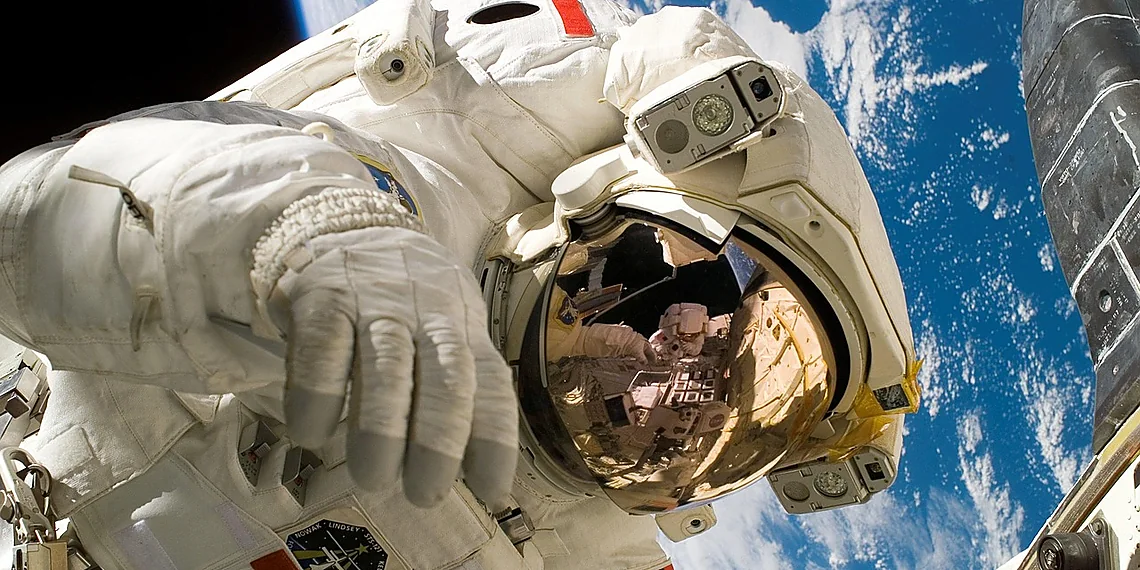

Imagine a silent ballet unfolding hundreds of kilometers above Earth, where metallic limbs gracefully maneuver satellites into precise orbits and conduct complex repairs – that’s the reality enabled by robotic assistance in our exploration of the cosmos.
For decades, robotic arms have been indispensable partners for astronauts, extending their reach and capabilities far beyond what human hands alone could achieve; think back to the iconic work of the Shuttle Robotic Arm during the Space Shuttle program.
These incredible machines represent a cornerstone of space exploration, steadily evolving from simple manipulators to sophisticated platforms capable of increasingly complex tasks.
The next chapter in this story is being written now, with the development of Canadarm3, a revolutionary system poised to redefine how we interact with and utilize orbital infrastructure – truly showcasing advancements in space robotics. It promises not just enhanced functionality but also a new era of autonomy and precision beyond anything seen before, opening up exciting possibilities for future missions and commercial ventures.
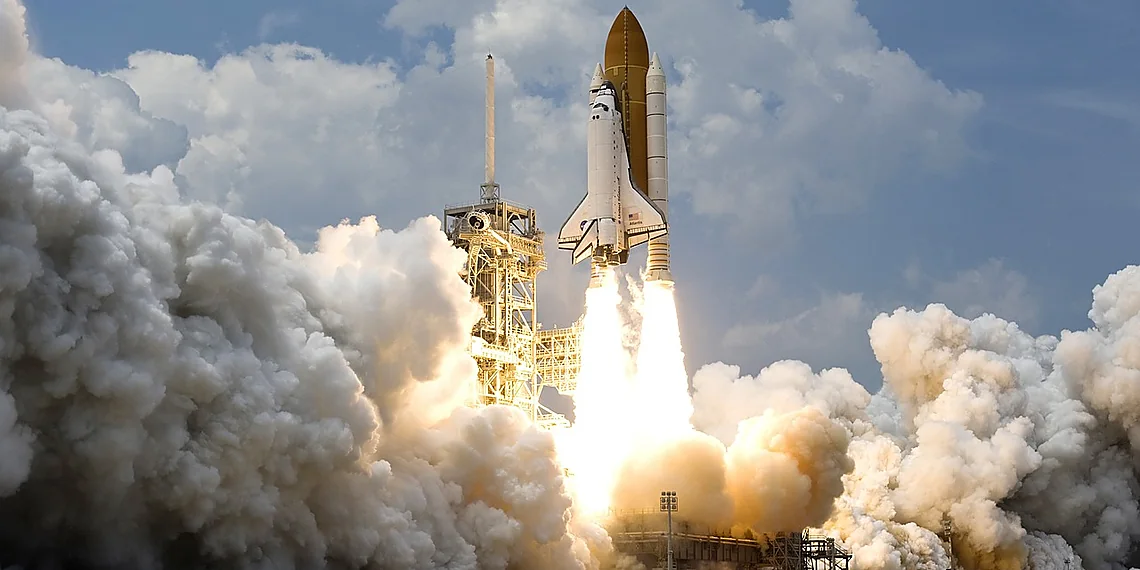
The Evolution of Space Arms
The story of space exploration is intrinsically linked to the evolution of robotics, particularly robotic arms. Before humans could routinely venture beyond Earth’s atmosphere, engineers needed a way to extend their reach and capabilities in the harsh vacuum of space – enter the first generation of space arms. Early iterations, like the Simple Manipulator System (SMS) on Skylab in the 1970s, demonstrated the potential for remote operation and basic tasks. However, these were just stepping stones towards the sophisticated systems we rely on today. The need to construct and maintain large orbital structures, such as space telescopes and eventually the International Space Station, demanded a significant leap forward in dexterity, precision, and reliability.
The construction of the ISS truly cemented the critical role of robotic arms in space. Canadarm2, arguably the most iconic example, became an indispensable tool for assembly and ongoing maintenance. Think of it as a highly specialized crane operator, but working hundreds of miles above Earth. Using electric motors and intricate jointed segments, it can precisely maneuver large modules into place, install scientific equipment, and even perform repairs on the station’s exterior – all controlled by astronauts on board or ground controllers back on Earth. Its seven degrees of freedom allow for a remarkable range of motion, enabling complex maneuvers that would be impossible for humans to perform safely during spacewalks.
Canadarm2’s legacy isn’t just about its impressive feats; it’s also about the engineering ingenuity behind it. It operates using a ‘payload grapple fixture’ which allows it to latch onto and move various modules and equipment. The system relies on sophisticated software and feedback loops to ensure accurate movements, even in the face of orbital drift and other environmental factors. Its success proved that robotic arms could not only augment human capabilities but also significantly reduce risk and increase efficiency in space operations – a lesson learned and now being built upon with the next generation: Canadarm3.
The decades of experience gained from operating Canadarm2 have directly informed the design and development of its successor. While sharing core principles, Canadarm3 represents a significant advancement in terms of automation, adaptability, and resilience. Understanding the capabilities and contributions of Canadarm2 is vital to appreciating the significance of this next chapter in space robotics – a future where robotic assistants play an even more critical role in exploring our solar system and beyond.
Canadarm2: A Legacy of Dexterity
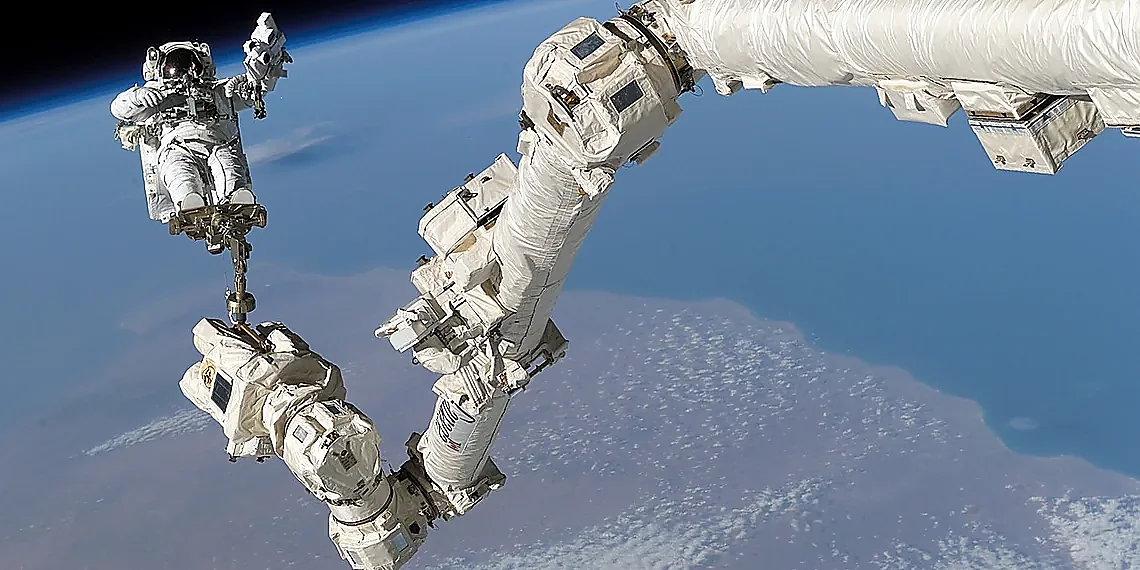
Canadarm2, formally known as the Space Station Remote Manipulator System (SSRMS), is a marvel of engineering and has become synonymous with space robotics. Developed by MDA (MacDonald Dettwiler Associates) in Canada, it’s a large robotic arm extending 57.7 feet from the International Space Station (ISS). Its primary function is to assist astronauts in tasks ranging from assembling new modules and conducting experiments to inspecting and maintaining external hardware – essentially acting as an extra set of highly precise hands for the crew.
At its core, Canadarm2 operates using a series of electrically powered rotary joints. Think of it like a sophisticated industrial robot arm on Earth, but adapted for the vacuum and extreme temperatures of space. Six individual arms, each with two degrees of freedom (meaning they can bend in two directions), are linked together to allow incredibly flexible movement. Astronauts control the arm from inside the ISS using a joystick-like interface, or it can be operated autonomously through pre-programmed routines. The system incorporates advanced cameras and sensors providing operators with visual feedback for precise maneuvers.
Since its installation on the ISS in 2001, Canadarm2 has been instrumental to the station’s construction and ongoing operation. It’s facilitated countless spacewalks by moving astronauts and equipment into position, allowing them to perform repairs and upgrades safely. Its reliability and dexterity have made it an invaluable asset for NASA and its international partners, and a powerful symbol of Canadian innovation in space exploration.
Canadarm3: Next-Generation Capabilities
Canadarm3 represents a monumental leap forward in space robotics, building upon the legacy of its predecessor, Canadarm2, which has faithfully served the International Space Station for over two decades. While sharing a familiar lineage, Canadarm3 isn’t simply an upgraded version; it’s a fundamentally redesigned system incorporating cutting-edge technologies to meet the demands of future missions – particularly those focused on lunar and Martian exploration. The new arm boasts significantly increased payload capacity, allowing it to handle larger and more complex equipment than ever before, crucial for constructing habitats and deploying scientific instruments on distant celestial bodies.
A key differentiator lies in Canadarm3’s enhanced precision and autonomy. Equipped with advanced sensors – including force-torque sensing and high-resolution cameras – the arm can ‘feel’ its environment and adapt to unexpected conditions. This data feeds into sophisticated, AI-powered control systems that are learning to execute tasks with increasingly less human intervention. This shift towards greater autonomy allows astronauts to focus on more critical activities while Canadarm3 handles routine operations like equipment installation and sample retrieval, significantly increasing mission efficiency and safety.
Beyond improved dexterity and sensing capabilities, the architecture of Canadarm3 has been modernized for resilience and adaptability. Its modular design facilitates easier maintenance and upgrades in space, minimizing downtime and extending its operational lifespan. Furthermore, the arm’s software is designed to be more easily reconfigured and reprogrammed to accommodate diverse mission requirements – a vital feature as we transition from established orbital operations to the complexities of surface exploration on the Moon and beyond.
Ultimately, Canadarm3 signifies NASA’s commitment to advancing space robotics capabilities. It’s not just about moving objects; it’s about enabling sustained human presence in deep space by automating complex tasks, reducing astronaut workload, and paving the way for ambitious scientific endeavors that were previously unimaginable.
Enhanced Precision & Autonomy
Canadarm3 represents a substantial leap forward in space robotics compared to its predecessors, most notably Canadarm2 currently operating on the ISS. While sharing a similar operational concept of being tele-operated by astronauts or ground controllers, Canadarm3 incorporates significantly enhanced sensor capabilities including high-resolution cameras and force feedback sensors distributed throughout its structure. These advanced sensors provide operators with vastly improved situational awareness and precision when manipulating objects in space, crucial for tasks like assembling large structures or performing delicate repairs.
A key differentiator of Canadarm3 is the integration of AI-powered control systems that enable a degree of autonomy previously unavailable. While human oversight remains essential, these intelligent algorithms assist with routine operations, optimize movement paths to minimize energy consumption, and even adapt to unexpected situations encountered during tasks. This increased autonomy allows astronauts to focus on more complex problem-solving and reduces reliance on constant ground control intervention, especially valuable for missions further from Earth like lunar surface operations.
The design of Canadarm3 also prioritizes enhanced dexterity through improved joint articulation and a wider range of motion. This increased flexibility is vital for manipulating diverse objects and performing intricate tasks on the lunar surface, such as collecting samples or deploying scientific instruments. The arm’s modularity allows for future upgrades and customization to suit evolving mission requirements, solidifying its role as a versatile tool for both orbital and planetary exploration.
Beyond ISS: Lunar & Martian Applications
While Canadarm2 has become synonymous with the International Space Station, its successor, Canadarm3, represents a significant leap forward in space robotics, designed for missions far beyond low Earth orbit. The core innovation isn’t just increased strength or dexterity – though those are present – but also vastly improved autonomy and adaptability, crucial for operating in environments like the Moon and Mars where real-time human control is impractical due to communication delays. Imagine a future lunar base slowly taking shape, not solely through astronaut labor, but with Canadarm3 meticulously assembling prefabricated modules, guided by pre-programmed instructions and adaptive algorithms that allow it to respond to unexpected geological features or equipment malfunctions.
On the Moon, Canadarm3’s role extends beyond construction. The presence of water ice in permanently shadowed craters presents a tantalizing resource for future lunar settlements – propellant, breathable air, even drinking water. Canadarm3 could be deployed to excavate and process this ice, autonomously operating specialized mining equipment and transporting materials to processing facilities. This would drastically reduce the logistical burden on human crews, allowing them to focus on scientific research and higher-level tasks. Think of a robotic ‘ice farm’ managed by Canadarm3, quietly providing essential resources for a growing lunar presence – a truly self-sustaining outpost.
The challenges of Martian exploration are even greater, demanding an unprecedented level of robotic independence. Canadarm3 could be instrumental in scouting landing sites, preparing habitats *before* human arrival (e.g., constructing radiation shelters), and collecting samples from potentially hazardous or inaccessible locations. The sheer distance to Mars means that remote operation requires a high degree of predictive capability; Canadarm3’s advanced AI will allow it not only to execute pre-programmed tasks but also to identify and overcome unexpected obstacles, adapting its actions based on sensor data and onboard analysis – essentially acting as an intelligent extension of human exploration teams.
Ultimately, Canadarm3 isn’t just a robotic arm; it’s a foundational technology for establishing a permanent human presence beyond Earth. By automating resource extraction, construction, and scientific support, it will pave the way for sustainable lunar bases and ultimately, Martian colonies, minimizing risk to astronauts and maximizing the potential for groundbreaking discoveries in our solar system.
Lunar Construction & Resource Extraction

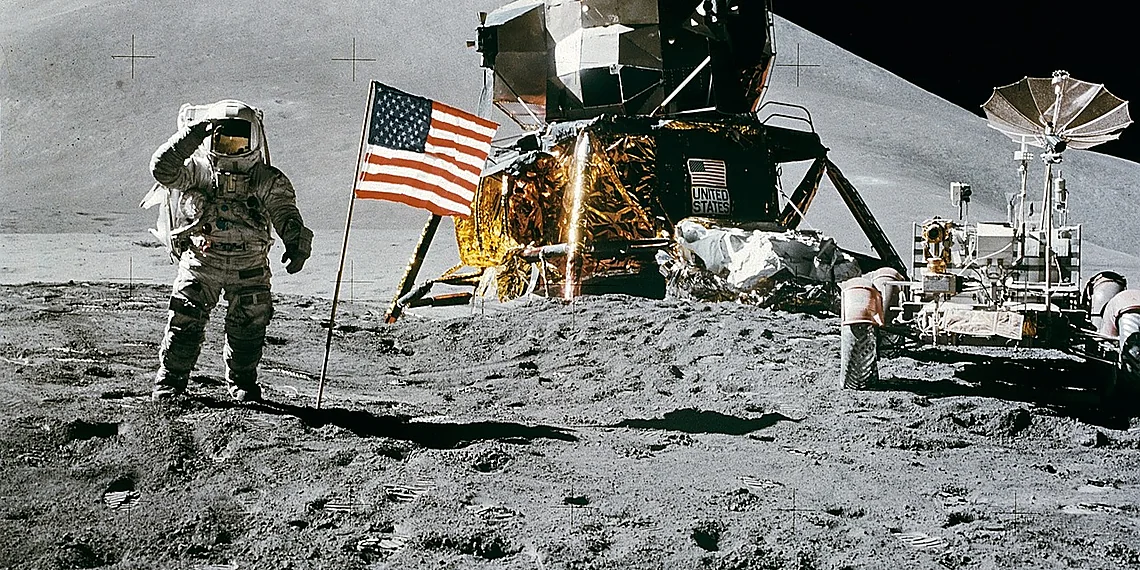
Canadarm3 represents a significant leap forward in space robotics, designed to tackle more complex tasks than its predecessor, Canadarm2, currently operating on the International Space Station. On the Moon, this advanced arm will be crucial for constructing lunar habitats and infrastructure. Imagine Canadarm3 autonomously assembling prefabricated modules into pressurized living spaces or deploying radiation shields – tasks too dangerous or inefficient for human astronauts alone. Its enhanced dexterity and strength, coupled with improved payload capacity, allows it to handle larger components than previous generations, accelerating the pace of lunar base construction.
Beyond habitat building, Canadarm3 is envisioned as a key tool in resource extraction, specifically targeting water ice deposits located in permanently shadowed craters near the lunar poles. The arm could be equipped with specialized tools to excavate and process this frozen water, which can then be converted into breathable air, rocket propellant, and drinking water – essential resources for sustained lunar operations and future missions deeper into the solar system. This reduces reliance on Earth-based resupply missions, significantly lowering mission costs and increasing self-sufficiency.
A critical aspect of Canadarm3’s functionality in these remote environments is its increased autonomy. With communication delays between Earth and the Moon (ranging from approximately 1.3 to 2.6 seconds), real-time control from Houston becomes impractical. The arm’s advanced AI algorithms will enable it to perform tasks with minimal human intervention, adapting to unforeseen circumstances and optimizing processes based on sensor data – a vital capability for ensuring mission success in challenging lunar conditions while also supporting scientific experiments requiring precise manipulation of instruments.
The Future of Space Robotics
The development of Canadarm3 represents a significant leap forward in space robotics, moving beyond the capabilities demonstrated by its predecessor, Canadarm2. While Canadarm2 has been instrumental in servicing the International Space Station and performing complex assembly tasks for over two decades, Canadarm3 is designed with increased dexterity, enhanced sensing capabilities, and crucially, greater autonomy. Its ability to perform more intricate maneuvers – including manipulating larger objects and working in tighter spaces – will be vital as we move towards building infrastructure beyond Low Earth Orbit, such as lunar habitats and orbital platforms.
A key innovation within Canadarm3 is its incorporation of force feedback sensors and advanced algorithms enabling it to ‘feel’ its environment. This allows for more delicate operations, reducing the risk of damaging sensitive equipment or structures during assembly and repair tasks. Furthermore, the system’s increased autonomy means it can perform some actions with less direct human control, freeing up astronauts to focus on other critical duties – a crucial factor in long-duration space missions where resources and crew time are precious.
Looking beyond its immediate application for servicing Gateway, Canadarm3’s underlying technologies pave the way for even more sophisticated space robotics. Imagine robotic swarms constructing massive solar arrays, or autonomous systems mining resources on asteroids. The advancements in sensing, dexterity, and autonomy being pioneered with Canadarm3 directly contribute to these future possibilities. We are likely to see similar architectural approaches applied to robots designed for planetary exploration – capable of navigating challenging terrain, collecting samples, and even conducting scientific experiments independently.
Ultimately, the legacy of Canadarm3 extends far beyond a single robotic arm; it signals a shift towards increasingly sophisticated and autonomous space robotics systems, which will be essential for expanding human presence throughout the solar system. The lessons learned and technologies developed during its creation will undoubtedly inform future generations of robots – not just in space, but also on Earth, impacting fields ranging from manufacturing to healthcare.

The journey of Canadarm3 represents far more than just an upgrade; it embodies a pivotal shift in how we approach exploration beyond Earth, promising unprecedented dexterity and autonomy for future missions. We’ve seen how its advanced capabilities will be instrumental in constructing lunar habitats, servicing orbital infrastructure, and facilitating scientific discovery on distant worlds. The evolution from earlier Canadarm iterations highlights the incredible progress made in space robotics, demonstrating a commitment to pushing boundaries and tackling increasingly complex challenges. This isn’t simply about building better arms; it’s about enabling humanity’s ambitious goals for sustained presence and expanded operations throughout our solar system. Ultimately, the integration of sophisticated AI and sensor technology into systems like Canadarm3 is paving the way for truly intelligent robotic assistants that will augment human capabilities in hazardous and remote environments. The future holds immense potential as we continue to refine these technologies and expand their applications across various space exploration endeavors. To delve deeper into this fascinating field and learn more about Canadarm3’s development, along with other groundbreaking robotic initiatives, we encourage you to visit NASA’s website – a wealth of information awaits, ready to fuel your own sense of wonder and inspire the next generation of innovators.
Explore NASA’s resources today to discover the full scope of their work in space robotics and beyond!
Continue reading on ByteTrending:
Discover more tech insights on ByteTrending ByteTrending.
Discover more from ByteTrending
Subscribe to get the latest posts sent to your email.