
The cosmos, once viewed as an endless frontier, is rapidly becoming increasingly crowded, presenting unprecedented challenges for those operating within it.
Satellites are vital for everything from global communication and navigation to weather forecasting and scientific discovery, yet their continued functionality faces a growing threat: space debris and the potential for collisions.
This isn’t just about preventing dramatic satellite explosions; it’s about ensuring the long-term sustainability of our access to space itself.
Recognizing this urgent need, the European Space Agency (ESA) has developed a comprehensive system designed to monitor and mitigate these risks – introducing the innovative Space Safety Fleet. This dedicated group of assets works tirelessly to provide crucial data and services for orbital safety management across Europe and beyond. The increasing number of satellites launched daily makes proactive measures like those offered by ESA’s Space Safety Fleet absolutely essential.
The Growing Threat Landscape
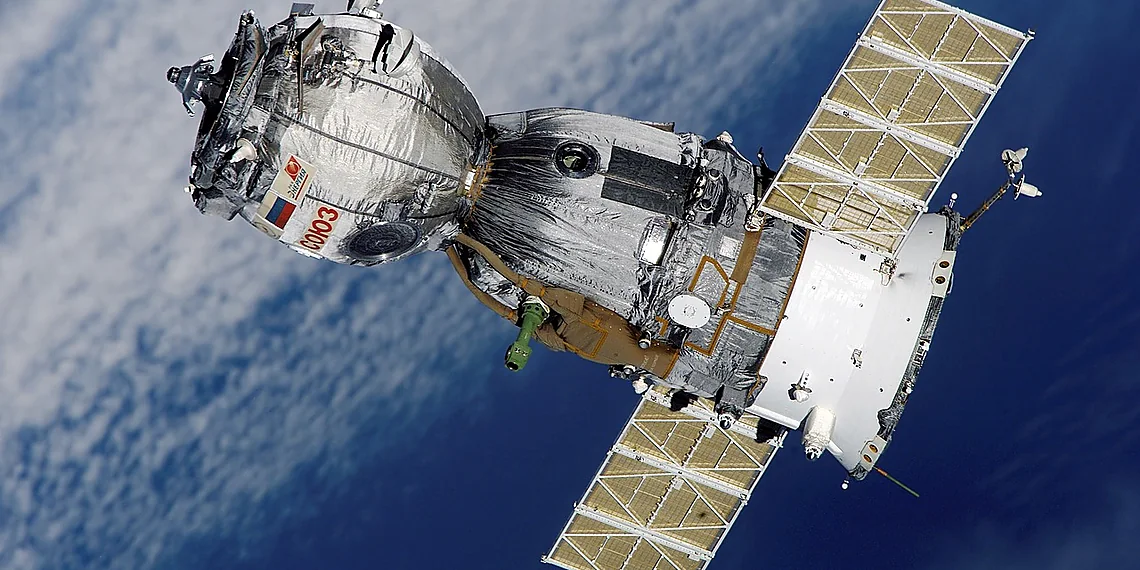
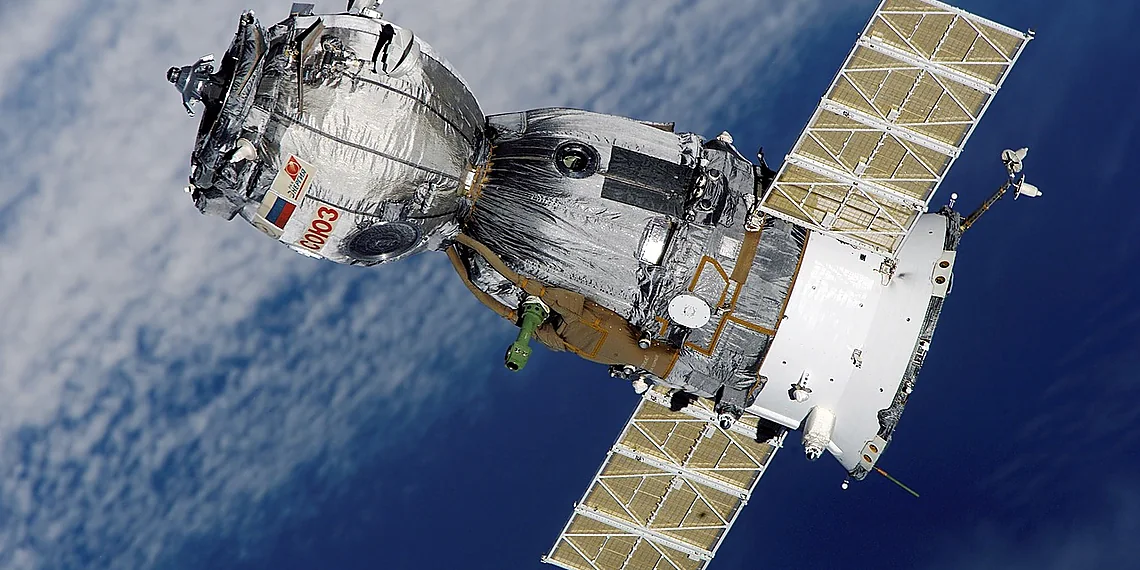
The promise of ubiquitous internet access, advanced Earth observation, and scientific discovery increasingly relies on satellites orbiting our planet. However, this burgeoning space economy faces a rapidly escalating threat: the growing problem of orbital congestion and hazardous space debris. Once considered a minor concern, the sheer number of objects circling Earth – operational satellites, defunct spacecraft, rocket bodies, and fragments from collisions – is now creating a dangerous environment for all missions. The situation isn’t just about visual clutter; it’s a tangible risk to billions of dollars in assets and potentially even human lives on Earth.
The numbers paint a stark picture. Currently, there are over 36,500 trackable objects orbiting Earth, with roughly 2,800 operational satellites. However, estimates suggest that there are millions of pieces of debris ranging from softball-sized to microscopic particles. Each launch contributes to this accumulation, and collisions create exponentially more fragments – a single event can generate thousands of new pieces of dangerous space junk. For example, the 2009 collision between an Iridium satellite and a defunct Russian spy satellite created over 6,000 trackable debris objects, highlighting the cascading effect even relatively minor incidents can have.
This escalating situation isn’t just about existing debris; it’s about the potential for a runaway chain reaction known as Kessler Syndrome. Proposed by NASA scientist Donald Kessler in 1978, this scenario envisions a point where the density of objects in low Earth orbit becomes so high that collisions generate more debris, which then triggers further collisions, creating an unstoppable cascade. While Kessler Syndrome hasn’t fully materialized yet, the increasing congestion and lack of active debris removal efforts are pushing us closer to a critical threshold, demanding proactive solutions.
The consequences of inaction are severe. A collision with even a small piece of debris can disable or destroy a satellite, disrupting vital services like GPS navigation, weather forecasting, and telecommunications. Larger impacts could damage the International Space Station or pose a threat to future crewed missions. Recognizing this escalating risk, organizations like ESA are actively developing and deploying solutions – as detailed by their ‘Space Safety Fleet’ initiative – to mitigate these threats and ensure the long-term sustainability of space activities.
Orbital Congestion & Debris Generation
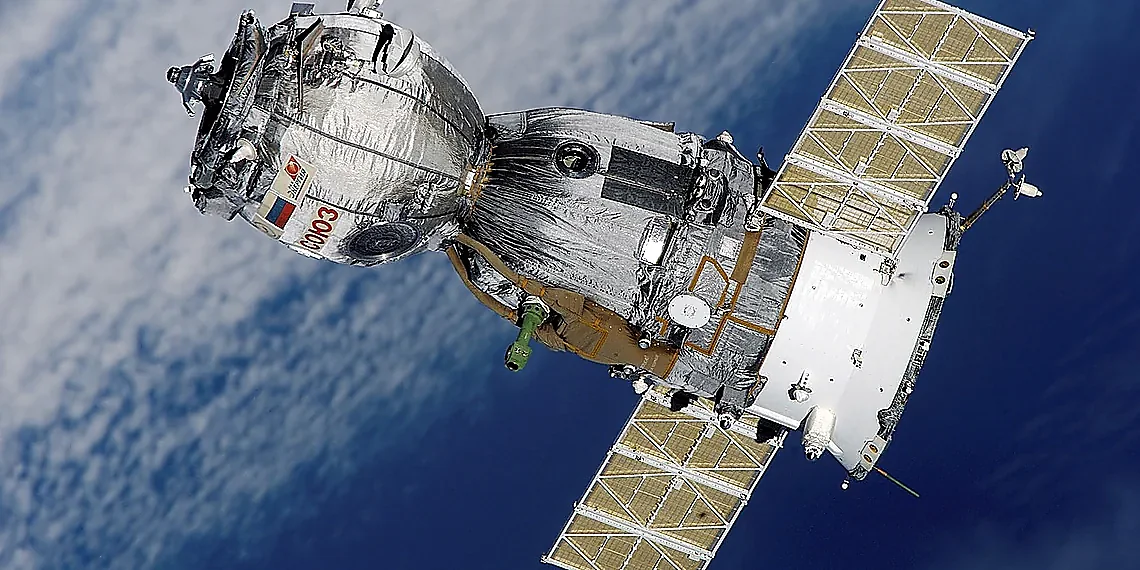
The rapid expansion of satellite constellations, driven by both commercial ventures like Starlink and governmental initiatives, has dramatically increased congestion in Earth’s orbit. As of late 2023, there were over 7,500 operational satellites orbiting the planet, a significant increase from just a few decades ago. This density is not evenly distributed; Low Earth Orbit (LEO), frequently used for internet and imaging services, is particularly crowded. The sheer volume of objects – including active satellites, defunct spacecraft, and debris – significantly elevates the risk of collisions between these assets.
Beyond simple congestion, the increasing number of satellites contributes to an exponential rise in space debris generation. Collisions between existing objects create countless new fragments, each posing a threat to operational spacecraft. Fragmentation events, often caused by anti-satellite weapon tests or satellite explosions, are especially problematic, releasing thousands of pieces of debris into orbit. Currently, there are approximately 36,500 trackable objects larger than 10cm in LEO and over one million pieces smaller than 1 cm – a number that is steadily growing.
The potential for a cascading effect known as Kessler Syndrome looms as a serious concern. Proposed by NASA scientist Donald Kessler, this scenario envisions a chain reaction where collisions generate more debris, which then leads to further collisions, ultimately rendering certain orbital regions unusable. While the full-blown Kessler Syndrome hasn’t materialized yet, the increasing risk underscores the urgent need for proactive space safety measures and sustainable practices in orbit – initiatives like ESA’s Space Safety Fleet are vital in mitigating this threat.
Meet the Space Safety Fleet
The ever-increasing number of satellites orbiting Earth, alongside the persistent presence of space debris – remnants from past missions and accidental collisions – presents a growing challenge to space operations. Recognizing this, the European Space Agency (ESA) has developed the Space Safety Fleet, a comprehensive system designed to monitor, predict, and mitigate these risks. This isn’t just about avoiding collisions; it’s about ensuring sustainable access to space for future generations. The core of this fleet comprises several key components working in concert, each with specialized functions contributing to a holistic approach to orbital safety.
At the forefront of ESA’s Space Safety Fleet are the Sentinel missions. These sophisticated satellites act as ‘eyes on the orbit,’ diligently tracking objects ranging from operational spacecraft to tiny pieces of debris. Equipped with high-resolution optical and radar instruments, Sentinels provide precise positional data, allowing operators worldwide to understand the current orbital environment. This information is crucial for collision avoidance maneuvers; timely warnings based on Sentinel data enable satellite operators to adjust their trajectories and prevent potentially catastrophic events – a capability that has become increasingly vital as space congestion intensifies.
Beyond the ongoing Sentinel constellation, ESA’s Space Safety Fleet includes groundbreaking future missions like ClearSpace-1. This mission represents a pioneering effort in active debris removal (ADR). ClearSpace-1 is designed to capture and deorbit a defunct satellite, demonstrating technology critical for cleaning up low Earth orbit – a crucial step towards maintaining orbital safety and accessibility. While still in development and preparation for launch, it exemplifies ESA’s commitment to addressing the long-term sustainability of space activities. Further missions are planned to expand observational capabilities and refine debris removal techniques.
The power of the Space Safety Fleet lies not only in its individual components but also in their integrated operation. Data from Sentinel satellites feeds into sophisticated prediction models, allowing ESA and partner organizations to forecast potential collision risks. This data is then disseminated to satellite operators globally, enabling proactive risk mitigation strategies. ClearSpace-1’s future operations will further contribute to this cycle by reducing the overall debris population, lessening the burden on tracking systems and improving the safety of all orbiting assets – a testament to a truly collaborative approach to space safety.
Sentinel Missions: Eyes on the Orbit
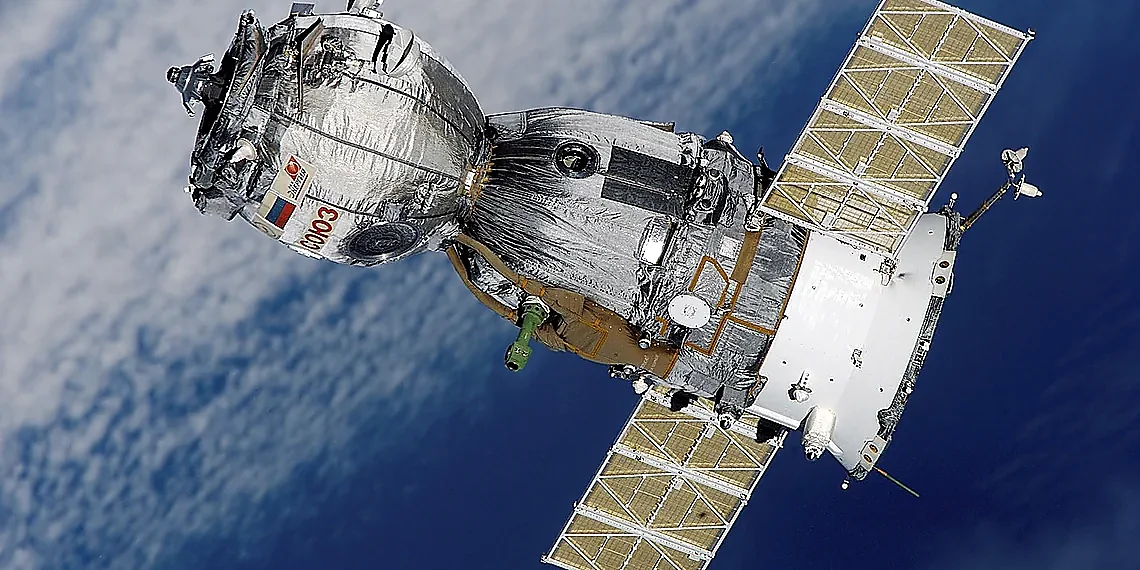
The ESA Space Safety Fleet relies heavily on its Sentinel satellite constellation to maintain comprehensive orbital awareness. These satellites don’t directly remove debris like the upcoming ClearSpace-1 mission, but instead act as crucial ‘eyes’ in space, constantly scanning and cataloging objects orbiting Earth. Data from the Sentinel missions is then shared with operators worldwide, allowing them to plan maneuvers, avoid collisions, and generally operate their own spacecraft more safely.
What sets the Sentinel satellites apart is their precision tracking capabilities. Equipped with advanced optical sensors, they can detect and precisely locate even small pieces of debris – objects as tiny as 10 centimeters are detectable under ideal conditions. This level of detail is vital because even a seemingly insignificant piece of space junk traveling at orbital speeds poses a significant collision risk to operational satellites and the International Space Station.
The timely warnings provided by Sentinel data are arguably their most impactful contribution to space safety. By identifying potential collision threats well in advance, operators have time to adjust satellite orbits, mitigating the danger. This proactive approach is essential for ensuring long-term sustainability of Earth’s orbital environment and safeguarding valuable assets.
Active Debris Removal & Future Innovations
The burgeoning problem of space debris poses an increasing threat to operational satellites and future missions. Recognizing this challenge, ESA’s Space Safety Fleet is actively pioneering solutions, with active debris removal (ADR) at the forefront. While passive mitigation techniques like deorbiting strategies are essential, they aren’t enough to address the growing population of defunct objects already in orbit. This necessitates a proactive approach – ADR – and ESA is leading the charge, demonstrating an unwavering commitment to safeguarding Earth’s orbital environment.
The ClearSpace-1 mission stands as a landmark achievement in this endeavor. Scheduled for launch in 2026, it represents Europe’s first active debris removal mission. The spacecraft is designed with four robotic arms – a complex and innovative system – specifically engineered to capture a defunct satellite (Vanguard-1) currently orbiting Earth. This isn’t a simple task; Vanguard-1 is tumbling randomly, presenting significant challenges for the ClearSpace-1’s capture mechanism. Successfully grappling a non-cooperative target like this requires exceptional precision and advanced algorithms, pushing the boundaries of robotic space technology.
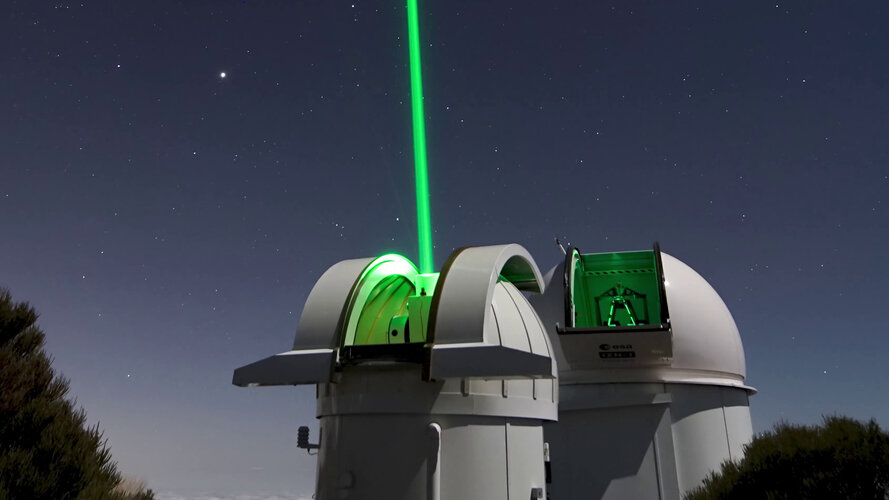
Beyond ClearSpace-1, ESA is investing in other promising technologies to enhance space safety. These include improved tracking capabilities using ground-based radar systems and optical telescopes, providing more accurate data on debris location and trajectory. Furthermore, research into laser ablation – using lasers to gently nudge smaller debris out of orbit – and tethered deorbiting systems are showing promise as complementary solutions. The goal is a layered approach combining robust monitoring with increasingly sophisticated removal capabilities.
The development and deployment of the Space Safety Fleet and missions like ClearSpace-1 aren’t just about cleaning up space; they’re driving innovation across multiple engineering disciplines, from robotics and artificial intelligence to advanced materials science. As space activities continue to expand, ESA’s pioneering efforts in active debris removal will be crucial for ensuring the long-term sustainability of our access to space.
ClearSpace-1: A Robotic Cleanup Crew
The ClearSpace-1 mission represents a groundbreaking effort by the European Space Agency (ESA) to address the growing problem of orbital debris. Scheduled for launch in 2026, this pioneering project will deploy the first dedicated active debris removal (ADR) spacecraft. Its primary objective is to capture and deorbit Vespa, a defunct Italian payload adapter left in a Sun-synchronous orbit following a 2014 Ariane 5 mission. This initial target was chosen for its relatively simple geometry – essentially a large metal plate – allowing ClearSpace-1 to demonstrate the core technology needed for tackling more complex debris.
At the heart of ClearSpace-1’s operation are four robotic arms, each equipped with different capture mechanisms designed to provide redundancy and adapt to various target shapes. These include a net, a spear, claws, and a hypersensitive grapple – offering a range of options for securing Vespa. The spacecraft will initially approach Vespa using its propulsion system, then utilize advanced vision-based navigation to precisely position itself before deploying the capture arms. A significant challenge lies in capturing ‘non-cooperative targets’—debris that lacks dedicated docking interfaces or tracking beacons, requiring extremely precise and autonomous maneuvering.
Beyond ClearSpace-1, ESA is also exploring other space safety technologies like laser debris removal (using ground-based lasers to gently push small debris out of orbit) and on-orbit servicing missions which could potentially refuel or repair existing satellites, extending their lifespan and reducing the creation of new derelict objects. The Space Safety Fleet initiative encompasses these diverse approaches, aiming for a holistic strategy to mitigate risks posed by space debris and ensure the long-term sustainability of Earth’s orbital environment.
Collaboration & The Future of Space Safety
The burgeoning space economy necessitates a proactive approach to orbital safety, and ESA recognizes that no single entity can effectively safeguard Earth’s orbit alone. The Space Safety Fleet isn’t operating in isolation; it’s built on a foundation of robust international collaboration. ESA actively partners with agencies like NASA, JAXA (Japan Aerospace Exploration Agency), and numerous national space organizations to share crucial data – including asteroid tracking information and debris monitoring observations – fostering a more comprehensive understanding of the orbital environment. These partnerships extend beyond mere data exchange; they involve joint development of safety standards, coordinated response strategies for potential collision threats, and collaborative research into mitigation techniques.
Beyond governmental agencies, ESA is also increasingly engaging with commercial entities. Recognizing the vital role private space companies play in accessing and utilizing orbit, ESA fosters partnerships to integrate commercial capabilities into its Space Safety Fleet’s overall effectiveness. This includes leveraging proprietary datasets from commercial satellite operators regarding their orbital positions and plans, contributing to more accurate collision avoidance predictions. Such collaboration isn’t just about sharing information; it’s about jointly developing solutions that benefit all stakeholders in the space ecosystem, ensuring sustainable access to orbit for everyone.
Looking ahead, several key trends will shape the future of space safety. Artificial intelligence (AI) and machine learning are poised to revolutionize debris tracking and prediction models, enabling more precise assessments of collision risks. Advanced sensor technologies, including optical telescopes with enhanced capabilities and radar systems designed for detecting smaller debris objects, are continuously being developed. Furthermore, active debris removal (ADR) technologies – while still in their early stages – represent a potential long-term solution to the growing problem of orbital congestion. ESA is actively investigating and contributing to these advancements, ensuring the Space Safety Fleet remains at the forefront of orbital protection.
Ultimately, the future of space safety hinges on continued collaboration and innovation. As the number of satellites in orbit continues to increase exponentially, a globally coordinated effort – incorporating data sharing, technological breakthroughs, and responsible operational practices – is essential for maintaining a safe and sustainable space environment. ESA’s Space Safety Fleet serves as a vital cornerstone of this global framework, demonstrating the power of international partnerships in safeguarding our access to space.
Global Partnerships for Orbital Security
Recognizing that space debris is a global challenge requiring collective action, the European Space Agency (ESA) actively cultivates partnerships with leading space agencies worldwide. A cornerstone of ESA’s Space Safety Fleet initiative involves close collaboration with NASA, sharing observational data from their respective ground-based and space-based sensors. This combined dataset provides a more comprehensive understanding of the orbital environment, significantly improving the accuracy of collision warnings and enabling proactive mitigation strategies for both governmental and commercial satellites.
Beyond NASA, ESA also maintains robust partnerships with Japan’s Aerospace Exploration Agency (JAXA), engaging in joint research projects focusing on debris characterization and tracking technologies. These collaborations extend to other international entities like the Canadian Space Agency and various national space programs, fostering a shared approach to developing common standards for collision avoidance maneuvers and data exchange protocols. The goal is to create an interoperable system where information can be seamlessly shared across different agencies and satellite operators.
Furthermore, ESA increasingly engages with commercial space companies, recognizing their pivotal role in the evolving orbital landscape. These partnerships involve sharing data, contributing to risk assessment models, and jointly exploring innovative debris removal technologies. This multi-faceted approach – encompassing governmental collaboration and private sector engagement – is crucial for ensuring the long-term sustainability of Earth’s orbit and safeguarding access to space for all.
The challenges of orbital debris and increasing satellite constellations demand proactive solutions, and ESA’s work exemplifies a commitment to safeguarding our shared space environment. The development and deployment of the Space Safety Fleet represents a significant step forward in understanding and mitigating these risks, offering crucial data for collision avoidance and long-term sustainability. This isn’t just about protecting satellites; it’s about preserving access to space for future generations, underpinning scientific discovery, communication infrastructure, and countless other vital services we rely on daily. Continued investment in technologies like those embodied within the Space Safety Fleet is paramount as space activities expand exponentially. We must prioritize robust tracking capabilities, advanced prediction models, and collaborative international efforts to ensure a secure and accessible orbital ecosystem. The future of space exploration and utilization hinges on our ability to operate responsibly and sustainably, acknowledging the shared resource that low Earth orbit represents. To learn more about ESA’s groundbreaking initiatives in this critical area, we encourage you to visit their website and explore the details of their ongoing projects. Your understanding and support can contribute directly to responsible space operations and a safer future for all who look to the stars.
Let’s work together to champion proactive space safety measures and foster a culture of responsibility amongst all stakeholders. ESA’s dedication provides a powerful model for others to follow, showcasing how innovation and collaboration can address complex challenges. By supporting these efforts, we invest in the long-term health and vitality of our orbital environment. Discover more about ESA’s Space Safety Fleet and their broader mission at [link to ESA website] – your engagement makes a difference.
Continue reading on ByteTrending:
Discover more tech insights on ByteTrending ByteTrending.
Discover more from ByteTrending
Subscribe to get the latest posts sent to your email.