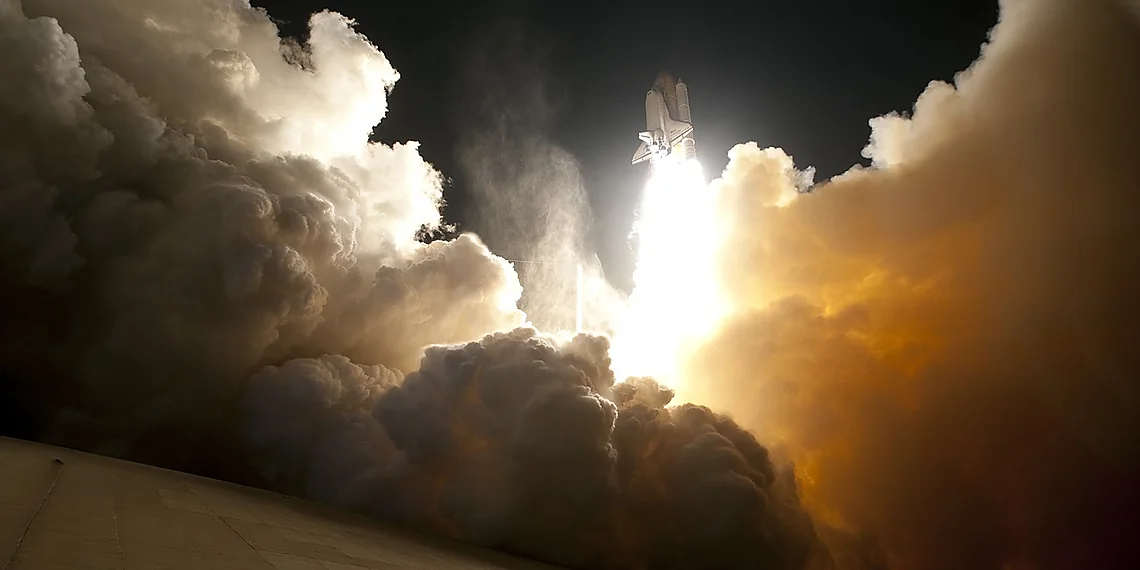


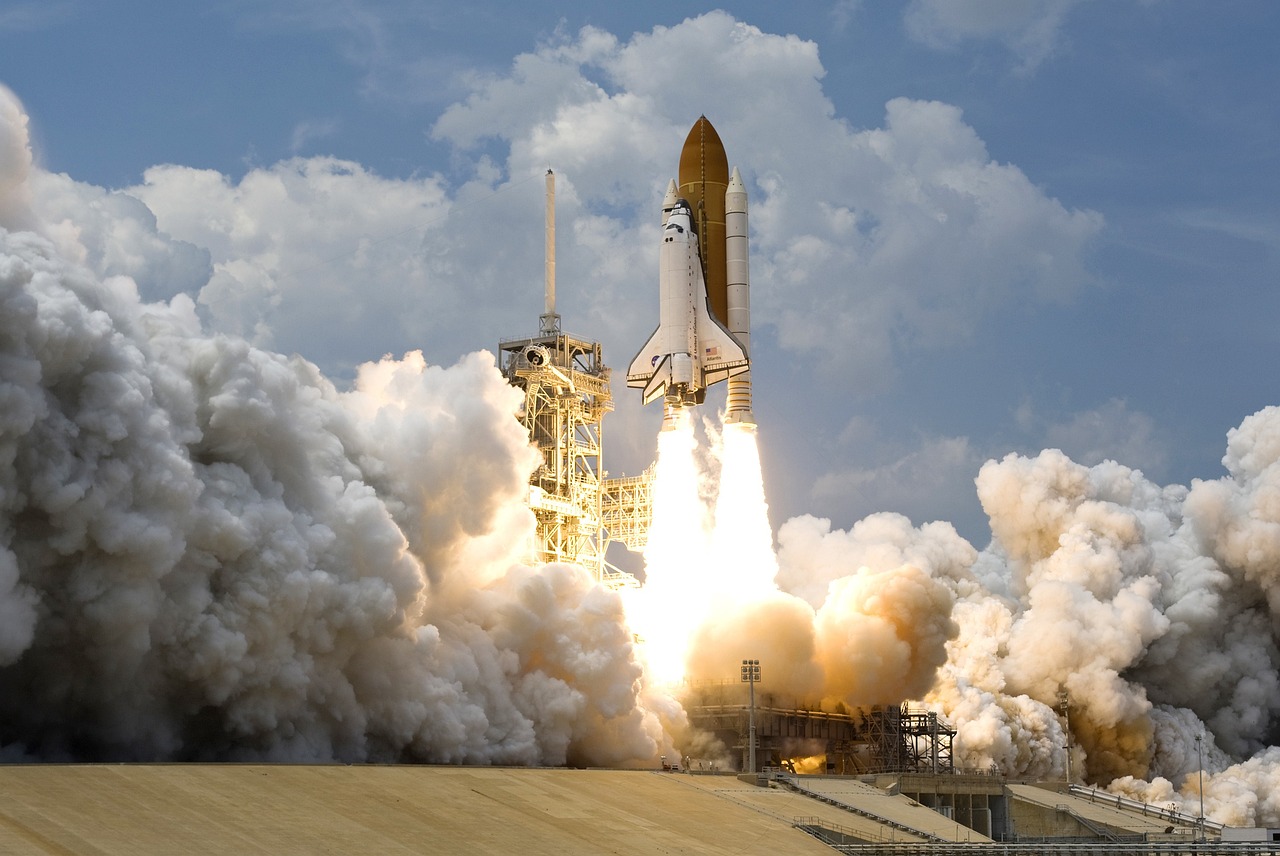
The global space race is intensifying, and a new contender is rapidly gaining ground – China. While SpaceX has dominated headlines with its reusable Falcon rockets for years, Beijing’s ambitions are no longer confined to simply catching up; they’re aiming to lead in key areas of launch technology.
LandSpace Technology Corporation, a private Chinese aerospace firm, is spearheading this charge with their Zhuque-3 rocket, designed from the ground up to be partially reusable. This represents a significant leap forward for China’s space program and signals a broader shift toward more cost-effective and frequent access to orbit.
The race towards reliable and affordable space travel isn’t just about ambition; it’s about innovation and execution. LandSpace recently achieved a critical milestone, successfully completing a static fire test of the Zhuque-3’s engines – a pivotal step demonstrating its readiness for orbital flight.
This advancement places China squarely in competition with SpaceX, showcasing the growing sophistication of Chinese aerospace engineering and highlighting the potential for disruption within the launch services market. The development of Reusable Chinese Rockets like the Zhuque-3 is poised to reshape future space exploration endeavors both domestically and internationally.
The Zhuque-3: A New Challenger
LandSpace’s Zhuque-3 represents a significant leap forward in China’s ambitions for space access, positioning itself as a direct competitor to SpaceX’s Falcon 9 and other reusable launch vehicles. Standing at an impressive 217 feet tall (66 meters), the rocket boasts a modular design featuring three stages – two powered by methane-liquid oxygen engines and a final stage designed for orbital maneuvers. This configuration allows for greater flexibility in payload delivery and mission profiles, catering to a broader range of satellite deployment needs.
The key differentiator for the Zhuque-3 lies in its reusability strategy. Unlike traditional expendable rockets, LandSpace aims to recover both the first and second stages using a combination of parachute and powered descent techniques – mirroring SpaceX’s approach but with notable differences. The first stage utilizes four powerful engines for ascent, while the second stage features a single engine optimized for vacuum operation. Critically, the recovered stages are intended to be refurbished and reused, dramatically lowering launch costs and increasing overall mission cadence.
Technical specifications reveal that the Zhuque-3 is designed to carry a payload of up to 14,000 kilograms (30,865 pounds) to low Earth orbit (LEO), rivaling the Falcon 9’s capabilities. What’s particularly innovative is LandSpace’s focus on simplifying the recovery process and minimizing refurbishment time. While SpaceX has years of experience in reusable rocket technology, LandSpace appears to be learning from their successes and incorporating lessons learned into the Zhuque-3’s design, aiming for a more streamlined and cost-effective reusability cycle.
The upcoming inaugural test flight will be pivotal in validating these ambitious claims. While static fire tests demonstrate engine performance, the real challenge lies in successfully landing and recovering both stages. The results of this first launch will significantly shape China’s future space program and its ability to compete effectively in the burgeoning commercial space market, marking a new era for reusable Chinese rockets.
Specs & Design Breakdown

The LandSpace Zhuque-3 stands at an impressive 217 feet (66 meters) tall, placing it in a similar size class as SpaceX’s Falcon 9 rocket. It utilizes eight YF-100K engines – four powering the first stage and four dedicated to the second stage – each generating over 185 metric tons of thrust at sea level. This engine choice is significant; the YF-100K is a methane-fueled engine, aligning with LandSpace’s commitment to using liquid oxygen/methane propellant for both stages, a relatively less common but potentially more efficient and cleaner propulsion system compared to kerosene-based alternatives.
The Zhuque-3 boasts a payload capacity to Low Earth Orbit (LEO) of approximately 14.3 metric tons, which is comparable to the Falcon 9’s standard configuration. However, what truly sets it apart is its reusability approach. Unlike SpaceX’s Falcon 9, where only the first stage is recovered, LandSpace intends for both the first and second stages to be reusable. The first stage will return to Earth using parachute-assisted landing, while the second stage is designed for controlled descent and runway landing – a more complex but potentially more cost-effective method than ocean splashdowns.
The dual-stage reusability of the Zhuque-3 represents a significant innovation in Chinese rocket technology. While other companies are exploring stage separation and recovery techniques, LandSpace’s design aims to fully recover both major components, promising substantial reductions in launch costs over time. This ambitious goal will require sophisticated navigation, control, and landing systems, making the upcoming test flights crucial for demonstrating the viability of this approach and establishing China as a serious contender in the reusable rocket market.
The Static Fire Test – A Critical Step
The recent static fire test conducted by LandSpace on its Zhuque-3 rocket represents a crucial milestone in China’s burgeoning reusable rocket program. A static fire test, essentially a ground-based firing of the rocket’s engines while it remains firmly anchored, isn’t just about making noise and flames; it’s an intensive data collection exercise vital to validating critical systems before attempting actual flight. These tests allow engineers to rigorously assess engine performance – thrust output, combustion stability, and nozzle efficiency – without risking a catastrophic failure during ascent.
What makes LandSpace’s test particularly noteworthy is that all 33 of Zhuque-3’s Merlin-analog engines fired simultaneously for over ten seconds, achieving full operational status. This demonstrates not only the engines themselves are performing as designed but also the complex integration and control systems managing their simultaneous operation – a significant challenge in multi-engine rocket designs. Prior to this test, ensuring such coordinated ignition and sustained burn across all 33 engines would have been a major hurdle. The successful execution signifies that LandSpace’s engineering team has effectively addressed these complexities.
Beyond engine performance, static fire tests are instrumental in verifying the structural integrity of the launch vehicle. The immense forces generated during firing place significant stress on the rocket’s frame and supporting infrastructure. Monitoring this stress – through sensors embedded throughout the structure – allows engineers to identify potential weaknesses or areas requiring reinforcement *before* flight. Any anomalies observed during the test, such as unexpected vibrations or deformations, can be analyzed and corrected, preventing potentially disastrous consequences later on.
With the successful static fire now complete, Zhuque-3 is closer than ever to its anticipated inaugural test flight later this year. While challenges undoubtedly remain in transitioning from ground testing to orbital operations, this milestone firmly positions LandSpace as a serious contender in the reusable rocket race and underscores China’s growing capabilities in space technology.
What Went Right (and Why It Matters)
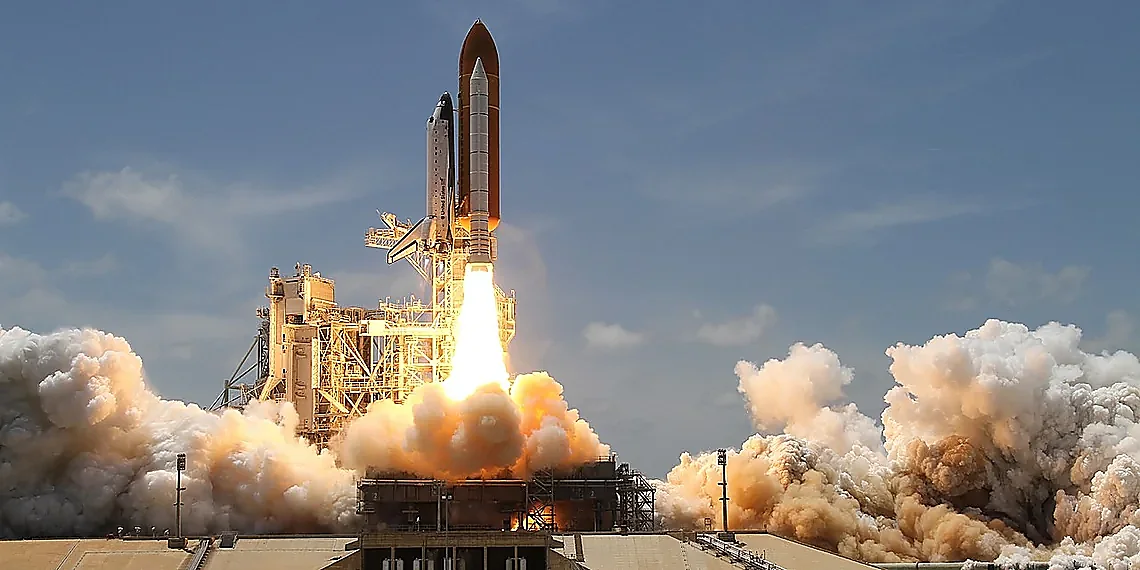
The recent static fire test of LandSpace’s Zhuque-3 rocket, conducted on October 20, 2025, marked a crucial milestone in China’s reusable rocket program. The test involved firing all 31 engines of the rocket’s first stage simultaneously while the vehicle remained firmly anchored to the ground. This simulated launch conditions without actual liftoff, allowing engineers to evaluate critical systems under extreme stress.
A successful static fire is vital for several reasons. Primarily, it validates engine performance – ensuring each engine produces the required thrust and operates efficiently. Beyond propulsion, the test rigorously assesses the structural integrity of the rocket’s frame and supporting infrastructure. Any weaknesses or design flaws would be revealed during this intense period of simulated flight stress. Overcoming challenges like synchronizing 31 engines to fire simultaneously and managing the immense heat generated are significant accomplishments.
LandSpace reported that all 31 engines fired successfully, providing valuable data on engine performance and confirming the structural integrity of the rocket. While specific details about any encountered issues weren’t immediately released, a successful static fire suggests that the Zhuque-3 is progressing towards its planned inaugural flight later this year, bringing China closer to establishing a reusable launch capability comparable to SpaceX.
China’s Space Ambitions & The Reusability Factor
China’s burgeoning space program is undergoing a significant shift towards reusability, exemplified by LandSpace’s Zhuque-3 rocket. While China has made remarkable strides in space exploration – from lunar missions to building its own space station – the high cost of traditional expendable rockets has historically been a limiting factor. The Zhuque-3, currently slated for an inaugural test flight later this year, represents a crucial step towards reducing these costs and accelerating China’s ambitious goals in areas like deep space exploration, satellite deployment, and potentially even space tourism.
The reusability factor is paramount to achieving long-term sustainability and affordability within any national space program. Just as SpaceX revolutionized the industry with its Falcon 9 reusable boosters, LandSpace’s Zhuque-3 aims to deliver similar cost savings for China. By recovering and reusing key components like first stages, launch costs can be dramatically reduced, allowing for more frequent launches and a wider range of missions – from scientific research to commercial ventures. This isn’t just about saving money; it’s about enabling a greater volume and variety of space activities.
China’s broader strategy in space extends far beyond simple orbital insertion. The nation has explicitly stated its intention to become a leading spacefaring power, with aspirations for lunar bases, asteroid mining, and even interstellar exploration in the future. Reusable rockets like Zhuque-3 are integral to this vision, providing the necessary launch capacity and cost efficiency to support these long-term objectives. LandSpace’s timeline anticipates further testing and refinement before a full orbital test flight, but the static fire success demonstrates significant progress towards that goal.
Looking ahead, successful deployment of Zhuque-3 will not only bolster China’s national space program, but also open doors for commercial applications. Reduced launch costs could stimulate growth in the Chinese satellite industry and potentially make Chinese launch services more competitive on a global scale. The development underscores China’s commitment to technological innovation and its determination to secure a prominent role in the future of space exploration.
Beyond the Milestone: Future Plans
LandSpace Technologies is aggressively pushing forward with its Zhuque-3 reusable rocket program, aiming for an orbital test flight before the end of 2024. Following a successful static fire test demonstrating key engine functionality on October 20th, engineers are focused on final preparations and integration checks. While a precise launch date remains unconfirmed, LandSpace’s rapid development cycle suggests a swift progression towards this pivotal milestone, placing them in direct competition with established players like SpaceX.
China’s broader space strategy extends far beyond simple scientific exploration; it encompasses national prestige, technological leadership, and potential commercial opportunities. Reusable rocket technology is integral to realizing these ambitions by drastically reducing launch costs – currently a significant barrier for widespread satellite deployment and deep-space missions. Unlike expendable rockets, reusable systems can be flown multiple times, significantly lowering the price per kilogram delivered into orbit and enabling more frequent launches.
The development of reusable Chinese rockets like Zhuque-3 isn’t just about matching SpaceX; it’s about establishing China as a dominant force in the global space economy. Potential commercial applications are vast, ranging from providing launch services for domestic and international satellite operators to supporting lunar resource utilization and even facilitating future crewed missions beyond Earth orbit. Success with Zhuque-3 will be crucial for LandSpace’s growth and solidifies China’s position as a key player in the burgeoning space commerce sector.
The Race to Reusability: Competition & Implications
The pursuit of reusability is rapidly transforming the landscape of space exploration, and China’s LandSpace Technologies is throwing its hat firmly into the ring with the Zhuque-3 rocket. This ambitious project, already demonstrated through a recent static fire test, aims to directly challenge SpaceX’s dominance in reusable launch vehicle technology. While SpaceX has pioneered the concept with its Falcon 9 and Falcon Heavy rockets, significantly reducing launch costs, China’s entry introduces a new dynamic – one that could accelerate innovation and potentially democratize access to space.
Zhuque-3 distinguishes itself by employing a methane-liquid oxygen propellant combination, similar to SpaceX’s Starship program. This choice offers potential advantages in terms of performance and reusability compared to kerosene-based engines commonly used in other rockets. However, it also presents unique engineering challenges. Currently, Zhuque-3 is planned for vertical landing, mirroring SpaceX’s approach, but the specifics of its recovery system – including whether it will utilize grid fins or legs – remain to be seen. The upcoming inaugural test flight will be critical in assessing LandSpace’s progress and validating their design choices against established benchmarks.
The implications of successful reusable Chinese rockets extend far beyond a simple competition with SpaceX. A viable, cost-effective launch capability from China could significantly alter the global space industry’s economics. Lowering launch costs makes access to orbit more attainable for smaller companies, research institutions, and even nations that previously lacked such capabilities. This ‘beyond SpaceX’ shift has the potential to foster a new wave of innovation in satellite constellations, deep space exploration missions, and commercial space activities worldwide.
Geopolitically, China’s advancements represent a significant step towards greater self-sufficiency in space launch services. Reducing reliance on foreign providers strengthens national security and opens avenues for international collaboration – or competition – in the expanding realm of space commerce and scientific discovery. As Zhuque-3 progresses through its testing phase, the world will be watching closely to see how it reshapes the future of access to orbit.
Beyond SpaceX: A Global Shift?
China’s emergence as a serious contender in reusable rocket technology marks a significant shift in the global space industry. While SpaceX has dominated the field with its Falcon 9 and other partially reusable vehicles, several Chinese companies, including LandSpace (with their Zhuque-3 rocket) and Deep Blue Aerospace, are rapidly developing fully or largely reusable launch systems. The Zhuque-3, recently undergoing static fire tests, aims to be a key player, boasting a design intended for full reusability – landing both stages back on Earth – which could dramatically lower the cost per launch compared to expendable rockets.
The proliferation of reusable rocket technology outside of SpaceX has potentially profound implications. Reduced launch costs typically translate into increased accessibility to space for smaller companies, research institutions, and even other nations that previously faced high barriers to entry. This democratization of space access could spur innovation in satellite deployment, space-based research, and resource exploration – areas currently largely dominated by a handful of wealthy countries and corporations. Several other nations are now actively studying Chinese advances and exploring their own avenues for reusable launch capabilities.
Geopolitically, China’s success in reusable rocket technology challenges the existing power dynamics in space. A more competitive launch market could diminish the dependence of some countries on established providers like SpaceX and European launchers, potentially reshaping international partnerships and influencing future space exploration initiatives. While collaboration remains likely, increased Chinese capabilities provide Beijing with greater strategic autonomy in accessing and utilizing space assets, a factor that will undoubtedly be considered by other global powers.
The recent strides made by Zhuque-3 represent more than just incremental advancements; they signify a pivotal moment in China’s ambition to dominate space exploration and commercial launch services. This test flight, though facing challenges, underscores the nation’s unwavering commitment to reusable technology, a crucial element for sustainable and cost-effective access to orbit. The implications extend far beyond national pride, potentially reshaping the global launch market by offering competitive pricing and increased frequency of missions. Indeed, the development of Reusable Chinese Rockets is rapidly accelerating China’s position as a major space power. We’re witnessing firsthand how iterative improvements and bold experimentation are converging to create a truly disruptive force within the industry. The future promises even more sophisticated systems and ambitious projects, solidifying China’s role in defining the next era of space travel. Keeping an eye on these developments is essential for anyone invested in the future of technology and innovation. For continued insights into this exciting story and other emerging trends in tech, follow ByteTrending – we’ll keep you informed as this fascinating narrative unfolds.
Stay tuned as Zhuque-3 continues its testing phase and China further refines its reusable rocket technology; the potential for transformative change is undeniable. The success of these programs will not only benefit Chinese space initiatives but also impact international collaborations and commercial opportunities, creating a more dynamic and accessible space ecosystem globally. ByteTrending remains dedicated to bringing you the latest updates and analysis on this rapidly evolving landscape.
Continue reading on ByteTrending:
Discover more tech insights on ByteTrending ByteTrending.
Discover more from ByteTrending
Subscribe to get the latest posts sent to your email.