
The race to establish nuclear power on the Moon is a fascinating and increasingly urgent endeavor, driven by ambitious space exploration goals and resource utilization opportunities. China, Russia, and the United States are all vying for a position of leadership in this nascent field, reflected in accelerated timelines and innovative reactor designs. The core objective—a sustained human presence on the lunar surface—demands robust power sources, and nuclear fission offers a compelling solution despite significant challenges. Let’s delve into the motivations behind this intense competition and the technological hurdles involved.
Why Lunar Nuclear Reactors? Powering Humanity’s Return to the Moon
The allure of lunar nuclear reactors stems from several critical factors. Firstly, renewables – primarily solar energy – are inherently unreliable on the moon due to its long days and nights and frequent lunar shadows. Solar panel efficiency also diminishes significantly when covered in regolith dust. A consistent, dependable power source is paramount for establishing a permanent lunar base capable of supporting scientific research, resource extraction (such as helium-3), and potentially even manufacturing operations. Secondly, helium-3, a potential fuel for fusion reactors, is abundant on the moon’s surface. Accessing this resource could revolutionize energy production back on Earth, though that’s currently a distant prospect. NASA’s Artemis program, alongside collaborative efforts from China and Russia—manifested in projects like the International Lunar Research Station—clearly indicate a long-term commitment to lunar exploration and development.
The Artemis Program and International Collaboration
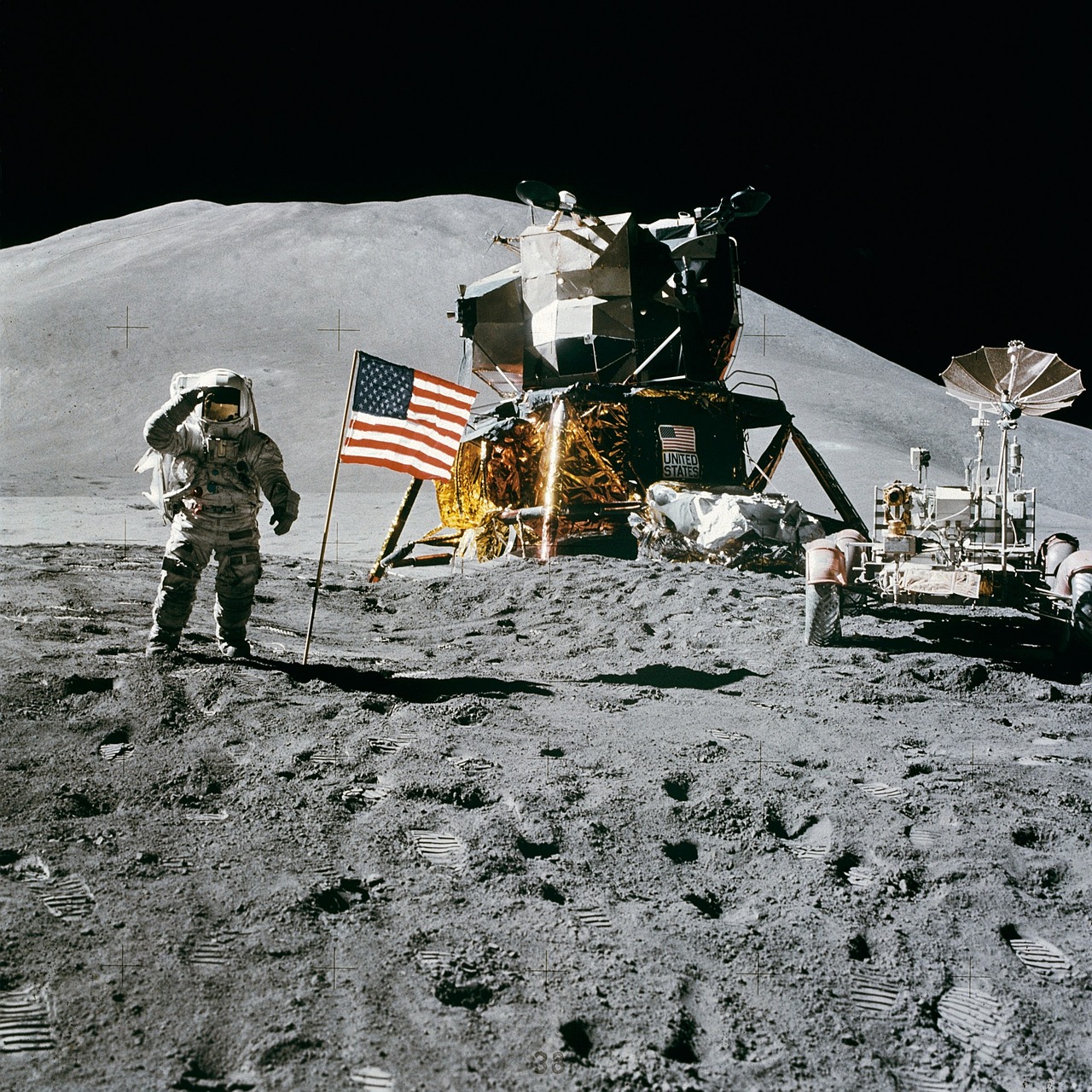
The Artemis program represents a pivotal step towards returning humans to the Moon, and it inherently necessitates reliable power. NASA’s plans for an orbiting space station, Gateway, further amplify this need. This modular structure will serve as a staging point for lunar missions, demanding substantial energy input for operations and life support. The strategic alignment of NASA’s ambitions with China and Russia’s initiatives—the International Lunar Research Station—highlights the recognition that international collaboration is essential for achieving such ambitious goals. Sharing resources, expertise, and potentially even operational responsibilities will undoubtedly accelerate progress and mitigate risks.
Meeting Energy Demand: Beyond Solar
The sheer scale of operations envisioned on the Moon – from scientific experiments to ISRU (In-Situ Resource Utilization) – demands a power output far exceeding what solar panels could realistically provide. Estimates suggest that a 100-kilowatt reactor, as being considered by NASA, would be sufficient to meet initial base requirements, with room for expansion. This highlights the critical advantage of nuclear fission: its high energy density compared to other options—especially considering the logistical constraints and costs associated with transporting fuel from Earth.
Related Post
The Urgency Behind the Race: Timelines and Strategic Implications
The momentum behind this lunar nuclear race wasn’t solely initiated by NASA. Breakthroughs in reactor design, coupled with a renewed focus on establishing a presence before rival nations, have dramatically accelerated timelines. China and Russia announced their joint efforts to build a lunar microreactor by 2036, while NASA is now aiming for a fully functional reactor ready for deployment by 2030 – an ambitious timeframe reflecting the perceived urgency.
The ‘Keep-Out Zone’ Scenario
The escalating timelines have created a strategic dimension: the potential for a ‘keep-out zone.’ NASA has publicly expressed concerns that if China or Russia secures a prime location on the moon with access to water ice (a critical resource for life support) before the United States, they could claim it and restrict access for other nations. This competitive pressure is undeniably driving NASA’s accelerated timeline and its commitment to developing a robust lunar reactor as quickly as possible. The race isn’t just about scientific discovery; it’s fundamentally about securing strategic advantages in space.
Designing Lunar Nuclear Reactors: Technological Considerations
Successfully deploying a nuclear reactor on the Moon presents unique engineering challenges stemming from the lunar environment. The low gravity significantly affects fluid dynamics – essential for cooling systems – requiring entirely new calculations. The extreme temperature swings—ranging from intense solar radiation to frigid darkness—necessitate reactor designs that can withstand these fluctuations without compromising performance. Currently, several design concepts are being explored. Notably, the use of a gas coolant, such as helium, is favored over liquids like molten salt due to its superior thermal properties and suitability for lunar conditions. The TRISO fuel design, featuring uranium kernels encased in layers of ceramic materials, offers exceptional radiation resistance and inherent safety features. A closed Brayton cycle power conversion system will also be required.
Risks of Lunar Reactor Launch: Mitigation Strategies
Despite the technological advancements, risks remain. A direct impact from an asteroid or meteoroid could damage the reactor and potentially disperse radioactive material. However, innovative fuel designs like TRISO – where uranium kernels are encapsulated in multiple layers of silicon carbide – dramatically mitigate this risk. These particles can withstand extreme heat and impacts, minimizing the potential for widespread contamination. NASA’s experience with deploying plutonium thermoelectric generators (PTGs) – essentially nuclear batteries – on previous missions demonstrates a robust framework for handling radiological objects in space. A rigorous launch safety protocol will undoubtedly be implemented to minimize any potential hazards.
Conclusion
The race to establish nuclear power on the Moon is not merely a technological endeavor; it’s a strategic competition with profound implications for space exploration and resource utilization. The rapid acceleration of timelines underscores the ambition and potential of this undertaking, but also highlights the inherent challenges and risks involved. Successfully harnessing lunar nuclear energy will unlock unprecedented opportunities—from supporting a permanent human presence on the Moon to potentially accessing helium-3 resources—solidifying humanity’s footprint amongst the stars.
Source: Read the original article here.
Discover more tech insights on ByteTrending.
Discover more from ByteTrending
Subscribe to get the latest posts sent to your email.