

The future of video creation is here, and it’s arriving faster than you think. Forget laborious editing suites and expensive production teams; we’re on the cusp of a revolution where powerful AI tools democratize filmmaking for everyone.
Google continues to push boundaries, and their latest offering promises to redefine what’s possible with generative AI. Get ready to witness a paradigm shift in video generation as we explore the groundbreaking integration of the Gemini API and Veo 3.1.
Imagine transforming simple text prompts into stunningly realistic videos – that’s precisely the power unlocked by this new combination. We’re diving deep into how Gemini Video AI is fundamentally changing content creation workflows, from marketing campaigns to personalized entertainment.
Veo 3.1 isn’t just an update; it’s a launchpad for creativity, and its synergy with Google’s advanced language model opens up entirely new avenues for visual storytelling. Prepare to be amazed by what’s achievable.
What’s New in Veo 3.1?
Veo 3.1 marks a significant leap forward for Google’s Gemini API and its video generation capabilities, now available in paid preview. Building upon previous iterations, this update introduces a suite of powerful features designed to give creators unprecedented control and quality. The most immediately noticeable improvements revolve around richer native audio – no longer a limiting factor in earlier versions – and significantly enhanced narrative control. This allows for more nuanced storytelling and the creation of videos that truly reflect the intended message, moving beyond simple visual demonstrations into genuinely engaging content experiences.
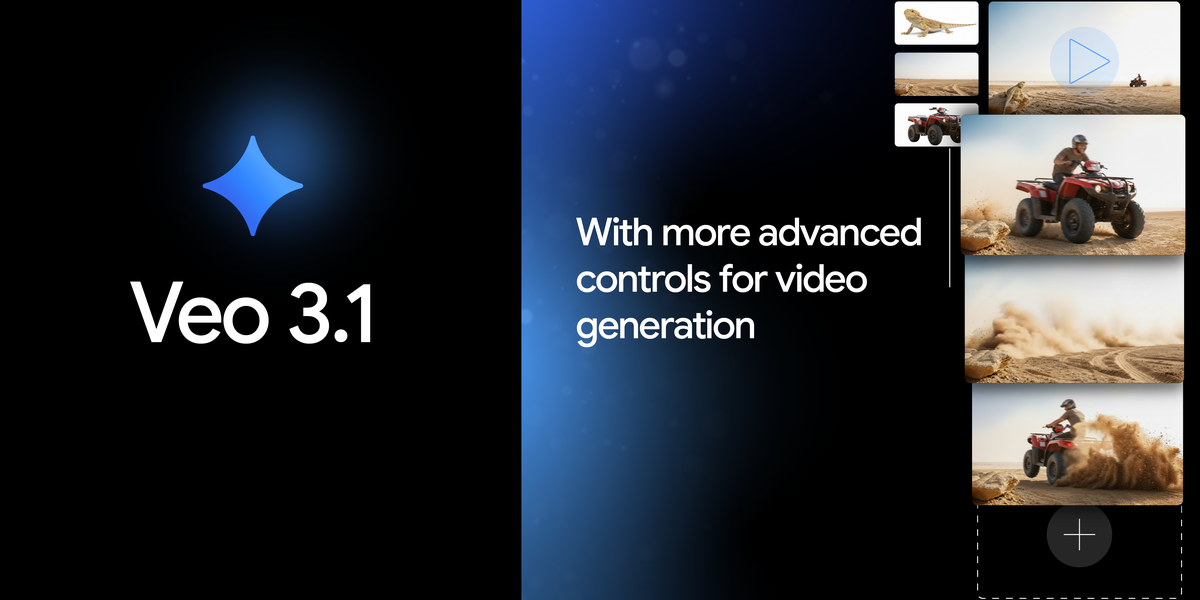
A key advancement in Veo 3.1 lies in its improved image-to-video capabilities. Users can now guide video generation using reference images, ensuring that the output aligns closely with specific aesthetic visions and desired styles. This feature is particularly valuable for brands looking to maintain consistent visual identity or creators aiming for a particular artistic look. Beyond just guiding initial creation, Veo 3.1 also allows users to extend existing videos seamlessly, building upon previously generated content and fostering more complex narratives. Furthermore, the ability to generate transitions between frames provides another layer of polish and sophistication to the final product.
The new features aren’t merely theoretical; early adopters are already demonstrating their potential. Companies like Promise Studios, Latitude, and Whering have begun incorporating Veo 3.1 into their workflows for a variety of applications, from generating marketing materials to creating unique interactive experiences. These real-world implementations highlight the tangible benefits – increased creative freedom, reduced production time, and ultimately, higher quality video output – that Veo 3.1 delivers compared to earlier versions. The introduction of ‘Veo 3.1 Fast’ further underscores Google’s commitment to providing options for diverse user needs, balancing speed with feature richness.
In essence, Veo 3.1 represents a maturation of Gemini’s video AI capabilities. It shifts the focus from simply generating videos to empowering creators with tools that enable them to shape and refine the final product with greater precision and artistic control. The combination of improved audio fidelity, intuitive image guidance, seamless extension options, and frame transitions collectively elevates Veo 3.1 beyond a simple video generator into a sophisticated creative platform.
Richer Native Audio & Narrative Control
Veo 3.1 introduces significant enhancements to native audio capabilities within the Gemini API, allowing creators unprecedented control over the sonic landscape of their generated videos. Previously, audio generation was more rudimentary, often requiring post-production adjustments. Now, Veo 3.1 provides higher fidelity audio output and allows for nuanced prompting related to tone, style, and even specific musical elements, directly influencing the emotional impact of the video. This integration streamlines workflows and reduces reliance on external audio editing tools.
Beyond improved audio, users gain considerably more narrative control in Veo 3.1. The model now supports guiding generation with reference images – enabling creators to visually steer the content creation process towards a desired aesthetic or composition. Furthermore, it’s possible to extend existing Veo videos, seamlessly adding new scenes and building upon previously generated material. This iterative approach fosters experimentation and allows for more complex storytelling than was achievable in earlier versions.
The enhanced narrative control also extends to generating transitions between frames, further refining the visual flow of videos created with Gemini Video AI. These transitions aren’t simply cuts; they’re dynamic sequences that help connect scenes and enhance overall coherence. This level of detail empowers creators to craft more polished and engaging video experiences, moving beyond basic scene generation towards sophisticated cinematic storytelling.
Image-to-Video Capabilities Enhanced
Veo 3.1 significantly elevates image-to-video creation within the Gemini API. Previously, generating video from a single image was possible but often lacked dynamism and visual interest. The new version introduces ‘reference image guiding,’ allowing users to provide additional images that influence the style, camera movement, and overall aesthetic of the generated video. This capability offers unprecedented control over the final output, enabling more tailored and visually compelling results.
The reference image guidance works by analyzing the provided images – whether they depict a specific artistic style, desired camera angle, or even just a general mood – and applying those characteristics to the video generation process. For example, providing an image of a cinematic landscape shot could inspire Veo 3.1 to produce a similar visual feel in the generated video from a different starting image. This moves beyond simple image-to-video conversion into a form of guided creative synthesis.
Beyond individual image influence, users can now also extend existing Veo videos by incorporating new images and reference frames. This allows for iterative development and building upon previous generations, offering greater flexibility in video creation workflows. The ability to generate transitions between frames further enhances the smoothness and professionalism of the final product, marking a notable advancement over earlier iterations.
Key Features & Creative Possibilities
Veo 3.1, now accessible through the Gemini API in paid preview, introduces a suite of powerful new features that significantly expand creative possibilities for video generation. One of the most exciting advancements is the ability to extend existing Veo videos. Imagine you’ve already generated a short promotional clip using Veo – with 3.1, you can now effortlessly add more content directly onto that foundation, building upon your initial creation and crafting longer, richer narratives without needing to restart from scratch. This iterative workflow unlocks entirely new levels of flexibility for filmmakers, marketers, and anyone seeking dynamic video content.
Beyond simple extension, Veo 3.1 also delivers a marked improvement in visual polish with its newly implemented seamless frame transitions. Previously, abrupt cuts between scenes could be jarring; now, the model intelligently generates smooth transitions – fades, dissolves, wipes – automatically, adding a layer of sophistication and professionalism to your videos. For example, imagine creating a travel video showcasing different locations – Veo 3.1 can smoothly transition from a bustling market scene to a serene mountain vista, elevating the overall viewing experience. This feature dramatically reduces post-production time and effort.
The power of visual guidance is also significantly enhanced in this release. Users can now guide generation with reference images, providing Veo 3.1 with visual cues to shape the style and content of the video. This allows for greater control over aesthetics and ensures a closer alignment with desired creative outcomes. Early adopters like Promise Studios, Latitude, and Whering are already leveraging these capabilities to produce diverse and innovative video projects – from personalized marketing materials to immersive brand experiences.
Ultimately, Veo 3.1’s new features represent a significant leap forward in AI-powered video creation. The combination of extended video generation, seamless transitions, and image-guided content creation provides users with unprecedented creative control and opens up exciting new avenues for visual storytelling. With the Gemini API now offering access to this powerful technology, we can expect to see even more innovative applications emerge across various industries.
Extending Existing Veo Videos
Veo 3.1 introduces a significant workflow enhancement: the ability to extend existing Veo-generated video sequences. Previously, each video generation was largely self-contained. Now, users can seamlessly add new content – text prompts, reference images, or even further instructions – to build upon videos already created with Veo. This iterative approach allows for more complex narratives and a greater degree of creative control than ever before.
The process is straightforward: simply provide the original video’s ID along with your new prompt within the Gemini API request. Veo 3.1 will then generate content that continues from where the previous sequence ended, maintaining stylistic consistency and visual coherence. Imagine creating a short explainer video in stages – generating an introduction with Veo initially, then adding detailed steps later without jarring transitions or mismatched aesthetics.
This feature unlocks numerous possibilities for professional users. For example, sports analysis companies like Promise Studios can now build comprehensive game breakdowns by extending initial highlight reels with additional commentary and player insights. Similarly, Latitude utilizes this capability to create longer-form travel content, evolving a brief introductory scene into an immersive exploration.
Seamless Frame Transitions
Veo 3.1 introduces a significant enhancement to video generation quality: seamless frame transitions. Previous versions often resulted in abrupt cuts between generated frames, hindering the overall visual flow. Now, the Gemini Video AI model intelligently analyzes consecutive frames and creates smooth, natural-looking transitions like fades, dissolves, and wipes. This capability drastically improves the aesthetic appeal of generated videos, making them more engaging and professional.
The ability to generate these transitions isn’t simply a cosmetic upgrade; it opens up new creative possibilities for users. Imagine extending an existing Veo video by adding new scenes with perfectly integrated transitions – no longer requiring extensive manual editing or compositing. Users can now guide the transition style using prompts, allowing for precise control over the visual mood and pacing of their generated content.
Early adopters utilizing Veo 3.1, such as Promise Studios and Latitude, are already leveraging these frame transitions to create more sophisticated video experiences. This feature exemplifies Google’s commitment to refining the Gemini API’s generative capabilities and empowering creators with tools for higher-quality and more nuanced video production.
Real-World Applications & Early Adopters
The power of Gemini Video AI, specifically the newly released Veo 3.1 and its faster counterpart, isn’t just about impressive technical specs; it’s about tangible results for businesses already integrating it into their workflows. Several companies have jumped at the opportunity to access the paid preview through the Gemini API, showcasing a diverse range of applications that highlight Veo’s versatility. These early adopters are leveraging features like guided generation with reference images and extending existing videos to achieve creative goals previously unattainable or incredibly time-consuming.
Promise Studios, a visual storytelling agency, is seeing significant impact from Veo 3.1. They’re utilizing the enhanced narrative control and richer native audio capabilities to craft more compelling branded content and explainer videos for their clients. Previously, achieving specific stylistic nuances in AI-generated video required extensive iteration and manual adjustments; with Veo 3.1, Promise Studios reports a dramatic reduction in production time while simultaneously elevating the creative quality of their work – allowing them to focus on strategic storytelling rather than technical limitations.
Beyond creative agencies, Veo 3.1’s capabilities extend to various industries. Latitude, a travel platform, is experimenting with generating dynamic promotional content showcasing destinations based on user preferences and real-time data feeds. Similarly, Whering, a location-based discovery app, is exploring how Veo can enhance their visual storytelling by creating short, engaging videos highlighting unique places and experiences. These examples demonstrate that the potential for Gemini Video AI isn’t confined to one sector; it’s a tool applicable across a wide spectrum of businesses seeking innovative ways to communicate visually.
The early adoption of Veo 3.1 underscores its practical value and hints at the transformative impact this technology could have on video creation moving forward. While still in paid preview, these initial implementations offer a glimpse into how companies are already harnessing Gemini Video AI to unlock new creative possibilities, boost efficiency, and ultimately, engage audiences in more meaningful ways.
Promise Studios: Visual Storytelling
Promise Studios, a visual storytelling agency specializing in branded content and advertising, is among the first to leverage Google’s new Gemini Video AI capabilities with Veo 3.1. They’re utilizing the model to accelerate their creative workflows, particularly when developing complex narratives for clients. Previously, generating specific video sequences or transitions required extensive manual effort; now, Promise Studios can guide Veo 3.1 using reference images and extending existing clips, significantly reducing production time.
A key benefit for Promise Studios has been the improved narrative control offered by Veo 3.1. The ability to influence the generated content with visual cues allows their creative team to iterate rapidly on concepts and achieve a more precise aesthetic vision. This translates into higher-quality video assets that better align with client branding guidelines, while also enabling them to explore previously unattainable creative avenues.
For example, Promise Studios recently used Veo 3.1’s image prompting capabilities to generate stylized transitions between product shots for a beverage brand campaign. These custom transitions, which would have been prohibitively expensive and time-consuming to create traditionally, added a layer of visual sophistication that significantly elevated the overall impact of the advertisements.
Latitude & Whering: Innovative Use Cases
Latitude, a company specializing in location-based data and geospatial intelligence, is leveraging Gemini Video AI (Veo 3.1) to create dynamic visualizations of complex datasets. They’re using the API’s ability to generate videos from reference images and extend existing video sequences to produce animated explainers that illustrate geographical trends and patterns more effectively than static maps or charts ever could. This allows them to communicate insights gleaned from their data in a much more engaging and easily digestible format for clients across various industries, including urban planning and logistics.
Whering, known for its AI-powered content creation tools aimed at travel and lifestyle brands, is employing Veo 3.1’s enhanced narrative control features. They’re utilizing the API to automate the production of short-form video content showcasing destinations or products, allowing for greater flexibility in adjusting pacing, adding transitions, and incorporating native audio cues. This automation significantly reduces production time and costs while maintaining a high level of visual quality – a crucial factor for brands needing consistent output across multiple platforms.
The early adoption by companies like Latitude and Whering highlights the versatility of Gemini Video AI beyond simple video generation. Their use cases demonstrate Veo 3.1’s potential to transform data visualization, streamline content creation workflows, and unlock new avenues for storytelling, solidifying its position as a powerful tool for businesses seeking innovative ways to leverage AI.
Access & Future Outlook
Eager to get your hands on Google’s impressive new video generation model? Accessing Veo 3.1 and its faster counterpart, Veo 3.1 Fast, is now possible through the Gemini API’s paid preview program. While not yet widely available, this marks a significant step forward for developers looking to integrate cutting-edge AI video capabilities into their applications. To begin exploring, you’ll need to request access to the Gemini API and specifically opt-in to the Veo 3.1 preview – details on how to do so can be found in Google’s official documentation (link likely provided in ‘Getting Started with the Gemini API’). This early access allows experimentation and feedback that will shape the future of this powerful tool, but keep in mind it’s currently a paid service designed for developers and businesses.
The enhancements within Veo 3.1 are substantial; from richer native audio integration to significantly improved narrative control, users have far greater flexibility than previous iterations. The ability to guide generation using reference images is particularly compelling, allowing for more precise creative direction. Furthermore, extending existing Veo videos and generating smooth transitions between frames opens up exciting possibilities for complex video projects – as demonstrated by early adopters like Promise Studios, Latitude, and Whering who are already leveraging its capabilities in diverse ways. These new features signal a move beyond simple text-to-video generation towards a more sophisticated and controllable creative process.
Looking ahead, the future of Gemini Video AI, and Veo specifically, appears bright. We can anticipate further refinements to image-to-video quality, potentially including even greater realism and detail. Integration with other Google services – like Workspace tools for seamless video creation within documents or presentations – is also a strong possibility. Imagine being able to instantly generate short explainer videos directly from your Google Docs! Beyond that, expect increased customization options, perhaps allowing users to train Veo on specific styles or aesthetics. The evolution of AI video generation will likely see models like Veo become increasingly accessible and integrated into everyday workflows, blurring the lines between human creativity and machine assistance.
Ultimately, Veo 3.1’s presence within the Gemini API represents a pivotal moment in the democratization of video creation. While currently limited to preview access, its trajectory suggests that AI-powered video generation will continue its rapid advancement, fundamentally changing how content is produced and consumed. The ‘Future of AI Video Generation’ section (linked elsewhere) delves into this broader context, exploring where these advancements fit within the larger technological landscape and what they might mean for creative industries.
Getting Started with the Gemini API
Eager to explore the power of Gemini Video AI, specifically the newly released Veo 3.1? Access is currently granted via a paid preview program through Google’s Gemini API. To request access, you’ll need to apply for the Gemini API and indicate your interest in participating in the video generation preview. While there’s no guarantee of immediate acceptance, demonstrating a clear use case and technical readiness significantly increases your chances.
Once approved, you can begin integrating Veo 3.1 into your projects. Google provides comprehensive documentation and code samples to help developers get started. You’ll find detailed guides on utilizing features like image-guided generation, video extension, and frame transitions within the Gemini API’s official resources. A helpful starting point is the Gemini API documentation page: [https://ai.google.dev/tutorials/video](https://ai.google.dev/tutorials/video).
Looking ahead, we can expect Google to continue refining Veo’s capabilities and expanding access as the technology matures. Potential future developments might include increased video length limits, more sophisticated control over camera angles and movement within generated scenes, and tighter integration with other Gemini models for even richer creative possibilities. Keep an eye on the Gemini API release notes for updates.
The Future of AI Video Generation
The arrival of Veo 3.1, accessible via the Gemini API’s paid preview, represents a significant step in the evolution of AI-powered video generation. While earlier iterations demonstrated impressive capabilities, this release focuses heavily on refining creative control and output quality. The inclusion of richer native audio, combined with features allowing users to guide generation through reference images and extend existing videos, moves beyond simple scene creation towards more complex storytelling possibilities.
Veo 3.1’s ability to generate transitions between frames and its improved image-to-video functionality are particularly noteworthy. This signifies a shift away from solely relying on text prompts; users can now leverage visual cues to shape the generated video, opening doors for applications ranging from automated content creation for social media to assisting filmmakers in visualizing storyboards and pre-production elements. The early adoption by companies like Promise Studios and Latitude underscores its potential across diverse industries.
Looking ahead, we anticipate continued refinement of Veo’s capabilities within the Gemini API. Future iterations could see even greater integration with other Google services, potentially allowing for seamless incorporation into workflows involving image recognition, natural language processing, and cloud-based content management. The ultimate goal appears to be democratizing high-quality video creation, enabling users with limited technical expertise to produce compelling visual narratives.
The convergence of powerful language models and sophisticated video editing tools marks a significant leap forward for content creation, and Veo 3.1 truly embodies this evolution. We’ve seen firsthand how streamlined workflows, enhanced automation, and unprecedented creative control are now within reach for both seasoned professionals and aspiring filmmakers alike. The integration with advanced AI capabilities opens doors to personalized experiences and dynamic storytelling previously unimaginable. The potential to generate compelling narratives from raw footage is transformative, especially when considering the underlying power of Gemini Video AI – it’s not just about editing; it’s about intelligent creation. This release represents a pivotal moment, setting a new standard for what’s possible in automated video production and offering exciting avenues for innovation across numerous industries, from marketing to education and beyond. The future of video isn’t simply about recording moments; it’s about intelligently crafting them into impactful stories, and Veo 3.1 is leading the charge. Don’t just read about this revolution – become a part of it! We strongly encourage you to dive deeper into the Gemini API and begin experimenting with Veo 3.1 yourself to unlock its full potential and shape what comes next in AI-powered video creation.
Explore the possibilities, push the boundaries, and let your creativity run wild.
Source: Read the original article here.
Discover more tech insights on ByteTrending ByteTrending.
Discover more from ByteTrending
Subscribe to get the latest posts sent to your email.