
Welcome to Video Friday, your weekly dose of the most captivating advancements in robotics! This week’s selection showcases innovative solutions and designs pushing the boundaries of what’s possible. From rugged grippers to robotic mushroom cultivation and advanced touch sensors, these videos offer a glimpse into the future of automated systems and human-machine interaction. We also include a calendar of upcoming robotics events for those eager to engage with the community.
The Importance of Robust Gripper Design in Robotics
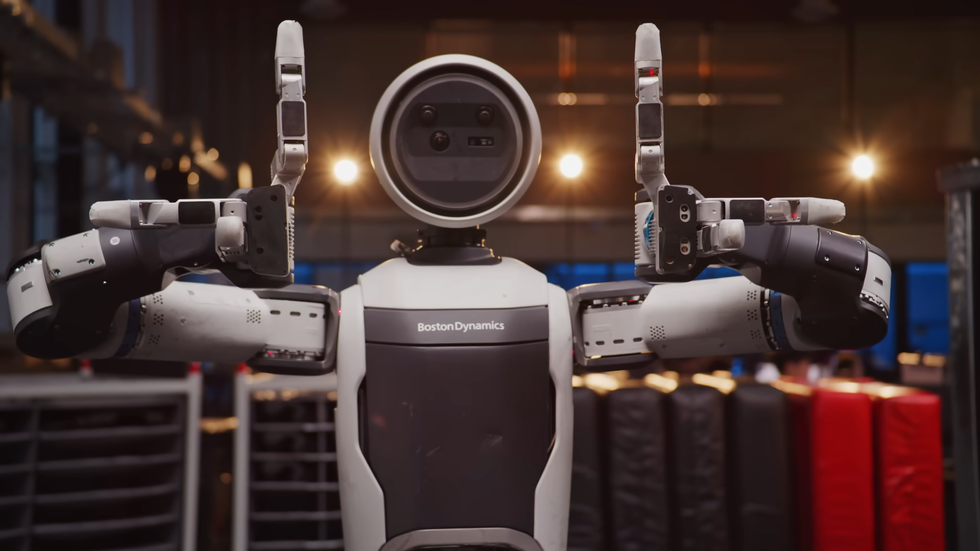
One key takeaway from this week’s videos is the critical need for robust gripper design in robotic applications. As demonstrated by Boston Dynamics’ work, building grippers that can withstand inevitable falls and impacts is paramount. Frequently, humanoid robot hands are delicate, which raises concerns about their practicality in real-world scenarios. Furthermore, designers are increasingly recognizing that complex five-fingered designs aren’t always necessary for the majority of tasks; simpler, more robust alternatives often suffice.
Considering Environmental Factors
The design process should account for the harsh realities of robotic operation. For example, robots frequently encounter unexpected obstacles or accidental drops. Therefore, incorporating ruggedness and resilience into gripper construction is essential to ensure reliability and longevity. Instead of mimicking human hand dexterity unnecessarily, engineers are exploring more efficient and robust gripping mechanisms.
Beyond Humanoid Constraints
Another important consideration is that robot hands don’t need to be limited by the range of motion or complexity of a human hand. This freedom allows for innovative designs optimized for specific tasks, leading to greater efficiency and performance in various applications. Consequently, we are seeing exciting new approaches to gripper design that prioritize functionality over mimicking human anatomy.

Innovative Applications of Robotics: Cultivating Mushrooms with Precision
Beyond gripper design, this week’s videos highlight the surprising and creative ways robotics are being applied. One particularly fascinating example is MycoGravity, a project utilizing a KUKA robotic arm to cultivate mushrooms in a custom bioreactor. Inspired by NASA’s random positioning machines, the robot’s programmed movements simulate altered gravity conditions. This innovative approach results in uniquely shaped, sculptural mushrooms.
Simulating Altered Gravity
The MycoGravity project demonstrates that robots can be powerful tools for exploring biological processes and creating novel artistic forms. By carefully controlling environmental factors like gravitational force, researchers and artists can influence the growth patterns of living organisms, opening up new avenues for scientific discovery and creative expression.
A Blend of Science and Art
Notably, MycoGravity exemplifies a growing trend toward interdisciplinary collaboration, blending scientific principles with artistic vision. As a result, we’re seeing increasingly innovative applications of robotics that extend far beyond traditional industrial settings.
The Future of Human-Robot Interaction: Advanced Touch Sensors
Finally, the videos explore advancements in human-robot interaction, specifically focusing on the development of advanced touch sensors. These new technologies allow robots to “feel” their environment with unprecedented sensitivity, enabling more natural and intuitive interactions between humans and machines. Furthermore, this allows for a wide range of applications, from recognizing symbols to operating virtual buttons.
Enhanced Sensory Perception
The ability for robots to sense touch is crucial for tasks that require delicate manipulation or close collaboration with humans. By integrating advanced force sensing and deep learning algorithms, these new sensors provide a level of tactile feedback previously unavailable. As a result, the potential for more seamless and effective human-robot partnerships expands significantly.
Paving the Way for Intuitive Interfaces
Ultimately, advancements in touch sensor technology are paving the way for more intuitive and user-friendly robotic interfaces. In addition to making robots safer and easier to control, these improvements contribute to a broader acceptance of robotics in various aspects of our lives.
The featured videos also spark interesting questions about the future market for used industrial robots, hinting at potential opportunities for acquiring advanced robotic systems at more accessible prices. As technology continues to evolve, we can anticipate even more innovative applications and designs shaping the landscape of robotics for years to come.
Source: Read the original article here.
Discover more tech insights on ByteTrending.
Discover more from ByteTrending
Subscribe to get the latest posts sent to your email.