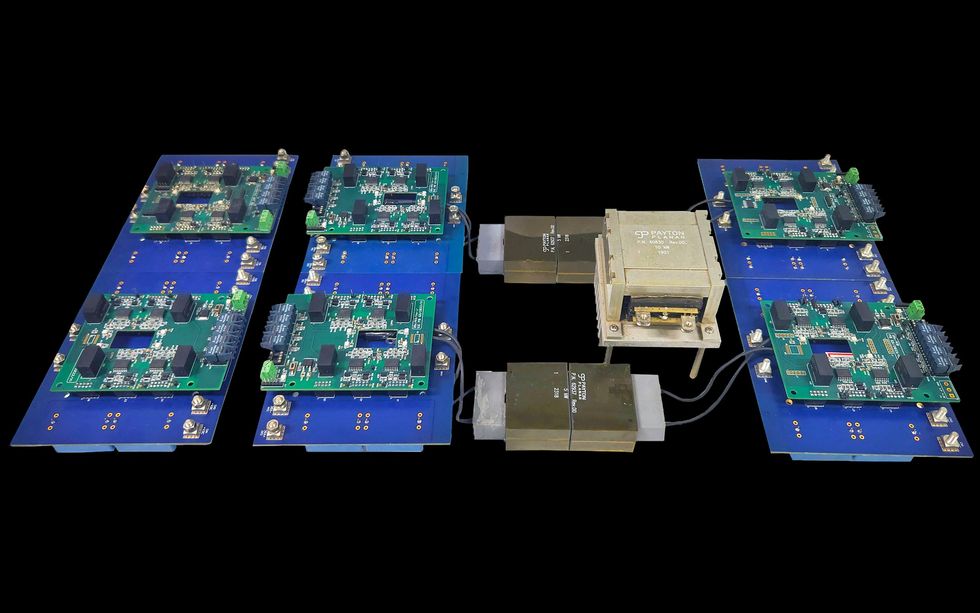



Introducing Solid-State Transformers for Enhanced EV Charging
The burgeoning demand for electric vehicle (EV) charging stations is rapidly stressing existing power grid infrastructure. As EVs become increasingly prevalent and drivers seek faster charge times—often requiring 350 to 500 kilowatts or more per station—the strain on medium-voltage distribution networks is becoming significant, particularly in urban areas and along highways where charging sites are concentrated. Furthermore, the need for efficient integration of local storage and renewable energy sources necessitates a modern approach to power management. The solid-state transformer (SST) emerges as a compelling solution, offering dynamic power flow capabilities that traditional transformers simply cannot match.
Understanding Solid-State Transformer Technology
Traditionally, EV charging stations have relied on line-frequency transformers (LFTs), which are large and relatively inefficient. These devices utilize substantial amounts of copper windings and iron cores to step down voltage; however, they lack the flexibility needed for modern grid management. In contrast, a solid-state transformer utilizes semiconductors like silicon carbide or gallium nitride alongside high-frequency conversion and sophisticated digital control systems. This allows for significantly improved efficiency, reduced size and weight, and—most importantly—dynamic adjustment of power flow to optimize performance based on real-time conditions.
How SSTs Differ from Traditional Transformers
The primary difference lies in the core technology. LFTs rely on magnetic induction to transfer energy, a process inherently limited by frequency. Solid-state transformers, however, employ power electronics to convert voltage and current, enabling higher operating frequencies and greater control. For example, an SST can dynamically adjust its output based on grid conditions or local renewable generation, something impossible with conventional designs. Furthermore, the reduced size and weight of SSTs translate into lower installation costs and increased deployment flexibility.
Benefits Beyond Efficiency
Beyond improved efficiency, solid-state transformer technology offers several other advantages. They can seamlessly integrate with energy storage systems, allowing for peak shaving and grid stabilization. They also provide enhanced power quality, minimizing harmonics and voltage fluctuations that can negatively impact sensitive electronic equipment. Moreover, SSTs facilitate bidirectional power flow, enabling EVs to potentially feed energy back into the grid during periods of high demand—a concept known as vehicle-to-grid (V2G) technology.
The Advantages of Solid-State Transformers in EV Charging
The integration of solid-state transformer designs into EV charging infrastructure presents numerous benefits beyond simply improving efficiency. As the number of EVs on the road continues to grow, and charging demands increase, these advantages become even more critical for maintaining grid stability and enabling widespread adoption of electric mobility. For instance, SSTs’ ability to dynamically manage power flow helps prevent overloading local substations.
Reducing Grid Strain with Dynamic Power Management
One of the most significant challenges associated with fast EV charging is localized grid congestion. Solid-state transformers address this directly by enabling dynamic load balancing and voltage regulation. They can intelligently adjust output based on real-time grid conditions, preventing overloads and ensuring stable power delivery. Similarly, they facilitate better integration of renewable energy sources, allowing excess solar or wind power to be used for EV charging when available.
Future Trends: Miniaturization & Enhanced Functionality
The future of solid-state transformer technology looks promising. Ongoing advancements in semiconductor materials and digital control algorithms are driving further miniaturization and increased functionality. We can expect to see even smaller, lighter, and more efficient SSTs emerge in the coming years, potentially integrated directly into charging stations or even EVs themselves. Furthermore, research is focused on enhancing their ability to handle bidirectional power flow for V2G applications, paving the way for a more resilient and decentralized energy future.
Conclusion: A Key Component of Future EV Infrastructure
The adoption of solid-state transformer technology represents a crucial step towards building a sustainable and robust electric vehicle charging infrastructure. From improving grid efficiency to enabling advanced features like V2G, SSTs offer compelling advantages over traditional transformers. As the demand for fast EV charging continues to grow, these innovative devices will play an increasingly vital role in powering the future of transportation.
Source: Read the original article here.
Discover more tech insights on ByteTrending.
Discover more from ByteTrending
Subscribe to get the latest posts sent to your email.