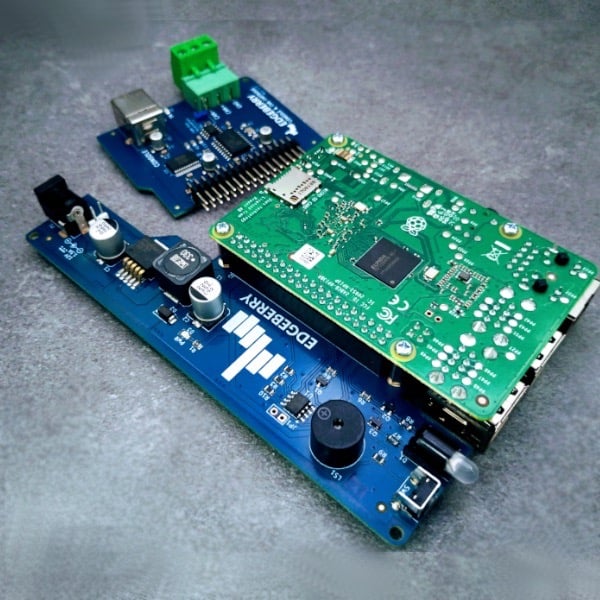


Happy #MakerMonday to everyone! This week, we’re excited to showcase an innovative project from Raspberry Pi Official Magazine: Edgeberry. As the name suggests, it’s a modular expansion system designed to transform your Raspberry Pi into a robust and adaptable Internet of Things (IoT) edge device – a particularly useful tool for streamlining development workflows.
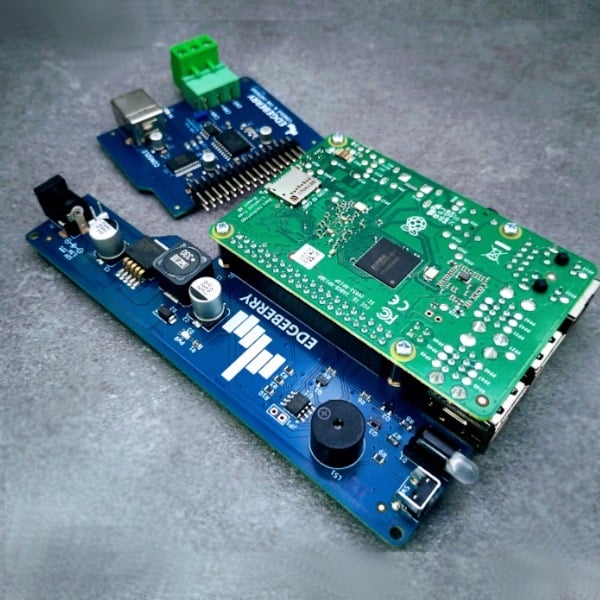
Often, innovative projects arise when creators find themselves lacking essential components. Sanne Santens’ experience was remarkably similar; she recognized the repetitive nature of building custom IoT solutions with Raspberry Pi. She explains that Edgeberry is the culmination of years spent adapting Raspberry Pis for diverse applications, from sensor integration to actuator control.
“Edgeberry started as a response to constantly re-engineering aspects of my Raspberry Pi builds,” Sanne shared. “I was repeatedly creating robust power solutions, enclosing boards, wiring interfaces, and debugging connectivity issues—all while writing device management features for an online dashboard.” Consequently, she decided to develop Edgeberry to address these recurring challenges.
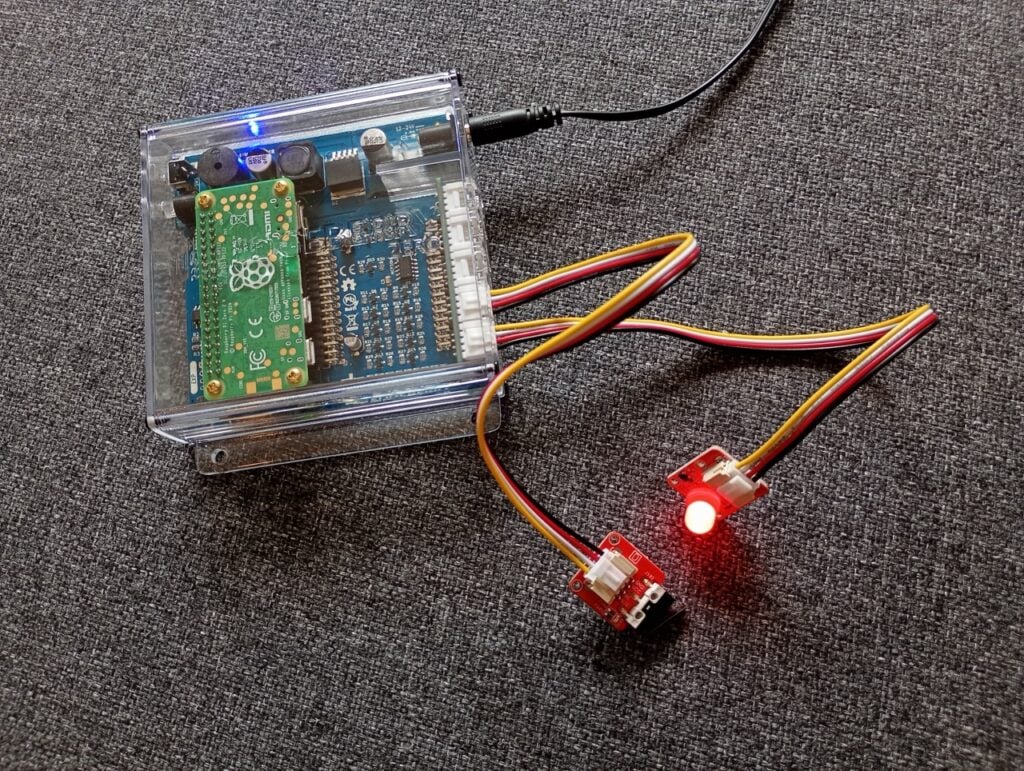
Simplifying IoT Development with Edgeberry
Recognizing the commonalities across her builds, Sanne transformed this realization into what she believes will significantly benefit Raspberry Pi users. For example, she designed it to be a versatile platform suitable for beginners and experienced makers alike.
Understanding the Core Benefits
Edgeberry is more than just an expansion board; it’s a complete ecosystem. As Sanne clarifies, “It’s a modular expansion system transforming a Raspberry Pi into a robust, adaptable IoT edge device.” It combines a custom HAT-style board with a 3D-printable enclosure, built-in user interface elements (like a status LED and buzzer), and a flexible hardware cartridge slot for application-specific electronics. Furthermore, it preserves most of the Raspberry Pi’s crucial I/O pins.
Addressing Common IoT Deployment Challenges
The design philosophy behind Edgeberry specifically aims to simplify the often-frustrating transition from prototype to real-world deployment. By providing a stable and repeatable base, it reduces the need for custom wiring and software configurations; this acceleration of development cycles is particularly valuable for teams working on complex IoT projects.
Exploring Key Features & Functionality
The modularity of Edgeberry provides incredible versatility. Users can easily add cartridges tailored to specific needs, such as sensor integration or specialized communication protocols. This flexibility not only reduces custom work but also streamlines the overall development process.
| Feature | Description |
|---|---|
| Modular Design | Allows for easy swapping of expansion cartridges to adapt to various applications. |
| HAT-Style Board | Ensures compatibility with standard Raspberry Pi HATs. |
| 3D-Printable Enclosure | Provides robust protection and a professional finish for the Edgeberry system. |
| Built-in UI Elements | Includes a status LED and buzzer for easy monitoring of device status. |
| Preserved I/O Pins | Maintains full access to the Raspberry Pi’s GPIO pins, ensuring flexibility. |
Looking Ahead: The Future of Edgeberry
Sanne’s vision extends beyond the current iteration; she plans to foster a vibrant community around the platform. This collaborative approach will encourage users to develop and share their own expansion cartridges, further expanding Edgeberry’s capabilities and making it an even more valuable tool for IoT enthusiasts. Notably, this community-driven development promises to continually enhance the versatility of the Edgeberry system.
Learn more about Edgeberry and explore the potential of modular IoT development with Raspberry Pi.
Source: Read the original article here.
Discover more tech insights on ByteTrending.
Discover more from ByteTrending
Subscribe to get the latest posts sent to your email.