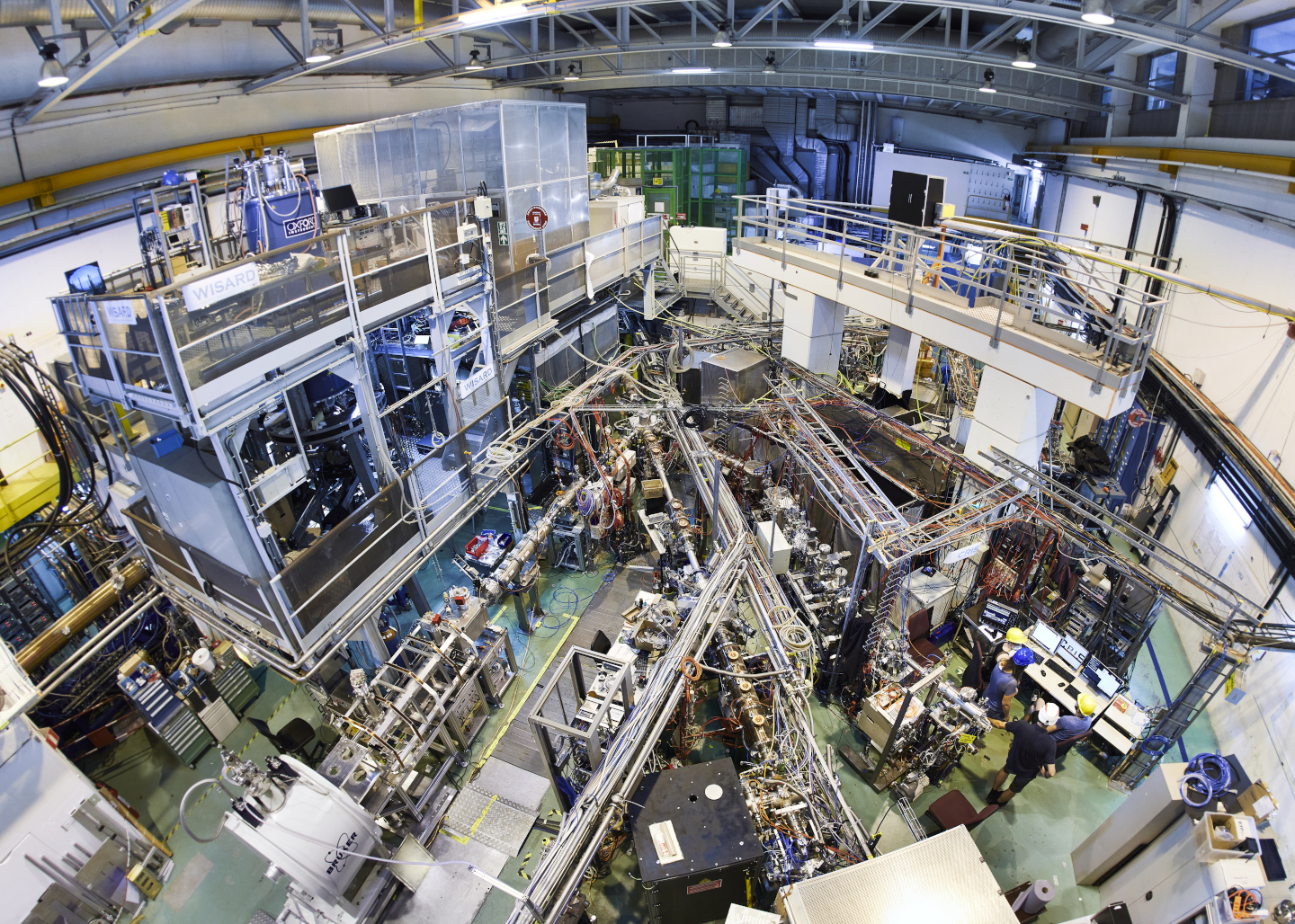
Quantum Leap: 3,000-Qubit System Achieves Continuous Coherence
A Milestone in Quantum Computing
Recent advancements in quantum computing have yielded a remarkable breakthrough: the sustained operation of a coherent system boasting 3,000 qubits. Published in Nature on September 15, 2025 (doi:10.1038/s41586-025-09596-6), this achievement represents a significant leap forward, pushing the boundaries of what’s possible with quantum technology.
Understanding Quantum Coherence and Qubit Scaling
Before delving into the specifics of this new system, it’s crucial to understand two key concepts: quantum coherence and qubit scaling. Quantum coherence refers to the ability of a qubit (quantum bit) to maintain its superposition state – essentially existing in multiple states simultaneously – long enough to perform complex calculations. Decoherence, the loss of this delicate state due to environmental interactions, is a major obstacle in building practical quantum computing systems.
Qubit scaling involves increasing the number of qubits within a system while maintaining their individual coherence and ensuring they can effectively interact with each other. Each qubit added increases complexity exponentially; therefore, reaching 3,000 coherent qubits is an extraordinary feat. Furthermore, advancements in error correction are vital for reliable quantum computing.
The Architecture Behind the Breakthrough
While details remain somewhat proprietary, researchers indicate a novel architecture employing transmon qubits coupled to a superconducting resonator network. Crucially, they’ve implemented advanced error correction protocols and refined shielding techniques to drastically reduce environmental noise – a primary cause of decoherence. This involved significant improvements in cryogenic cooling systems enabling operation at temperatures near absolute zero. Notably, the successful implementation hinges on intricate control mechanisms.
Implications for Future Applications
This 3,000-qubit system unlocks capabilities previously relegated to theoretical models. The increased computational power opens doors to tackling problems currently intractable for even the most powerful classical supercomputers. Potential applications span a wide range of fields:
- Drug Discovery: Simulating molecular interactions with unprecedented accuracy, accelerating drug development timelines and reducing costs.
- Materials Science: Designing new materials with tailored properties by simulating atomic structures and behaviors.
- Financial Modeling: Developing more sophisticated financial models for risk assessment and portfolio optimization.
- Artificial Intelligence: Potentially enabling breakthroughs in machine learning algorithms, leading to more powerful AI systems.
For example, the ability to simulate complex molecular interactions will revolutionize drug discovery.
Challenges Remaining
Despite this impressive progress, challenges remain. Maintaining coherence at scale is an ongoing battle; further improvements are needed to extend qubit lifetimes and reduce error rates. Scalability of the control system—managing and coordinating thousands of qubits – presents another significant hurdle. As a result, continued research into novel qubit designs and improved error correction methods will be essential for advancing quantum computing.
Looking Ahead: The Future of Quantum Computing
The successful demonstration of continuous operation with a 3,000-qubit coherent system marks a pivotal moment in quantum computing history. While widespread adoption is still years away, this achievement provides a clear roadmap for future development and brings us closer to realizing the full potential of this transformative technology. Similarly, advancements in quantum algorithms will be crucial to fully exploit this new hardware capability. Therefore, investing in both hardware and software development remains critical.
Source: Read the original article here.
Discover more tech insights on ByteTrending.
Discover more from ByteTrending
Subscribe to get the latest posts sent to your email.