
Celebrating 50 Years of Europe’s Satellite Connection
This year marks a significant milestone for the European Space Agency (ESA): the 50th anniversary of its Estrack satellite tracking network. For half a century, Estrack has served as the crucial link between spacecraft orbiting our planet and mission control at ESA’s European Space Operations Centre (ESOC) in Darmstadt, Germany. Notably, this network underpins much of Europe’s space exploration efforts.
What is Estrack and Why Is It Important?
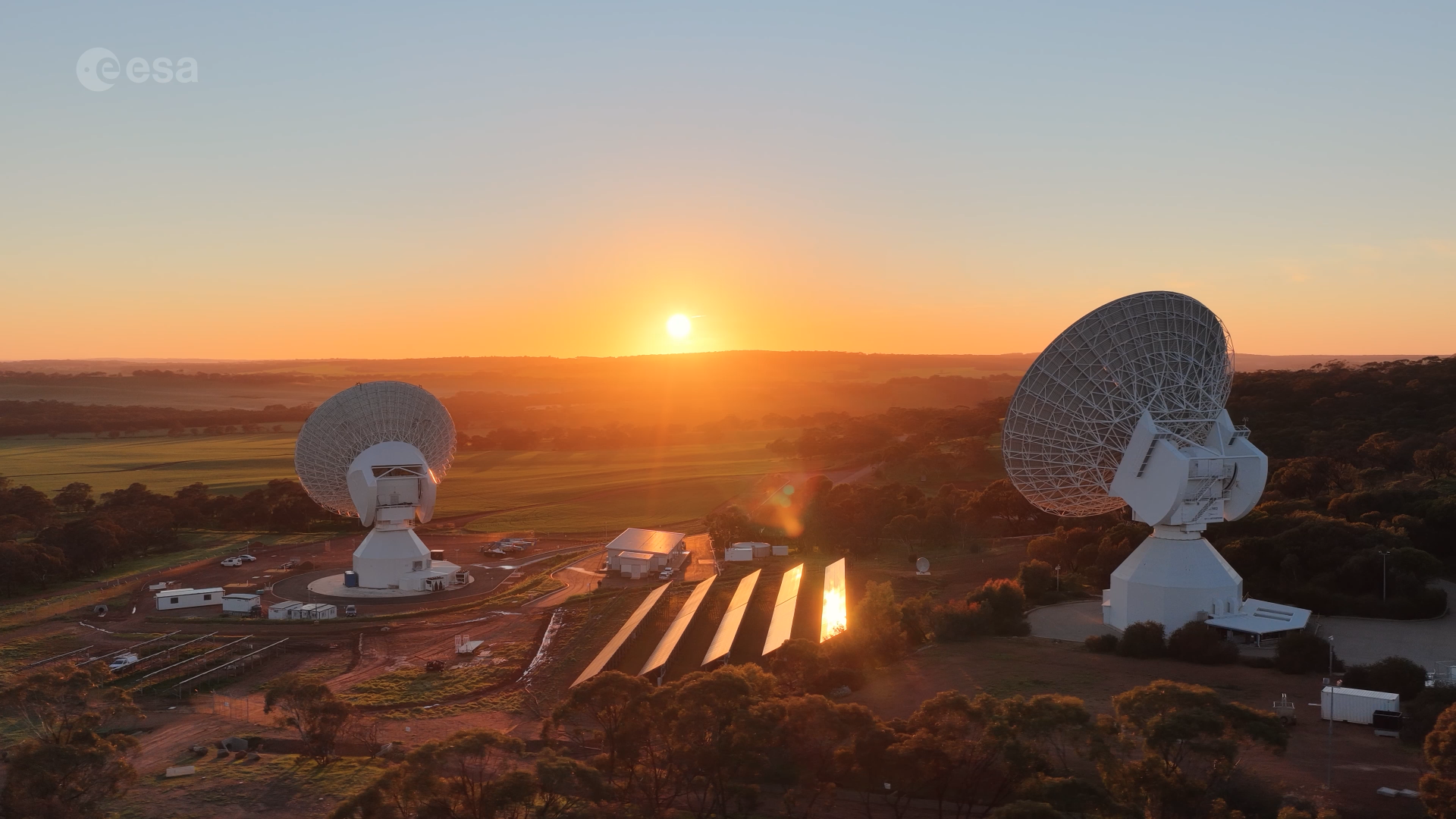
Estrack isn’t a single facility; it’s a global network of six ground stations strategically located across six countries. This expansive reach allows ESA to maintain constant communication with satellites regardless of their location, whether they are in Earth orbit, exploring comets and asteroids, stationed at the vital Sun-Earth Lagrange points, or venturing deep into our solar system. Furthermore, its strategic positioning ensures continuous coverage for missions operating far beyond Earth’s immediate vicinity. Therefore, it serves as a crucial lifeline connecting spacecraft to mission control.
Key Functions of Estrack
- Communication Bridge: Facilitates two-way communication between satellites and mission control, allowing scientists and engineers to monitor their health and performance.
- Command Transmission: Sends precise instructions to spacecraft, guiding their operations and ensuring they stay on course.
- Data Reception: Receives valuable scientific data transmitted from orbiting instruments, which is then analyzed to expand our understanding of the universe.
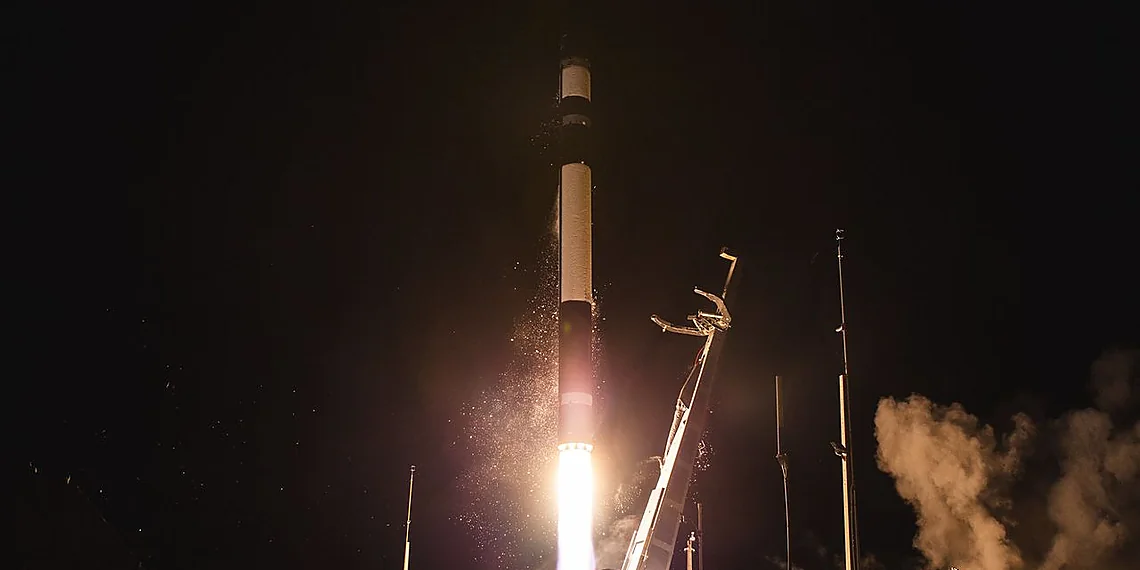
- Launcher Tracking: Provides real-time monitoring of European launchers during critical launch phases, contributing to mission success and safety.

Expanding Deep Space Capabilities for the Future of Estrack
Recognizing the increasing demand for deep space communication, ESA is actively expanding its capabilities to support increasingly ambitious missions. For example, a new 35-metre deep space antenna is currently under construction and will join the existing antenna at New Norcia station in Australia. This expansion addresses the agency’s rapidly growing need to download data from probes exploring distant planets and celestial bodies. As a result of these upgrades, Estrack will continue to support groundbreaking scientific discoveries.
Evolution and Technological Advancements
Throughout its 50-year history, the Estrack network has undergone significant technological advancements. Initially relying on older technologies, the stations have been continuously upgraded with more sophisticated equipment to improve sensitivity, data rates, and overall performance. Meanwhile, these improvements allow for increasingly complex mission profiles and greater scientific return.
A Vital Asset for European Space Exploration
The evolution of Estrack reflects Europe’s enduring commitment to space exploration and technological innovation. Since its inception in 1975, it has been instrumental in the success of numerous missions, including those studying our solar system’s planets and comets. Furthermore, its ongoing expansion ensures that ESA remains at the forefront of scientific discovery and continues to support ambitious future endeavors. Therefore, Estrack will continue playing a crucial role in Europe’s space exploration for decades to come. You can learn more about Estrack’s operations by watching this ESA video.
Source: Read the original article here.
Discover more tech insights on ByteTrending.
Discover more from ByteTrending
Subscribe to get the latest posts sent to your email.