Brazil’s MLBR Project: A Leap Towards Independent Satellite Launches
Space enthusiasts, rejoice! Exciting news has emerged regarding the MLBR project – a significant undertaking for Brazil’s space program. Recently, the company behind this initiative shared details about its launch platform, marking a crucial step towards greater independence in accessing orbit and supporting both domestic and international satellite deployments. The development of the MLBR represents an ambitious move to bolster Brazil’s capabilities within the burgeoning global space economy.
Understanding the MLBR Project
The MLBR project signifies a pivotal moment for Brazil’s aspirations in space exploration and commercial launches. While specific details regarding the project itself are carefully guarded, it’s understood to be a privately funded initiative aiming to provide launch services from Brazilian territory. This move signals a shift towards reduced reliance on foreign providers and promotes technological advancements within the country; furthermore, it lays the groundwork for strengthening national security capabilities related to space access.
The Vision Behind MLBR
Essentially, MLBR aims to establish Brazil as a key player in the global space arena. The project’s focus isn’t solely on launching satellites; it encompasses fostering innovation and developing expertise within the Brazilian aerospace sector. For example, the initiative seeks to train a new generation of engineers and scientists specializing in rocketry and related fields.
Exploring Details of the Launch Platform
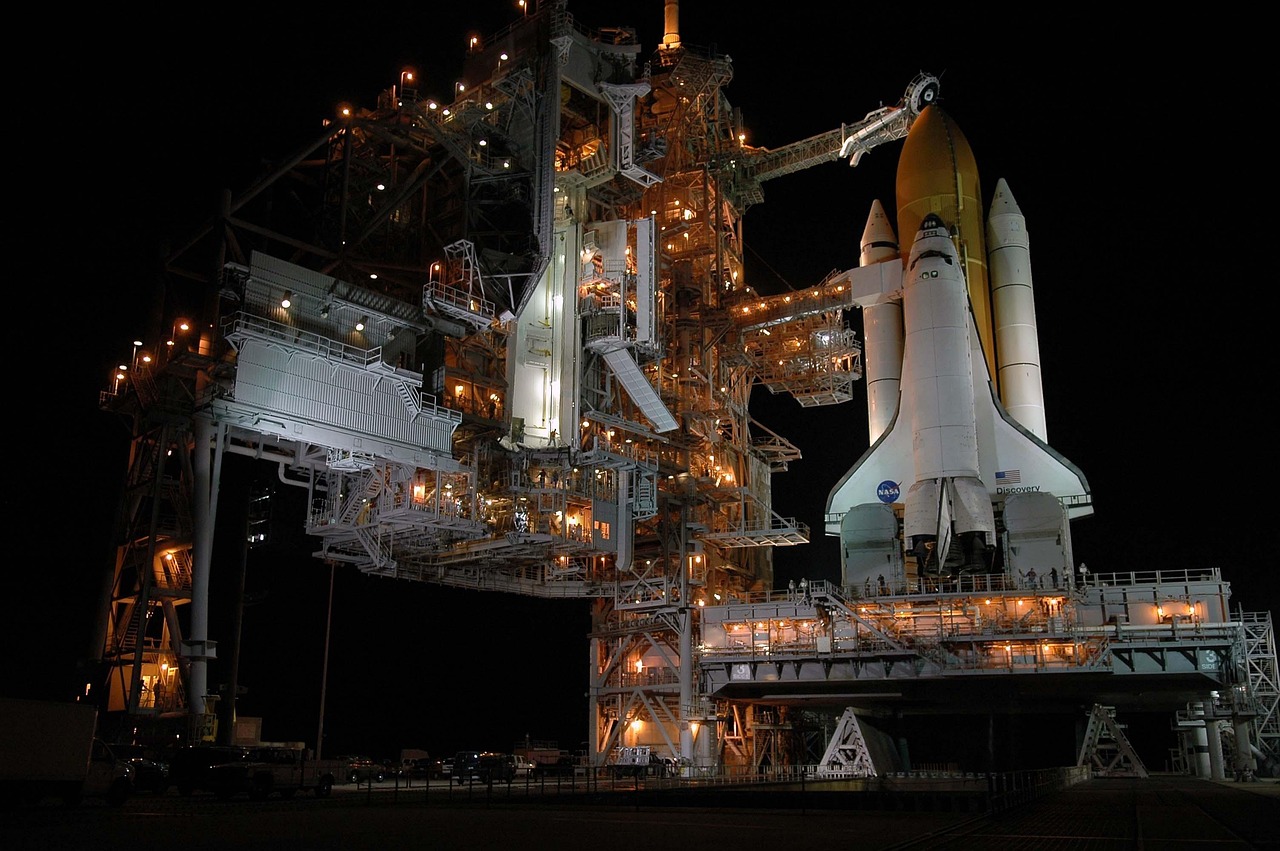
The recently released information about the MLBR launch platform details key aspects of its design and location. While precise geographical coordinates remain undisclosed, it’s confirmed to be situated within Brazilian territory, integrating existing aerospace infrastructure with potential upgrades tailored for MLBR’s specific requirements. The platform’s selection demonstrates a strategic approach to utilizing available resources and minimizing development time.
Key Features and Design Considerations
- Strategic Location: The platform’s location was carefully selected for its proximity to equatorial regions, which optimizes launch trajectories and minimizes fuel consumption – a vital factor in ensuring efficient missions.
- Infrastructure Integration: Utilizing existing Brazilian aerospace infrastructure significantly reduces development time and costs; additionally, it allows for leveraging established expertise and resources.
- Modular Design: The design incorporates modularity, allowing for flexibility in accommodating different rocket sizes and payload configurations – enabling support for a diverse range of launch missions.
- Environmental Responsibility: Notably, the project emphasizes environmentally responsible operations with planned noise mitigation strategies and efforts to minimize impact on surrounding ecosystems.
Furthermore, ongoing consultations with local communities are being held to ensure the long-term sustainability and acceptance of the MLBR project.
Looking Ahead: Implications for Brazil’s Space Program
This launch platform signifies more than just a physical facility; it embodies Brazil’s growing dedication to becoming an integral player in the global space economy. Having independent launch capabilities dramatically reduces reliance on foreign providers, fosters technological innovation within the country, and strengthens national security postures – therefore, the project represents a significant advancement for Brazilian space ambitions.
Future Opportunities and Benefits
- Commercial Launch Services: The MLBR aims to offer competitive commercial launch services for satellites of various sizes, potentially attracting international clients.
- Scientific Missions Support: This platform will provide essential support for Brazilian scientific missions both into Earth orbit and beyond our planet – contributing to valuable research and discovery.
- Technological Advancement: The project is expected to spur advancements in critical areas such as rocketry, propulsion systems, and other related aerospace technologies within Brazil.
Ultimately, the development of this platform also creates invaluable opportunities for training a new generation of Brazilian engineers and scientists specializing in space-related fields; similarly, it stimulates economic growth through job creation and technological spin-offs.
Conclusion
The unveiling of the MLBR launch platform marks an exciting chapter in Brazil’s space exploration journey. While challenges undoubtedly remain ahead, this initiative underscores the nation’s ambition to establish itself as a significant contributor to the global space landscape. Continued transparency and updates from the MLBR project will be crucial for fostering public support and ensuring its long-term success.
Source: Read the original article here.
Discover more tech insights on ByteTrending.
Discover more from ByteTrending
Subscribe to get the latest posts sent to your email.