

Discover how a new generation of construction robots is poised to revolutionize the building industry. The latest innovation, dubbed Charlotte, promises unprecedented speed and efficiency in residential construction. As labor shortages continue to impact the sector and demand for affordable housing rises, automated solutions like these are increasingly vital.
Introducing Charlotte: The Autonomous Builder
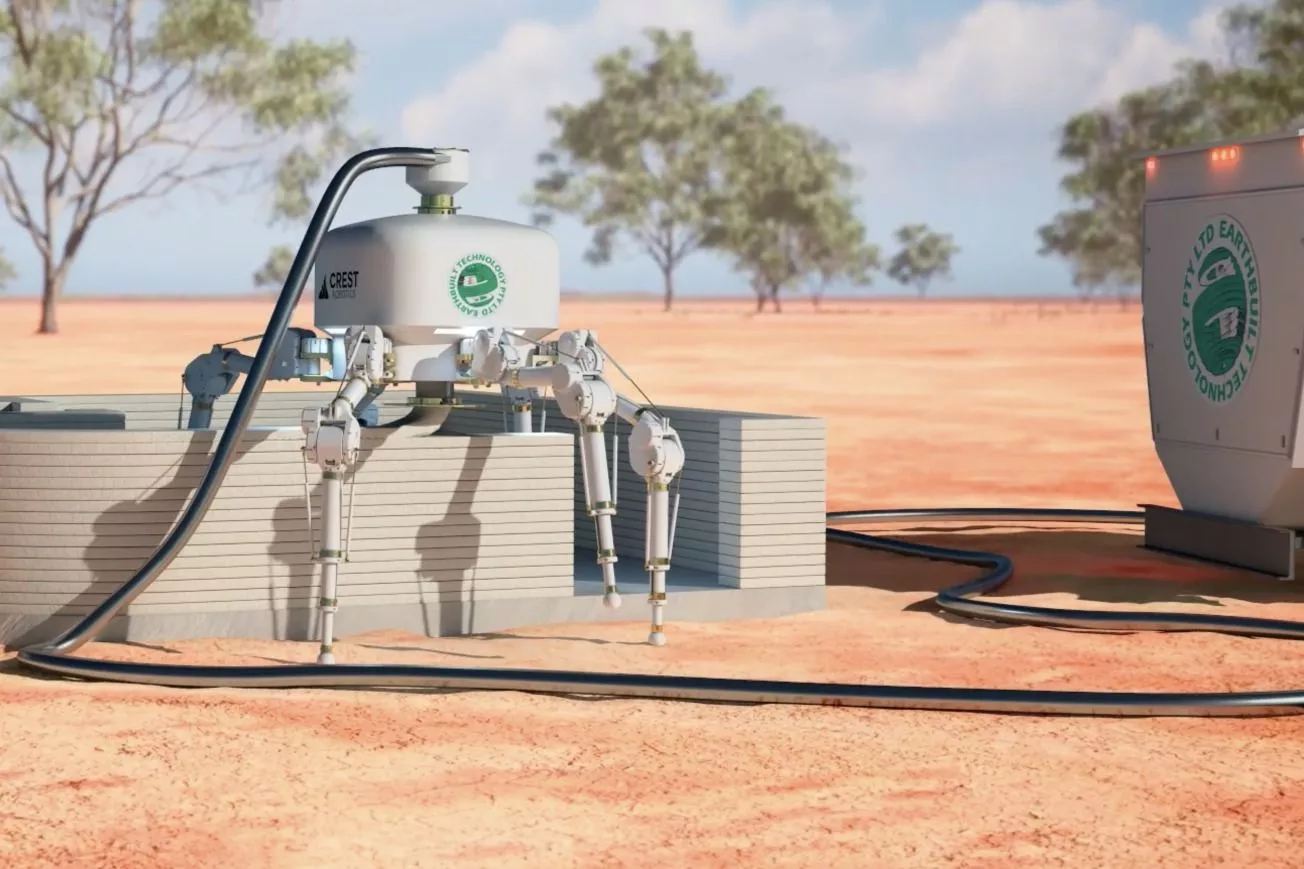
For years, robotics has slowly infiltrated the construction industry, assisting with repetitive or dangerous tasks. However, most existing robotic systems still require significant human oversight. Enter Charlotte, developed by Crest Earthbuilt – a spider-like robot designed for fully autonomous home building. This isn’t just about automating bricklaying; it’s about creating a system capable of constructing an entire house from the ground up with minimal human intervention. Charlotte represents a substantial step toward realizing truly automated construction.
How Does Charlotte Work?
Charlotte utilizes a unique approach to construction, employing compressed waste materials as its primary building blocks. This not only reduces reliance on traditional resources but also contributes to more sustainable building practices and lowers overall material costs. The robot operates by 3D printing structures layer by layer, similar to large-scale additive manufacturing processes – essentially creating walls and floors sequentially. Its spider-like design allows it to navigate complex terrain and access difficult areas with ease, making construction feasible in previously inaccessible locations.
Key Features & Capabilities
- Autonomous Operation: Charlotte requires minimal human supervision during the construction process. This reduces labor costs and improves efficiency.
- Sustainable Materials: Utilizing compressed waste materials minimizes environmental impact and promotes circular economy principles in construction.
- Rapid Construction: Capable of building a 2,150-sq-ft home in a single day – equivalent to the speed of approximately 100 bricklayers working simultaneously.
- Adaptability: The spider-like design allows for navigation across uneven terrain and access to challenging areas, expanding potential construction sites.
Addressing Industry Challenges with Construction Robots
The construction industry faces numerous challenges, including a persistent skilled labor shortage and rising material costs. For instance, traditional building methods are often slow and inefficient. Furthermore, worker safety is a constant concern on many job sites. Construction robots like Charlotte offer potential solutions to these issues by automating tasks, improving productivity, and reducing the risk of accidents. These automated systems can help accelerate project timelines and decrease overall expenses – ultimately making housing more accessible.

The Future of Construction: Beyond Residential Building
Charlotte represents a significant leap forward in construction technology, potentially addressing critical issues like housing shortages and rising building costs. While widespread adoption may still be years away due to regulatory hurdles and upfront investment costs, the demonstration of autonomous, sustainable, and rapid home building capabilities is undeniably impressive. The implications extend beyond residential construction; similar robotic systems could transform large-scale infrastructure projects – such as bridge construction or tunnel boring – and disaster relief efforts where speed and efficiency are paramount. As technology advances, we can expect to see even more sophisticated applications of construction robots reshaping the built environment.
Source: Read the original article here.
Discover more tech insights on ByteTrending.
Discover more from ByteTrending
Subscribe to get the latest posts sent to your email.